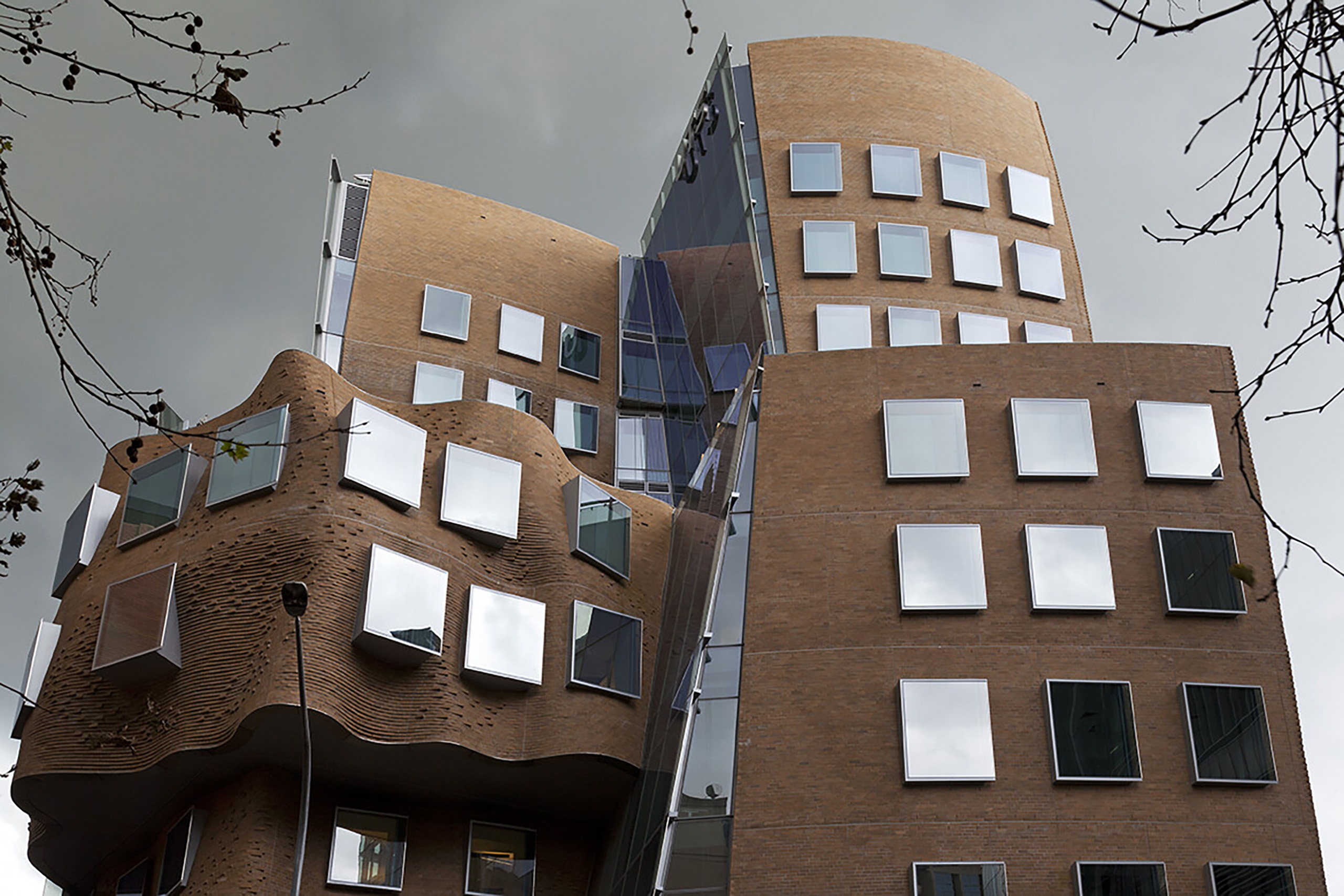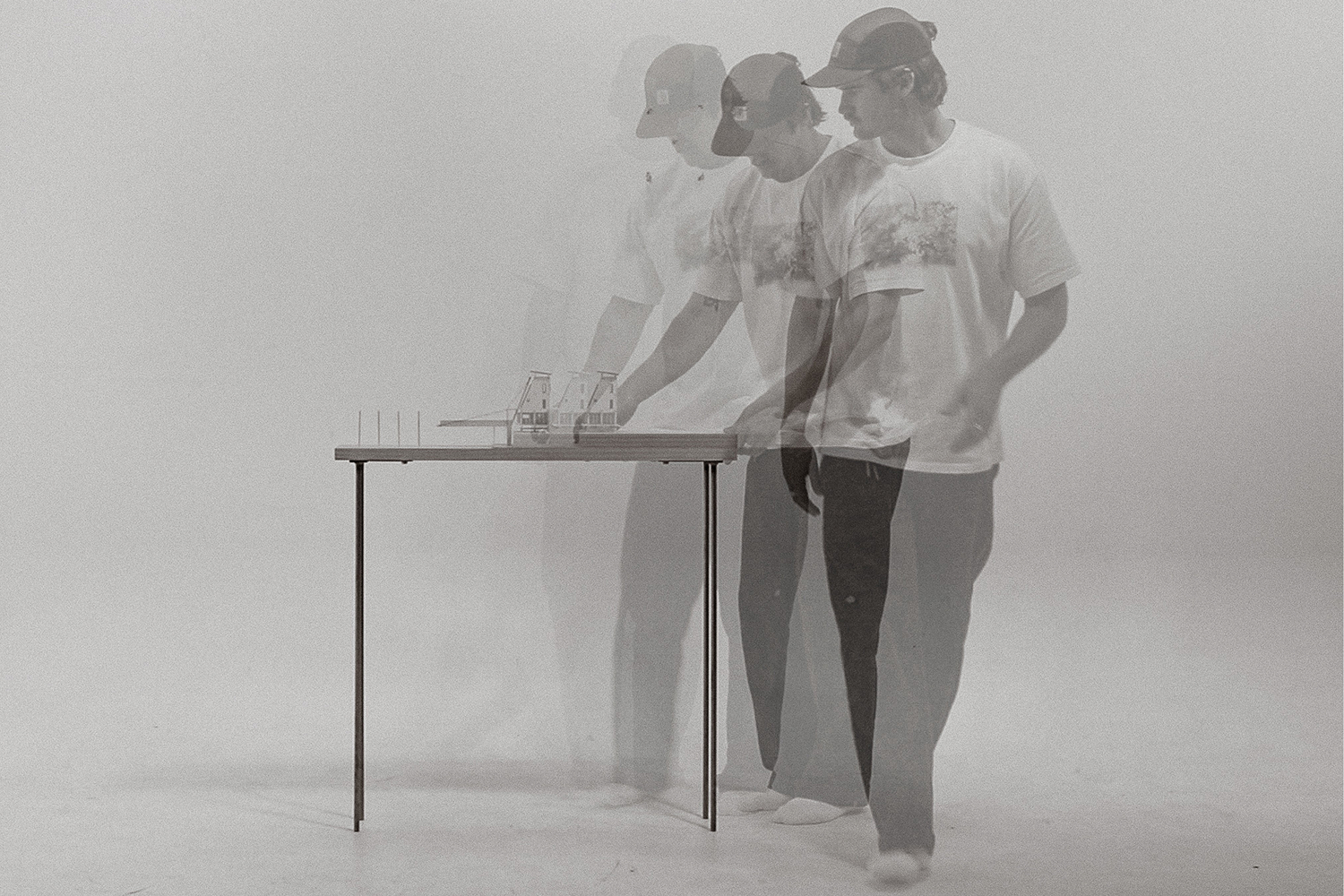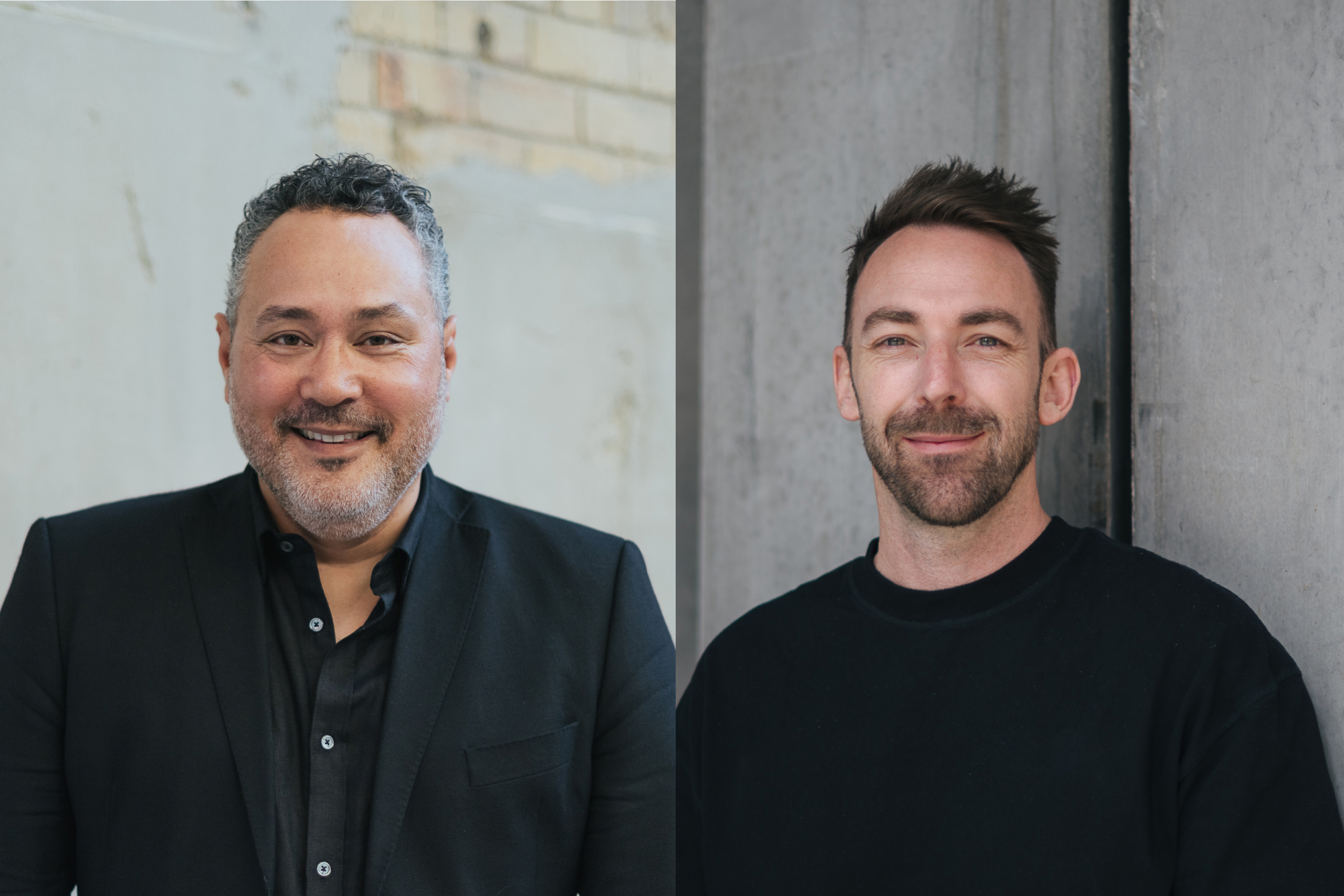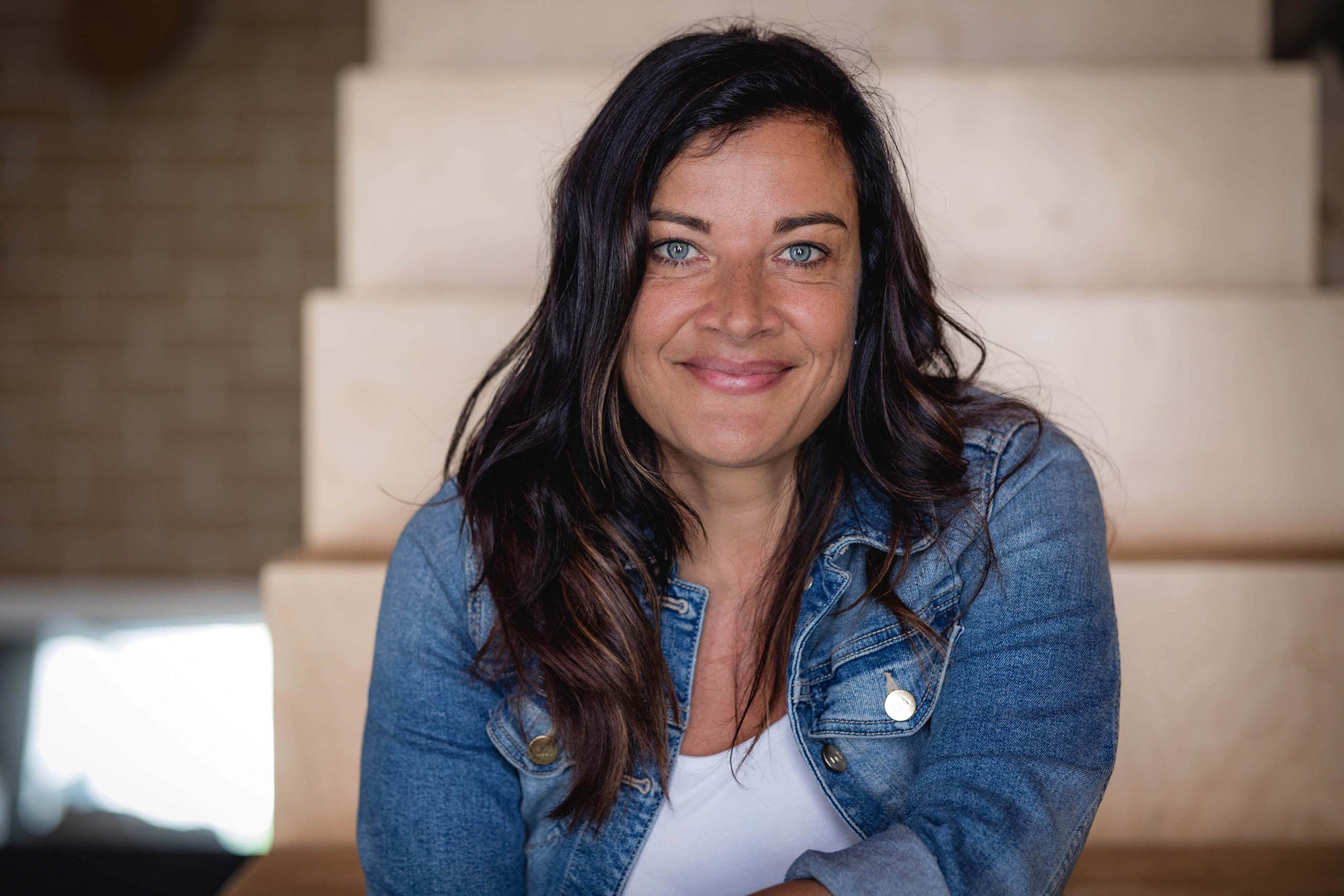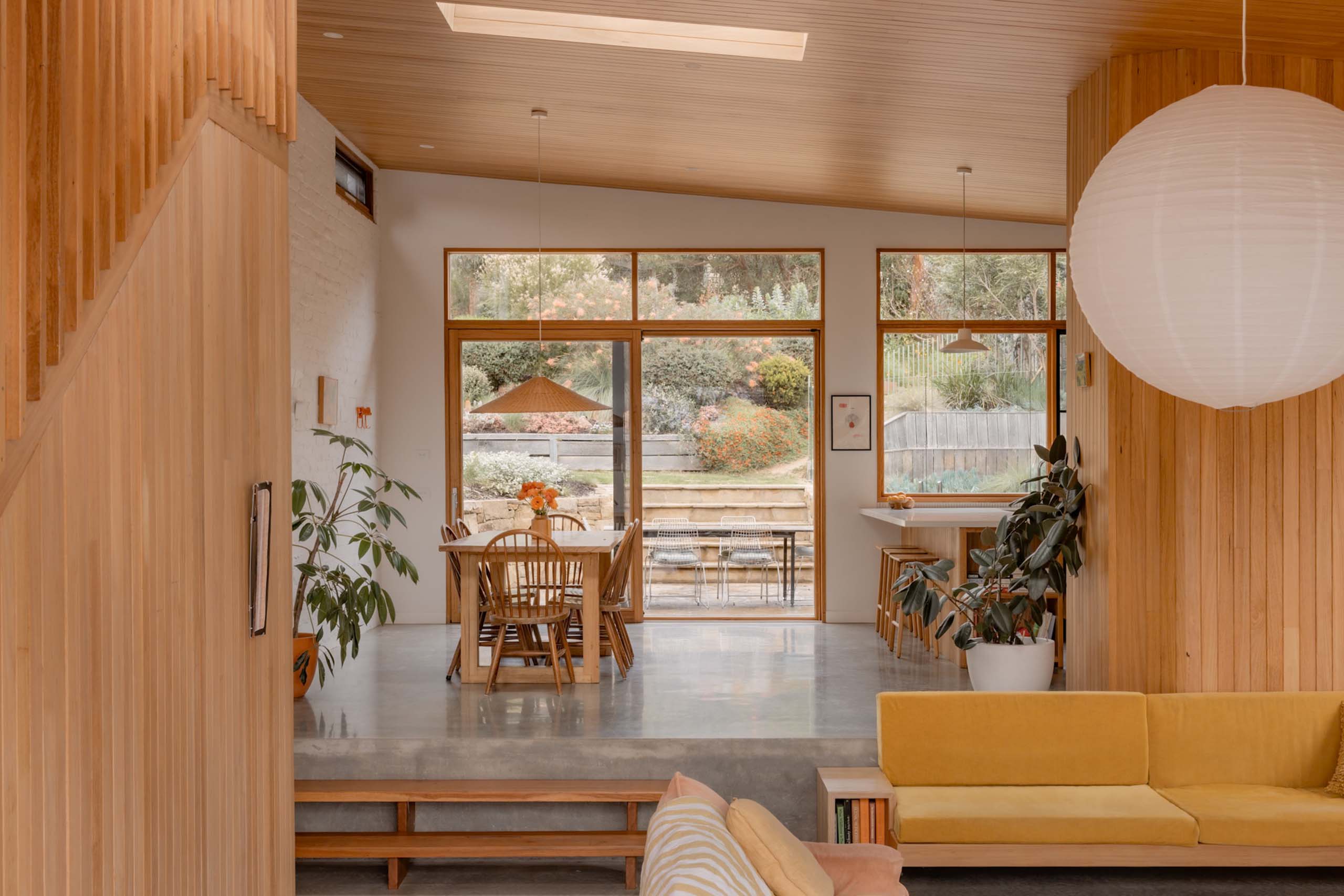
Integral to architecture and design is capturing the finished project through the lens and expert eye of the photographer. In the series The Photographers, we present those whose professional lives involve photographing all manner of commercial and residential architecture and design.
The photographers profiled are members of Image Makers Association Australia, an organisation that has partnered with the 2026 INDE.Awards in two categories, The Photographer – Commercial and The Photographer – Residential.
We explore what makes these photographers tick, how they began their careers and why they chose to pursue architecture and design as their focus, as well as finding out a little more about them and their craft.
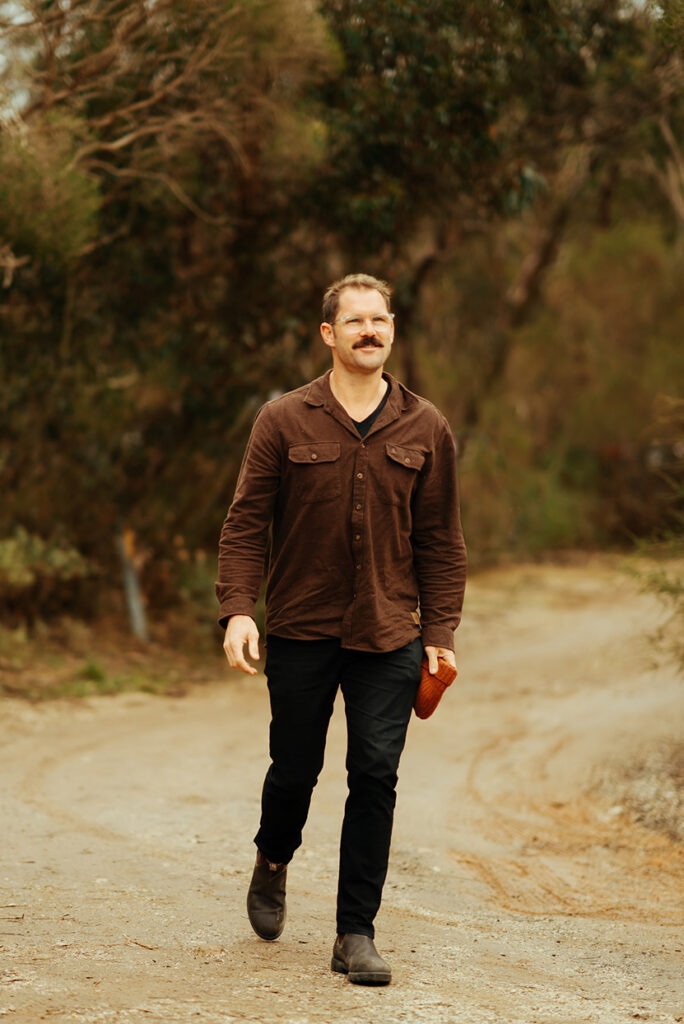
Today we profile Tony Evans.
How did you come to photography?
While on a hiatus from studying degrees I wasn’t particularly interested in, I did the classic backpacking trip through South-East Asia, India, Morocco and South America. I became obsessed with photography, even self-publishing a book of my travel photos that a few mates were kind enough to buy.
It took me a few years to make it my profession. I spent eight years working in the corporate world, focusing on environment and Indigenous policy, while shooting and editing photos in my spare time. Eventually the photography jobs became big enough that I could rely on it. It’s been over 10 years now and, while it’s never the most reliable occupation, I’m lucky to have a sustainable business and a loyal client base.
What do you most enjoy about your profession?
Working with people who understand the built world and how it interacts with light, and who trust me to show their work in the best way.
I also love the varying aspects of the job – each shoot is different in so many ways, which allows for opportunities to develop and push myself every time I head out the door.
Related: A titan of interior design
What drew you to focus on architecture and design?
I was actually accepted for entry to an architecture degree in 2003 and stupidly chose to study logistics instead! Sliding doors moment. Needless to say, I’m not still in logistics – although some of the skills surely come in handy when planning shoots…
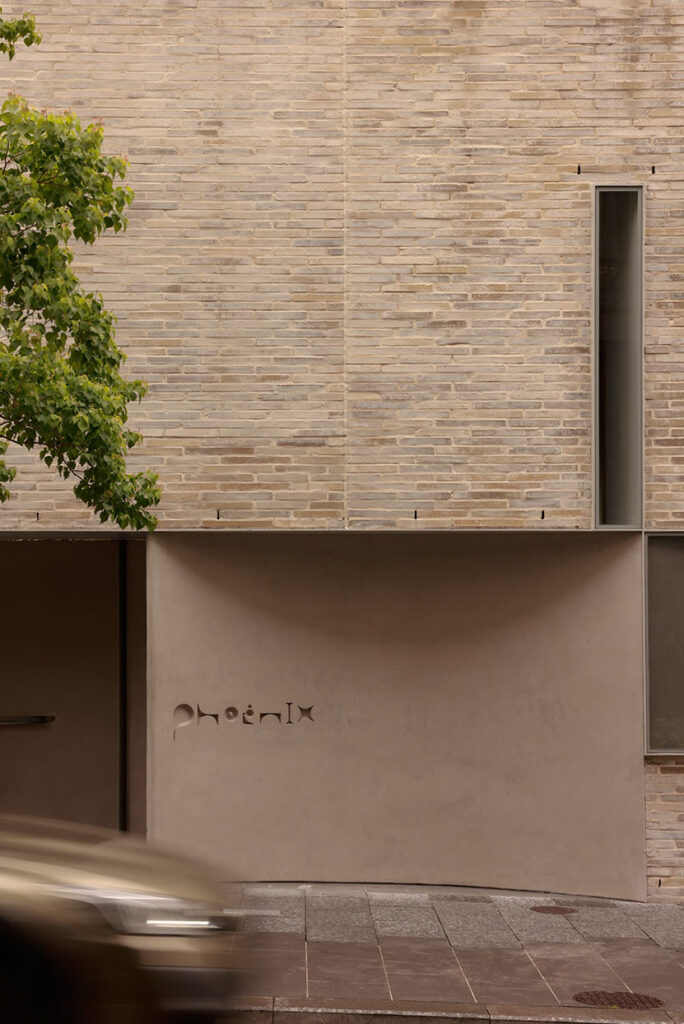
Photographing architecture and design allows me to scratch that itch, being consumed by the process of showing the work in the way the architects and designers intended.
How do you see the role of the photographer in architecture and design?
Taking the work of amazing architects, designers and builders and using that to tell the story of place.
Architects and designers don’t normally want a photographer who will show up and ask, “What shots do you want?” They tend to look for a fellow creative who comes with their own ideas about a space, about when certain areas should be shot and from which angle, but who is open to collaboration and feedback. Basically, don’t be a diva, but don’t be a button-clicker.
What is the most important aspect for you in capturing a project through the lens?
Light is always the most important aspect. Some spaces need soft light, while others come to life with sun streaming through. Knowing how to tell which is which, and then how to achieve that, is what I’m constantly striving for.
What is a usual day for you when you are on a shoot?
Depending on how early the shoot is, I’m either heading out for a surf or dropping the kids at school, then always getting a coffee for the drive.
Every shoot starts with a walk-around to see all the spaces and plan the shot list. While shooting during the day, I’m always keeping an eye out for unexpected light to make sure I can be flexible.
The end of the day is downloading my cards, backing them up, then backing them up again.
What equipment do you use? What is the most important item?
I shoot Canon. I think the most important item I have is the big waterproof case that gets my gear to and from shoots safely. It’s always nice to know everything is safe in there.
Are there other areas of photography that you pursue in your spare time?
I have shot weddings for the last 15 years, which is a really nice complement to architecture work, as the pace, style and energy are very different, but I love them both.
I love shooting my family life on film, either with a Leica Minilux or my ‘Texas Leica’, the Fujica GL 690.
I’ve also shot a lot of tourism campaigns and love a landscape shot – particularly drone coastal work.
What advice would you give to someone just commencing in the profession as an architecture and design photographer?
Find something in every shoot that fills your bucket. Some shoots don’t set your heart on fire, but that’s okay – just find one thing you can shoot that is for you. Often, if you share that with the client, they will also love it.
Who has inspired you in your photography career and why?
Bill Henson’s use of warm/cool, sharp/soft is always inspiring and Roger Deakins helps me to see light in a different way.
What is the most important thing that you have learnt so far on your journey as a photographer?
Sometimes doing that little extra thing for someone can have a butterfly effect. I’ve lost count of how many times I’ve been recommended to someone because of how I treat my clients. Basically, don’t be a d$%khead!
Do you have other pursuits or hobbies besides photography that you would like to share with us?
I love surfing and camping – anything outdoors fills my bucket.
I try to get to as many live music gigs as I can – there’s nothing like that feeling when a whole crowd moves together.
Tony Evans
tonyevansphoto.com.au