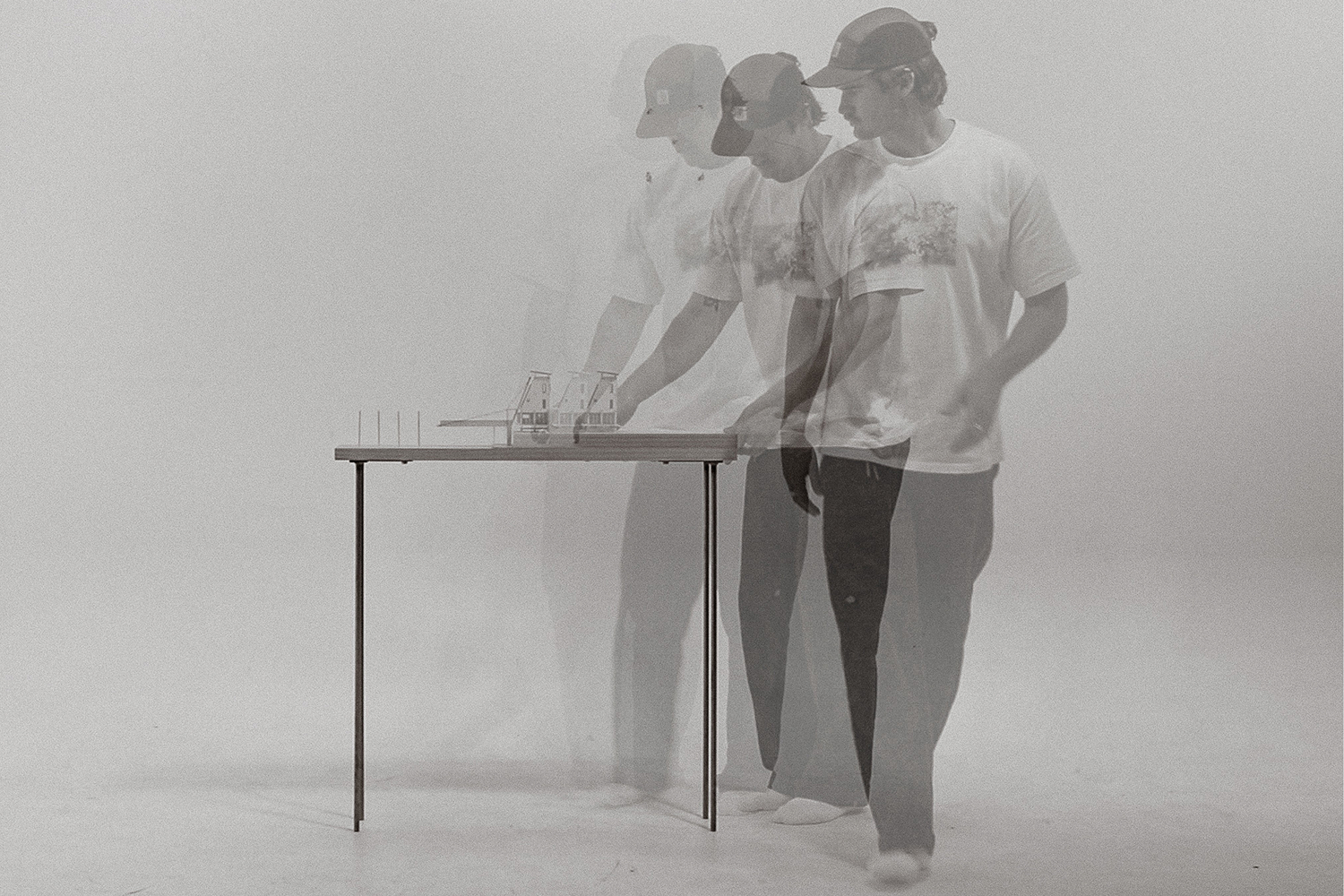
As Jeff Copolov steps down as Director of Bates Smart, his incredible contribution to interior design is here to stay.
There are many designers who make notable contributions to their profession, but there are only a few who help change the course of design and shape it for the better during their lifetime – and Jeff Copolov is one of those significant people.
Over a 40-plus-year career as an interior designer, Copolov has been instrumental in amplifying the status of interior design in Australia, ensuring his profession is viewed with respect by peers and clients alike. His good taste and sometimes theatrical design approach, love of Jugendstil and Scandinavian design and beautiful objects are inbuilt and have defined this designer and his craft over the past decades.
Appointed a Director of Bates Smart in 1995 – the first interior designer in the practice’s then 142-year history (now 173 years) – Copolov has seen his profession rise as an equal to architecture in public stature and the perception of interior designers elevated nationwide.
It was inevitable that Jeff Copolov would be involved with design in some shape or form; it was in his genes. His grandfather was an architect, maker and silversmith of note who lived in Vienna at the time of the Viennese Secession movement. His mother was a prominent and award-winning textile designer, while his father was a retailer and agent for Australian furniture companies.
Surrounded by design but unsure which career path to follow at the end of secondary school, Copolov enrolled at RMIT University to study interior design. Over the four-year course he enjoyed the diverse program, which also included a set design elective with the late, great Peter Corrigan. After graduating, the young designer found work experience, and later employment, with the public broadcaster ABC in set design. These were the heady days of live television with a production team of hundreds of creatives and Copolov learnt how to produce and deliver under pressure and to a deadline.
Related: Movers and shakers at SJB Melbourne
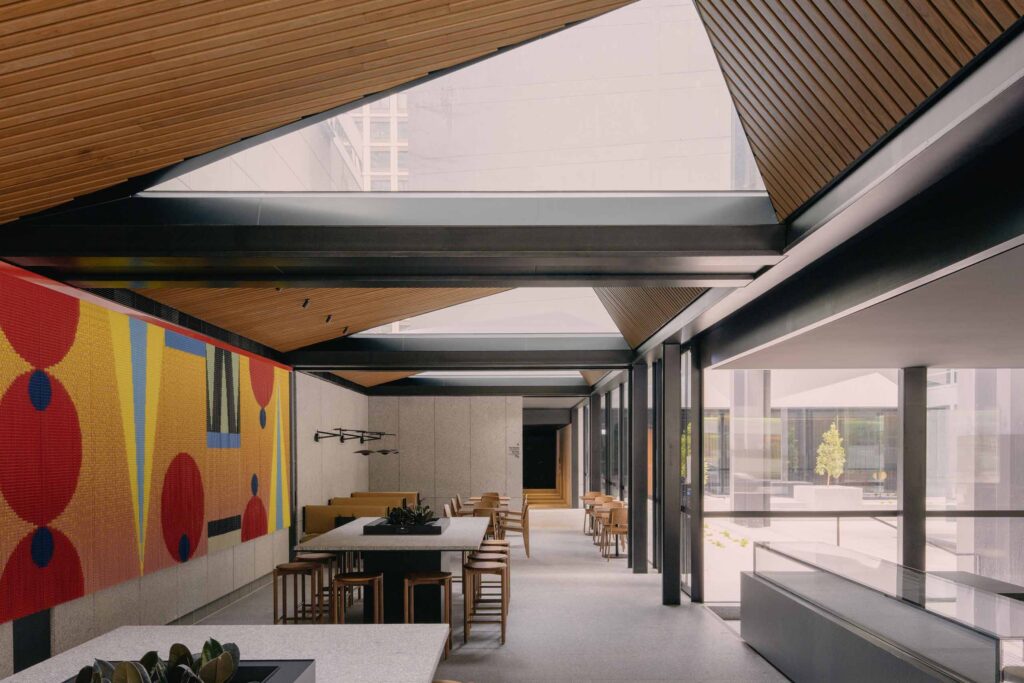
“I loved the collaborative process of set design, working with a diverse group of talented specialists, from directors, lighting designers, prop makers, scenic artists, carpenters and more, to achieve a common result, often with the added adrenalin of the super-tight deadlines that come with live broadcasts,” reflects Copolov.
After an RMIT student study tour to North America, guided by History of Architecture lecturer, the inimitable Joe Bradley, Copolov returned home and began work with GTV 9. He credits the time spent in television set design workshops with providing him an understanding that there are “a multitude of diverse individuals all with their own unique skills who go together to make a production” and that with onerous deadlines “the first idea is probably the best idea”.

Working in TV was demanding, with many in the industry experiencing burnout, and before this happened Copolov decided to establish his interior design career as a freelancer. While this was enjoyable, it didn’t always pay the bills and so he set about finding a new position. In 1983, he wrote letters seeking part-time work from the top architecture practices of the day and, serendipitously, he received an offer to work at Bates Smart McCutcheon (BSM). And so, the relationship between Jeff Copolov and BSM began.
In the early 1980s, interior designers were broadly thought of as decorators, brought to a project when it was nearing completion to attend to the aesthetics and finishes schedules. Copolov wanted a more holistic input and, while he was generally involved with commercial workplace fit-outs, he started to prove his worth. With the award-winning Price Waterhouse Centre in Melbourne, an architecture and interiors project completed in 1988, there was recognition of his integral involvement and that interior design could achieve more.
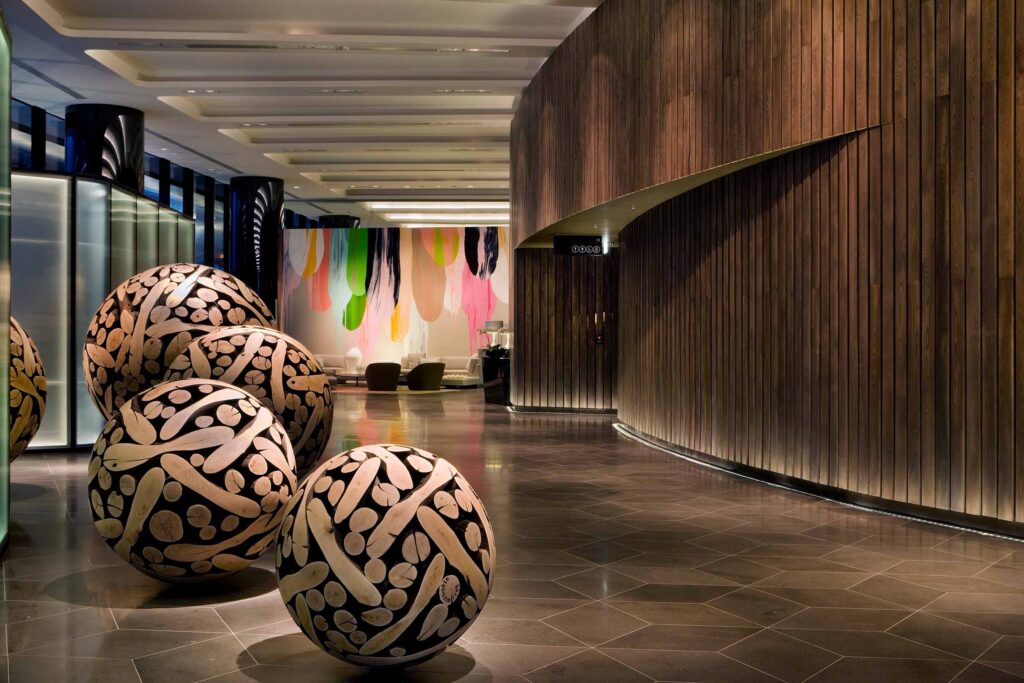
In 1989, Copolov decided to move to London and took a leave of absence from BSM, immediately finding work at Aukett Architects (now Aukett Swanke). After a few years he returned home and to BSM and shortly after commenced the most defining project of his career to date, Crown Entertainment Complex (Crown), in 1993.
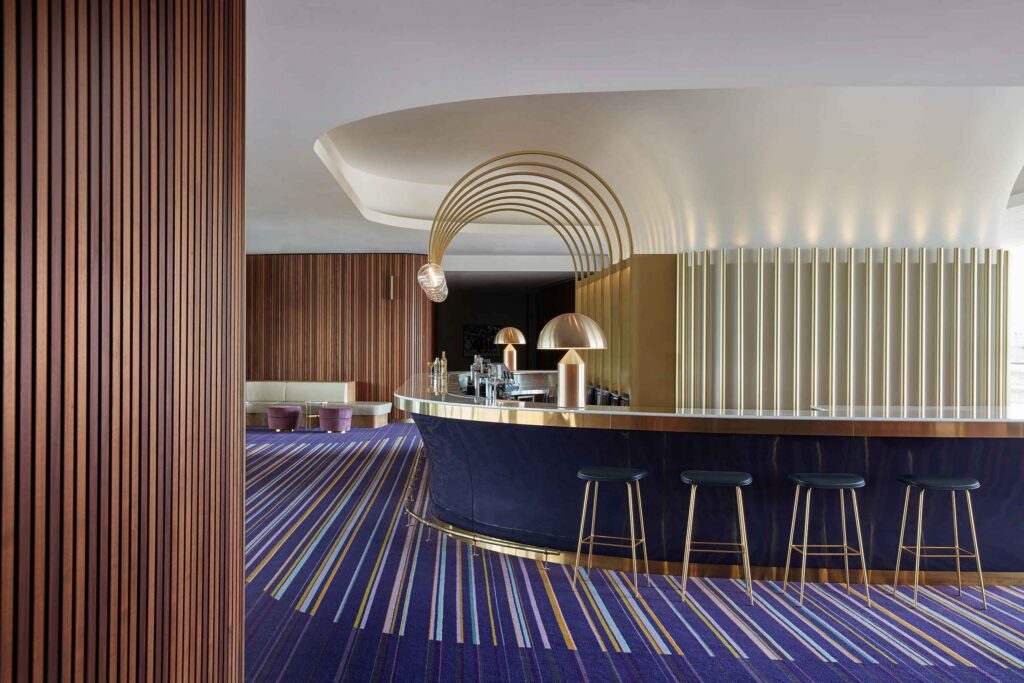
While Crown was an incredibly large and inspirational project for Copolov and BSM, along with collaborators Perrott Lyon Mathieson and Daryl Jackson, it was also a hotbed of creativity and a training ground for the next generation of exceptional young architects and designers such as Paul Hecker, Jackie Johnston, Kerry Phelan, Jan Eastwood and Kathie Hall. With a $1.5 billion budget and more than 200 architects and designers, the project comprised the design of a temporary casino within six months and the new design for Crown – 250,000 square metres of largely non-repetitive, detailed interiors. Subsequently, other projects followed with Crown Promenade and Crown Metropol hotels, plus projects in Sydney, Perth and abroad.
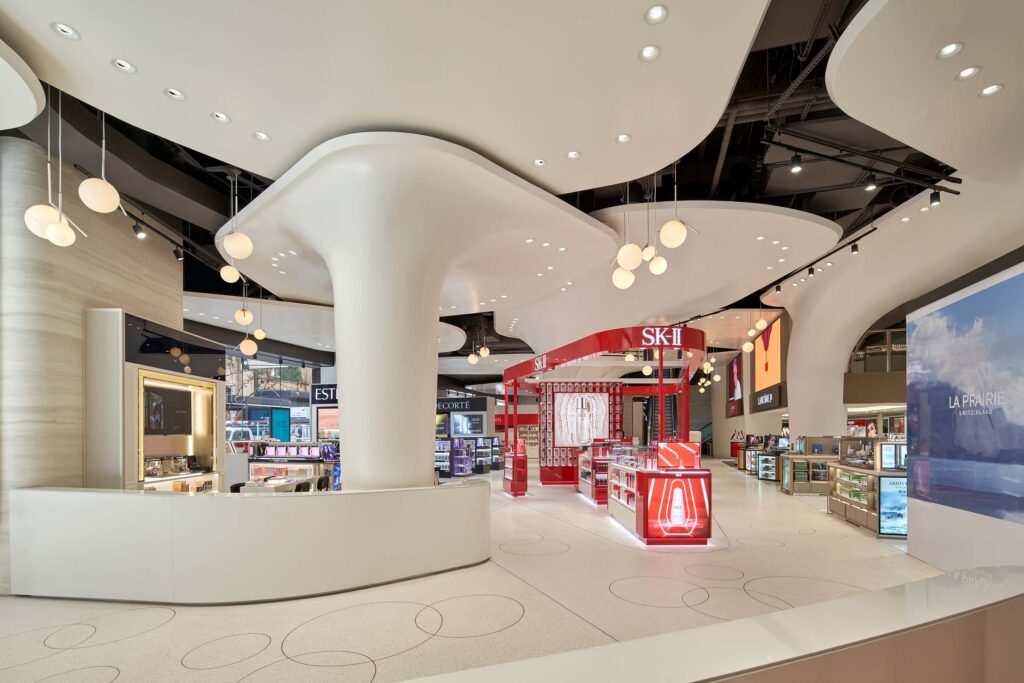
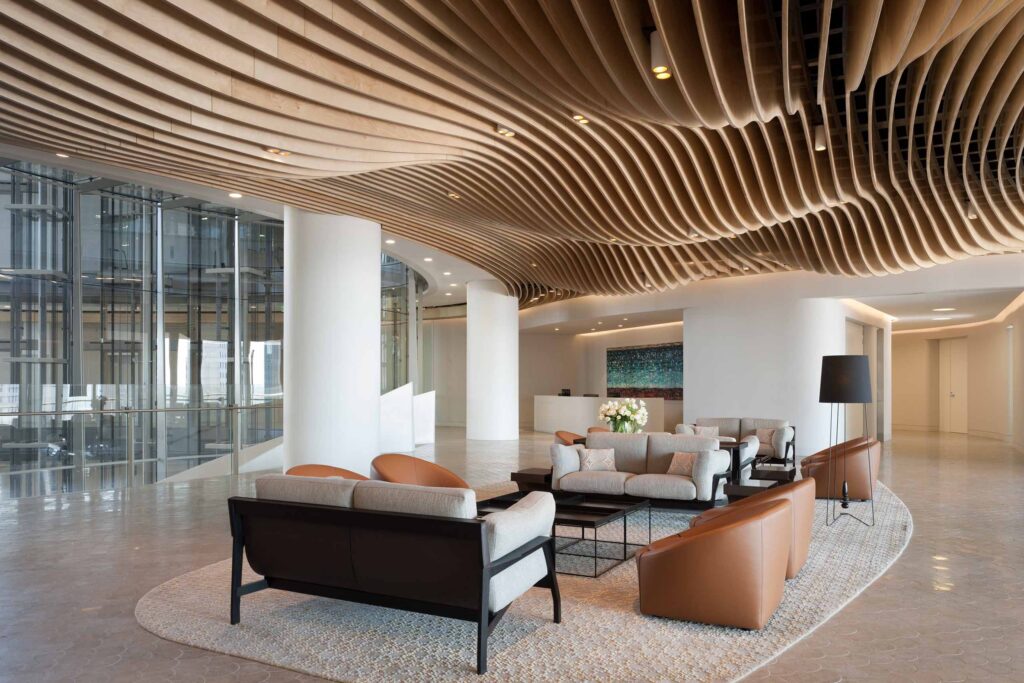
As lead interior designer on Crown, Copolov brought his multifaceted experience and a sophisticated European sensibility to the design that ensured Crown was a success, much to the delight of the development consortium led by Lloyd Williams.
Copolov explains, “Crown was an extraordinarily intensive roller-coaster ride, working almost without budget on an incredibly broad range of lavish interior types with the common theme of meticulous attention to quality and detail. Virtually everything was custom designed, from rugs and carpets, light fixtures, furniture and plaster profiles, down to doors and tap hardware – the lot! The joy came from collaborating with a hugely talented design team, in those days local tradespeople and artisans, and the standout was that it was all beautifully built and done locally.”
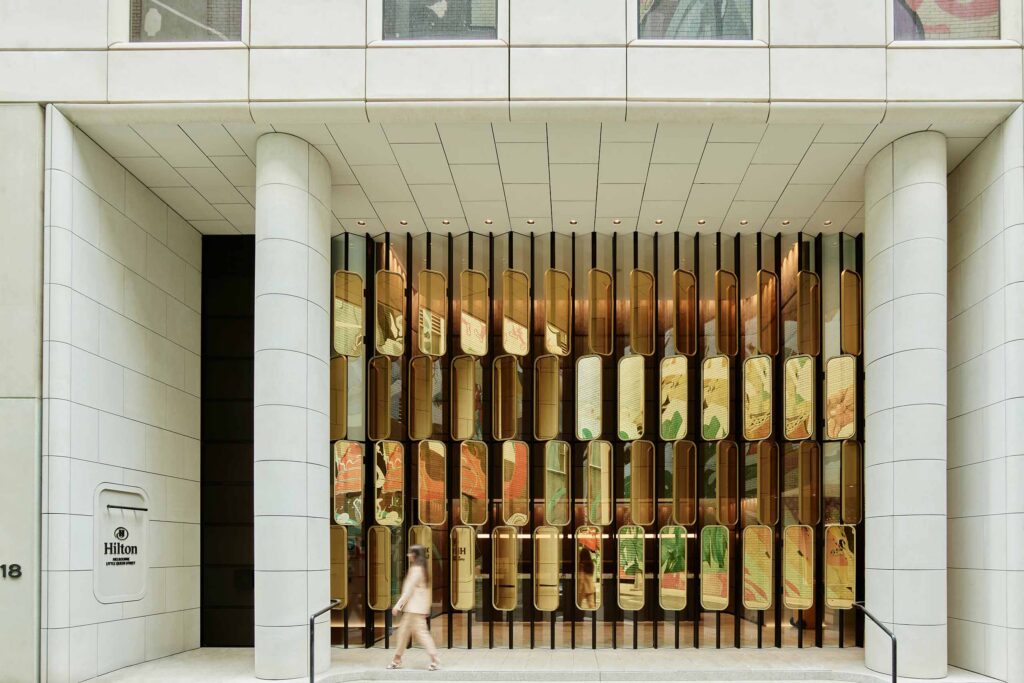
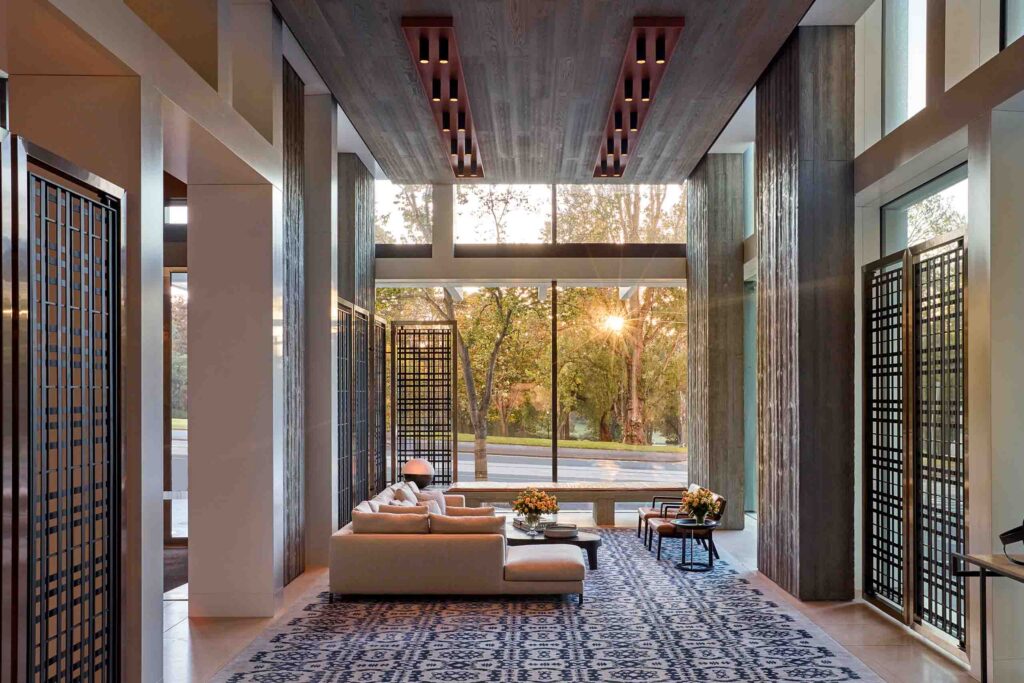
Over the years and hundreds of completed projects Copolov has undertaken, there have been many milestones, such as The Melburnian with Mirvac, which was one of the first forays by Bates Smart into the high-end luxury residential market, followed by 35 Spring Street, The Eastbourne and 17 Spring Street, the groundbreaking Royal Children’s Hospital and Victoria Racing Club’s The Club Stand at Flemington, to name but a few.
What was once a studio that focused predominantly on commercial projects, Bates Smart (BS), as it was renamed in 1995, was now designing across the sectors of luxury single and multi-residential, hospitality, health and workplace, moving the practice into a new era. Contributing to this renewal was Copolov and his support in opening a Sydney studio that further extended the reach of Bates Smart and, more recently, the opening of a Brisbane studio.
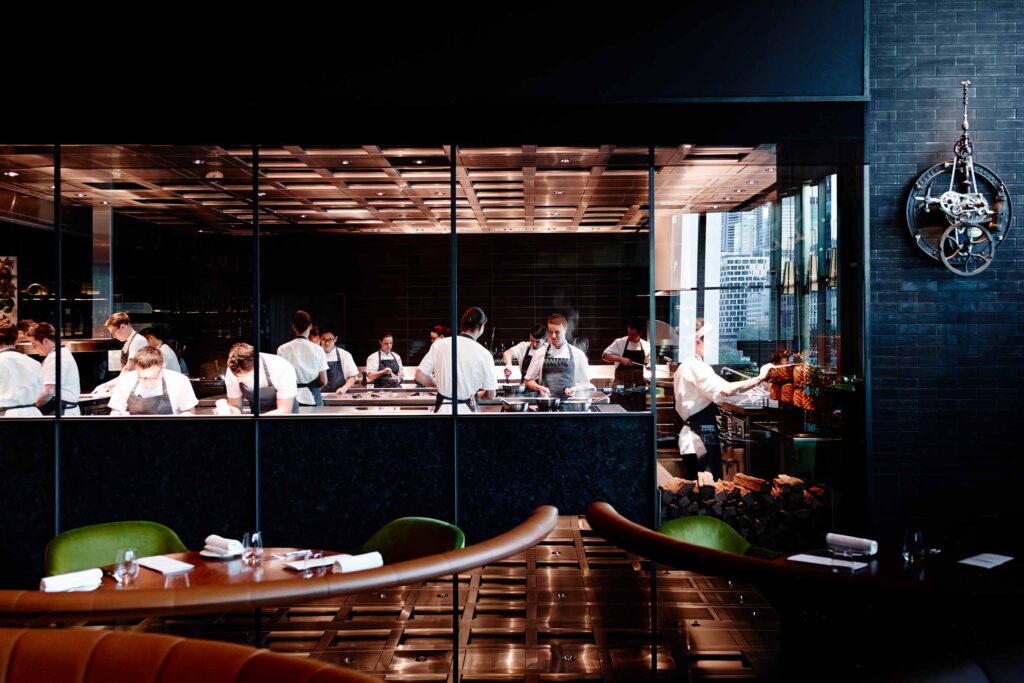
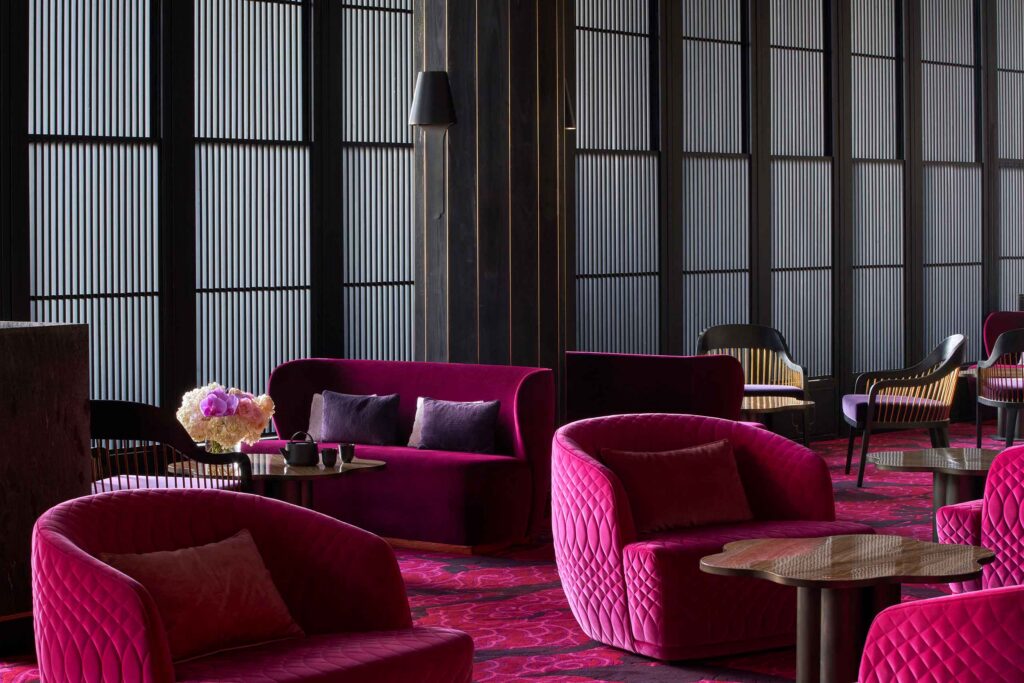
Of course, Jeff Copolov’s incredible career was supported by great mentors such as Paul Cleveland at the ABC, Roger Poole and Llew Morgan at BSM, and there were many learnings from colleagues, but his prodigious talent marked him as singular from the start.
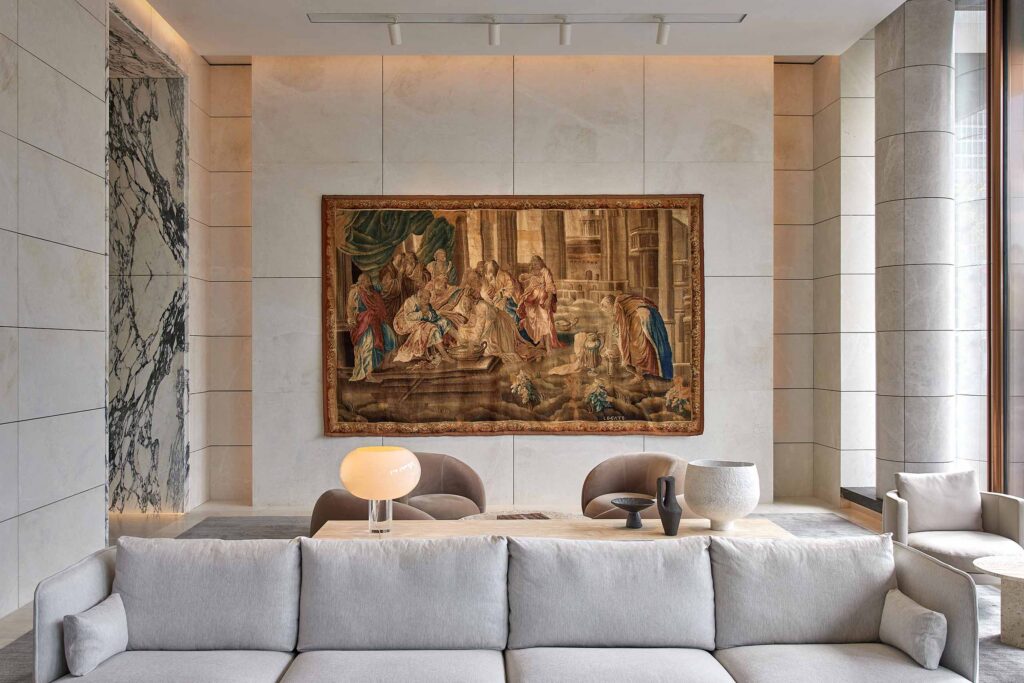
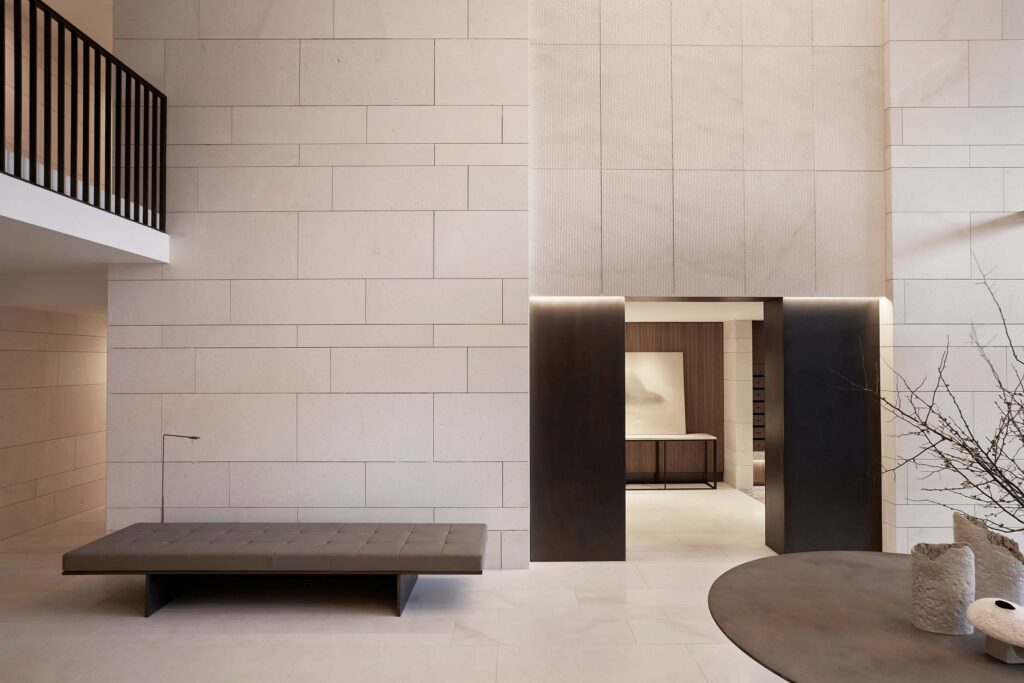
One of the final projects Copolov recently completed is the modernist icon 140 William Street (BHP House), where custom-designed elements, art and craftsmanship are at the forefront in bringing the heritage building back to a reimagined and respectful glory. A fitting commission to close a remarkable career.
“I have been blessed to have worked for a remarkable and prestigious practice synonymous with the built history of my home city of Melbourne; alongside exceptionally talented colleagues and with the privilege of working on a diverse range of extraordinary projects of the highest calibre by trusting and visionary clients,” comments Copolov.
Copolov is humble and funny, a great storyteller and an engaging human. However, his lifelong championing of interior design and the reputation and values he represents have been an incalculable addition to the profession, where he has paved the way for the next generation.
While Jeff Copolov steps down from his role at Bates Smart, he has left an enduring legacy, and the talent and passion that have taken him to the top of his profession are sure to enrich the next chapter of his life. In the meantime, Jeff – enjoy a well-deserved break and know that you have touched the design landscape of Australia and beyond, and the exceptional results speak for themselves.
Bates Smart
batessmart.com