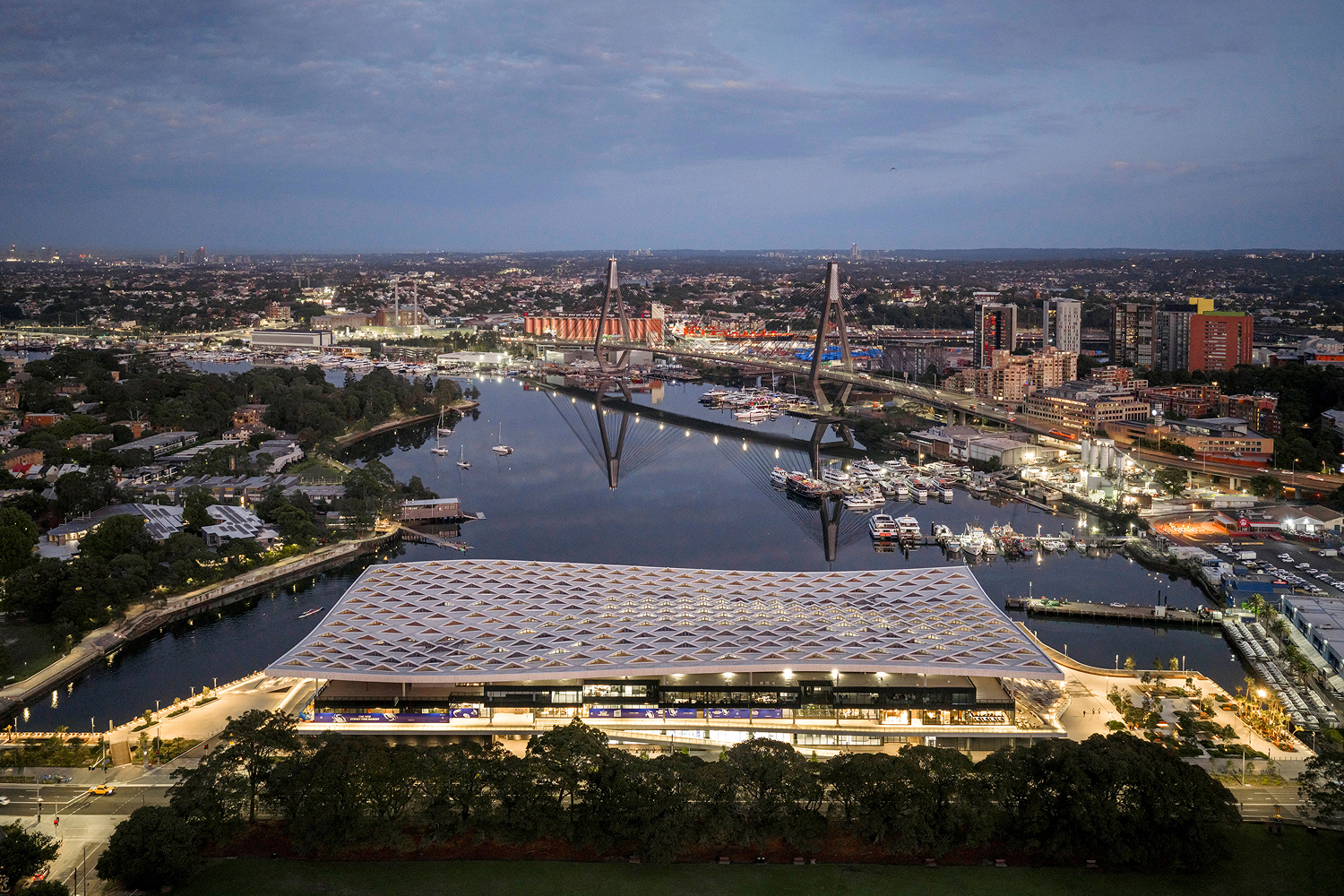
Healthcare architecture is about more than the spaces in which treatment takes place. It can influence how people feel, connect and recover. At Peninsula University Hospital in Victoria, Bates Smart and Architectus have embraced this responsibility, creating a revitalised public health campus that draws on the natural and cultural identity of the Mornington Peninsula to support a more holistic understanding of wellbeing.
Recognised as The Health & Wellbeing Space Winner at the INDE.Awards 2026, the hospital redevelopment represents a significant investment in the region’s healthcare infrastructure. A new 12-level clinical tower connects with existing facilities, delivering 130 additional beds, 15 new operating theatres and expanded mental health and oncology services. Yet beyond its clinical capacity, the project demonstrates how architecture and design can shape a more welcoming, inclusive and restorative healthcare environment.
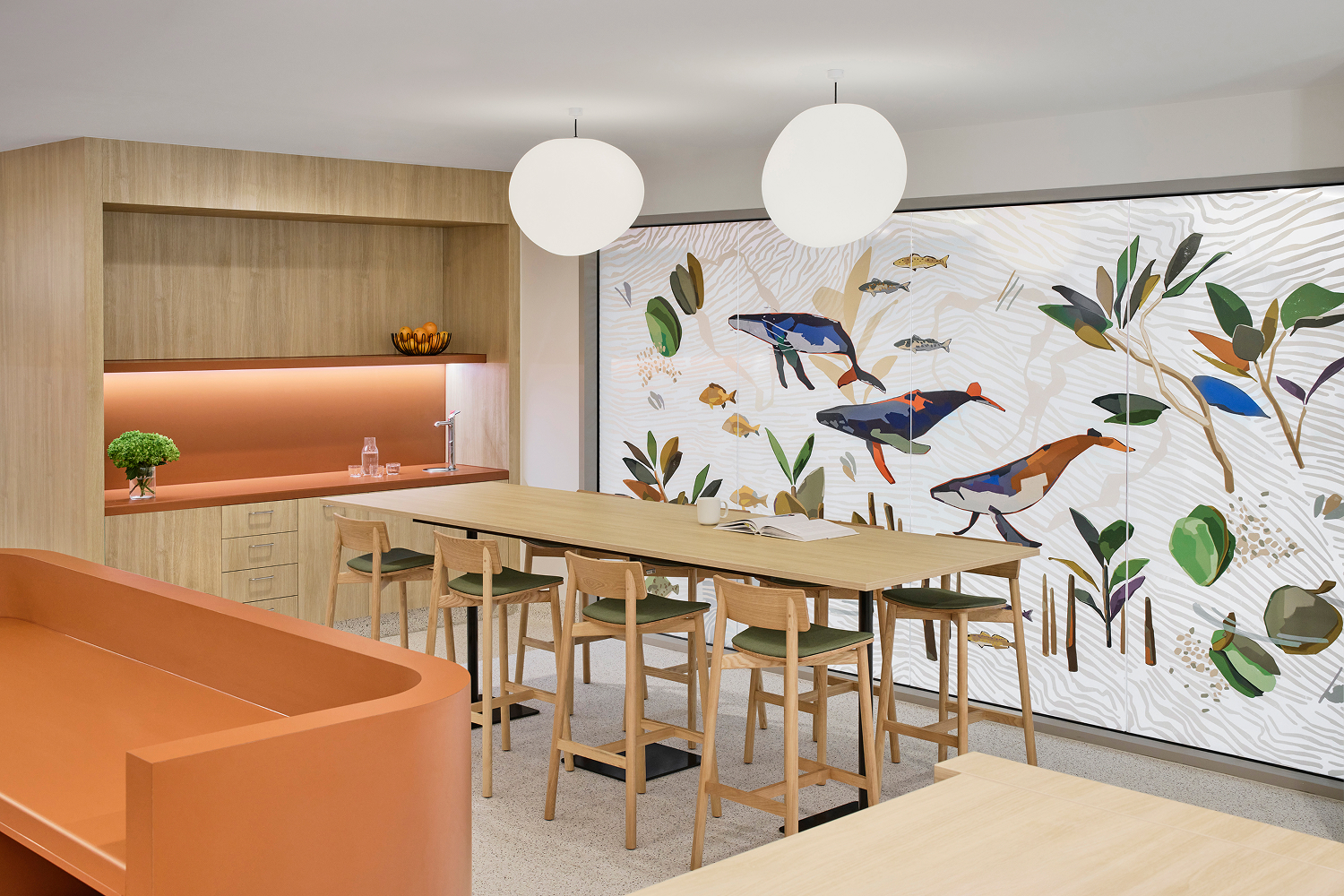
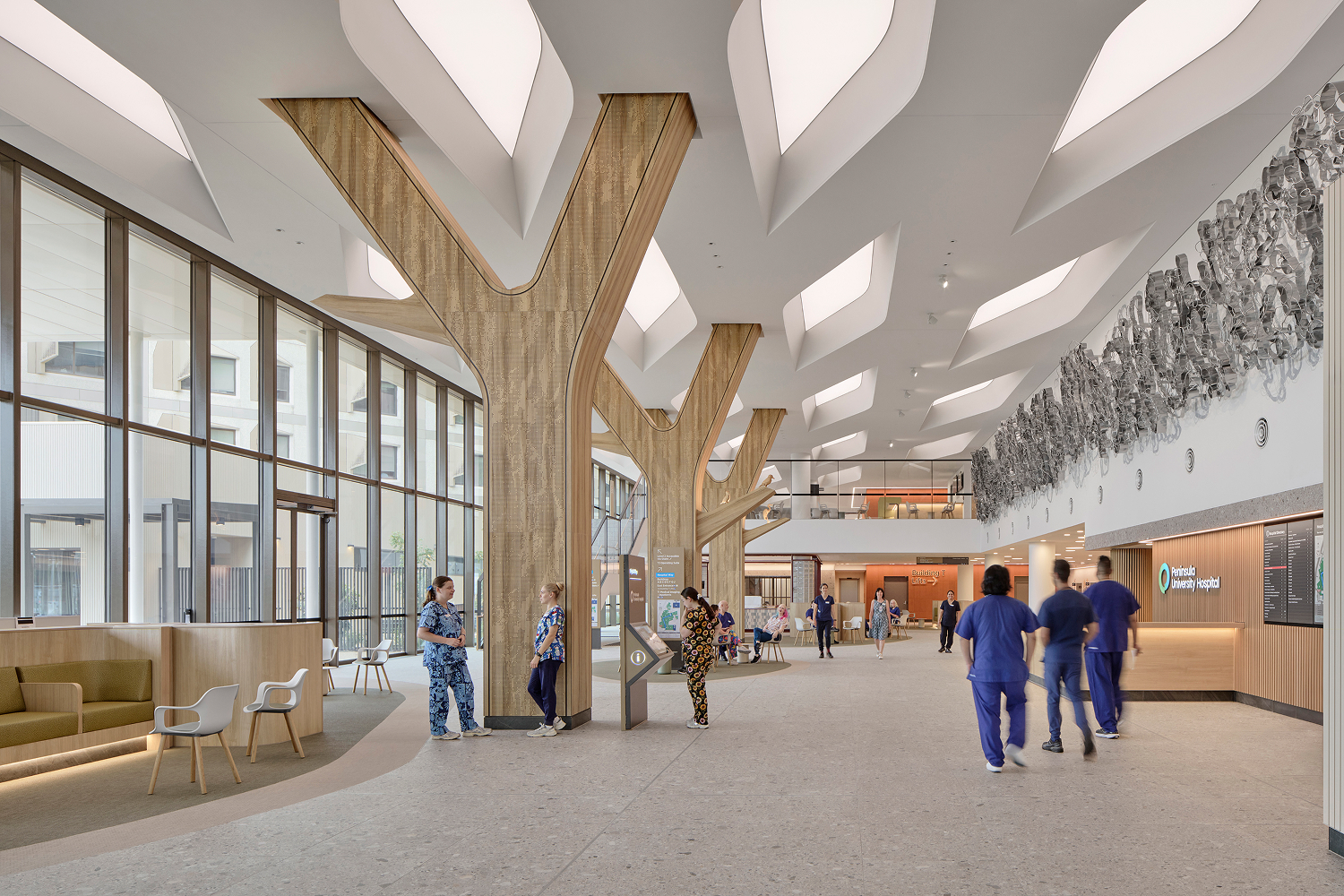
Central to the design is the guiding principle of Healing Country, Healing People, developed in collaboration with the Bunurong Land Council Aboriginal Corporation and Greenshoot Consulting. This philosophy recognises the interconnected relationship between individual wellbeing, the health of Country and the broader community. Rather than existing as a standalone concept, it informs the hospital’s architectural language, landscape, graphics and integrated art strategy. The result is a series of contextual spaces that acknowledge cultural identity while encouraging a deeper awareness of the relationship between people and place.
The Mornington Peninsula’s distinctive coastal landscape provides another important influence. Drawing inspiration from the movement between ocean and coastal cliffs, the building’s façade references the transition from water to land as it rises. This connection to the surrounding environment grounds the substantial redevelopment in its local context, establishing an architectural identity that reflects the character of the region it serves. Within the hospital, careful consideration of orientation, natural light and views creates opportunities for visual connection to the outdoors. Generous internal courtyards, balconies and dedicated spaces for respite offer patients, visitors and staff moments of pause within an otherwise demanding clinical setting.
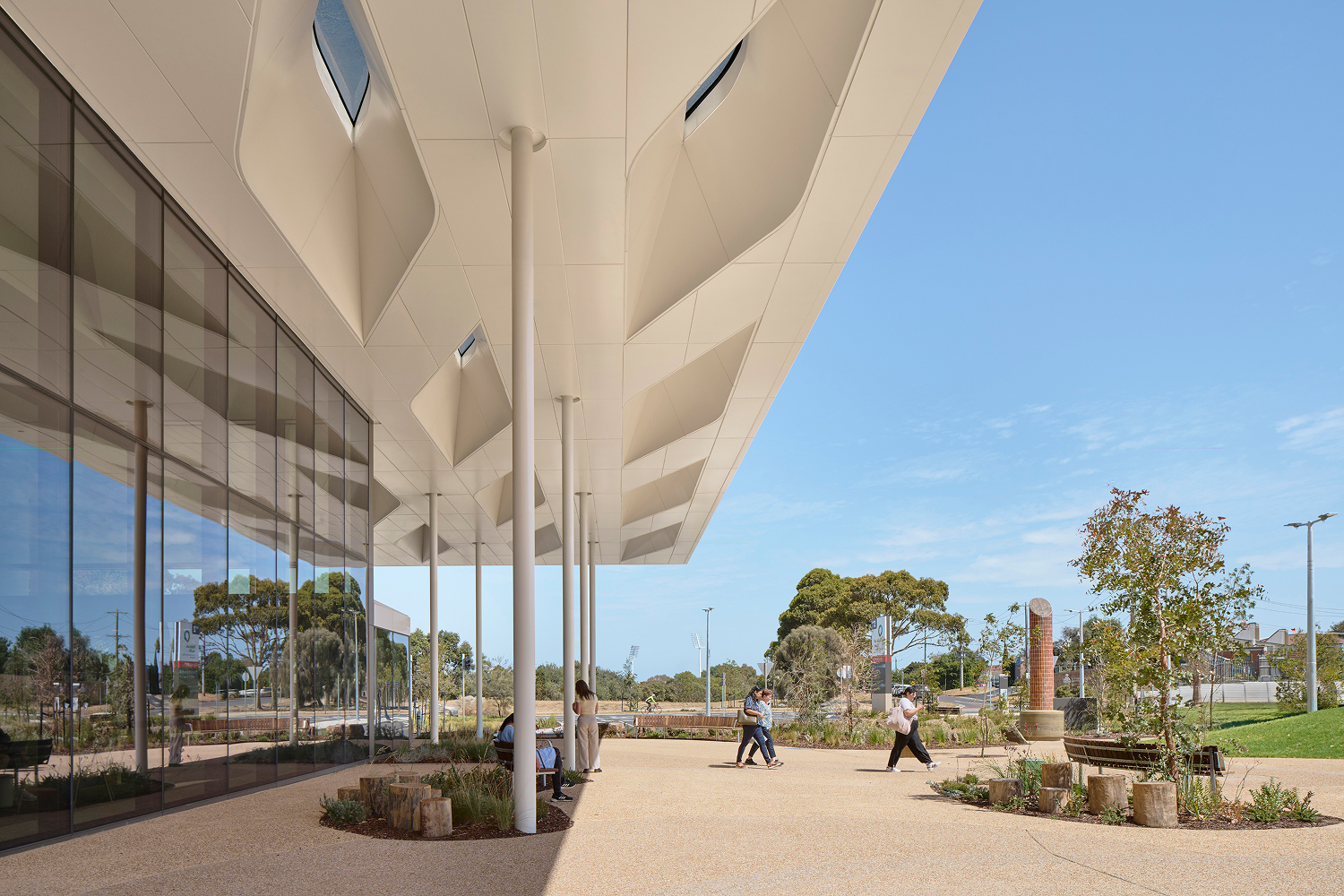
Through this considered approach, Bates Smart and Architectus demonstrate that the quality of a healthcare environment extends beyond its functional performance. Peninsula University Hospital brings together clinical infrastructure, cultural understanding and human experience, positioning connection to Country and community as integral to contemporary healthcare design. Its recognition at the INDE.Awards 2026, as the winner of The Health & Wellbeing Space category, partnered by Hästens, reflects the importance of designing environments that support wellbeing on multiple levels.
As the INDE.Awards continues to celebrate excellence in architecture and design across the Indo-Pacific, entries for the 2027 INDE.Awards will open in the coming months, inviting the region’s design community to share projects shaping the future of the built environment.
Photography
Peter Clarke