Trends in design come and go, almost as quickly as they do in food. In a time where a unique experience is celebrated, more often than not, I find I really just want something familiar, comfortable and relaxed.
After recently returning to Sydney to live, I’ve felt a nostalgia for past times spent here. In a city that is constantly changing, where new eateries pop up almost weekly, I’m still going back to dine at the places I know and love. Is that a sign of my dwindling adventurous self, or a refinement of my taste?
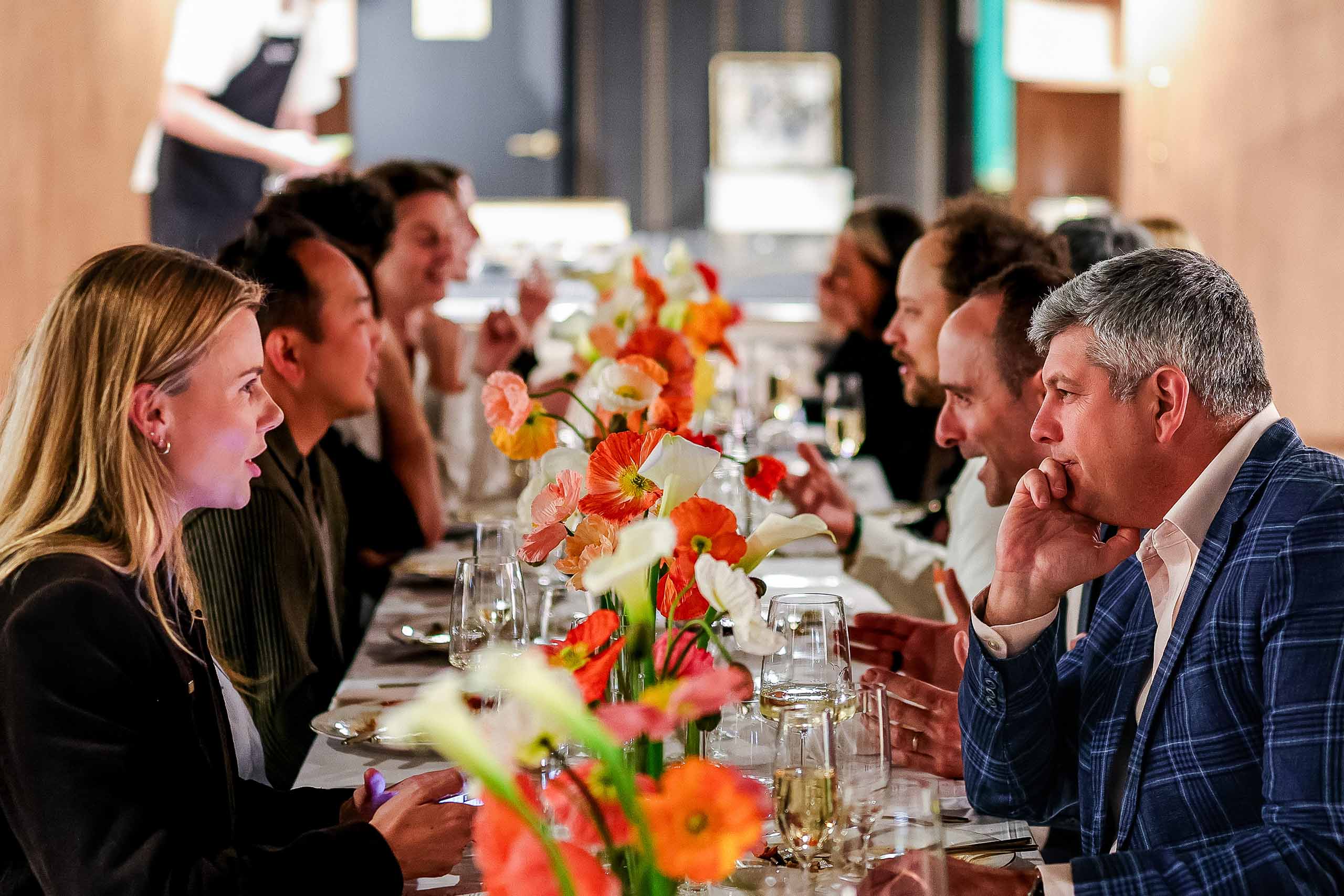
A few years ago there was this cookie cutter look that was stylish, cool and easy to produce (sparse, exposed bricks, steel beams, etcetera.) But it feels like there’s a shift towards making the places we eat and drink feel more homey (not homely), warm and imbued with a sense of character. The best venues feel comfortable, laid-back and reflect the people behind the business, giving the customer experience a human touch.
These ideas beg the question, how do you design something that feels ‘local’? Which is to say, how do you design a place which is an extension of your home, and to which you want to return to on a regular basis?
.
The best venues feel comfortable, laid-back and reflect the people behind the business, giving the customer experience a human touch.
.
As the hospitality themed issue of Indesign magazine, The ‘Design Relish’ Issue, hits shelves and mailboxes we’ll be unpacking some of the more unconventional viewpoints within the hospitality space. Over the course of the next few months, we’ll be seeking design that comforts, rather than challenges, and we think that is something to relish.
For example, look out for a chat with two front-of-house pros about designing for staff and patron satisfaction, which was a discussion brought to life during a FRONT seminar.
.
How do you design something that feels ‘local’? Which is to say, how do you design a place which is an extension of your home, and to which you want to return to on a regular basis?
.
There will also be profiles on three exceptional designers who are lighting up the hospitality design sector. These are interior architects who have established their own practices in the last few years and are designing striking new venues across the country – from Melbourne to Perth.
In the mix, we will also take a look at two highly anticipated restaurants that have recently opened within boutique hotels. These hotspots are bringing hyper-local chefs to visitors, but are also making these hotels feel like places in which locals want to hang out. It’s a new approach that filters down into the design of the spaces. They’re championing an idea that the ultimate comfort starts (and maybe ends) at home, even if it is a luxurious hotel version of it.
In the meantime, if you have projects or ideas that feedback into this theme we want to know. Drop us a line at editorialteam@indesign.com.au.
Read our stories relating back to The ‘Design Relish’ Issue, or grab a copy of the magazine here.