The home of architecture and design in the Asia-Pacific
Get the latest design news direct to your inbox!

Get the latest design news direct to your inbox!
McGregor Coxall’s Lizard Log Parklands balances a sustainable and sensitive response to a rural woodland site. Elana Castle reports on the robust, high-end outcome.
July 5th, 2013
Lizard Log Parklands, designed by McGregor Coxall, is the first built project for the new Western Sydney Parklands Trust. The brief – a variety of parkland facilities – required a design that would cater to the local demographic as well as develop the objective of the parklands as a whole.

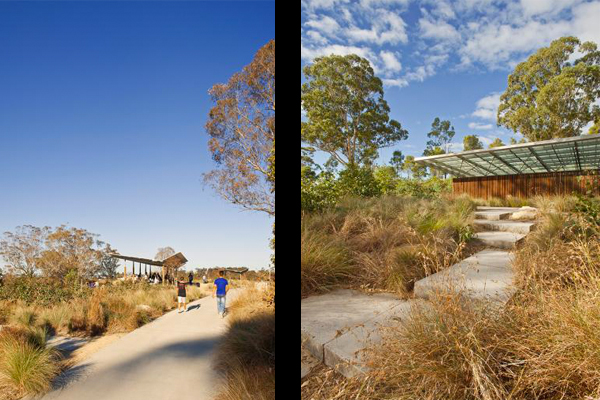
“The design had to reflect the Trust’s environmental agenda, though self-sustainable design which could deliver a robust value-for-money project,” explains McGregor Coxall director, Philip Coxall. “Lizard log aspires to challenge this trend, providing sustainable response to high quality public space where water, energy and materials are seen as key components of the design’s expression.”
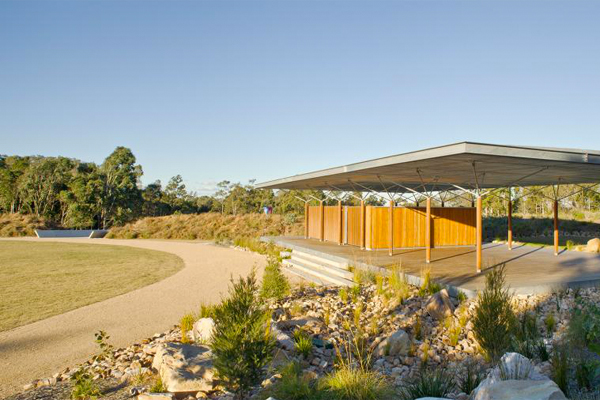
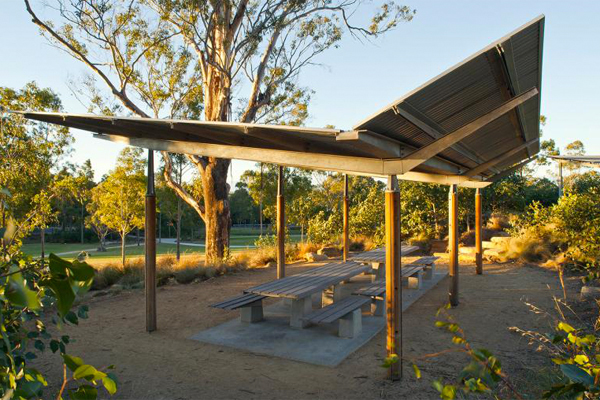
The parklands includes the development of an events space, upgraded and extended toilet blocks, BBQ and picnic facilities, redevelopment of the children’s play area, an access bridge and the addition of a new car park.
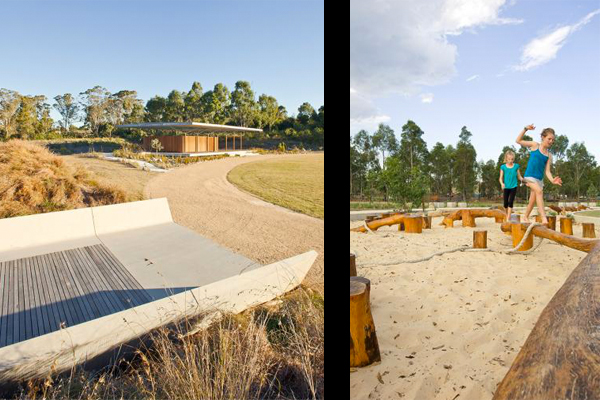
“The project had to be durable and respond to the central concept of water scarcity on a modest budget,” continues Coxall. “This involved integrating water reuse by designing swells and custom concrete elements such as water spout wheel stops, which would integrate the car park and park run off with the existing onsite dam infrastructure, naturally filtering and allowing for onsite water reuse.” The project’s green credentials extend to solar power power generation, dam water toilet flushing systems and grey water irrigation use.
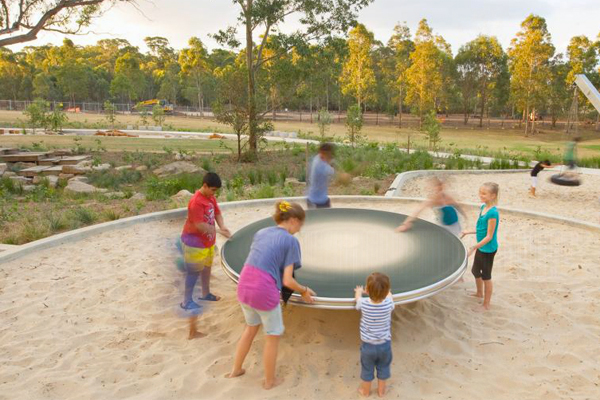
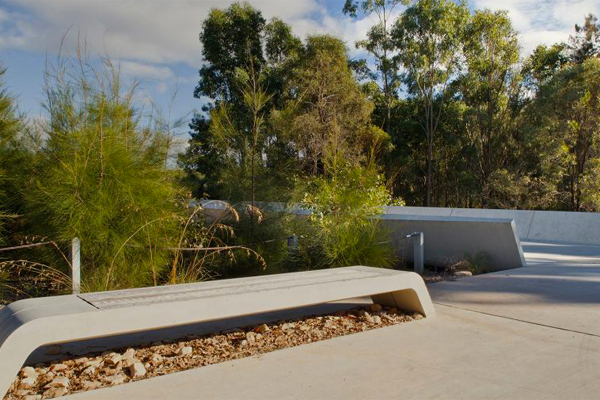
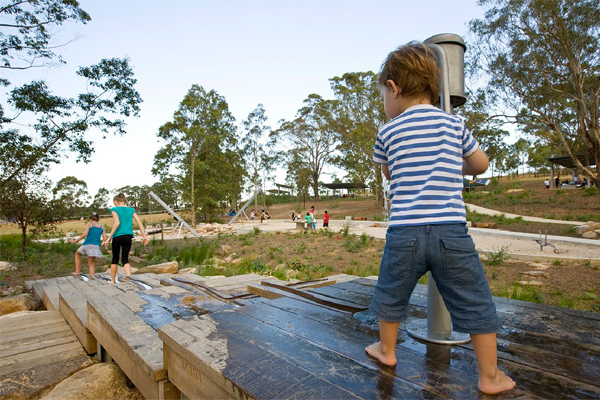
McGregor Coxall’s design also features interconnected pedestrian and cycling pathway formations, timber playground elements crafted from dead trees felled on site, recycled rope recycled from the decommissioned HMAS Adelaide and a children’s play pump and water course system featuring recycled water usage.
McGregor Coxall
Western Sydney Parklands Trust
Images © Simon Wood
INDESIGN is on instagram
Follow @indesignlive
A searchable and comprehensive guide for specifying leading products and their suppliers
Keep up to date with the latest and greatest from our industry BFF's!
The internet never sleeps! Here's the stuff you might have missed