The home of architecture and design in the Asia-Pacific
Get the latest design news direct to your inbox!

Get the latest design news direct to your inbox!
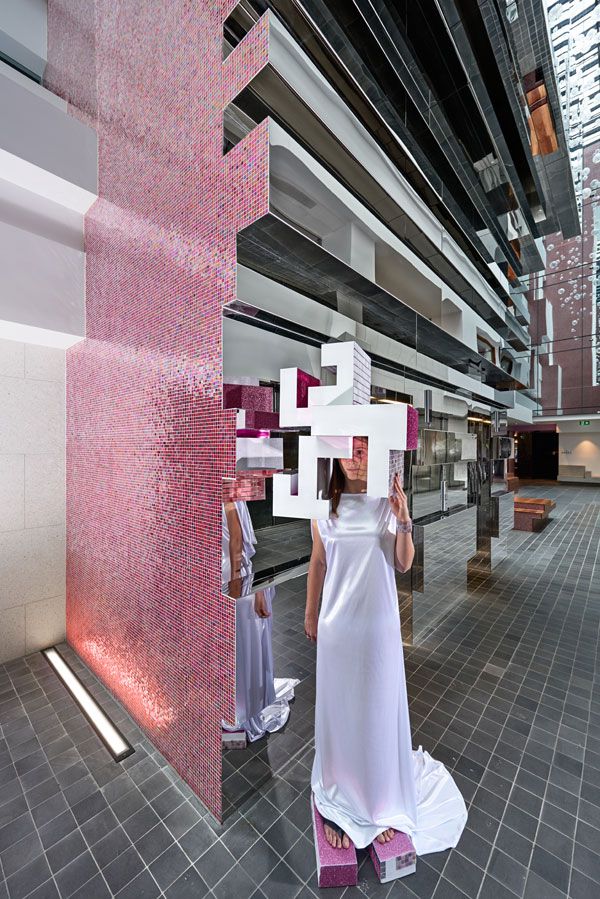
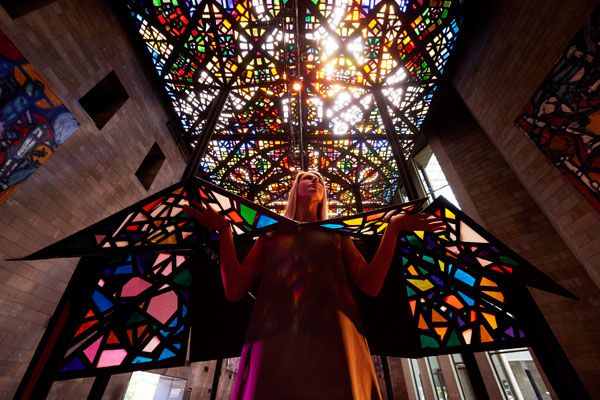
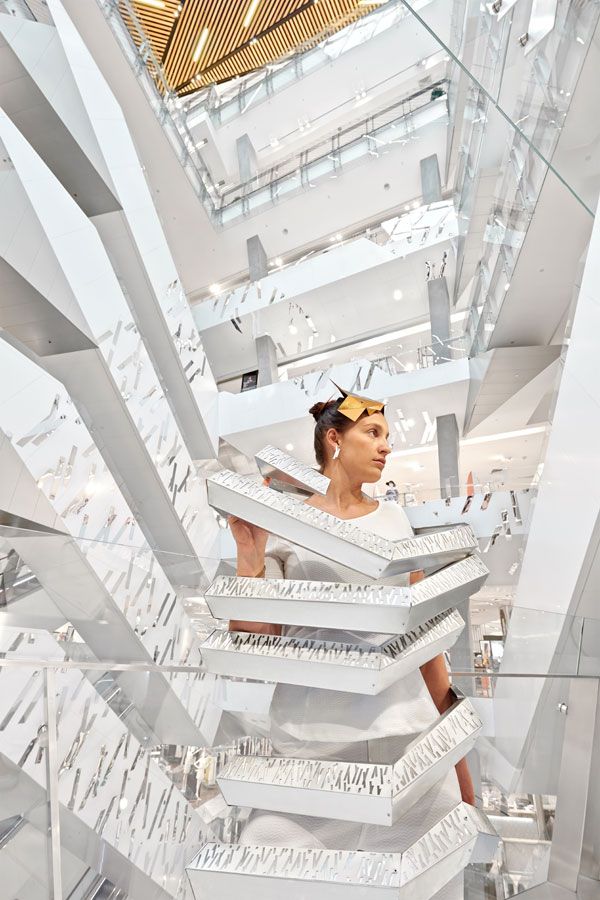
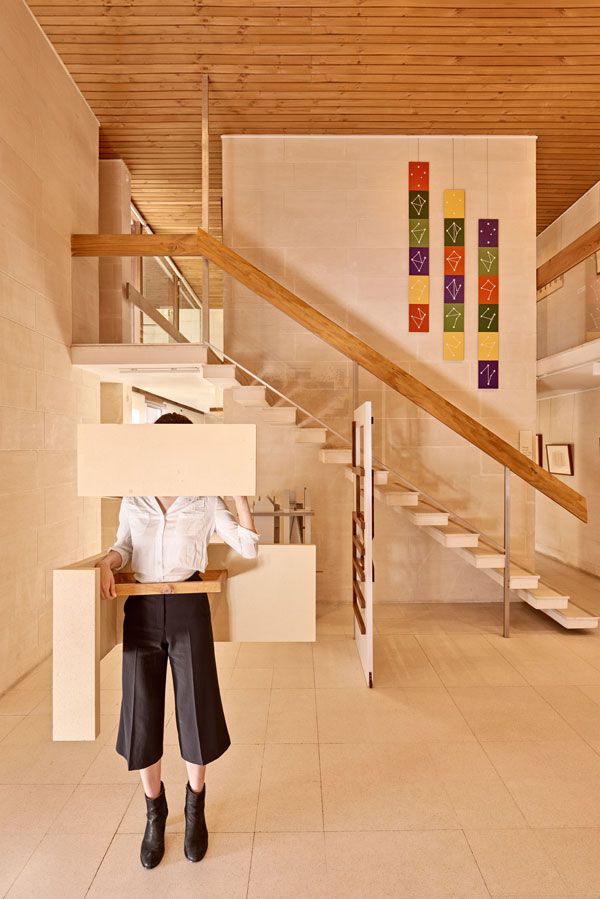
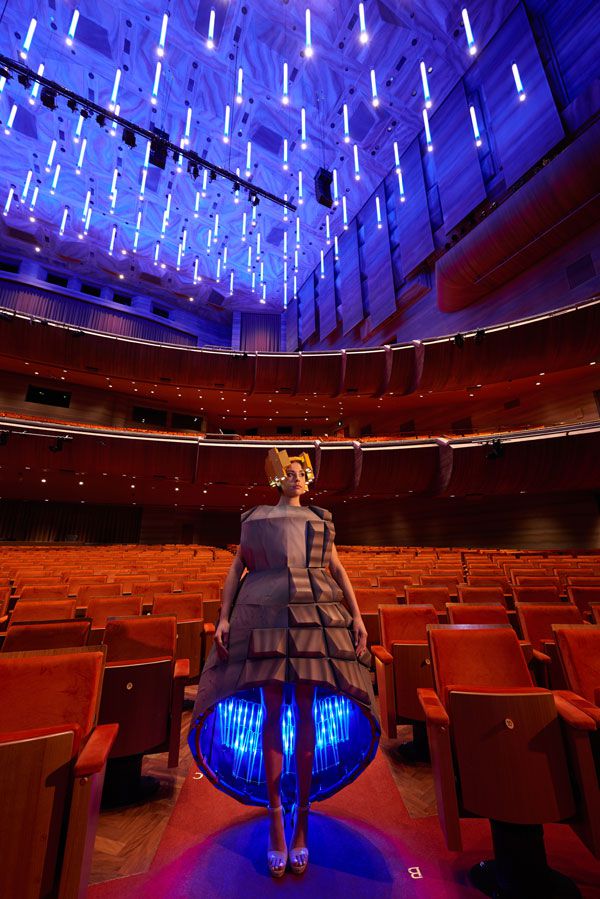
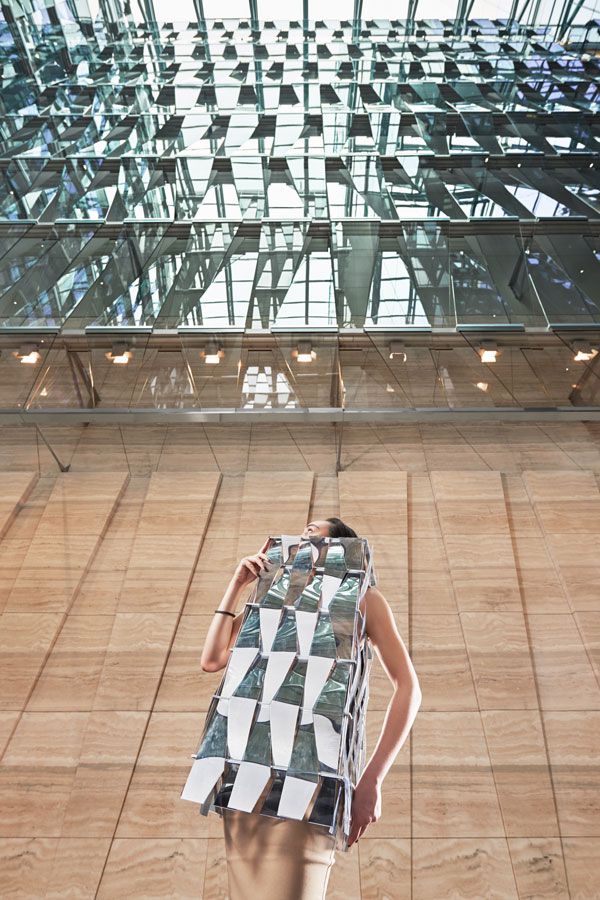
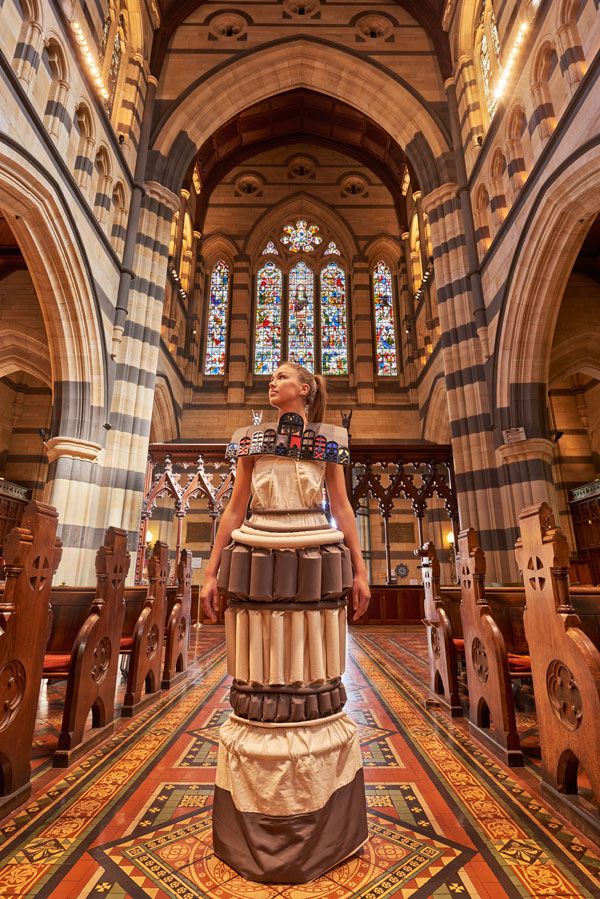
The next generation of Melbourne architects and designers from Monash University will unveil 11 unique works inspired by iconic Melbourne interiors at MPavilion on Saturday 14 November.
November 10th, 2015
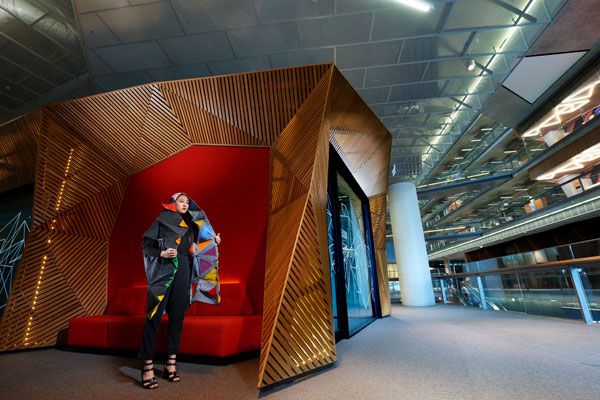
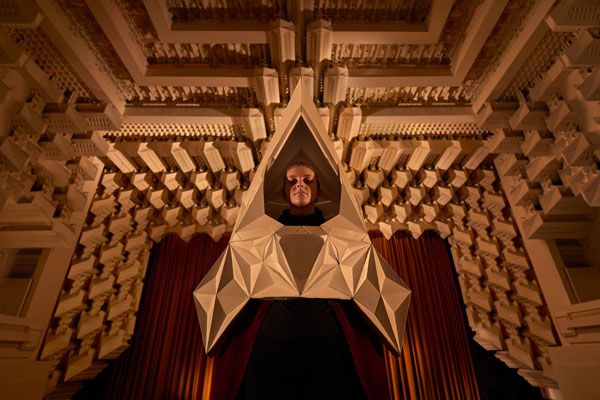
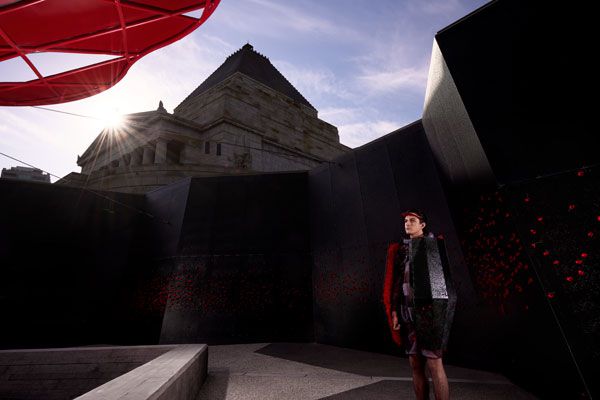
Following 2014’s ‘Wearing the city’ project that focused on iconic Melbourne exteriors, a new group of talented Monash University Art, Design and Architecture (MADA) students will reveal wearable architecture inspired by 11 historic and contemporary interiors, including the NGV Great Hall, St Paul’s Cathedral, Shrine of Remembrance additions, and NAB Docklands.
This year, MADA lecturers, Miriam Borcherdt and Cate Hall have worked with the group of Architecture and Fine Art students. Miriam said the students had worked with the architects to translate the interiors into wearable forms, developing their own interpretations of the buildings.
“The students have developed interesting responses to the interiors with their proposed designs. The project engages with architectural form at the scale of the body and provides interdisciplinary challenges. It is also an exciting opportunity for the students to be involved in such a public event,” she says. “The students have been experimenting with a range of both rigid and pliable materials that consider scale, proportion, and the body’s movement.”
Naomi Milgrom AO of Naomi Milgrom Foundation said she is delighted to be hosting the Monash University Art, Design and Architecture student’s Wearing the City event at MPavilion. “The event is a fantastic showcase for celebrating the imaginative design minds of Melbourne’s next generation of architects and designers,” she says.
The designs will be exhibited at MPavilion on Saturday 14 November from 5pm-7pm, and will be judged by a panel from various disciplines, with a winner announced that night.
Photographs by Matthew Stanton
MPavilion
mpavilion.org


INDESIGN is on instagram
Follow @indesignlive
A searchable and comprehensive guide for specifying leading products and their suppliers
Keep up to date with the latest and greatest from our industry BFF's!
The Powerhouse Museum announced the launch of the Powerhouse Museum International Lace Award, aimed at encouraging contemporary designers and artists to approach lace in new ways. The Award aims to broaden people’s perception of lace, moving away from traditional style to encouraging its use in contemporary fashion and digital media. Professional and amateur artists, designers […]
The internet never sleeps! Here's the stuff you might have missed