The home of architecture and design in the Asia-Pacific
Get the latest design news direct to your inbox!

Get the latest design news direct to your inbox!
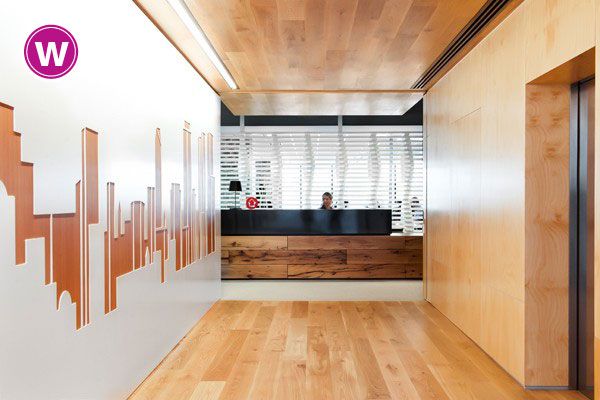
What do you get when ABW architectural principles are fused with an agile way of working? We talked to members of the futurespace team and REA Group’s CIO Nigel Dalton about their collaboration on REA’s new Melbourne headquarters. Marg Hearn reports.
August 19th, 2015
Dynamic digital property advertising business, REA Group started modestly in a suburban garage in Doncaster, Melbourne in 1995. Ten years on, with 600 staff and growing, the ASX-listed REA Group owns and operates market-leading Australian residential and commercial property websites: realestate.com.au and realcommercial.com.au. Internationally their interests include Chinese property site myfun.com and European sites casa.it, at Home.lu and immoRegion.fr.
According to Nigel Dalton, REA Group’s chief information officer (CIO), a new digital start-up company emerges almost weekly, with the goal of being “the next big thing” in the real estate industry. REA Group’s new Melbourne headquarters, designed in collaboration with futurespace interior and architecture practice, “is a response to the pace of those disruptive technologies.”
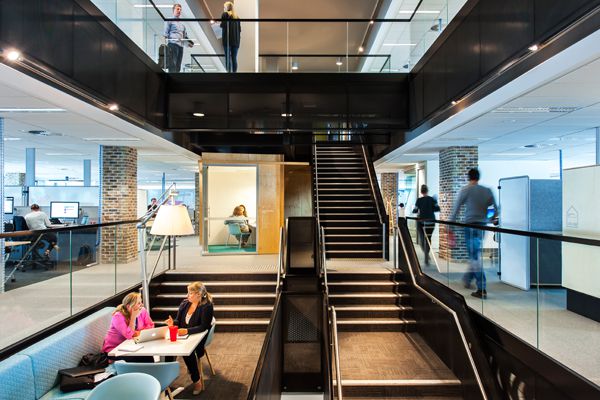
“Blending REA Group’s lean and agile system of working in multi-disciplinary teams – with futurespace’s Activity Based Working (ABW) expertise, produced a very unique workplace – which we’ve christened – Neighbourhood Based Working,” Dalton says.
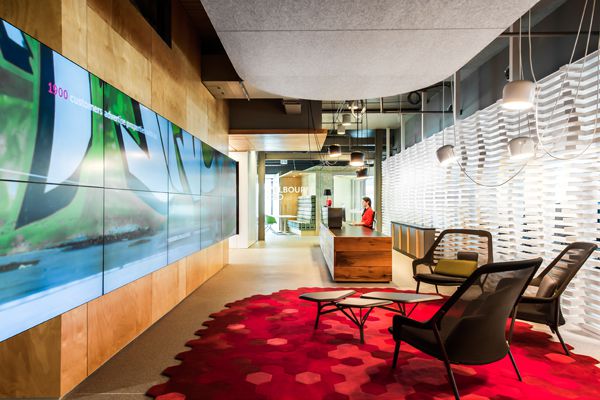
The new workplace design unshackled REA Group from the constraints of legacy technologies and workspaces to “better support their collaborative and agile way of working,” explains Angela Ferguson, futurespace managing director.
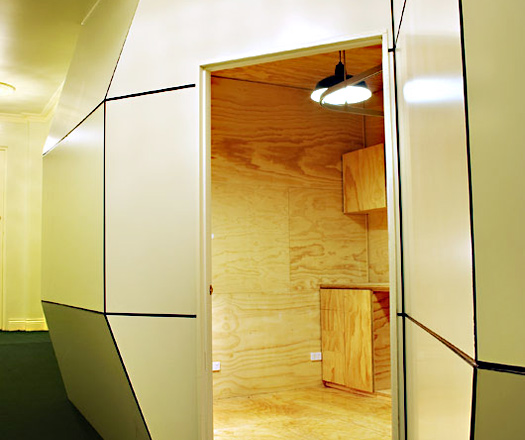
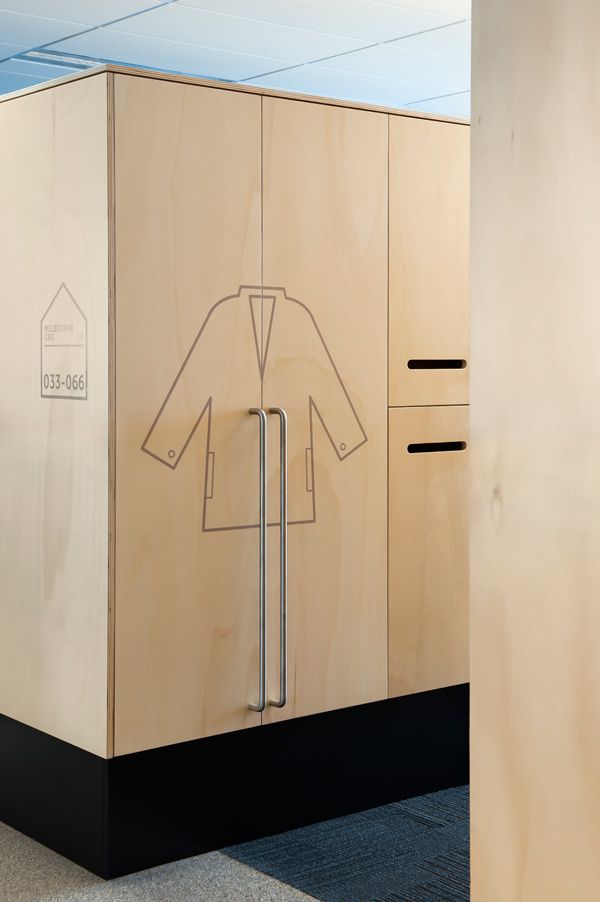
Custom design agile walls were one creative product evolved for the project by Gavin Harris futurespace design director in partnership with Schiavello. The solution overcame the “big challenge” of facilitating REA’s process of working on walls and collaboration in an open working environment. The design of different spaces, nooks and crannies near a central marketplace and main street was a strategy to “multiply random bump-in factor and interaction between neighbourhoods.” The idea being – that increased opportunities for staff connection and communication help to foster innovation. “It’s a project that balanced – the need to address people, place and technology with equal importance,” Ferguson says.
Read the full story in Indesign Issue 62, available on sale August 20.


INDESIGN is on instagram
Follow @indesignlive
A searchable and comprehensive guide for specifying leading products and their suppliers
Keep up to date with the latest and greatest from our industry BFF's!
The internet never sleeps! Here's the stuff you might have missed