The home of architecture and design in the Asia-Pacific
Get the latest design news direct to your inbox!

Get the latest design news direct to your inbox!
The winner of this year’s Electrolux Design Lab competition was announced last week, with a futuristic cleaning concept taking out top honours. Ola Bednarczuk reports.
October 21st, 2013
In the 11 years since it was launched, the annual Electrolux Design Lab program has delivered some incredible ideas that stretch the limits of the imagination. Each year the competition invites design students from around the world to create concepts for household goods that might one day make our day-to-day lives better. This year’s theme was Inspired Urban Living, and students were given three areas to explore which reflected the needs of modern urban life: Natural Air, Effortless Cleaning and Social Cooking.
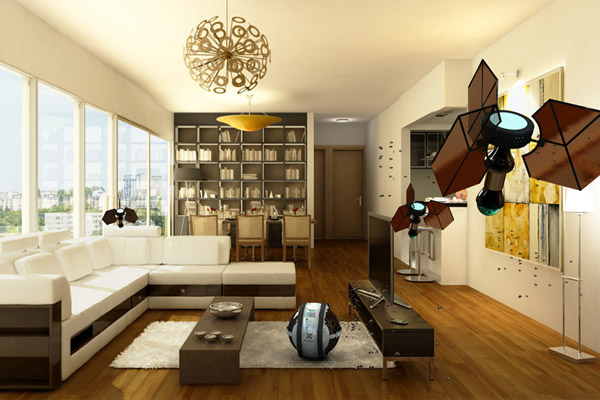
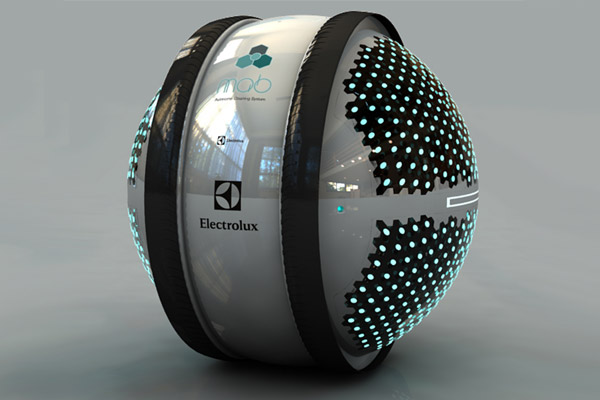
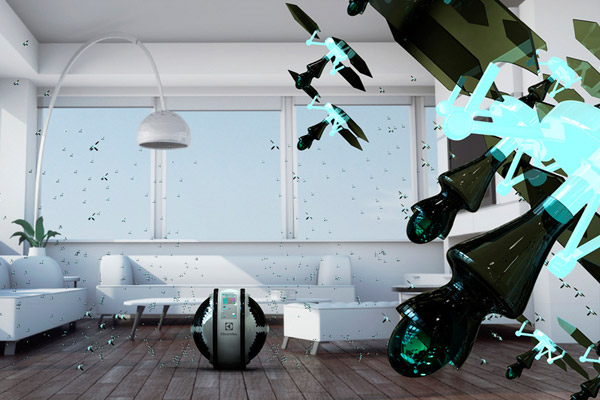
Colombian student Adrian Perez Zapata was awarded first prize for his concept – an automated cleaning system comprising hundreds of airborne miniature robots which scan and clean surfaces within the home. Inspired by the sight of a swarm of bees pollinating a flower, Perez Zapata envisioned his Mab concept to be fully automatable and autonomous. “[It] requires only a short initial configuration to function autonomously, so you could arrive home and see a swarm of mini-robots roaming around cleaning independently,” he explained. Head of Jury and Chief Design Officer at Electrolux, Stefano Marzano, praised the concept for taking its inspiration from natural processes and for re-imagining the idea of what a robot can do. Mab also struck a chord with the Electrolux audience, taking out the online People’s Choice Award.
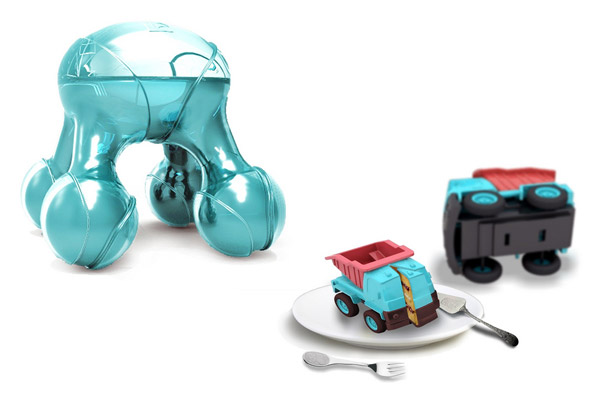
Brazilian student Luiza Silva was awarded second place for her Atomium 3D food printer concept, which aims to promote healthy lifestyles by incorporating play into food preparation. Atomium, she said, could print food molecules into a desired shape in order to make any food more fun and engaging.
Third prize was won by South Korean student Jeabyun Yeon for his Breathing Wall concept, a wall integrated air cleaning system inspired by the function of fish gills. Breathing Wall would filter indoor air using cutting edge bio-oxygen technology, eliminating contamination, odour and germs. The jury praised the idea for its potential to “generate propositions that could bring a poetic quality into the construction industry.”

As well as receiving a cash prize, Perez Zapata will now commence a 6 month paid internship with Electrolux, where he will get the chance to work with the in-house design and development team and put some of those future living appliance ideas to the test.
For more on each of the winning concepts and the other projects which made it through to the finalist stage, visit the Design Lab website.
ELECTROLUX DESIGB LAB
INDESIGN is on instagram
Follow @indesignlive
A searchable and comprehensive guide for specifying leading products and their suppliers
Keep up to date with the latest and greatest from our industry BFF's!
The internet never sleeps! Here's the stuff you might have missed
Presented by Stormtech
Presented by Woven Image