The home of architecture and design in the Asia-Pacific
Get the latest design news direct to your inbox!

Get the latest design news direct to your inbox!
Design fad or sustainable solution? Is the shift towards salvage design a temporary whim or a real revolution? Kirsty Máté investigates.
October 27th, 2008
This article appears in Issue #34 of Indesign Magazine, available from all good newsagents and book stores.
Salvaging products and transforming them into other products is not new. The Anglo-Saxons re-used materials from abandoned Roman buildings for centuries.
We have re-used materials for crafts and toys for generations – cotton reels, ice cream sticks, socks and boxes have given children hours of imaginative fun. Wars always bring out our creative thrift, encouraging us to create everyday luxuries when raw materials are scarce. After all, what would Scarlett O’Hara have worn if it weren’t for the green velvet curtains?
Now, however, there is a plethora of designer products on the market using salvaged materials. Perhaps spurred on by the new urgency to save our planet, designers have uncovered a seemingly limitless resource of materials for new creative challenges. Perhaps it’s just the next design fad. Whatever the reason, it’s difficult not to find an example of salvage design in recent design exhibitions, books, magazines and websites.
So, where does today’s salvage design originate from? According to Suzanne Seriff and Charlene Cerny in Recycled Re-Seen: Folk Art from the Global Scrap Heap, salvage design can be defined as products formed from “…industrially produced consumer discards and their subsequent transformation”, into a new object. That is, in a consumerist society of indulgence and wealth, one person’s waste becomes another’s treasure…
The concept is not confined to a particular populace and ignores geography, gender and nationality. The collection of bi-products from mass production can be found from urban New York to the depths of the Papua New Guinean Highlands. However, the influences of mass production, planned obsolescence and the mental attitude of the consumer have changed the value of objects in differing societies.
This difference can be highlighted by a photograph taken by anthropologist Michael Leahy in the early 20th century, of a man from the Wabag region in Papua New Guinea, wearing an aluminium Kellogg’s biscuit tin on his head.
According to Seriff and Cerny, in the Wabag culture, large, bright and shiny ornaments represent health, well-being and sexual attractiveness. For people in Western consumerist societies, it’s amusing to see a man proudly wearing what we consider waste, something we no longer value, as an adornment of sexual attractiveness and high value…
To read the rest of this and other great articles get your copy of Indesign #34, out now or subscribe online here
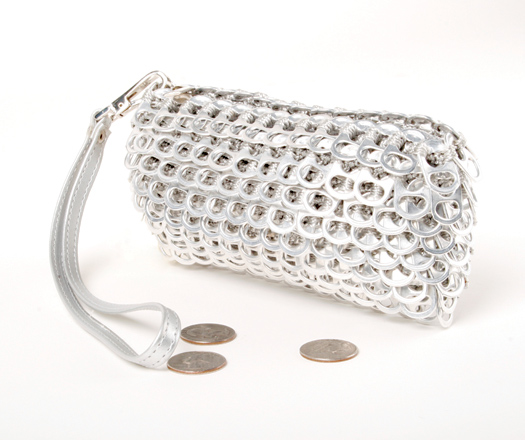
Hero Image: Re-cycled bag made of can ring-pulls by Escama

’Chest of Drawers’ by Tejo Remy for Droog
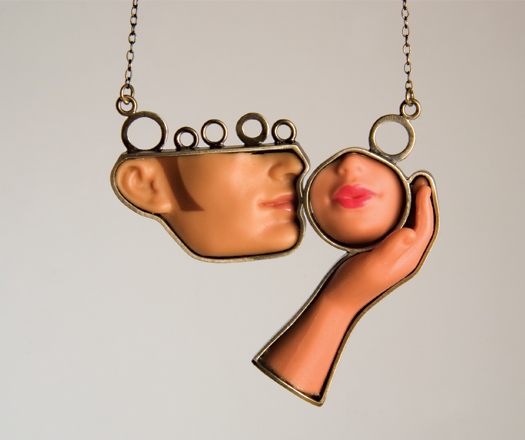
’The Kiss’ by Margaux Lange Photo: R DeSantis
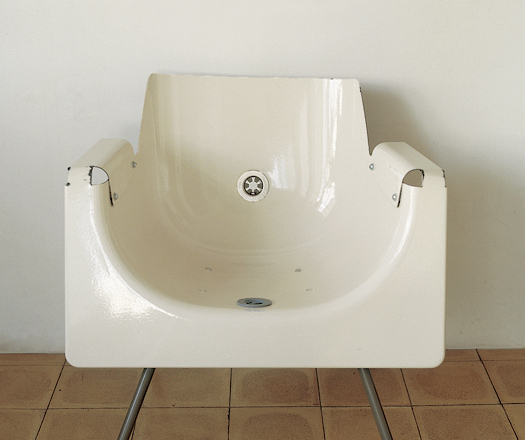
’Bath and Beyond’ chair by Reddish
INDESIGN is on instagram
Follow @indesignlive
A searchable and comprehensive guide for specifying leading products and their suppliers
Keep up to date with the latest and greatest from our industry BFF's!
The internet never sleeps! Here's the stuff you might have missed