The home of architecture and design in the Asia-Pacific
Get the latest design news direct to your inbox!

Get the latest design news direct to your inbox!
Herman Miller’s height adjustable modular system brings a new level of individual choice to shared work environments.

indesignlive.sg
February 29th, 2016
Alternative solutions to the concept of ‘sitting down to work’ are woven into Herman Miller’s design history. In the 1960s, both Robert Propst and George Nelson pioneered the idea of alternative working positions. Propst designed a hybrid of a stool and chair he termed a ‘perch’, while Nelson, who enjoyed standing around at work and thought others might be similarly inclined, designed a stand-up roll top desk.
Today, sit/stand desks can increasingly be found in offices around the world, with many companies and individuals recognising the ergonomic and health benefits of designs that encourage greater movement and changes in posture at one’s desk.
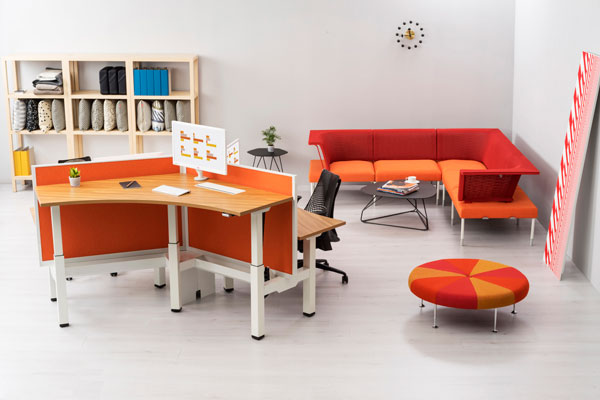
Enter Augment. Herman Miller’s new height adjustable system is specifically designed for people who engage in individual work activities within close proximity to colleagues, and who desire variety and choice in their working posture throughout the day.

Augment makes moving between sitting and standing an intuitive and natural behaviour. Key to this is its ‘Intelligent Control’, a signature sensor that detects movement under or above the work surface to ensure a simple and seamless transition between sitting and standing. Heights can also be preset according to personal preference and need.

The Augment portfolio includes both freestanding and cluster configurations, allowing greater flexibility when designing large floor plans.

Herman Miller
hermanmiller.com
INDESIGN is on instagram
Follow @indesignlive
A searchable and comprehensive guide for specifying leading products and their suppliers
Keep up to date with the latest and greatest from our industry BFF's!
The internet never sleeps! Here's the stuff you might have missed