The home of architecture and design in the Asia-Pacific
Get the latest design news direct to your inbox!

Get the latest design news direct to your inbox!
The revamped President’s Design Award programme bestowed accolades to a total of 11 recipients from diverse fields that have demonstrated their impact on the living environment.

China Fuzhou Jin Niu Shan Trans-Urban Connector. Photo by Zhou Yue Dong
July 17th, 2018
Established in 2006 and jointly organised by the DesignSingapore Council (Dsg) and the Urban Redevelopment Authority (URA), the President’s Design Award (PDA) took a bold move last year by revamping its annual format to a biennial cycle (read more about the revamp here). This revamp was aimed to enable the programme to place greater emphasis on outcome-based design impact, in addition to the existing criteria of excellence in design craftsmanship.
The revamped PDA retains its longstanding two-category format – the Designer of the Year and the Design of the Year categories – and categorises its jury into two panels, the Architecture Panel and the Design Panel.
Held on 17 July, this year’s gala at the Istana saw President Halimah Yacob presenting the award to two Designers of the Year and nine Designs of the Year recipients. The winning eleven entries were picked from a total of 131 eligible entries – 24 for Designer of the Year category and 107 for Design of the Year category. A total of six designers and two architects were shortlisted for the Designer of the Year award while the Design of the Year award shortlisted 23 design projects and 14 architectural projects.
“The 2018 PDA recipients represent what we advocate for design in Singapore – an exceptional form of human-centric creativity that goes far beyond aesthetics,” said Dsg Executive Director Mark Wee. “Singapore has always tapped the power of design to meet many challenges we face as a small island nation. The recipients embody this spirit of transforming and improving lives, businesses, society and even the world through design.”

Angelene Chan. Portrait by Juliana Tan, courtesy of DP Architects
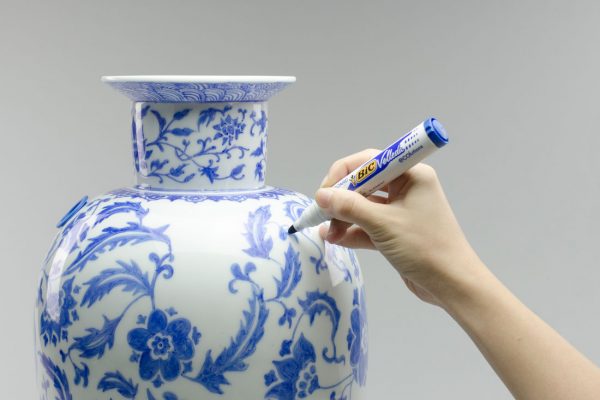
Singapore Blue by Hans Tan. Photo by Khoo Guo Jie / Studio Periphery
Chan was awarded the accolade for her work in architecture (lookout for our Q&A with her soon!) while Tan was awarded for his work in product and industrial design.
In addition to the eleven award recipients, the jury also commended lighting designer Toh Yah Li, Partner at Light Collab, for her work in lighting design.
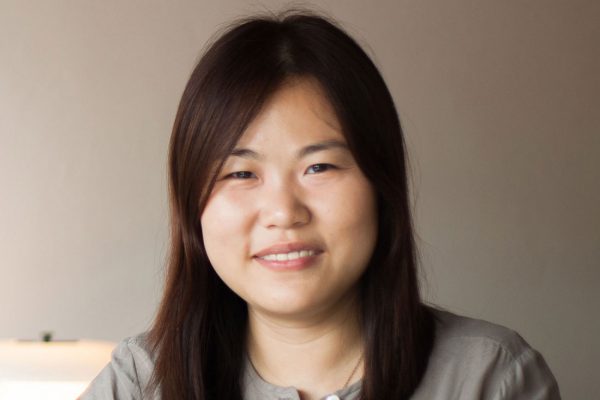
Toh Yah Li. Portrait courtesy of Light Collab
Candidates for tge Designer of the Year category were evaluated on their design philosophy; innovation and originality; leadership in their disciplines; and portfolio of works that have demonstrated impact on contemporary life and living environment, and have social and national significance as well as a value as icons.
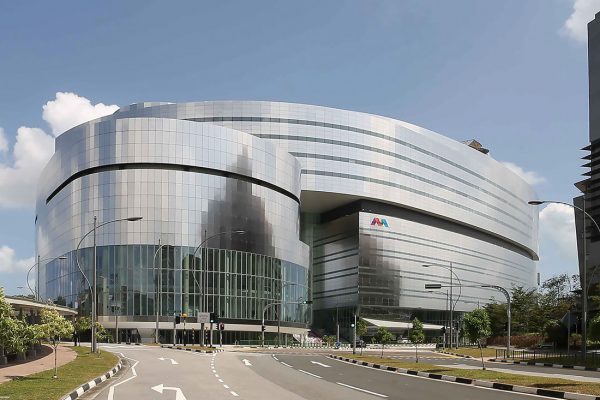
Photo by Future Stage Creations
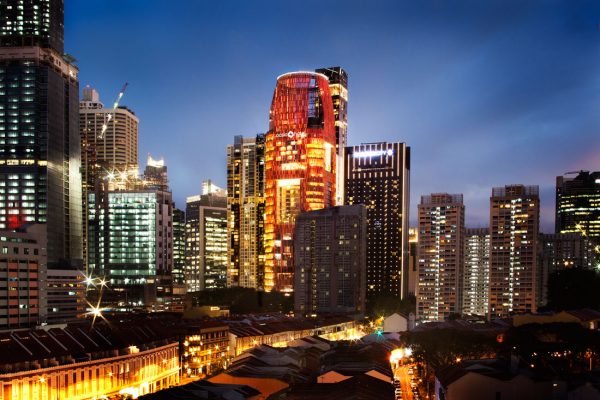
Photo by Patrick Bingham-Hall
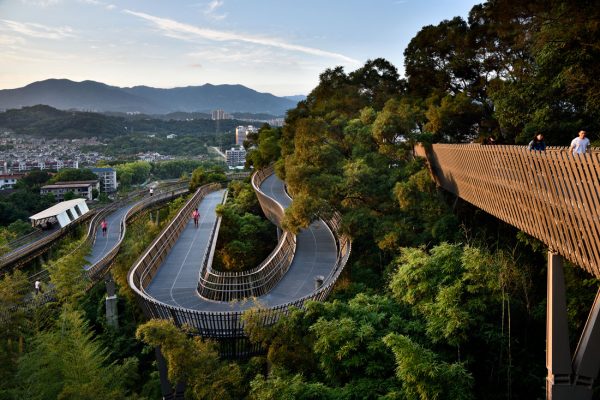
Photo by Zhou Yue Dong
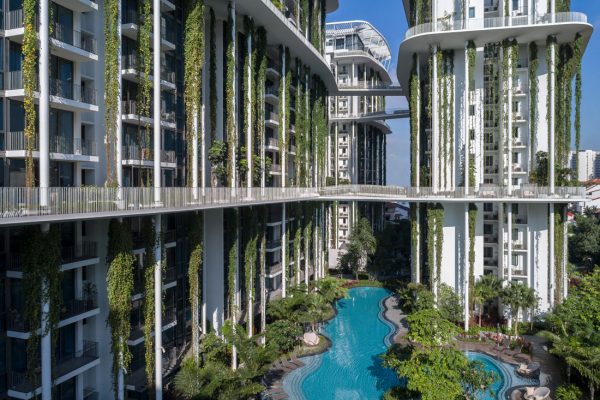
Photo by Darren Soh
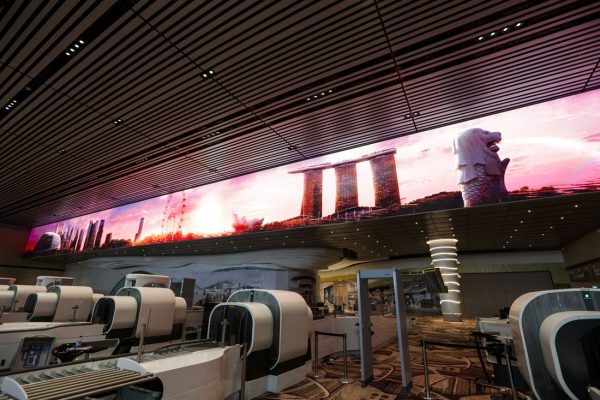
Photo courtesy of Changi Airport T4
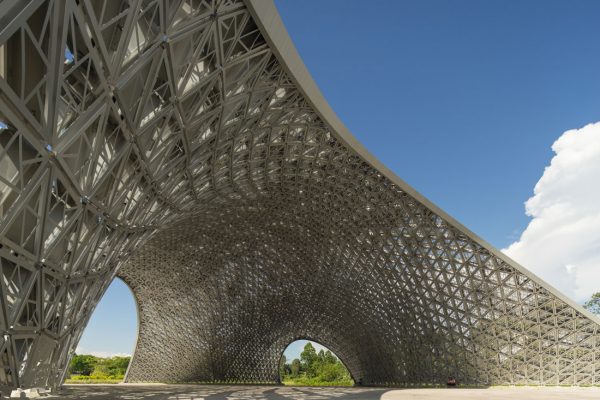
Photo by Koh Sze Kiat / Oddinary Studios
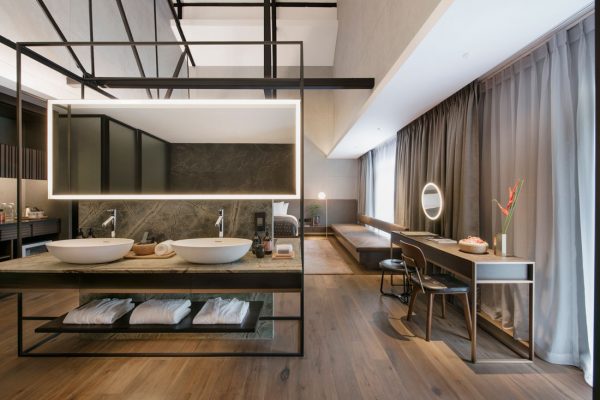
Photo by The Warehouse Hotel
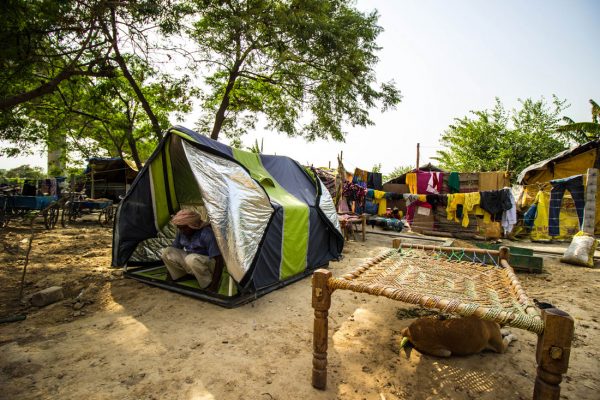
Photo by billionBricks
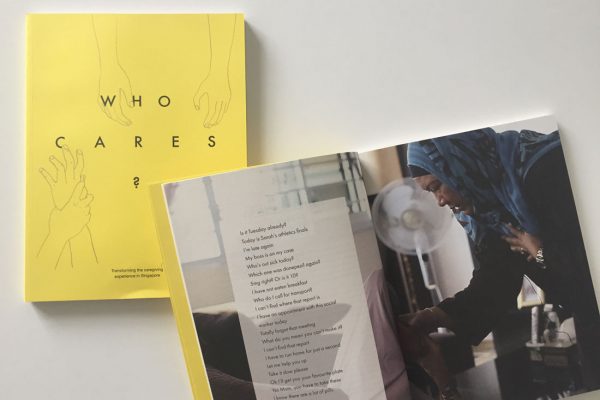
Photo by fuelfor
Candidates for the Design of the Year category were evaluated on the innovation and originality in design ethos; design research; aesthetics and craftsmanship; and impact in one (or more) of these four areas: enabling economic transformation; raising quality of life; advancing Singapore’s brand, culture and community; and ground-breaking design achievements.
Visit PDA’s official page for more information!
INDESIGN is on instagram
Follow @indesignlive
A searchable and comprehensive guide for specifying leading products and their suppliers
Keep up to date with the latest and greatest from our industry BFF's!
The internet never sleeps! Here's the stuff you might have missed