The home of architecture and design in Asia-Pacific
Get the latest design news direct to your inbox!

Get the latest design news direct to your inbox!
bandesign builds a mirrored café in Gifu City, Japan to blend in seamlessly with the landscape.

February 16th, 2015
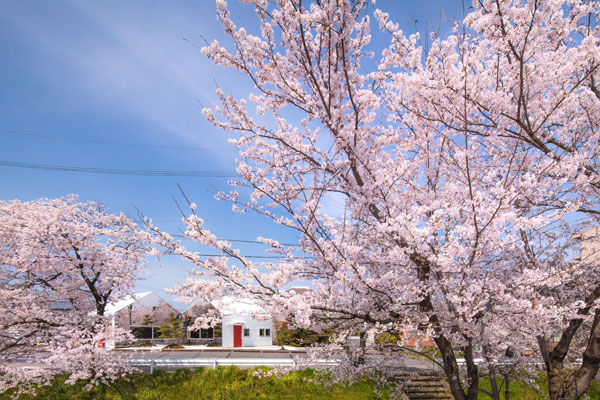
The area in which this café is situated comes alive with beautiful blooms during the cherry blossom season and draws many visitors from near and far.
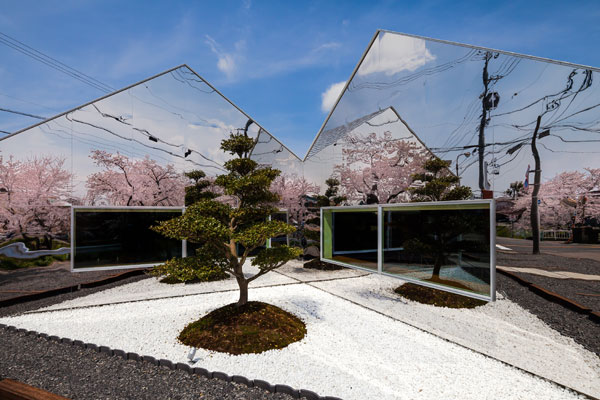
Taking advantage of its location, bandesign have built two mirrored façades at an angle to amplify the natural landscape and surrounding neighbourhood, and help draw intrigued passers-by further into the café compound.
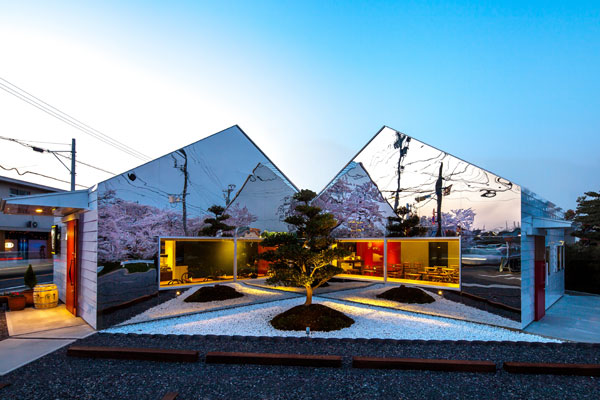
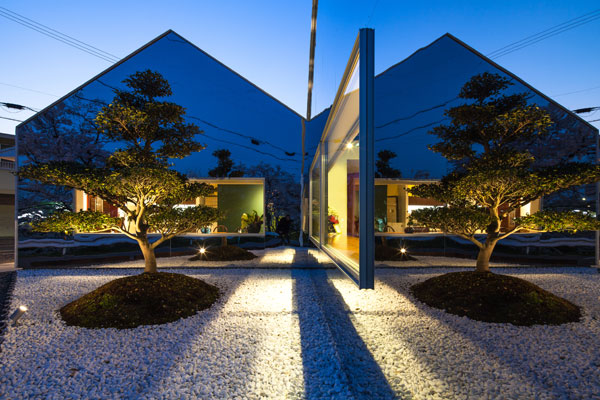
White gravel out front serves as a further light-reflecting tool while also emphasising the camellia trees.
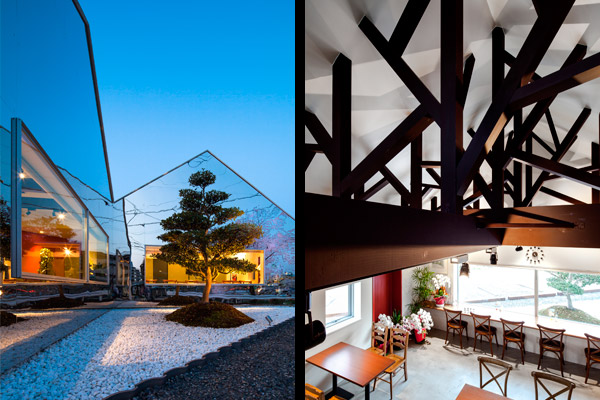
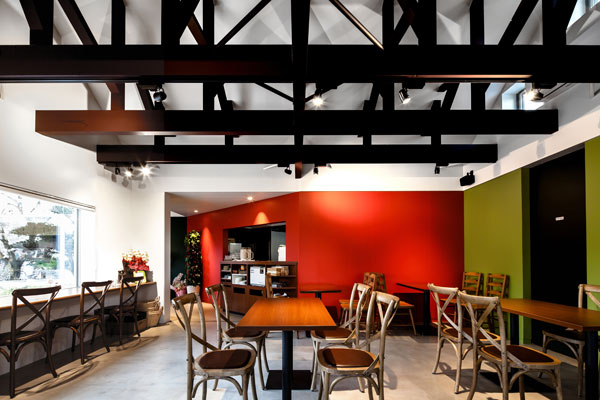
The entrance is painted fire engine red, in deliberate contrast to the building’s while steel exterior while inside, a red and green colour palette and roof struts made to look like a tree motif come together to reflect the forest theme.
Bandesign
bandesign.jp
A searchable and comprehensive guide for specifying leading products and their suppliers
Keep up to date with the latest and greatest from our industry BFF's!
The internet never sleeps! Here's the stuff you might have missed