The home of architecture and design in the Asia-Pacific
Get the latest design news direct to your inbox!

Get the latest design news direct to your inbox!
In this comment piece written by Jessica Lee, talks us through the standout trends in designing for aged care.

May 25th, 2023
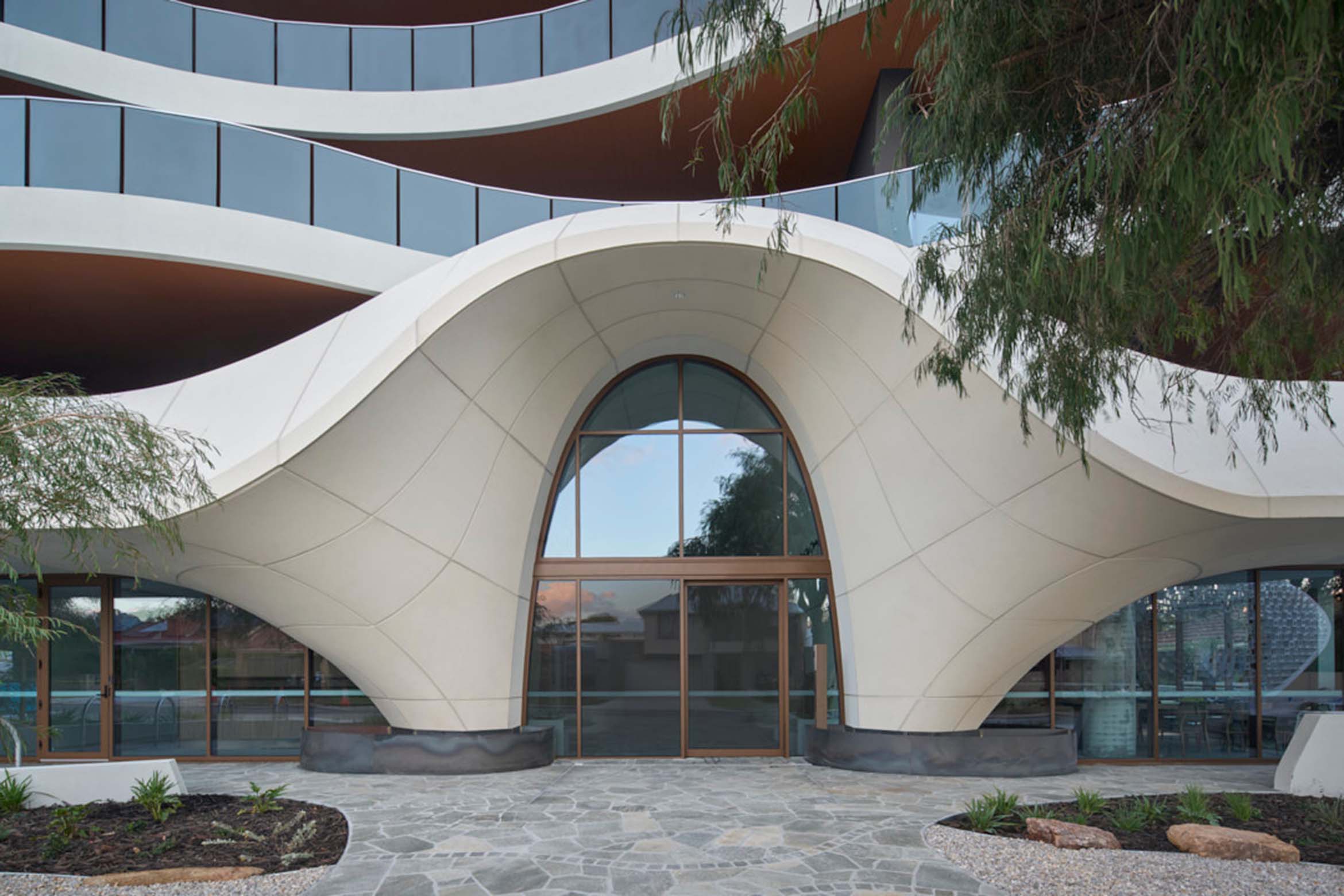
In the bayside leafy suburb of Albert Park in Melbourne’s south lies The Alba, an elegant tower that has been transformed from a dated office building into a premium aged care residence. It was designed by Fender Katsalidis, as was its award-winning neighbour, The Grace. Both represent the future of aged care, where sustainability, technology and a continuum of care come together to provide the best wellbeing for residents.
In the Australian aged care sector, there is a huge opportunity to increase adaptive reuse. That means using existing buildings rather than the construction of new ones, especially in a tight construction market.
Across Australia, large government-funded projects are moving forward, including hospitals, transport and major infrastructural investment required to support the 2032 Olympic Games and 2026 Commonwealth Games. It’s an exciting time for the nation but, on the flip side, the high volume of projects being submitted for planning currently outweighs the supply of builders. Ultimately, this decreases competition in the tender market for seniors living projects and drives up construction costs.
Related: Lindy Johnson comments on the value of architecture

Despite this, the need for aged care only increases, necessitating ways of looking towards the conversion of established buildings. These might require only half the construction work and rely on different skill sets, particularly builders with expertise in internal refurbishment. Importantly, this approach also avoids the environmental impact of demolition and provides a new lease of life to ageing assets.
As The Grace and The Alba testify, adaptive reuse presents alternative avenues for construction in the aged care sector that can be more cost-effective and sustainable in the long run. In the current economy, the entire sector is exploring new ways to revivify and expand its offering. It’s doing it in more ways than one and this is for the better.
At a conference recently, I was presented with the idea that retirement villages can play a larger role in the provision of aged care, something referred to as ‘Aged Care Lite’. While I agree that many people want to age in place, it is not always possible for these communities to provide a higher level of care.
This is where the rise of supported living apartments, or assisted living residences, can provide a viable alternative. While living independently, residents can gain access to at-home care services that help to uphold their wellbeing and allow them to age with dignity.
This hybrid model can also cater to couples, those who have lived together for a long time and want to stay together but may require different levels of support. With this approach, both parties receive the necessary support, respite and independence. With many stigmas and controversies surrounding residential aged care, assisted living presents a highly practical and empathetic solution that is gaining traction among providers and residents alike.
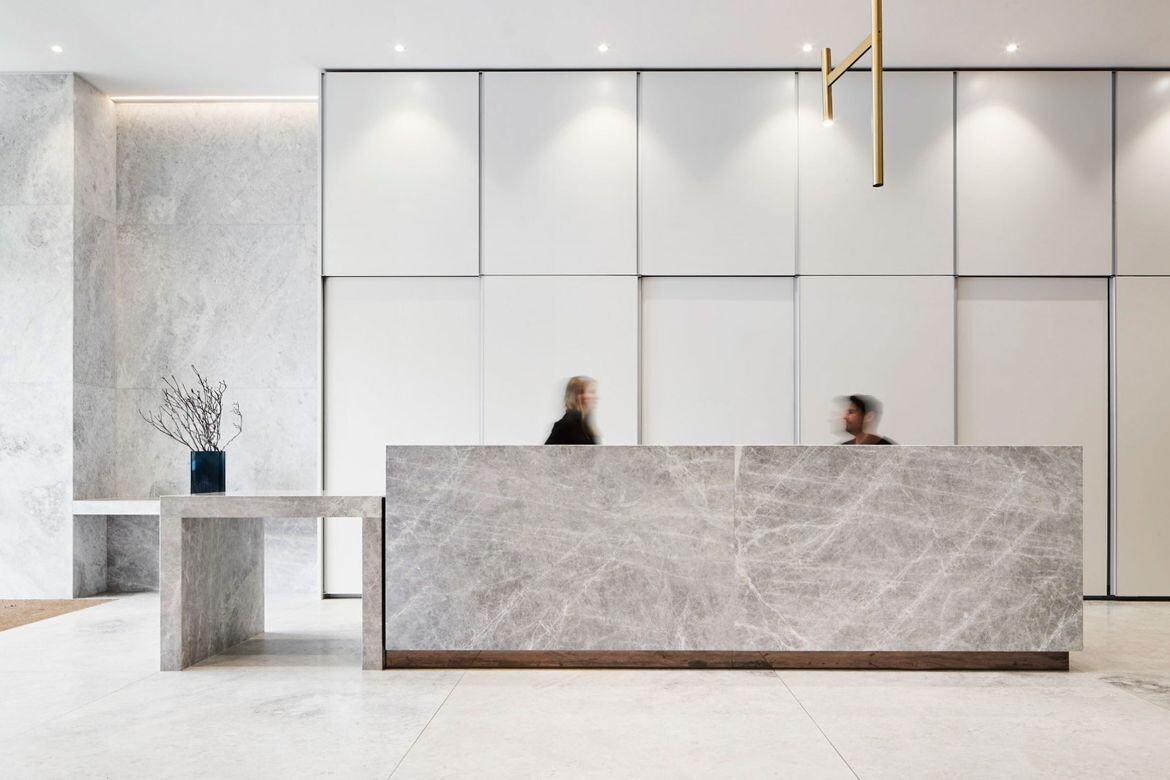
As our population ages, it is increasingly important that infrastructure is put in place to support the needs of this demographic, including in our inner-city suburbs and established neighbourhoods. It might not be sustainable or feasible for the elderly to move out of their local area in search of a home that will meet their care needs. Ideally, they should be able to stay within their neighbourhoods — close to family, friends, and familiar social spaces. This allows them to maintain their sense of belonging and community.
Vertical aged care can provide purpose-built housing with specialised care services to support an ageing population. This not only benefits our local senior citizens but also the wider community by fostering intergenerational connections and community cohesion. It must be time for the sector, as well as the broader community, to explore vertical aged care as a way to offer appropriate housing choices in places our elderly have called home most of their lives.
Fender Katsalidis
fkaustralia.com
Photography
Courtesy of Fender Katsalidis
We think you might also like this story on Fender Katsalidis’ Nicky Drobis and ideas that will shape architecture in 2023.
INDESIGN is on instagram
Follow @indesignlive
A searchable and comprehensive guide for specifying leading products and their suppliers
Keep up to date with the latest and greatest from our industry BFF's!
The internet never sleeps! Here's the stuff you might have missed