The home of architecture and design in the Asia-Pacific
Get the latest design news direct to your inbox!

Get the latest design news direct to your inbox!
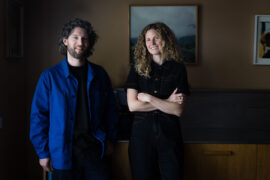
Behind green magazine lies editor Tamsin O’Neill, who established Green Magazine with her husband Tom Bodycomb in 2007 having identified a gap in the market for a title showcasing sustainable and environmentally friendly housing options. We chat with Tamsin about Green Magazine and how she came to work in the design industry.

October 16th, 2015
Can you tell us about the moment you knew you wanted to work in the design industry?
In a way I have always been interested. My dad lectured in the Architecture department at Melbourne University from when I was born and is still involved at 82. He took me travelling a lot and architecture was often central to these trips. I studied Fine Art at RMIT and went on to study photography and then assisted some of Melbourne’s great architectural photographers.
How did you come to be an editor? What first drew you to the publishing world?
I worked as a freelance photographer for architecture and design magazines in the 80s and 90s and over that time sourced stories and ideas. Later I worked for a small publisher in Melbourne for eight years editing a magazine on renovating period homes.
Can you please tell us what pushed you to start Green Magazine?
A mentor of mine suggested that there was a need for a magazine devoted to sustainable design and architecture. I had been toying with the idea of starting a magazine but this provided the impetus, the topic was on everyone’s minds and it had always been of interest to me.
Can you please explain what Green Magazine is for those who aren’t familiar with it? What’s its purpose or mission?
The magazine is directed at homeowners, as an inspirational and informative guide to renovating or building green. It also appeals to architects, interior designers and design and architecture students because it is not just looking at sustainable design but at new materials and innovative solutions for building for the future – this is its mission. Looking to the future sometimes means looking back. We include a lot of product design and architecture that celebrates craftsmanship and local production.
How would you describe the contents of Green Magazine?
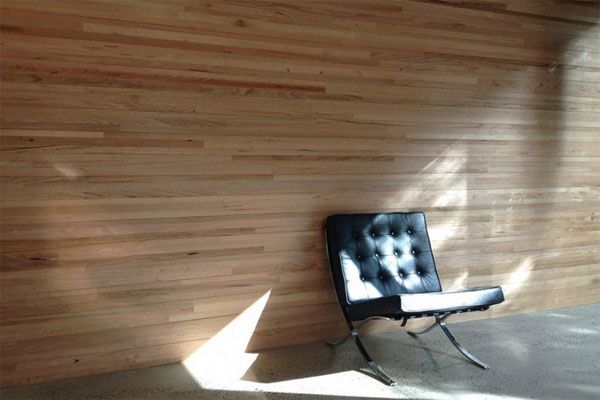
The magazine is divided into product design, architecture and landscape design. We also include profiles on inspiring architects and designers. Features are devoted to the usual popular topics such as kitchen and bathroom design as well as other topical areas like prefabricated design and innovation in office design.
What perspective on design are you trying to give? Do you think more and more people are interested in learning about sustainable design and housing?
We are interested in quality, durability and livability; we look for projects that define this. I think that more people are looking for sustainable outcomes, whether they are for economic reasons or because they want to contribute to environmental solutions. We like to focus on small projects for cities dealing with population growth and we are finding that renovating for the future by keeping the footprint small has resulted in some very creative outcomes. These are the projects that we think are appealing to our readers.
What does a typical Green Magazine reader look like? What types of design issues are important to them?
Our readers come from a broad demographic from design and architecture students to empty nesters with the bulk being families and architects/specifiers. They are looking for projects featuring great design and sustainability.
What interests you most about this particular field design?
I love keeping a close eye on the local design community, there are interesting collaborations going on. I am also interested in materials and emerging technologies relating to the life cycle and non-toxic materials. I love finding architecture and design projects that demonstrate excellent passive design combined with innovative technology, whilst also being beautiful.
What do you believe are the main forces and challenges for the design industry? What do you think they will be in the future?
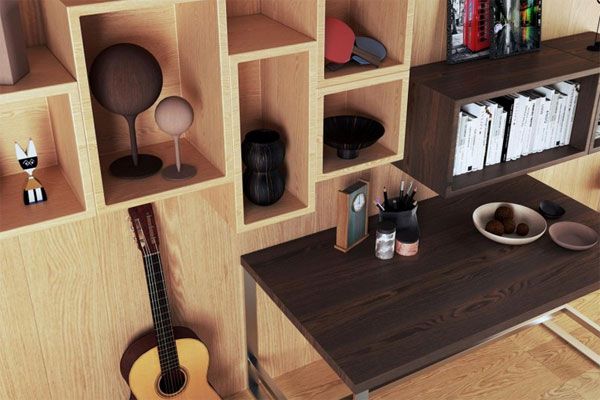
In architecture designing for the future, designing small, convincing clients to consider quality over size.
Have you seen any changes in the way people use magazines and search for information over the years?
Since green was launched eight years ago a number of online design platforms have emerged. We have adapted to this trend. Apart from having the magazine available on devices since the launch we have expanded our online model to include a resource called designbook containing an extensive list of products and services, it also contains archived articles from the magazine. These can be compiled into private designbook’s for members to share. Interestingly, despite the growth in online our magazine sales continue to grow, readers seem to want it all, online and hardcopy.
In what ways have you seen your industry change since you entered the industry?
Publishing has undergone enormous change in just eight years, with the demise of a lot of magazines and the continued expansion of the online community. At the same time we continue to see our print readership grow as our online community does.
Where do you search for inspiration?
I do get online to find inspiring ideas for content but there is nothing like getting out and seeing projects up close, going to launches and talking to people. There are some very talented designers and architects in Australia and I keep a close eye on as many of them as I can. I also receive many fantastic submissions from architects and designers.
What are your plans for the future?
To continue to present the inspiring, ground-breaking work of architects and designers and to continue to build up the designbook content so that it becomes the go to place for sourcing the best quality products and services for architects and their clients.
What advice do you have for people who are interested in building a sustainable home or renovation?
Consider the site and work with an architect. Think about the future and about how the house will adapt. Clever architects will find solutions that require less space, less materials and exhibit good passive solar design for comfort and energy efficiency.
Green Magazine
greenmagazine.com.au
INDESIGN is on instagram
Follow @indesignlive
A searchable and comprehensive guide for specifying leading products and their suppliers
Keep up to date with the latest and greatest from our industry BFF's!
The Melbourne Design Market is on again this weekend. The Market will take place on Sunday, 30 November at the Federation Square undercover car park. The event marks the beginning of the summer season, and features an abundance of fresh and returning designers – all eager to sell their latest products.The Market is open from […]
The internet never sleeps! Here's the stuff you might have missed