The home of architecture and design in the Asia-Pacific
Get the latest design news direct to your inbox!

Get the latest design news direct to your inbox!
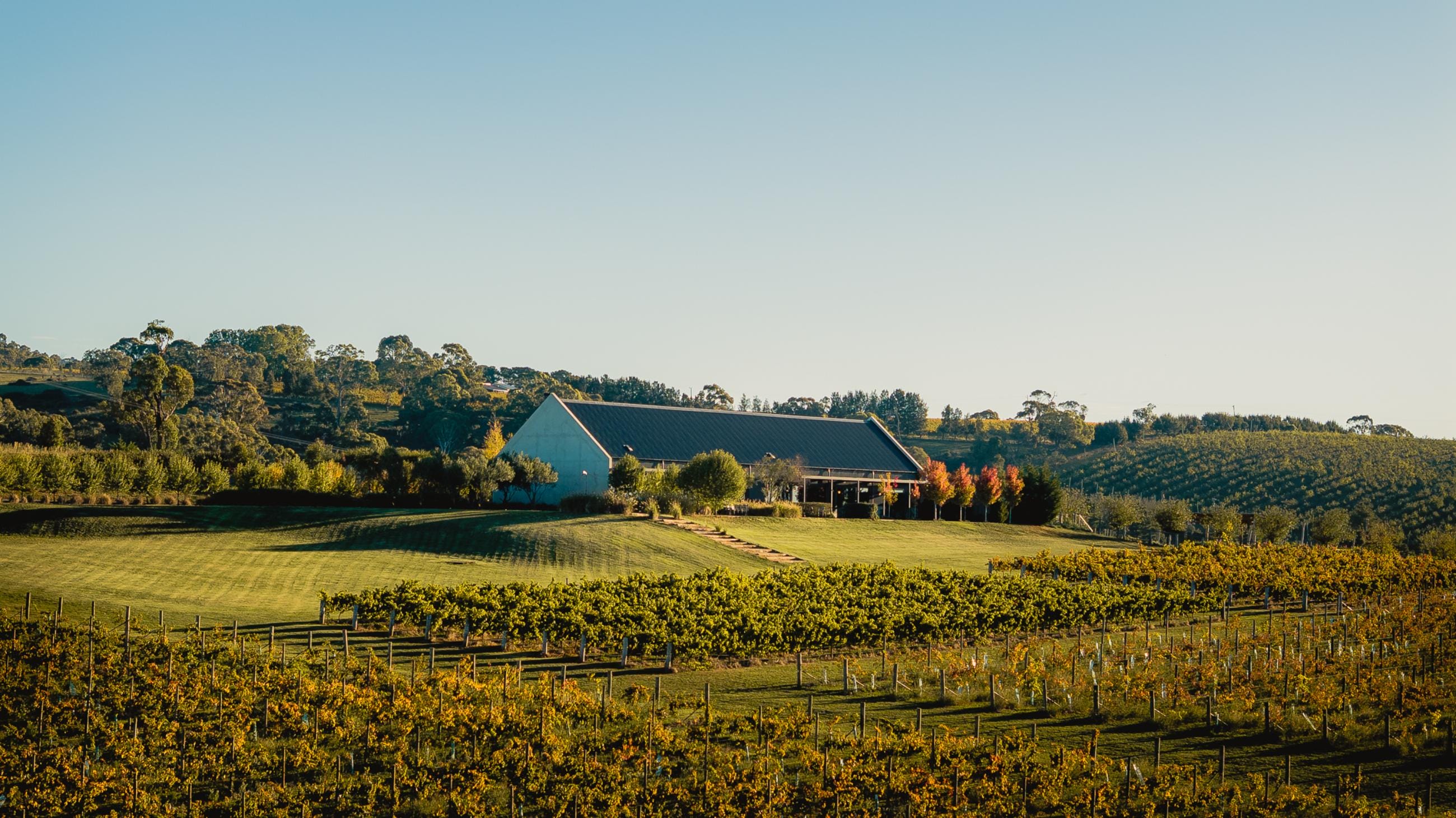
On Tasmania’s East Coat, the Devil’s Corner Cellar Door has marries wine, top design, and panoramic views over the Freycinet Peninsula.


Devil’s Corner, from the Brown Brothers, has been designed to amplify the experience of the iconic view of the peninsula and to create a new tourism experience on the East Coast of Tasmania. What was originally a small demountable building has been redesigned and expanded, with an all-new striking lookout.
The Devil’s Corner Cellar Door and Lookout have been designed as a loose collection of timber clad buildings take the form a modern interpretation of traditional farm or rural settlement and have been designed in partnership with a matching food market space. Through careful design of the spaces, visitors are invited to explore the landscape within and around the vineyard through curated views.
The lookout element is critical to the design of the landscape, providing a visual signifier for the settlement and also interpreting the landscape from which the Devil’s Corner wines originate. The three distinct spaces reference different and unique views of the site – the sky, the horizon, and the tower, which winds its way upward providing views to each of the compass points.
Since you were designing for a wine company, did wine culture play any role during the creative process?
“It was important to us that the Cellar Door component of the project felt like it was sitting in the vineyard and connected to the place from which its wines originate,” say the archiects at Cumulus Studio on designing the Devil’s Corner “Views to and from the cellar door reinforce this connection as does the timber nature of the building which alludes to similar agricultural buildings.
“Furthermore the distinct elements of the lookout SKY, HORIZON and the four cardinal points of the TOWER provide a variety of ways in which the landscape can be experienced and reference the distinct sensations experienced of wine tasting.”
INDESIGN is on instagram
Follow @indesignlive
A searchable and comprehensive guide for specifying leading products and their suppliers
Keep up to date with the latest and greatest from our industry BFF's!
The internet never sleeps! Here's the stuff you might have missed