An inspired silversmith and manufacturer, Robert Foster is the Australian designer who made ‘that jug’. Created in 1994, as part of a contract to produce the fittings for a Canberra restaurant, three jugs were made initially. “All slightly different – partly pressed, partly hammered, formed by hand,” Foster told Indesign in an interview published in 2011, covering the designer’s remarkable career as part of our design luminaries series.
Forged in highly polished aluminium, or anodised in various vivid metallic hues, the FINK pitcher jug is sleek and shapely, poised like a diver preparing to plunge. Internationally renowned and instantly recognisable, Foster’s jug is used at the MoMA restaurant in New York, and the Royal College of Art in London. Foster established his studio, FINK + Co off the back of the strength of his extraordinary jug, and celebrated 20 years in business in 2013. Foster championed local design and craftsmanship,telling the Sydney Morning Herald he wanted to show the world that there was more to Australia than ”just sheep and coal” and that he owed much of his success to “people believing in and supporting local designers, and supporting our brand … because it’s a very expensive exercise.”
“A silversmith,” Foster told Indesign, “as opposed to a goldsmith, who is a jeweller – is somebody who makes vessels: tea sets, cutlery, utilitarian items, traditionally out of silver. My father was a potter, so I understood utilitarian objects. Being around that world, it probably came naturally to me. So my work originated from an understanding of the vessel. The vessel is primary to what I do.”
Foster’s fundamental objective in his work was to “to create an energy in the object, to give it some sort of life or kinetic [quality]. A lot of the objects that I’ve made teeter a bit because I like them to have movement and action.”
“I’ve always been a do-it-yourself person, so I’m involved very much through the whole process, from the beginning right through to the end. It’s hard to break the habit of thinking that you can make everything, that nothing’s impossible.”
Indesign remembers design luminary Robert Foster 1962 – 2016.
Read our Robert Foster luminary feature by Jan Howlin here, which details the designer’s career and astounding work.
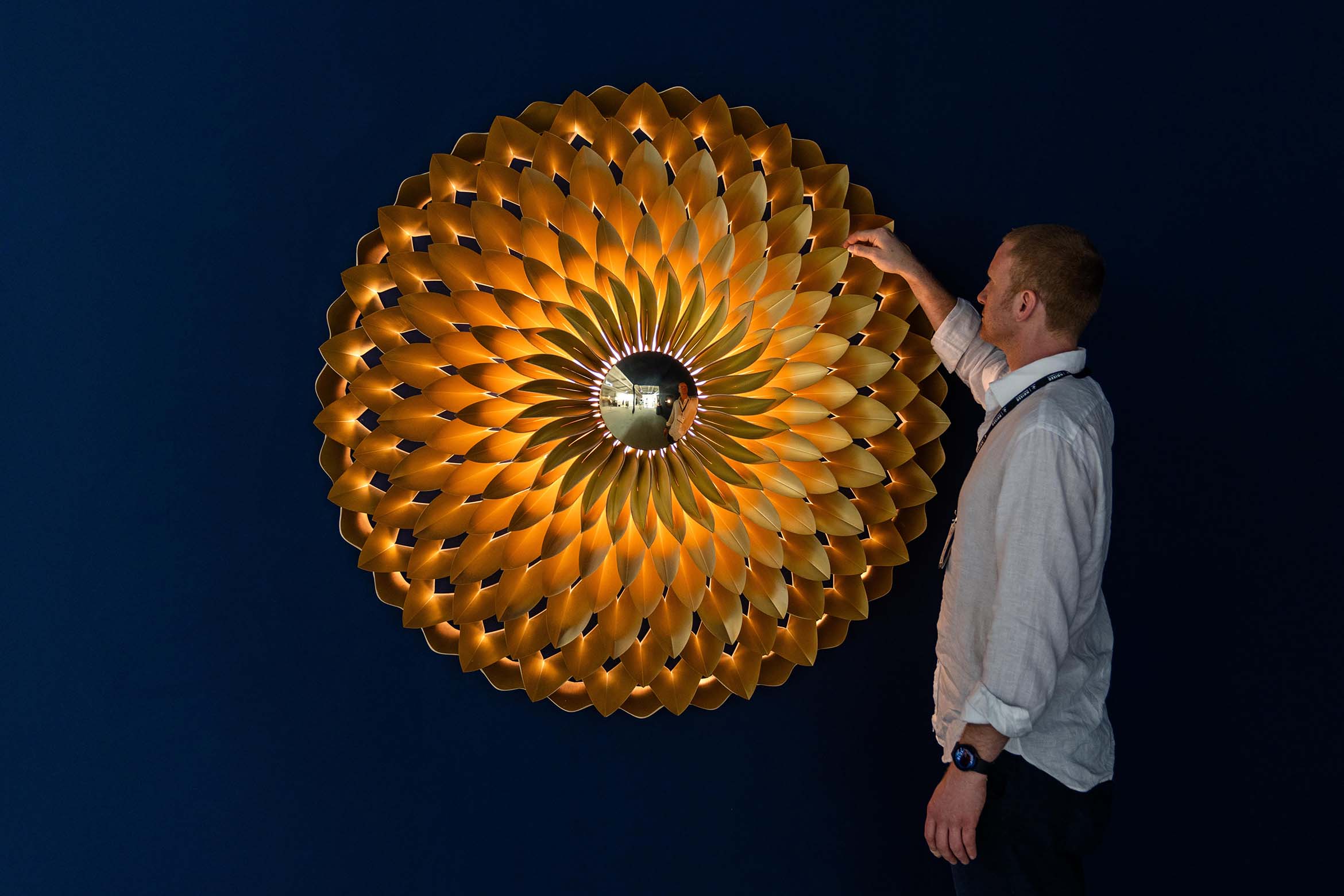
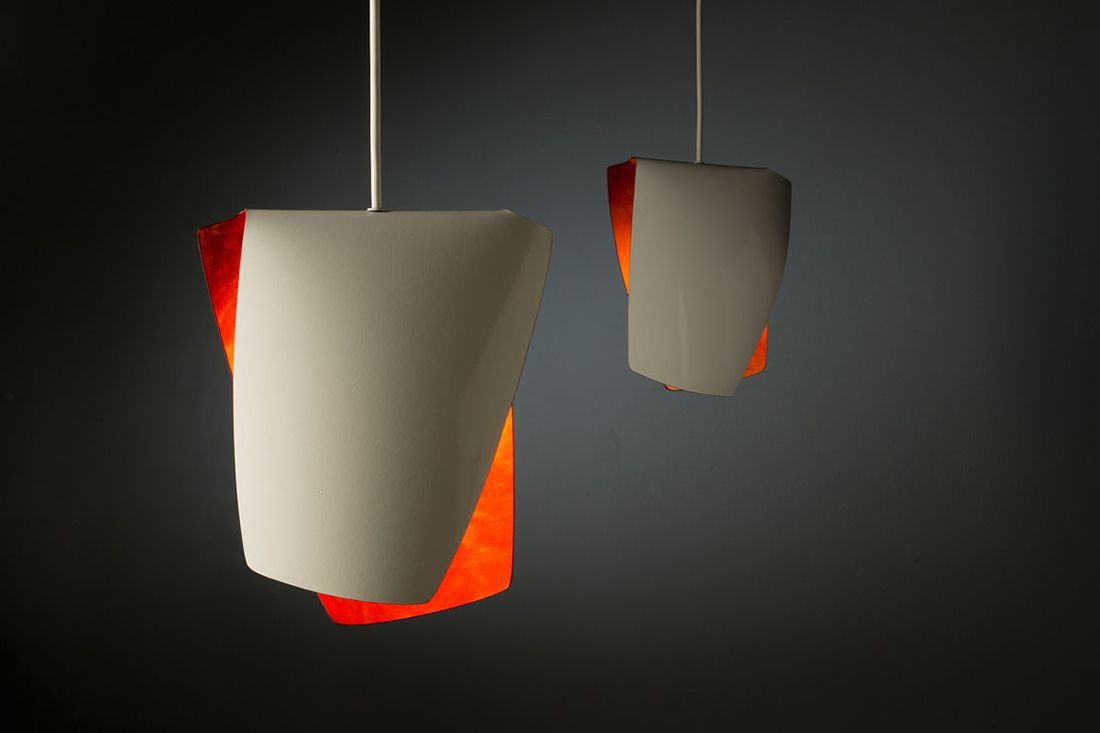
Amongst Foster’s various creations are table vessels, lighting and jewellery – all with Foster’s defining sleek aesthetic. Here are just a few of our favourites.