Australia’s housing market has become daily news. And as our cities continue to balloon, alternative housing solutions are inevitably cropping up. “I think there has been a real maturity, certainly in Melbourne, in terms of apartment living and higher density living options, which is because of the pressure on the city,” offers Jesse Linardi, design director of DKO in Melbourne.
.
“I think there has been a real maturity, certainly in Melbourne, in terms of apartment living and higher density living options.” – Jesse Linardi, design director, DKO
.
He elaborates on this insight, “the kind of offering that you saw 10 years ago was really driven by demand and not necessarily design. Now I feel that people are looking for design as well as locations and offerings.”
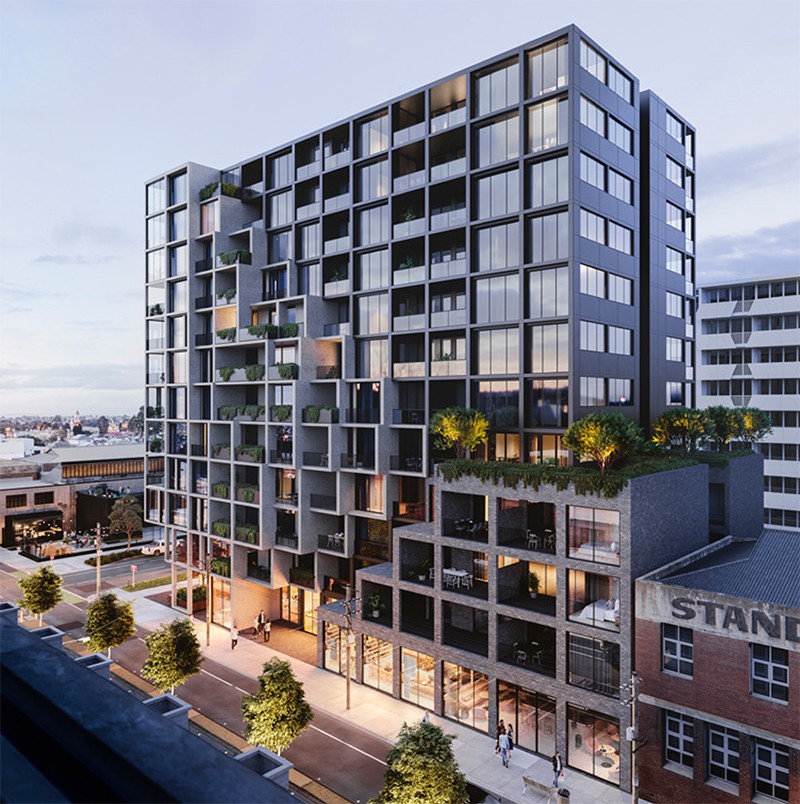
Exterior of Kincaid in Preston.
More often than not, these changing styles of developments are coming from architects. “A lot of the time, it does come back to the architect to inform the client. Developers might have been doing it for a long time, but they’re generally a little bit behind what the people on the edge are doing,” says Linardi.
.
“We’re trying to do something a bit different architecturally because I think people are definitely interested in design. And it adds something to the story.” – Jesse Linardi, design director, DKO
.
Driving a new ilk of multi-residential developments, Linardi is not afraid of testing or trialling new models of high-density living both for clients and for himself – from his first built house in Preston to the more recent six-storey “hyper-terrace” in Collingwood, which makes use of an awkward inner-city plot.

Twin townhouses, a “hyper terrace” by DKO and Slab Architecture. Photo by Tom Blachford.
In Preston, no more than 50-metres up the road from his first house is another new development. Kincaid is a 100 apartment building and will integrate many of the elements that Linardi says are crucial to a successful high-density project. “The roof has a garden and a pool. It has great views back to the city. There are a whole lot of amenities like gyms and a theatre,” says Linardi, and “the whole ground level is activated.” This is an important feature that speaks to a deeper shift in how people are choosing to live.

Kincaid in Preston.
“What’s happening at the moment in high or medium density is the engagement of a real sense of community. So we’re trying to get people to engage with their neighbours, which we do by having smaller cores giving people more opportunity for encounters. It’s also really important to create interaction with the street level,” says Linardi.

Linardi is using the value of design to keep pushing the housing market. Other projects on the horizon include a series of vertical townhouses in Richmond and another progressive infill project in North Melbourne. “We’re trying to do something a bit different architecturally because I think people are definitely interested in design. And it adds something to the story,” he closes.
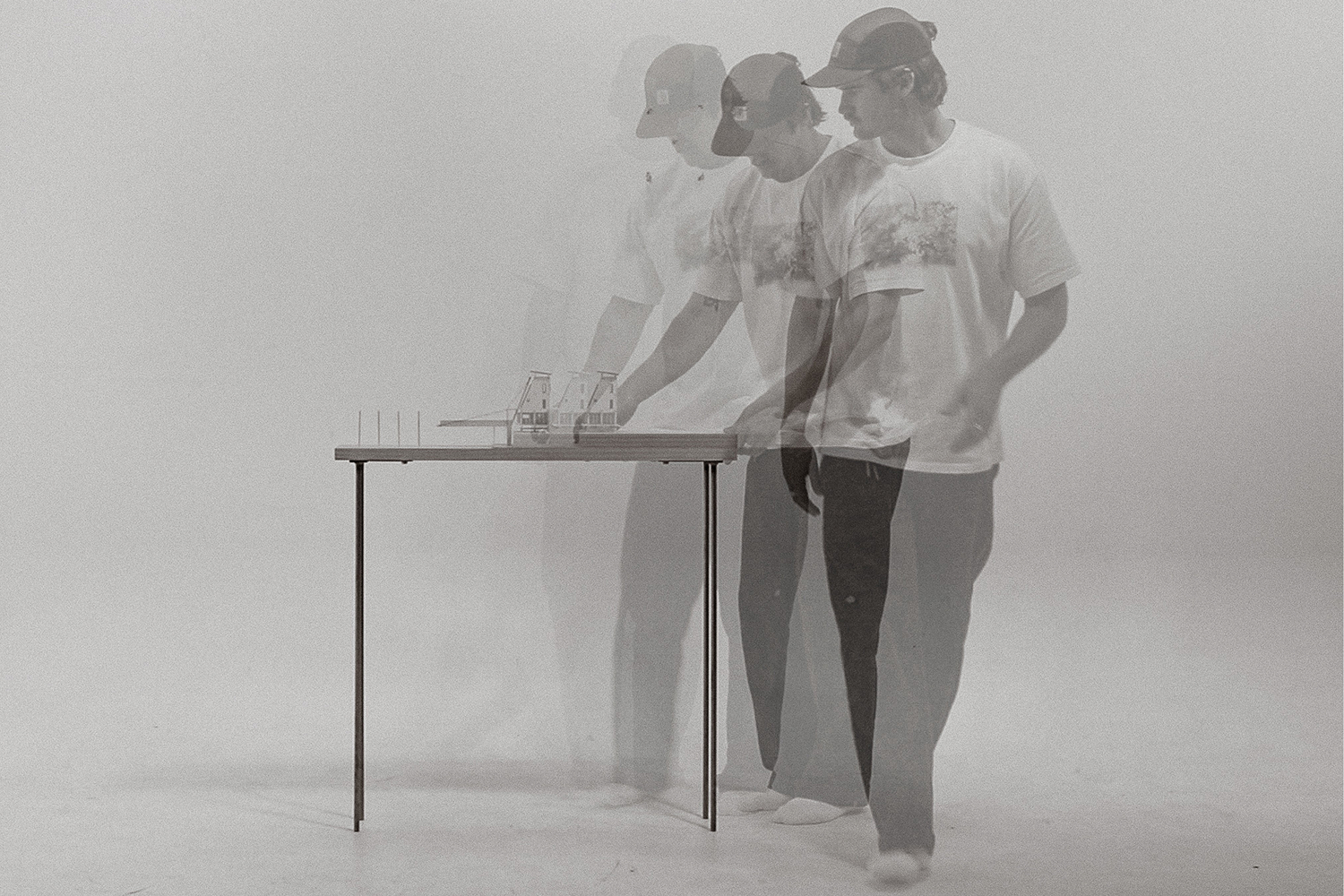
Renders by Mr P and portrait courtesy DKO.
We recently spent five minutes with DKO Sydney’s head of interiors.
–
Get more like this in your inbox. Sign up for our newsletter now.