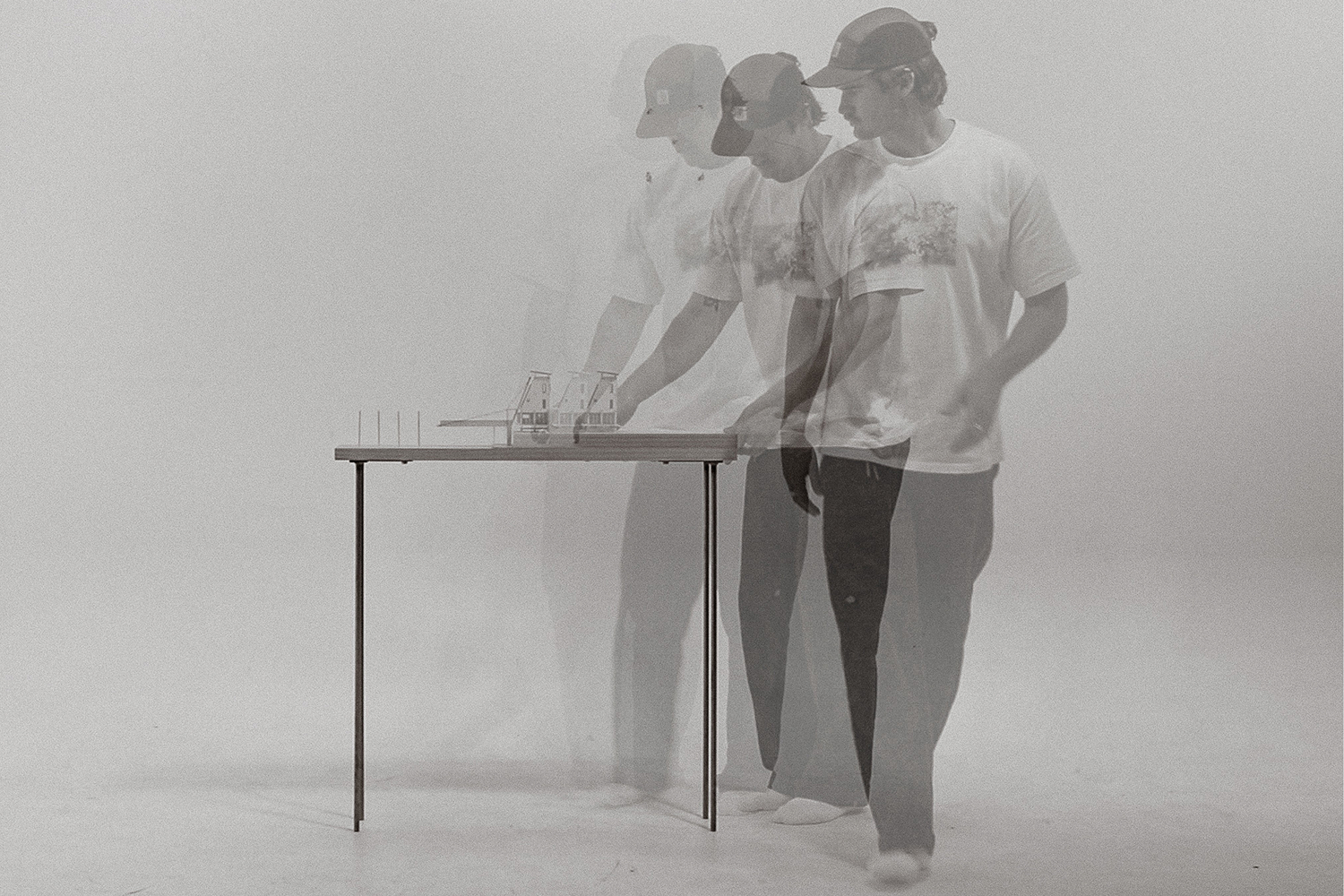
Gabriel Tan’s award-winning design practice works across the borders of craft, culture and technology. Exploring new ways to interpret luxury and break archetypes, his eponymous studio works on design, curation and creative direction for local and international clients.
One of Singapore’s most progressive designers, Tan is a veteran in forming design collectives and initiating collaborative projects that have never failed to produce interesting outcomes.
Cases in point: the Furnishing Utopia project at the Hancock Shaker Village in Massachusetts and the Ariake furniture workshop in Japan. Tan has also served as a jury member at the Cannes Lion International Festival of Creativity and is one of the co-founders of global design collective Outofstock.
Can you share some thoughts on Singapore’s current creative scene?
I think it is burgeoning with much more interdisciplinary collaboration between product/furniture designers, graphic designers and architects. On the other hand, I would also love to see more independent designers in their early to mid twenties enter the scene.
What are some of the things that drive your practice?
Collaboration and bringing creative minds together is one of the things that excites me and drives my practice. I also like to dive deep into cultural context, study historical archetypes and think of ways we can merge tradition and new perspectives.
What are you looking forward to seeing and experiencing in SGID17?
I’m looking forward to reconnecting with old friends and making new ones, and hope to discover a new part of the design scene here that I never knew.
What did you enjoy the most at past SGID editions?
I enjoyed attending the talks and dialogue sessions, the creative exchange of ideas between my peers and different industry leaders. I think its important to look beyond our own practice. I look forward to seeing the exciting programme lined up for this year.
At Singapore Indesign 2017, you have the chance to get a five-minute one on one time with Tan at the Cosentino showroom and walk away with a prize. How? Click here for details!