The home of architecture and design in the Asia-Pacific
Get the latest design news direct to your inbox!

Get the latest design news direct to your inbox!
Renata Pozzoli shares her journey of building a brand from scratch. For over two decades, longstanding bonds have been vital as part of Living Divani’s values – all a testament to its continuous delivery of versatile and quiet pieces, writes Stephanie Peh.

November 6th, 2014
Living Divani’s humble beginnings traces back to 1969 when Renata Pozzoli had just completed high school. She took over a small upholstery workshop with merely three employees. In the same year, she married Luigi Bestetti. The couple set to trademark their upholstery system by combining traditional production with refined raw materials.
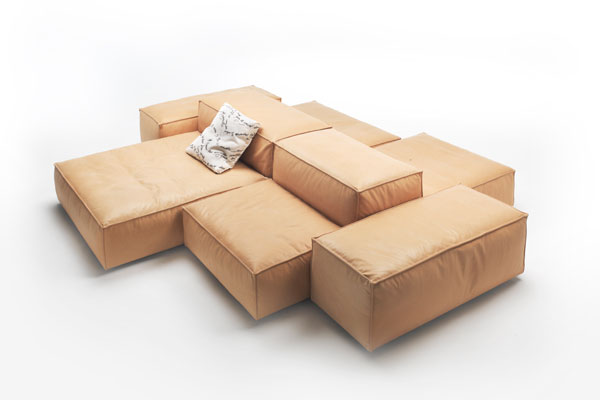
Extra Soft
As the company developed, Pozzoli had a desire to create a modern and clear identity for Living Divani. This lead her to a strategic meeting with architect Piero Lissoni in 1988. Fresh out of graduation, Lissoni had nothing concrete to sell, except a vision which resonated with the chairwoman immediately.
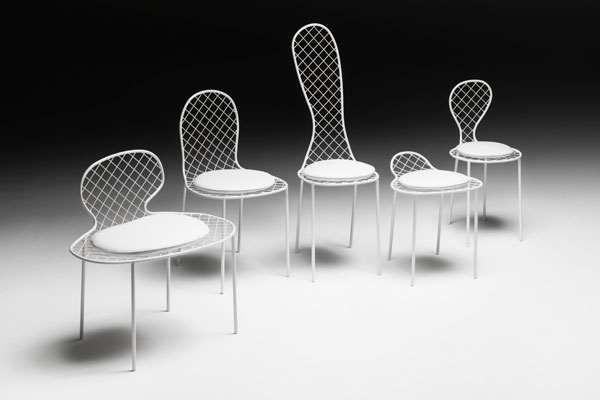
Family Chair
Lissoni became the designer and art director for Living Divani where the foundation of their collaboration was built based on trust. They have not stopped working together since. Lissoni also designed Living Divani’s 1,670 square metre headquarters in the Italian furniture district, Brianza. The horizontal architecture expresses the company’s spirit and approach to design, bearing qualities of lightness and clean-cut forms.
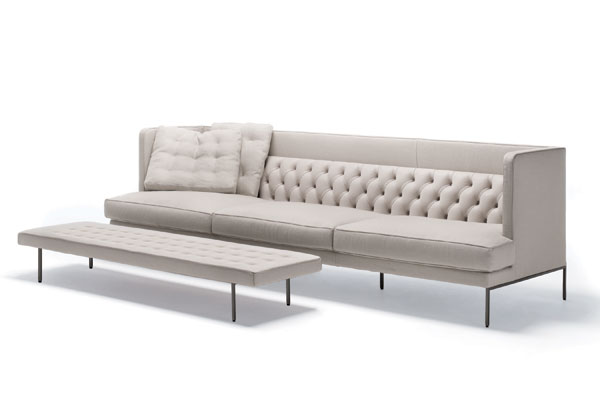
Lipp
Harmonious proportions and a feeling of understated luxury defines Living Divani’s products. “The collection of Living Divani has common denominators, they are very elegant and refined, but it is the kind of elegance that is never shouting, it is discreet,” shares Pozzoli, whose appearance is reflected similarly.
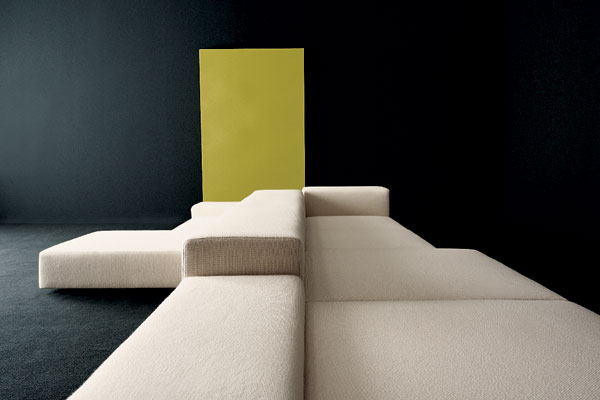
Extra Wall
The Wall sofa designed by Lissoni in 2002 is characterised by a basic form with unusual volumes and wide platforms, formulating a new concept – elements of the sofa are placed directly on the floor. An organic evolution led to the creation of Extra Wall, a modular and flexible version that allows for multiple configurations across different settings.
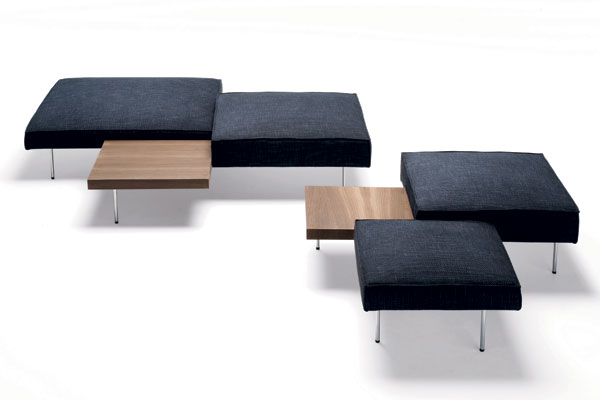
Upland
“Another very important characteristic [of Living Divani] is also continuity,” she added, referring to the efforts of enriching their lines by developing them into families of Outdoor and Night collections. Over time, Living Divani created a complete living environment around their trademark upholstery system, designing and producing seats, armchairs, beds, tables, bookcases and carpets.
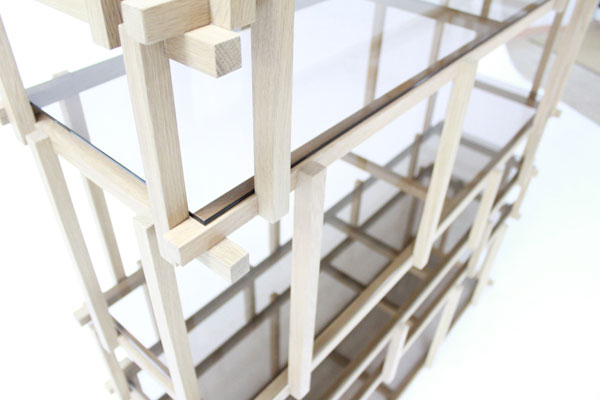
Off Cut
Pozzoli’s daughter, Carola Bestetti is also a part of the family business. Her work with a new generation of designers such as David Lopez Quincoces, Giopato & Coombes and Singaporean designers Nathan Yong and Studio Juju, opens new roads and also continues her parents’ years of blood, tears and sweat.
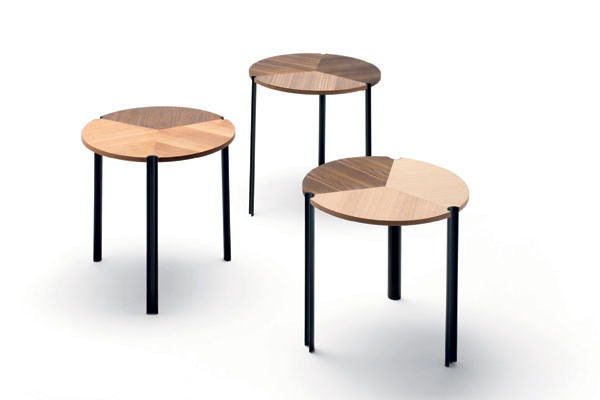
Starsky
The design process of Living Divani subscribes to the saying, ‘Less is More’. “In order to achieve the ‘less’, you have to do important studies in terms of functional research and material, which is not always immediate. You run into risks because you do a lot and you are not sure what the market response will be, but we never compromise in terms of design or quality,” affirms Pozzoli. Before heading out of the headquarters, every product is quality controlled by Pozzoli herself.
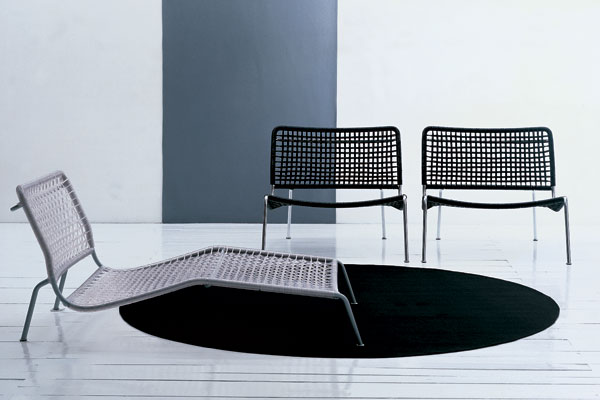
Frog Lounge
“We think that our products will last, elegance will remain in time. This is proven. We have products that are going to be 20 next year,” Pozzoli shares. As the Frog chair turns 20 in 2015, Living Divani will be inviting students to create their personal interpretations of the iconic lightweight, giving it new life.
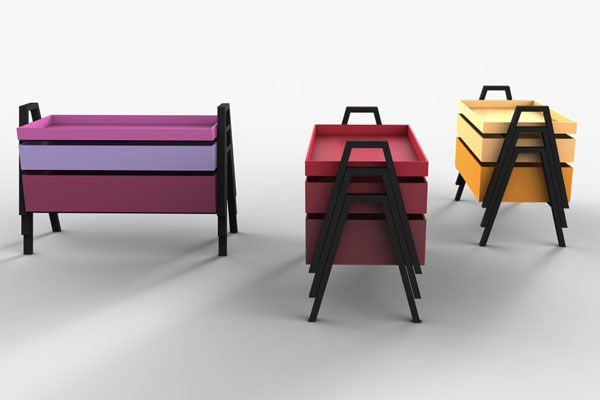
Stack Table
When asked about her proudest moment, Pozzoli reveals, emotionally, that every single memory and moment of her career is important. If she had to highlight a significant milestone, it would be the invitation of Living Divani in 2012 to become a member of the prestigious Altagamma, a foundation that gathers the best Italian companies who operate on high-end production, expressing Italian culture and style in all aspects of the business.
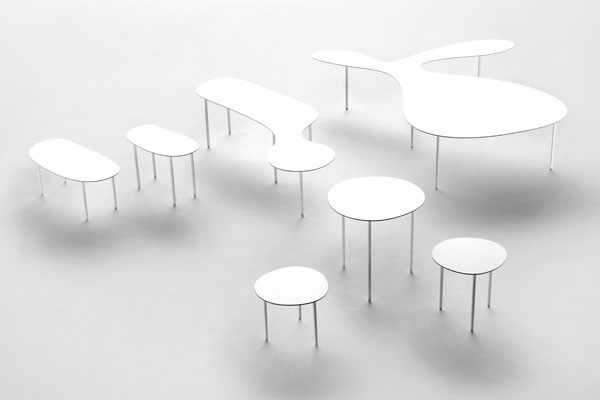
Rabbit & the Tortoise Collection
At 67, Pozzoli shows no sign of slowing down – she is in the office before and after her staff. While Living Divani has reached a high level of internationalisation through collaborations with top showrooms around the world, she remains headstrong in her vision. “Every idea can create a new tendency, a new idea of life and mood. We will try to maintain and respect the philosophy of our collections and products by continuing to propose light and easy forms that are elegant and refined,” she concludes.
Living Divani is carried in Singapore at DREAM.
INDESIGN is on instagram
Follow @indesignlive
A searchable and comprehensive guide for specifying leading products and their suppliers
Keep up to date with the latest and greatest from our industry BFF's!
The internet never sleeps! Here's the stuff you might have missed