Klein Bottle House| Brief and Design
The Klein bottle is a descriptive model of a surface developed by topological mathematicians. Klein bottle, mobius strips, boy surfaces, unique surfaces that while they may be distorted remain topologically the same. I.e. a donut will remain topologically a donut if you twist and distort it, it will only change topologically if it is cut.
The surfaces that mathematicians have developed hold intrigue for architects as they hold a promise of new spatial relationships and configurations. Technology (CAD) has played an important part in all this, it is now more possible to efficiently describe more complex shapes and spaces and communicate these to the build. Previously the more orthogonal means of communication – plans, sections and elevations naturally encourage buildings which are more easily described in these terms, i.e. boxes.
This holiday house is situated on the Mornington Peninsula 1.5 hrs drive from Melbourne. It is located within the tee–tree on the sand dunes, a short distance from the wild 16th beach. From the outset MCR wanted a building that nestled within the tree line. That talked about journey and the playfulness of holiday time. What began as a spiral or shell like building developed into a more complex spiral, the Klein bottle. MCR were keen to be topologically true to the Klein bottle but it had to function as a home. We thought an origami version of the bottle would be achievable and hold some ironic fascination. (The resulting FC version also has a comforting relationship to the tradition of the Aussie cement sheet beach house).
The building (we think) is also within that tradition of the use of an experimental geometry that could be adapted to more suitably meet contemporary needs, and desires. In that sense it is within the heroic tradition of invigorating the very nature of the home, most notable of this tradition would be the great experimental heroic houses by Melbourne architects in the 50’s (McIntyre and Boyd in particular).
The house revolves around a central courtyard, a grand regal stair connecting all the levels. There is a sense of both being near and far to all occupants.
Its endless, curling shell-like quality particularly in the tee tree brings about a comforting togetherness.
Materials?Exterior: Metal sheet, Lysaght ‘Cladding Profile’ Night Sky / Fibre Cement Sheet/ ‘Pomegranate’?Tretford Carpet / Bamboo Veneer (BT Bamboo, Eco Flooring Systems P/L)/ White Signorino Tiles/?Glass Mosaic Tile/ Paint colours: Elephant, Antique White 50%, Pearl Ash, Red Clown, Spanish?Olive, and Black
Klein Bottle House?Floor Area: 258m2 approx?Principal Architects: Rob McBride, Debbie-Lyn Ryan?Project team: Drew Williamson, Fang Cheah?Clients/Builders: Donna & Mark
McBride Charles Ryan?McBride Charles Ryan?architecture + interior design?tel: (03) 9510 1006 fax: (03) 9510 0205?4/21 Wynnstay Road Prahran VIC 3181
The Bottle House
Published
By
jesse
Klein Bottle House| Brief and DesignThe Klein bottle is a descriptive model of a surface developed by topological mathematicians. Klein bottle, mobius strips, boy surfaces, unique surfaces that while they may be distorted remain topologically the same. I.e. a donut will remain topologically a donut if you twist and distort it, it will only change […]
Latest Projects
News
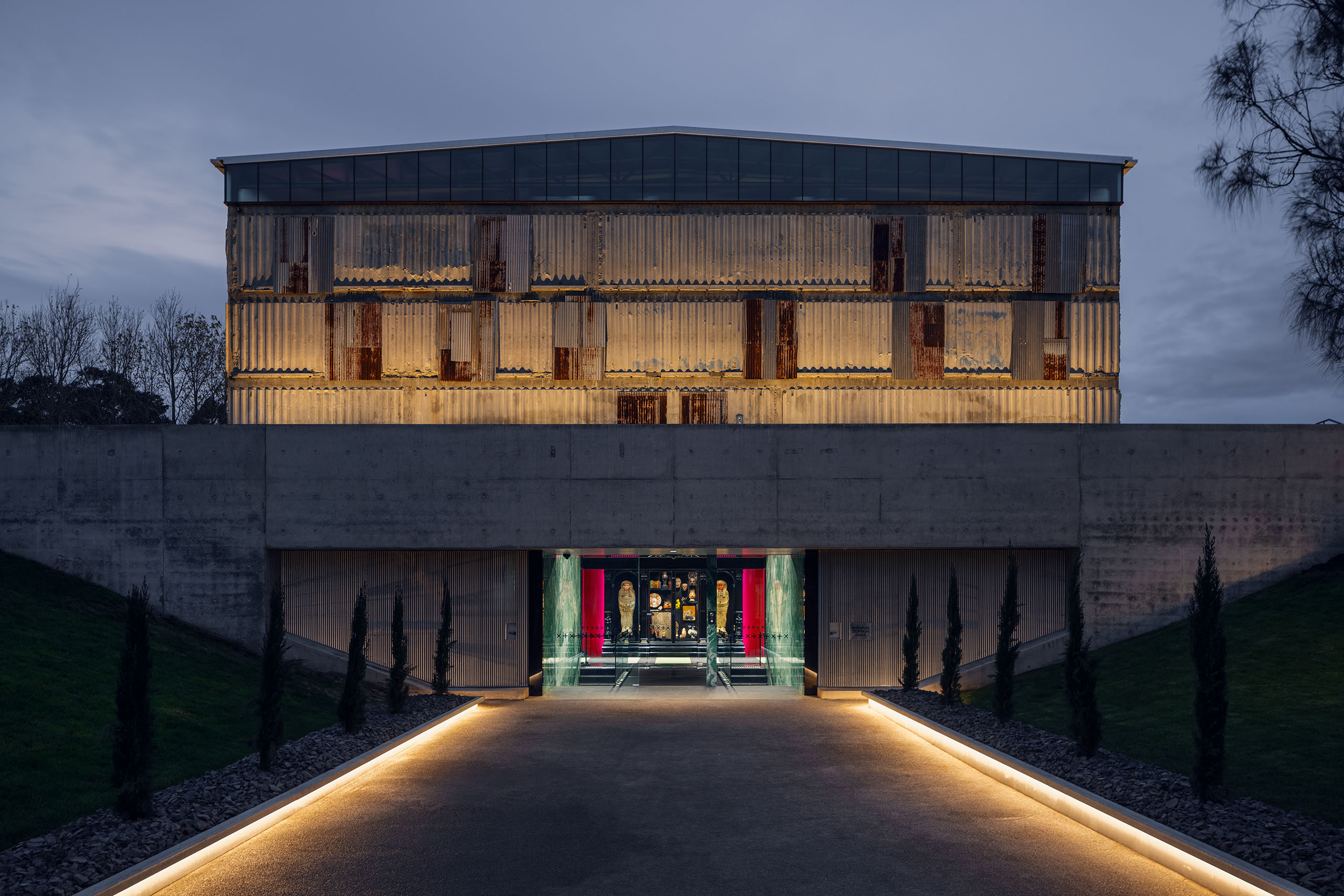
Phrontisterion: The labyrinthine new library of Mona
Occupying the space beneath the mammoth artwork Elektra by Anselm Kiefer, Phrontisterion is the new library within the Museum of Old and New Art (Mona) in Hobart.
QLD
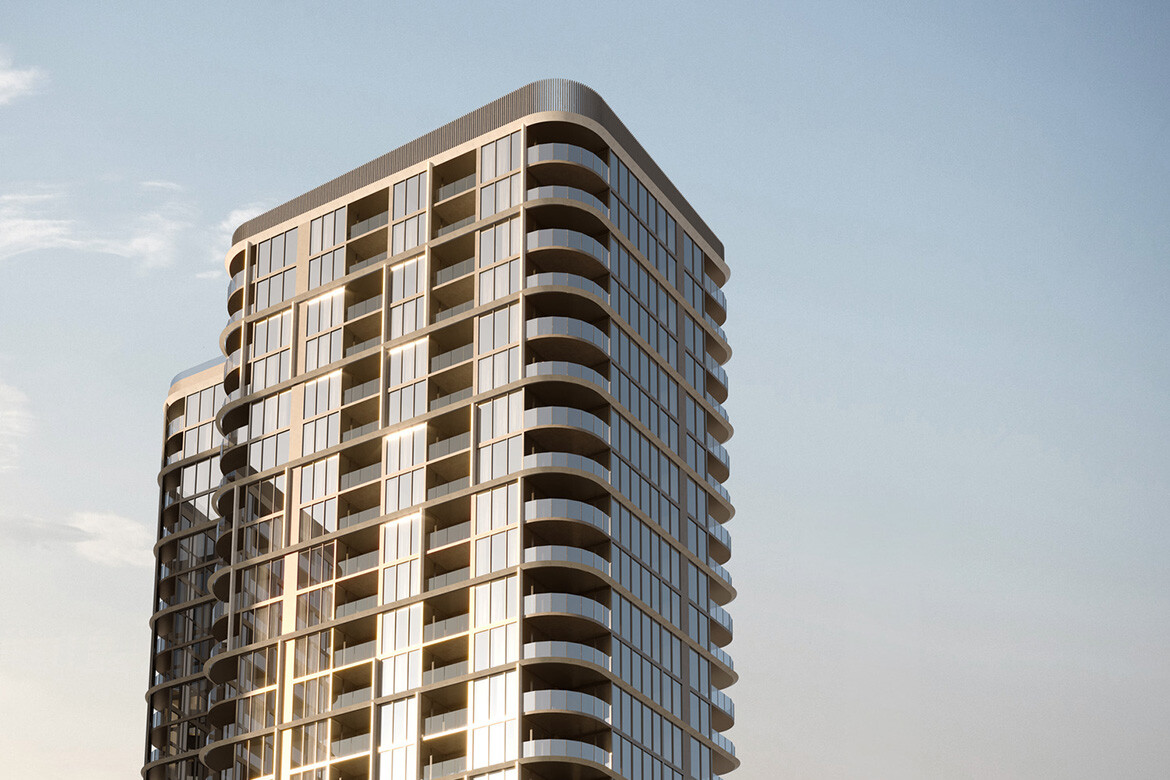
Living outside the box
At Northshore Hamilton, Plus Studio’s Danny Juric is looking beyond the apartment tower as an isolated object, drawing on mature trees, Brisbane’s subtropical climate and the rituals of outdoor living to shape Duet.
Workplace
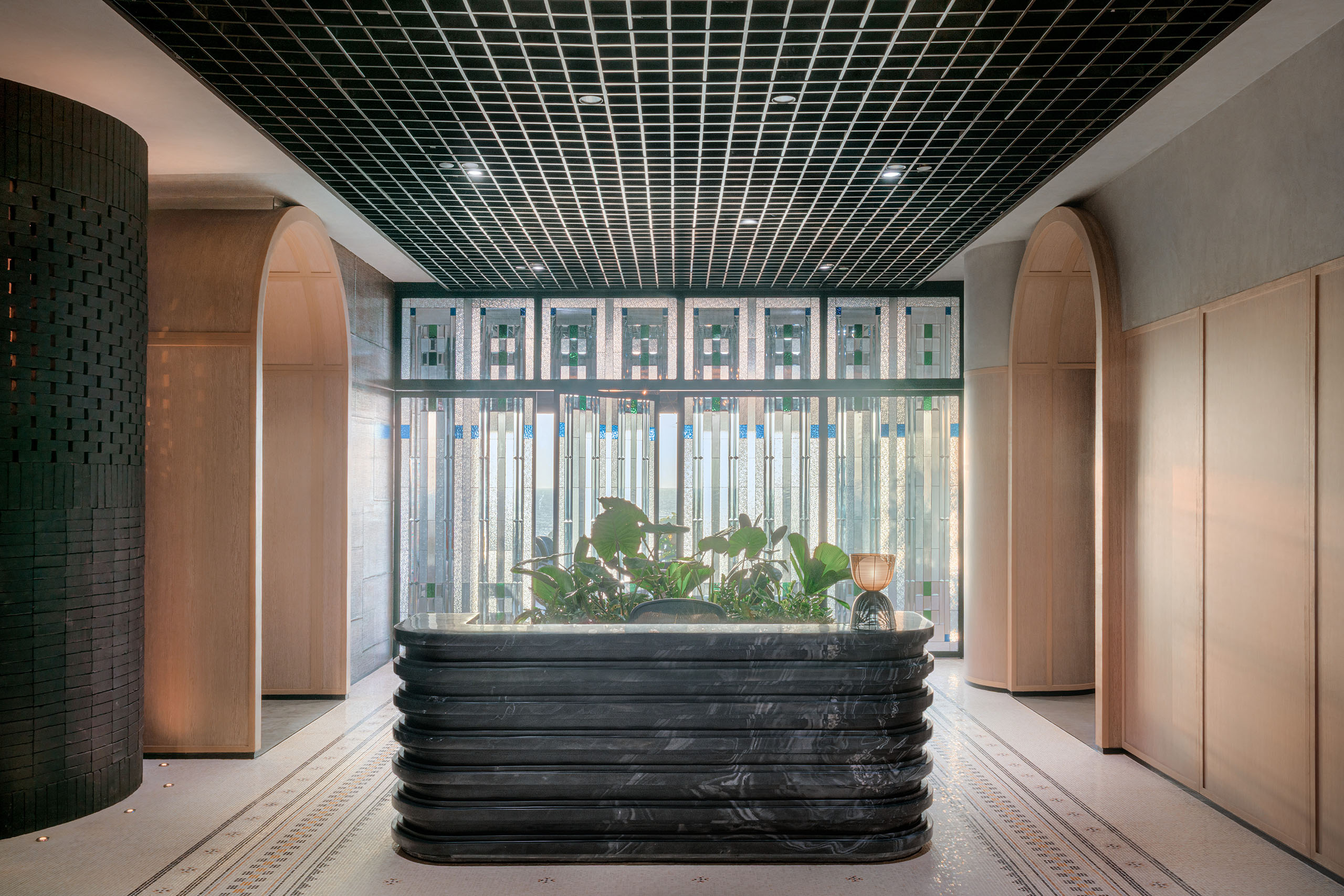
The butterfly workplace
A new workplace by lyth Design for ChrysCapital in Mumbai is both creative and original and enhances the everyday working life through its innovative design.
Project
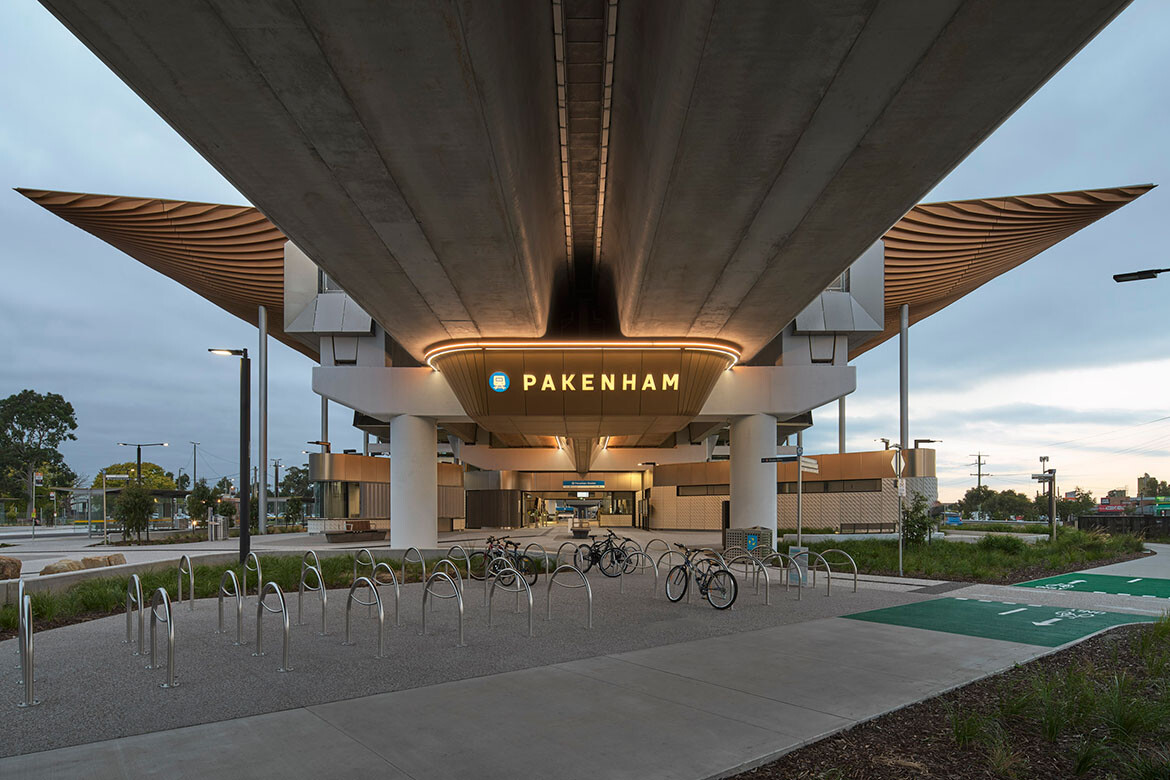
A civic gateway for Pakenham
Genton’s Pakenham Station transforms a utilitarian transport interchange into an open civic landmark, reconnecting the town through landscape, public space and infrastructure designed around Country.