Museum of Bristol by LAB Architecture
Published
By
jesse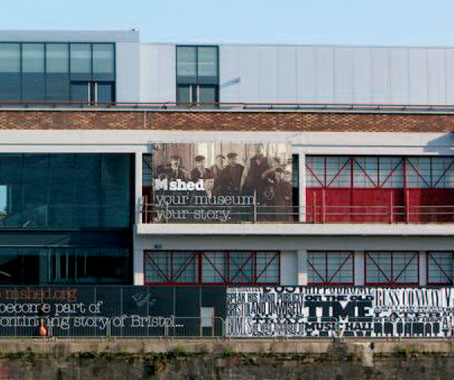
A steel-framed cargo shed has been turned into a significant cultural icon by the team at LAB Architecture.
LAB Architecture, the international practice with studios in Melbourne, London, Shanghai and Dubai, recently celebrated the opening of their project M Shed, the new Museum of Bristol.
The original building, a transit shed for storing goods, was constructed in 1951 and is located in the heart of Bristol on the quayside of the city’s Floating Harbour.
Housing a collection of cranes, steam trains, boats and other industrial objects, the building forms a key part of Bristol’s cultural and history – which had to be both respected by and reflected in the new design.
The sliding doors of the shed’s north façade were carefully restored from the damage of corrosion and dents, with replica doors added where needed to preserve the original features of the façade.
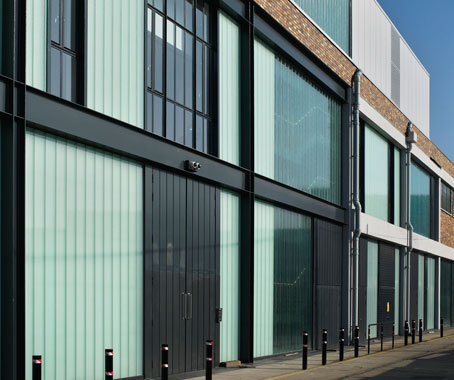
The shed’s concrete frame was left exposed, and the doors painted bright red to replicate the original colour of the building.
“The very nature of the façade is an undifferentiated repetitive frame, yet it was important to create an entrance that was visibly inviting, both from across the harbourside and on the oblique approach on the quayside,” said the architects.
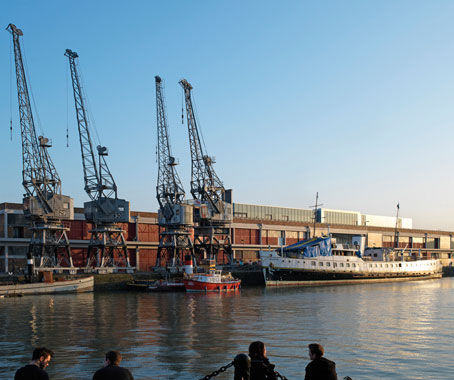
“The entrance was probably our most radical intervention, formed by demolishing a column and part of the loading platform and inserting an inclined 2 storey glazed foyer.”
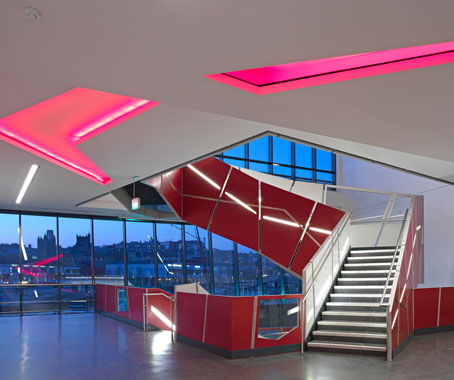
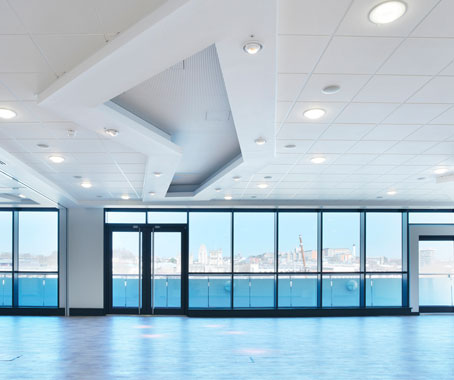
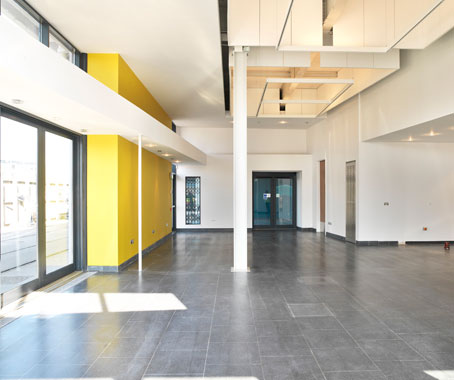
Inside, the 2 foyers – the West Foyer and the Main Foyer – are dramatic spaces with views over the entire city.
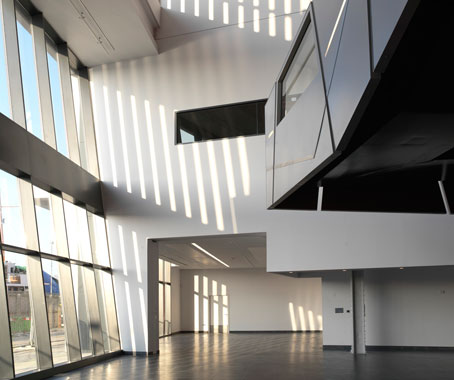
Overcoming the limitations of a tight budget and taking into consideration the heritage of the existing building and site, the architects have created a contemporary facility that “is a fitting tribute to all the people who have helped shape the city’s history,” said Bristol Councillor Simon Cook.
LAB Architecture
labarchitecture.com
M Shed
mshed.org
Latest Projects
QLD
Living outside the box
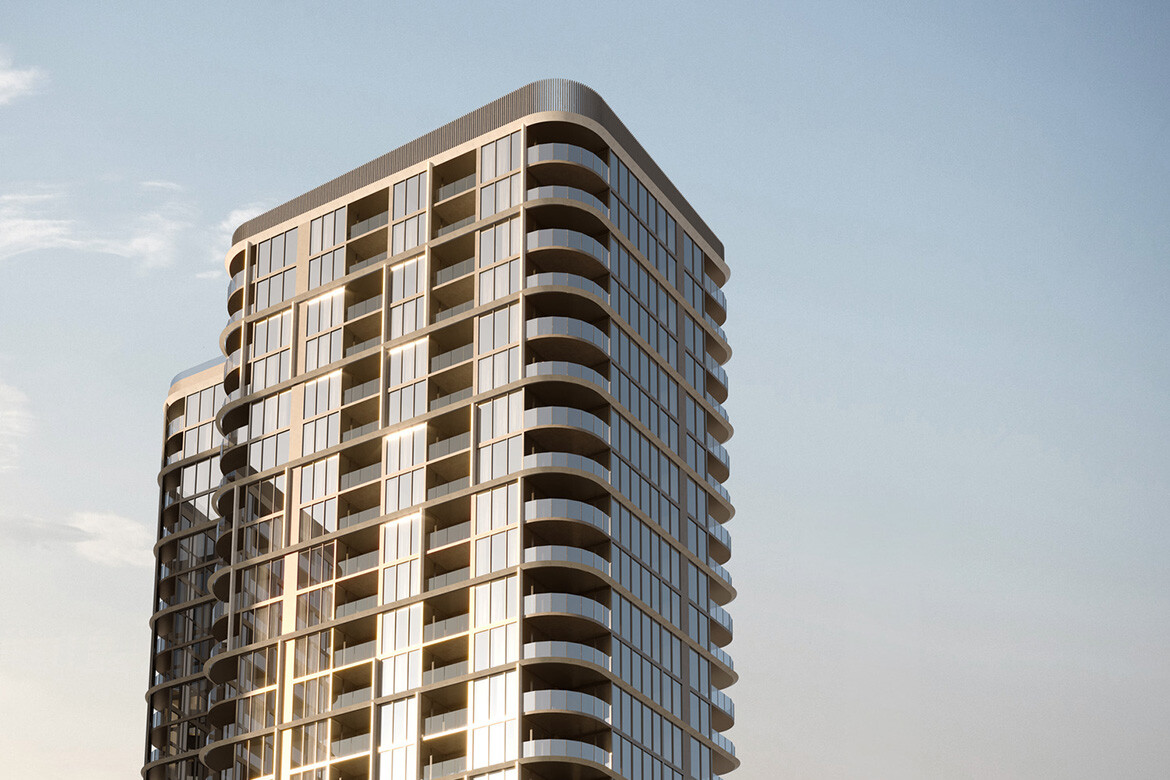
At Northshore Hamilton, Plus Studio’s Danny Juric is looking beyond the apartment tower as an isolated object, drawing on mature trees, Brisbane’s subtropical climate and the rituals of outdoor living to shape Duet.
Project
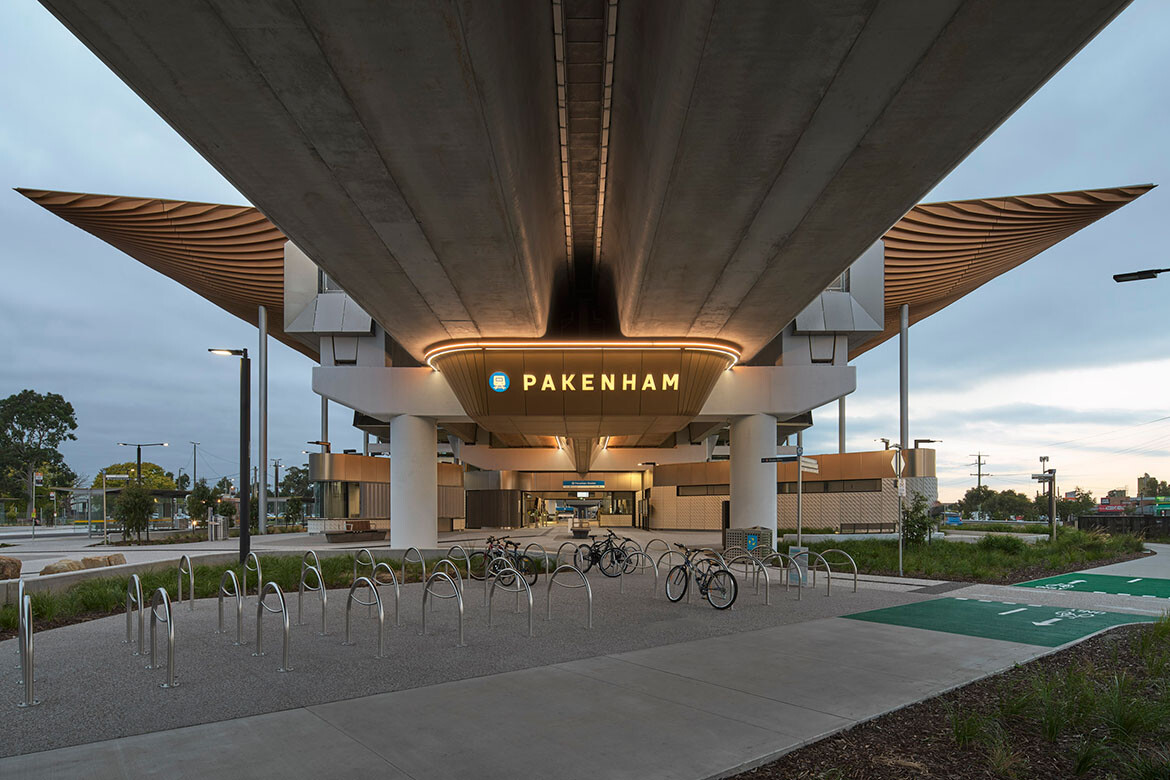
A civic gateway for Pakenham
Genton’s Pakenham Station transforms a utilitarian transport interchange into an open civic landmark, reconnecting the town through landscape, public space and infrastructure designed around Country.
Workplace
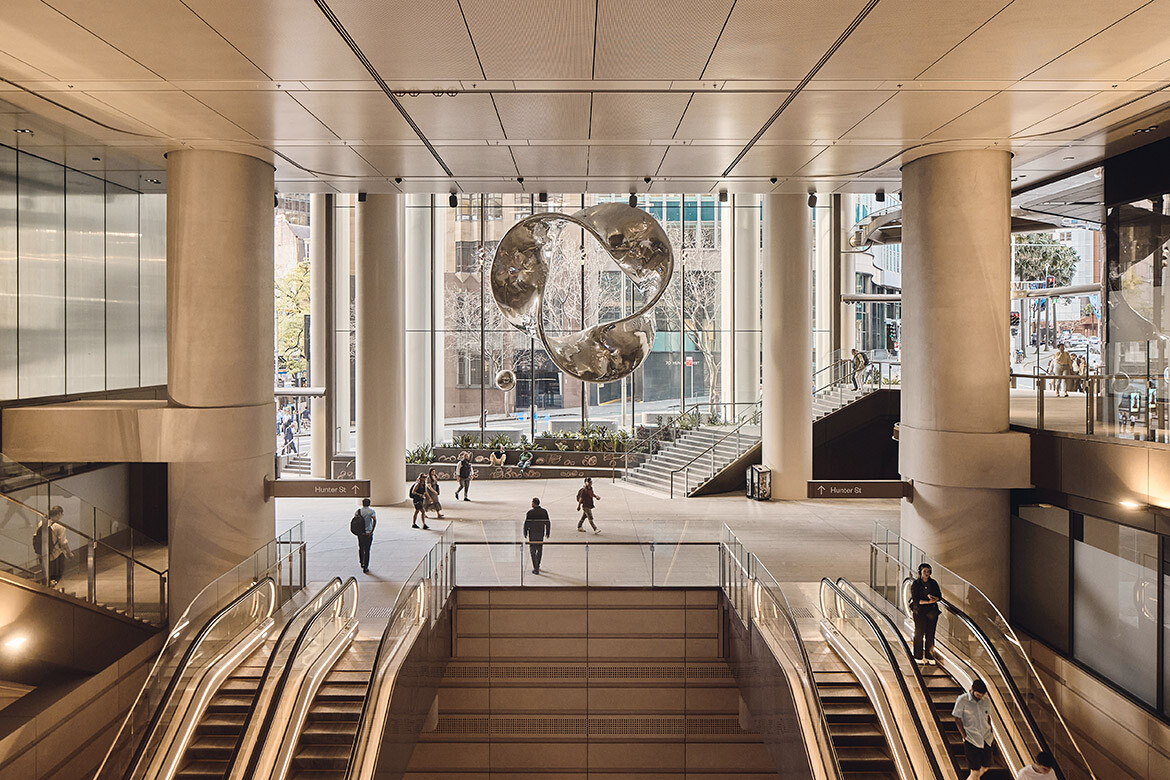
Per atria ad astra
In the very heart of Sydney’s CBD, 1 Elizabeth is a vast civic-scale project that integrates workplace design, transport infrastructure, event spaces, and hospitality around some dramatic void spaces.
Workplace
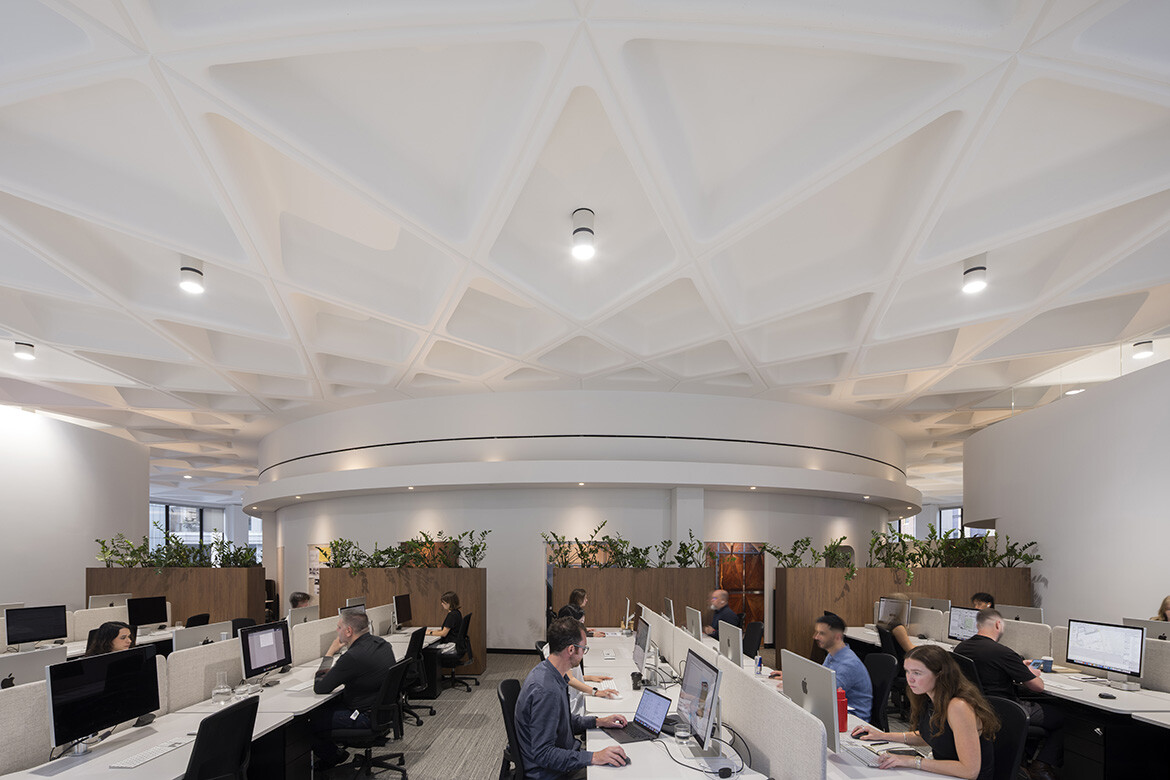
Seidler, Nervi and fjcstudio walk into an office tower
Set within hallowed architectural surroundings amidst the ghosts of Harry Seidler and Pier Luigi Nervi, fjcstudio’s new Sydney home brings geometric clarity and a spirit of creative exchange to a challenging workplace fit-out.