L57 Uniform Factory
Published
By
jesse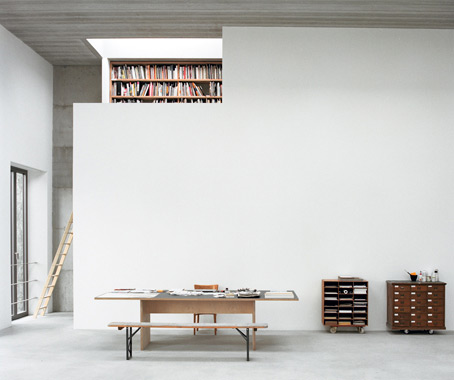
An old uniform factory in Berlin has been transformed into a series of creative spaces for living and work, writes Lucy Bullivant.
Berlin-based architecture practice, Sauerbruch Hutton, is best known for the colourful biomorphic buildings they design.
This immensely talented German-English duo also applies their design skills to converting existing buildings.
Whether working on a new project or converting an existing structure, each building demonstrates a positive contribution to its environment and maintains a human feel.
A similar ethos applies to the workspace in Berlin – an old, brick-clad uniform factory building that dates from 1900 and was formerly a barracks for the Prussian Army – that Sauerbruch Hutton have occupied since 1995 and have recently refurbished.
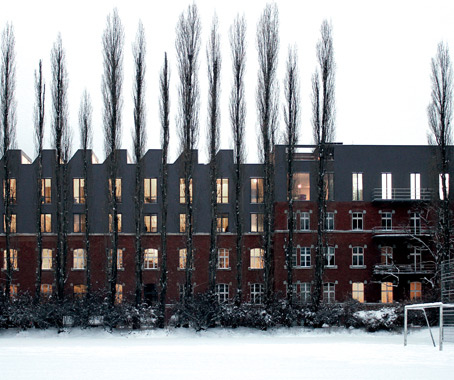
The complex stood empty from the end of the Second World War until the 1970s, when groups of artists and architects rented parts of it from the federal government and began rebuilding.
Today, a variety of artists, architects, designers and filmmakers own or rent parts of the buildings in which they live and work.
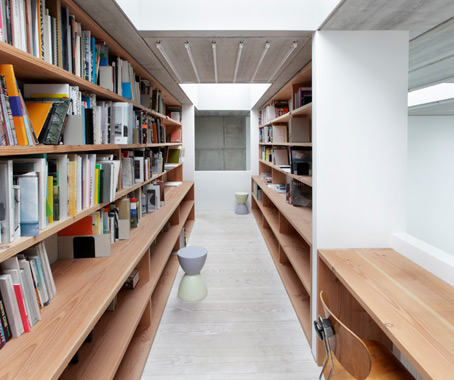
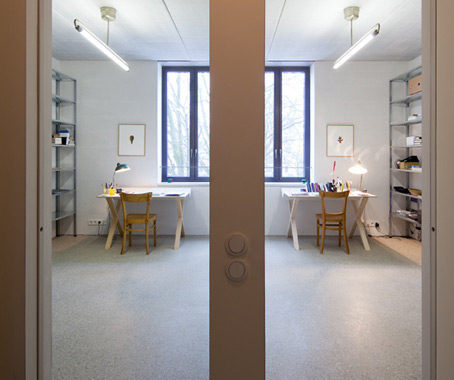
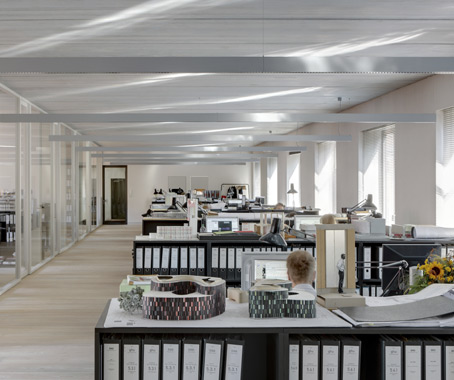
As a result, a new creative, domestic atmosphere has been fostered.
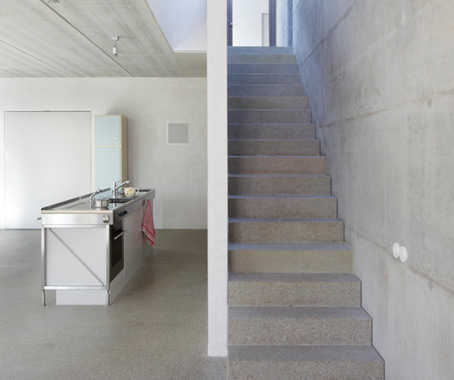
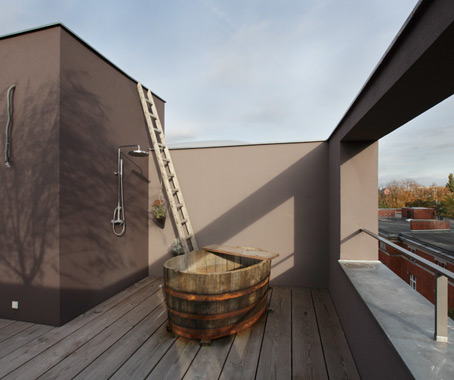
“Everyone became owners,” says Hutton. “We all eat together in the canteen on the ground floor.”
The grounds remain as a series of sports fields belonging to the local community, offering a spacious green backdrop.
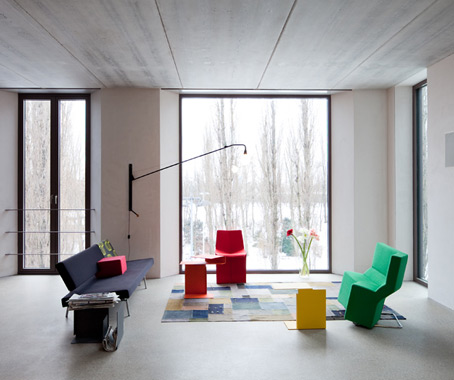
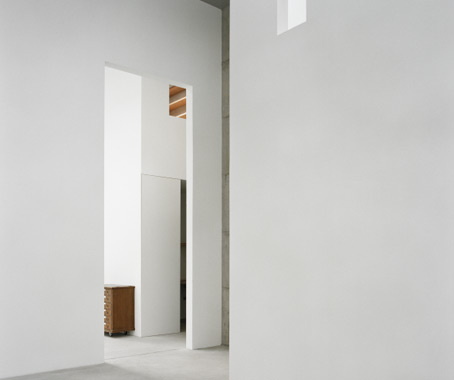
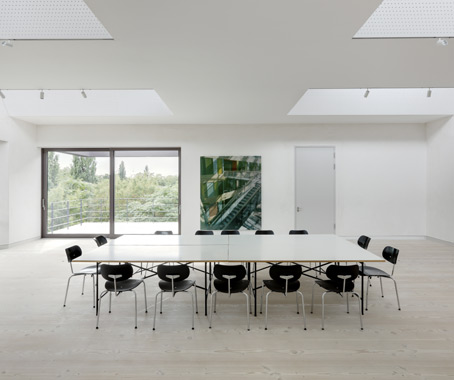
Photography: Annette Kiesling and Karin Sander
This is an excerpt from a story that appears in Indesign #49, available now.
Sauerbruch Hutton
sauerbruchhutton.de
Latest Projects
QLD
Living outside the box
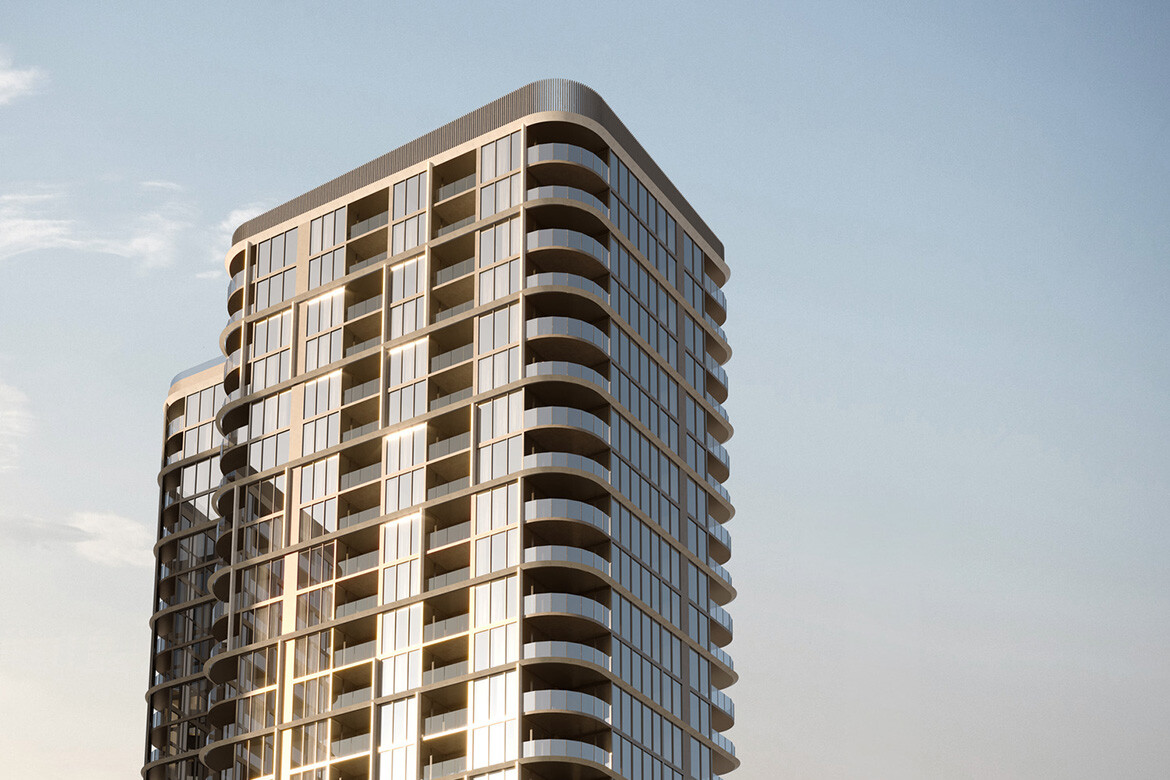
At Northshore Hamilton, Plus Studio’s Danny Juric is looking beyond the apartment tower as an isolated object, drawing on mature trees, Brisbane’s subtropical climate and the rituals of outdoor living to shape Duet.
Project
A civic gateway for Pakenham
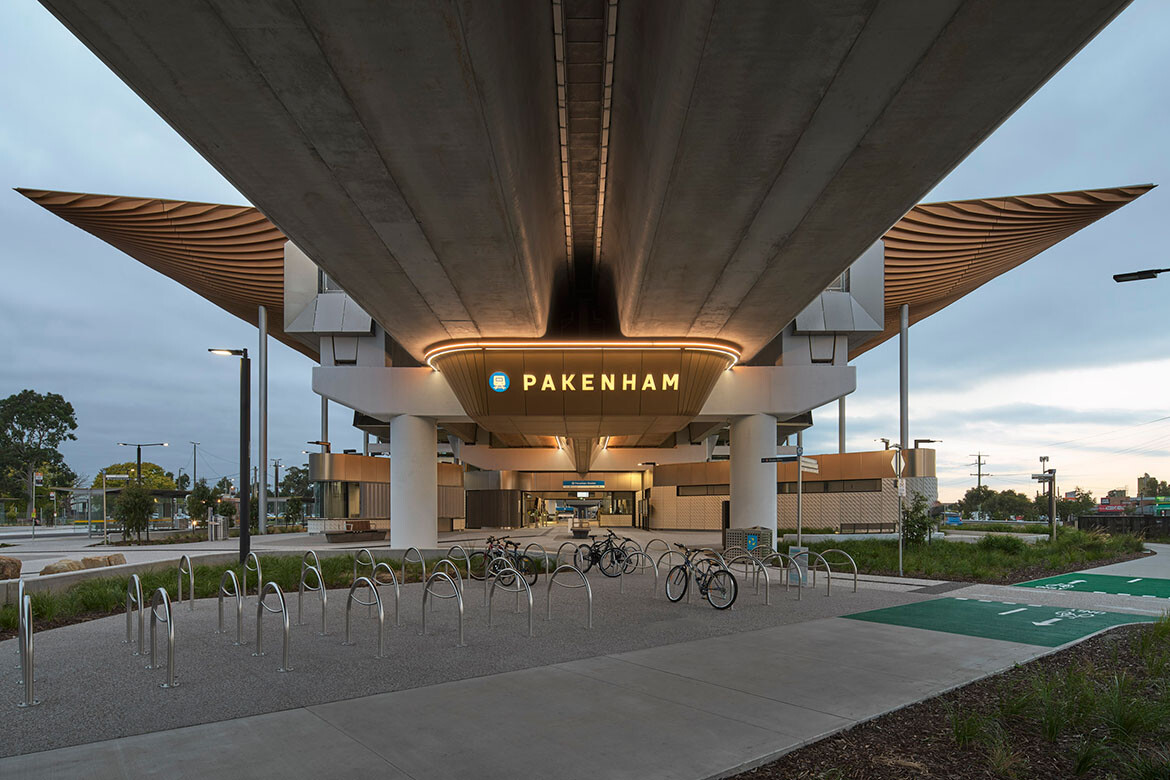
Genton’s Pakenham Station transforms a utilitarian transport interchange into an open civic landmark, reconnecting the town through landscape, public space and infrastructure designed around Country.
Workplace
Per atria ad astra
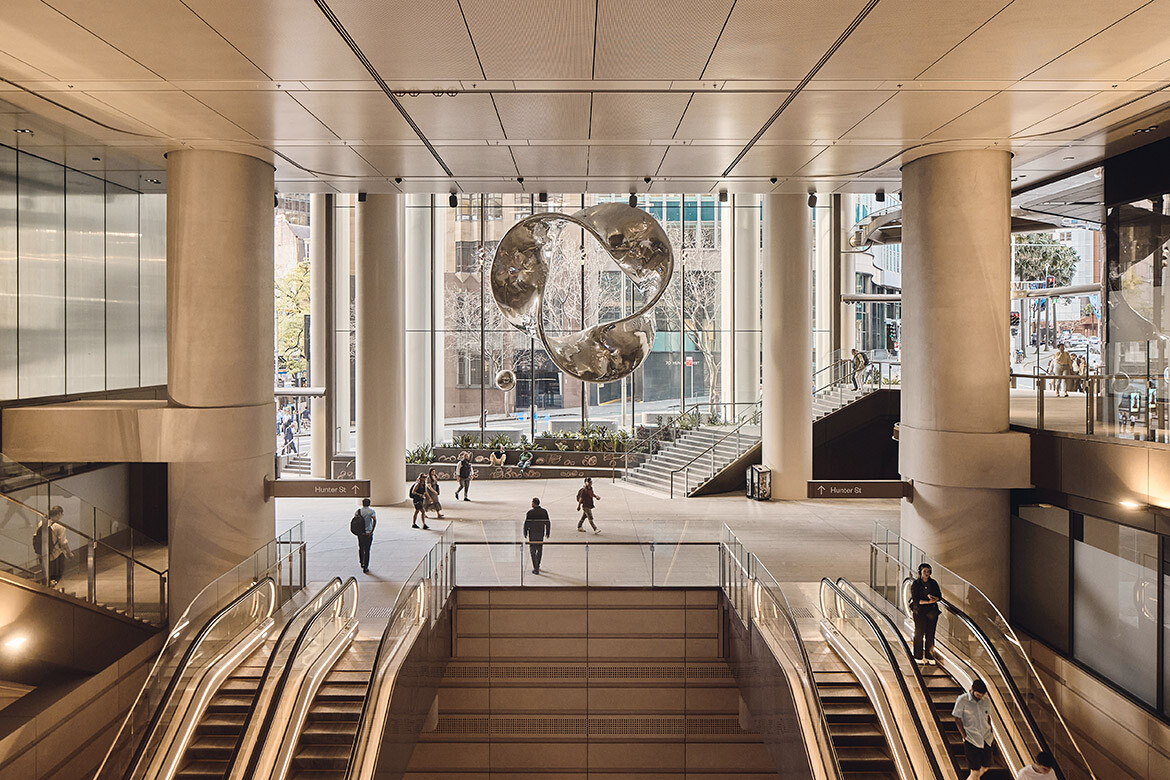
In the very heart of Sydney’s CBD, 1 Elizabeth is a vast civic-scale project that integrates workplace design, transport infrastructure, event spaces, and hospitality around some dramatic void spaces.
Workplace
Seidler, Nervi and fjcstudio walk into an office tower
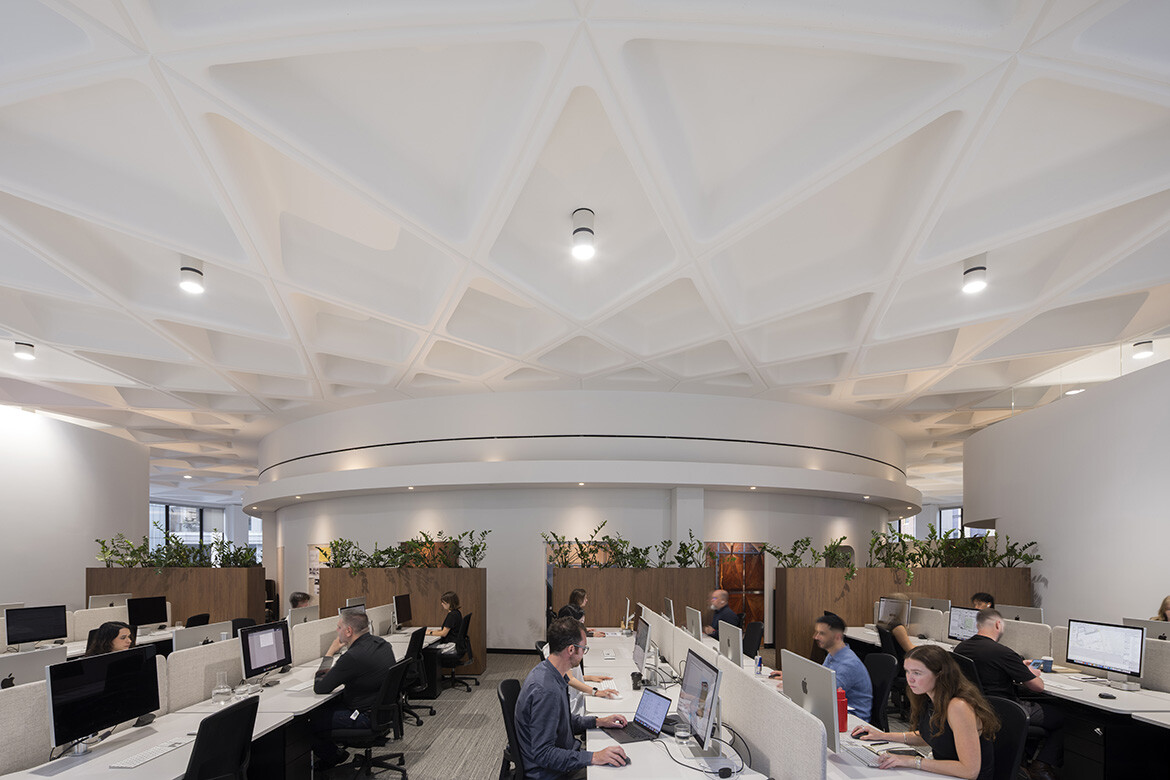
Set within hallowed architectural surroundings amidst the ghosts of Harry Seidler and Pier Luigi Nervi, fjcstudio’s new Sydney home brings geometric clarity and a spirit of creative exchange to a challenging workplace fit-out.