The home of architecture and design in the Asia-Pacific
Get the latest design news direct to your inbox!

Get the latest design news direct to your inbox!
Assembling a stellar collection of brands isn’t as easy as you think. It’s a real art that few get right, and takes serious skill. So what are the top three things the industry should know about the art of brand curation?
August 5th, 2015
Design supply is about far more than throwing a random group of designers together and setting up shop.
It’s not enough to just ‘like’ a product or a designer because you think they will make you some serious cash. Consumers and industry specifyers are MUCH smarter than that, and now more than ever they are demanding something more honest and meaningful from their suppliers.
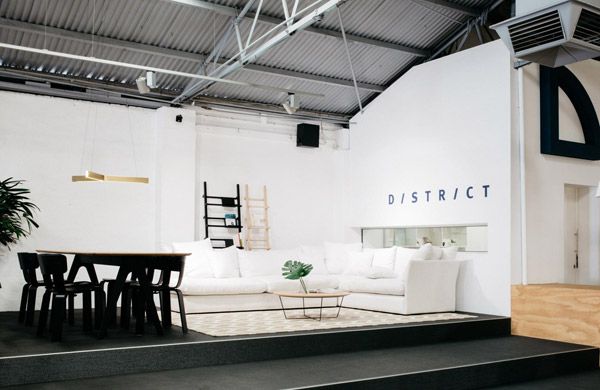
Brand curation is an art that takes real empathy and strong design values. Few are up to the challenge, but those that are represent the future of the Australian design industry. Australian brand District is one such example.
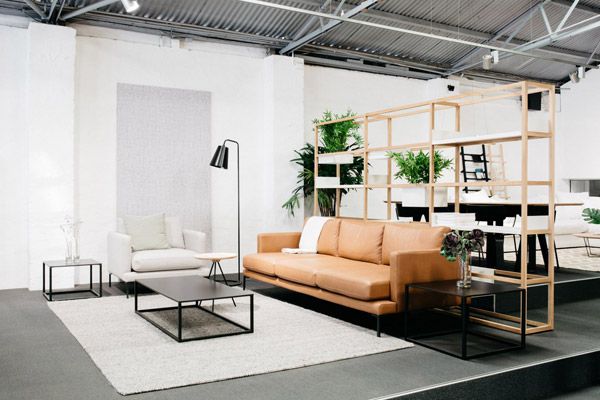
Formerly Table & Chair (adopting the District rebrand over a year ago) District has been a cornerstone for designer furniture in Perth and beyond for over a decade. Over that time things have changed – both for District as a business and in the industry as a whole.
District’s Managing Director and fearless leader, Joe Merlino explains: “We started [a decade ago] with a long list of brands, and over the years have carefully selected 6 national brands (Mattiazzi, Normann Copenhagen, HEM, Resident, Simon James and David Moreland) as well as another 6 purely in Perth including Magis, Vitra. Billani, Bonaldo, Studio Pip and Fast in-out Aluminum.”
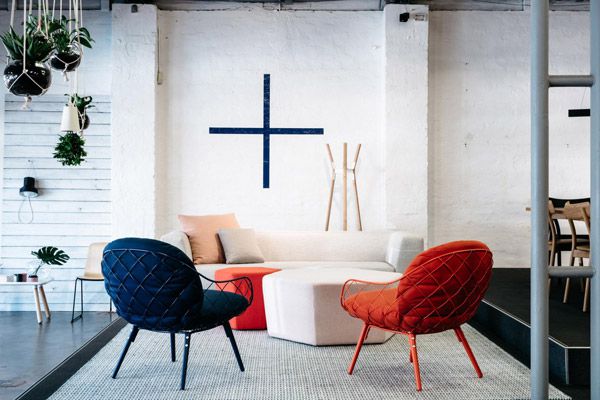
As Joe notes, this carefully crafted and stunningly impressive brand portfolio did not happen over night! So we asked the man himself what his top 3 secrets are to the art of brand curation:
ONE // NARROW IT DOWN + CHOOSE YOU BRANDS FOR THE RIGHT REASONS
There is A LOT of design choice out there. So to attract the right collection of brands, you need to decide exactly what it takes to become a member of your exclusive portfolio.
When asked how his current brands were selected, Joe commented that: “We believed they offered something unique or had a point of difference, which grabbed our initial attention. Usually we then feel a connection with the people and the story, which ignites our passion. We obviously ensure that it is a product that will be well received into the market also. For example, we were drawn to New Zealand by Resident and their unique lighting. This then connected us to Simon James and David Moreland, which has enabled us to develop a relationship with a New Zealand family. Covering lighting, lounging, timber etc.: we work closely with these companies developing product with short lead times and that are suited to the Australian market.
District’s brands were chosen for reasons beyond how much money they could make. The selections – as in the case of their NZ brands – were meaningful and organic. They were based on genuine interest and mutual empathy. And that kind of honesty is something that really matters to the post-GFC design market.
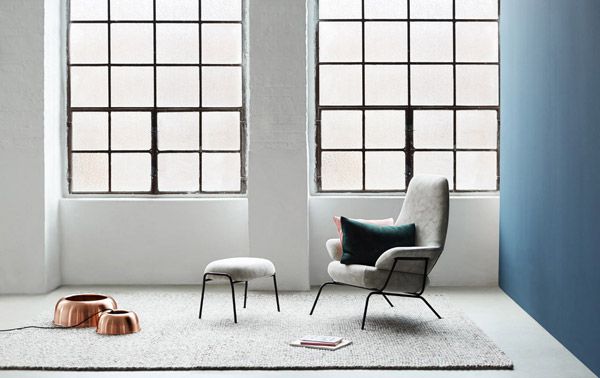
TWO // BUILD COLLABORATIVE RELATIONSHIPS BASED ON TRUST
Another thing to remember is that brand curation is a PARTNERSHIP. And for a partnership to function successfully, the relationships you form with these brands need to be based on something more than money.
“We really focus on developing a relationship with the supplier.,” says Joe. “We have learnt over the years that this is an important attribute when moving forward with a brand for there to be mutual trust. This enables us to have input on new product development or modifications to existing product, working with the supplier in order to further the brands success in Australia.”
THREE // PARTNER WITH BRANDS THAT REFLECT YOUR OWN PHILOSOPHY
This seems like a no-brainer, but you’d be surprised how many suppliers get this one wrong. I cannot stress enough how important shared values are in curating the right set of brands. How can you be expected to support the work of someone you don’t really believe in or agree with?
The brands you carry need to be “Complementary and unique,” says Joe. “It has taken some time but we feel now that we have carefully curated a list of brands that work well together and sit nicely under the District banner. For example, our product philosophy is innovation paired with design versatility. We represent furniture that is suited to so many environments: corporate, residential, hospitality, education etc. and we want beautiful spaces and products that allow us to show that whilst still maintaining the feeling of a place people want to be. We want our clients – no matter who they are – to feel comfortable, to want to spend time with us in our space with our brands.”
The name “District” itself, represents a distinct place of urban sophistication. A catchall for the best brands found across the globe. A district is a specialised area, a place to go to find answers and discover new solutions. District’s mission is to help others make beautiful worlds through its astute understanding of interior spaces by creating its own district of designer possibilities.
District is a place where visions come to life. Where the best exclusive, international brands are found. Where clients experience exceptional service and focus always. And here, District represent the ultimate example of the art of brand curation.
For more information, contact DISTRICT at district.com.au
INDESIGN is on instagram
Follow @indesignlive
A searchable and comprehensive guide for specifying leading products and their suppliers
Keep up to date with the latest and greatest from our industry BFF's!
The internet never sleeps! Here's the stuff you might have missed