The home of architecture and design in the Asia-Pacific
Get the latest design news direct to your inbox!

Get the latest design news direct to your inbox!
De Castelli’s Tracing Identity presentation in Milan shows seven impeccably crafted metal products by female designers in a bid to dispel any myth that metal is cold and unengaging
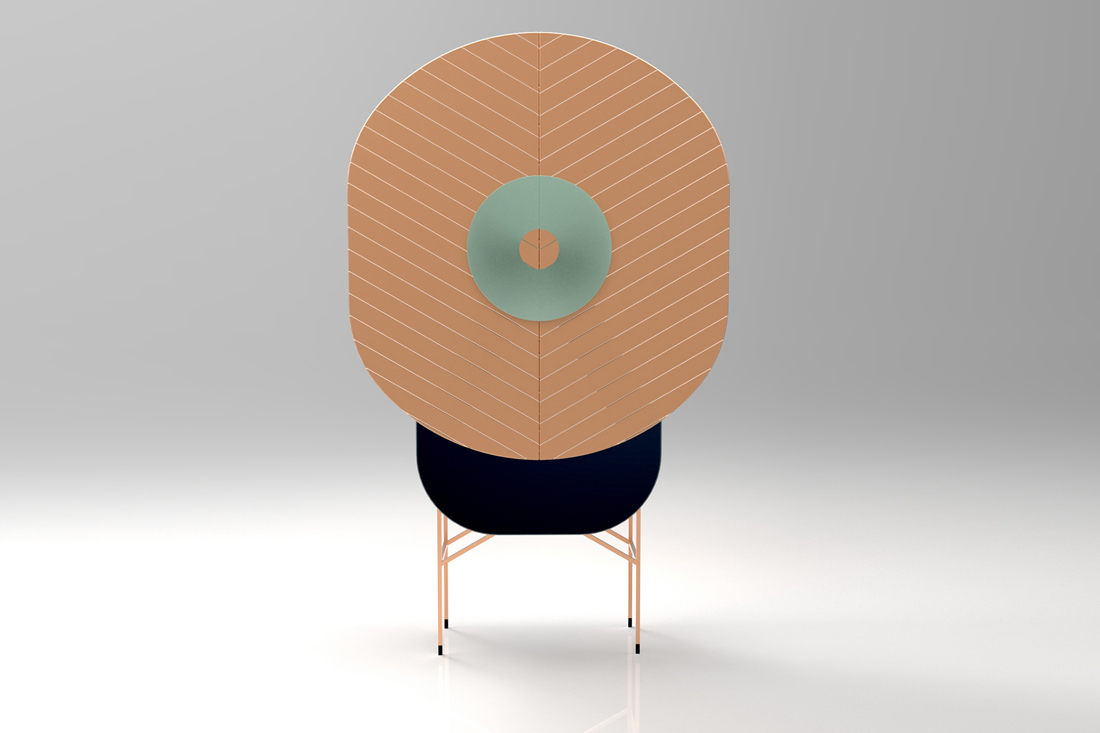
Polifemo cabinet by Elena Salmistraro

Painting screen by Alessandra Baldereschi

Elizabeth cabinet by Nathalie Dewez

Volte shelf by Constance Guisset

Longing Cabinet by Nika Zupanc

Vomere table by Donata Paruccini

Scribbles coffee tables by Francesca Lanzavecchia

Nika Zupanc (left, portraint by Fulvio Grisoni) and Elena Salmistraro (right, portrait by Gianluca Vassallo)

Francesca Lanzavecchia. Portrait by Gianluca Vassallo

Constance Guisset (left) and Donata Paruccini (right). Portraits by Gianluca Vassallo

Alessandra Baldereschi (left) and Nathalie Dewez (right). Portraits by Gianluca Vassallo)
Italian furniture brand De Castelli (established in Treviso in 2003) is well known for metal products made using a mix of advanced machinery and handcrafting perfected by centuries of blacksmithing know-how. Made mostly with iron, Corten steel and stainless steel, the brand’s products often exist in the intersection of design, art and craft.
Building on this sense of multi-dimensionality, the brand embarked on a project with an intriguing thematic underpinning, the results of which are being revealed this week at the Salone del Mobile in Milan.
Tracing Identities is a project that involves seven female designers, all of various ages, origins and approaches. Each of them has created a piece of metal furniture that offers an engaging narrative and a sense of wonder. The aim, says De Castelli, was to dispel the myth that metal is cold and uncommunicative.
The magnificent seven are Alessandra Baldereschi, Nathalie Dewez, Constance Guisset, Donata Paruccini, Elena Salmistraro, Francesca Lanzavecchia and Nika Zupanc – female designers who headline their own design enterprises. For Tracing Identities, each designer has created an impeccably crafted interior element that explores and showcases de Castelli’s metal-crafting capabilities, all the while showing strength with and through their own voice.
Baldereschi’s Painting screen presents dream-like landscapes ‘painted’ using colours resulting from different metal oxidisations. Guisset’s sculptural shelf Volte is a graceful and functional totem constructed by two smooth lateral wings in délabré copper shades. Paruccini’s table Vomere features asymmetric structure and rounded angles that imbue the table with lightness. Lanzavecchia’s Scribble coffee table series is a delightful exploration of oxidisations and simple forms (inspired by punctuation marks) that create elegant compositions.
Salmistraro, Dewez and Zupanc each created a cabinet for the collection. Inspired by the one-eye giant Cyclops, Salmistraro’s eye-catching Polifemo cabinet features a wood structure and engraved copper plate. Dewez’s elegant Elizabeth cabinet showcases De Castelli’s special metal bending technique that creates a texture akin to a plissé in fabric. Referencing old sideboards where biscuits and sweets were kept and locked away from children, Zupanc’s Longing Cabinet puts the spotlight on De Castelli’s wide range of copper finishing.
Tracing Identity is on display at De Castelli’s booth at Salone del Mobile this week. A publication of the collection and an open-to-public talk are planned for June 2017. De Castelli is available in Singapore from Xtra.
INDESIGN is on instagram
Follow @indesignlive
A searchable and comprehensive guide for specifying leading products and their suppliers
Keep up to date with the latest and greatest from our industry BFF's!
The internet never sleeps! Here's the stuff you might have missed