The home of architecture and design in the Asia-Pacific
Get the latest design news direct to your inbox!

Get the latest design news direct to your inbox!
When it comes to working in an office, hell really can be other people. With a growing number of people working in open plan offices, the noise levels they each experience are on the increase – but is it all in your head?




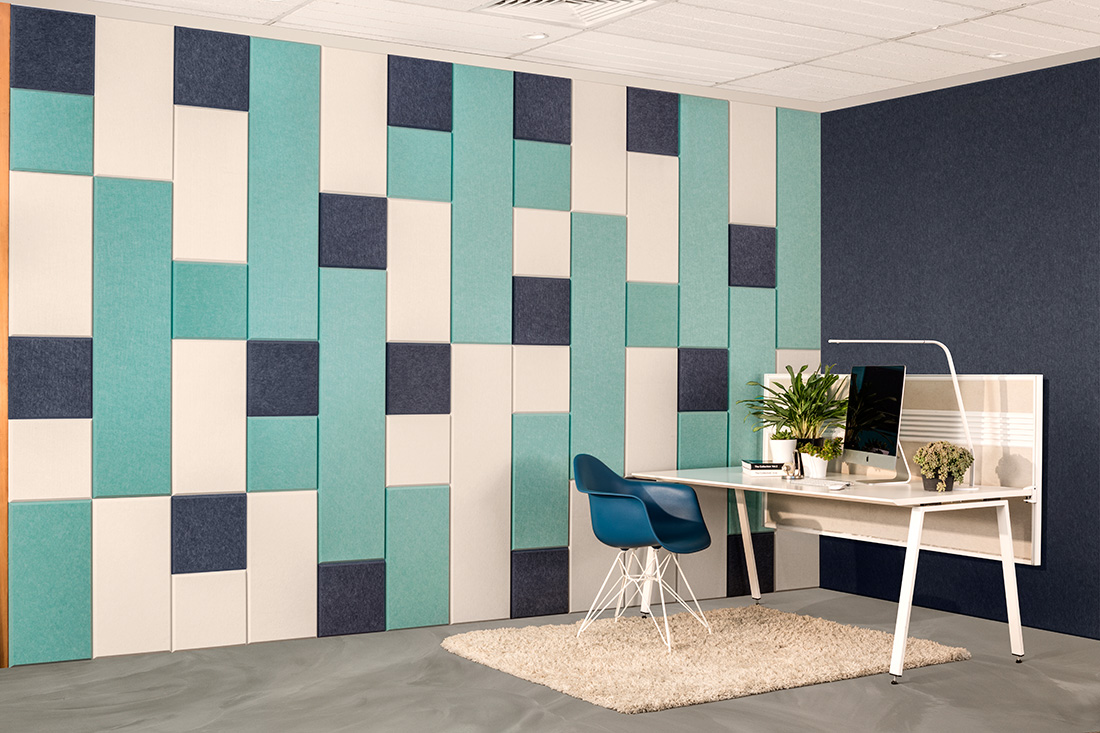

Special guest story by Woven Image’s Michael Tyerman
The upsides of open plan offices, included increased communication, lower release estate costs and less hierarchal structures, are great but they are not perfect; with open plan also coming with a lack of privacy and greater exposure to other people.
A study of 13,000 employees carried out in the US by John Olson of BOSTI Associates found that the most important factor in productivity was ‘distraction-free work’.
A 2015 analysis of 100 research papers by the environmental psychologist Dr Nigel Oseland found that just 25 percent of the effect of noise in the office could be attributed to its volume, half of the effect is due to context and attitude, perceived control and predictability and personality type.
The things that cause the most stress, annoyance and distraction are those that are either irrelevant or over which people have no control. It’s not just about the level of noise, but its type. Scandinavian researchers Anders Kjellberg and Bertil Nordstrom found that the noise of printers and other equipment is only really annoying for the people not using them.
What such studies confirm is that office design must take a sophisticated approach to the issue of acoustics. The problem of noise in offices has both a physical and psychological dimension, so solutions must reflect both the solid and easy to define characteristics the building and its interior, but the rather less easily definable issue of culture. That is not to say that it’s all in our heads, but that we must look at all of the facets of acoustic design if we are to come up with the best possible solutions.
INDESIGN is on instagram
Follow @indesignlive
A searchable and comprehensive guide for specifying leading products and their suppliers
Keep up to date with the latest and greatest from our industry BFF's!
The internet never sleeps! Here's the stuff you might have missed