The home of architecture and design in the Asia-Pacific
Get the latest design news direct to your inbox!

Get the latest design news direct to your inbox!
New Zealand’s Method Recycling is changing behaviours and minds regarding how we see waste with their award-winning bins and philosophy of Open Plan Recycling.

Open Plan Recycling, this is the ethos that drives Method’s design and engineering process. This is more than a slogan, it’s been the philosophy that led to Method’s bin creation, and the company’s intention of the bins to be placed together to form recycling stations that are located out in/ the open-plan design of a modern space.
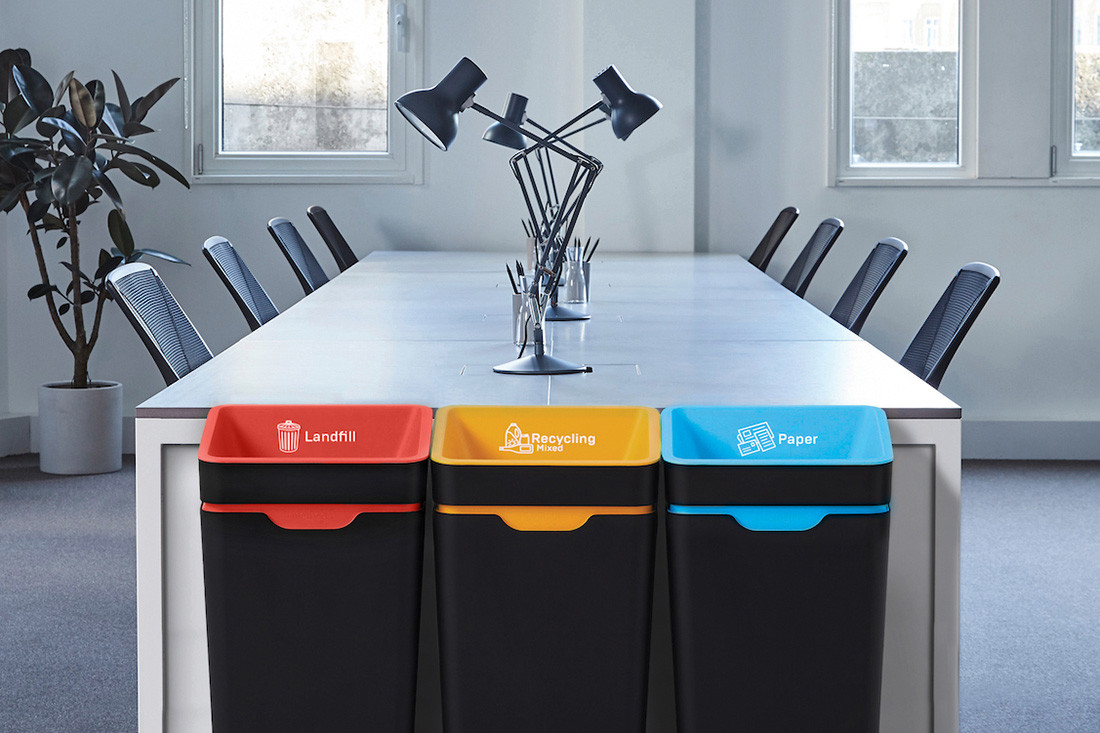
The 60L bins can be incorporated into any office or commercial space – and owing to their public position, work to change recycling behaviours, reducing the environmental and financial costs of waste removal. Every aspect of the Method Recycling system has been carefully considered to make it the most efficient and user-friendly design for your workplace.
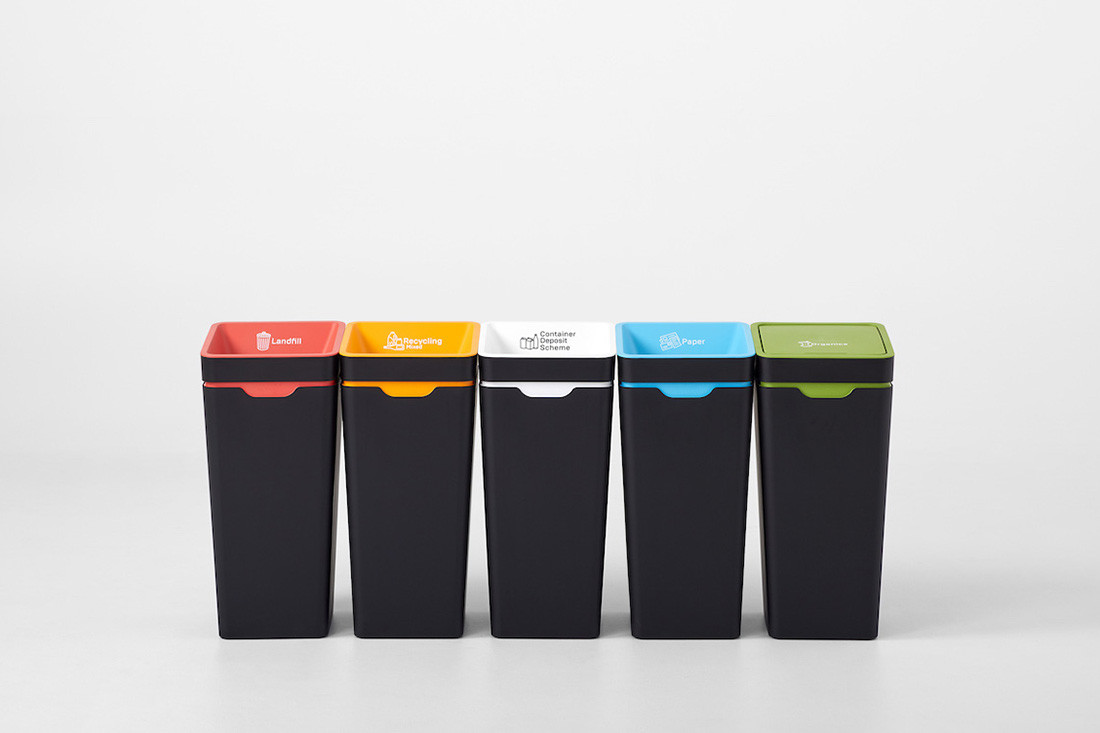
The bins are colour coded and printed with graphical information to help users to accurately separate their waste. Consistently placing Method’s bins mean that recycling will become an unconscious behaviour through regular use. The bins become a statement of a group’s commitment to recycling and sustainability, while still being designer friendly and functional in the office.
Method Recycling is helping some of the most influential businesses divert more waste from landfill in; Australia, New Zealand, the United Kingdom, New York and others globally. Including, leading UK architecture firm Foster + Partners, London co-working provider The Office Group, Qantas and Sydney Cricket Ground; quickly we can see Method are emerging as an innovative, simple, sustainable waste solution worldwide.
Made in New Zealand from fully recyclable polypropylene, of which 50% is itself composed of recycled materials, Method bins’ material retains its integrity when recycled, meaning it can be turned into bins again and again. Flexible and adaptable to the space – Method has designed its world-class waste management system to be able to be moved or added to as a company evolves. The patented bag retainer system lock liners in place and hides them from sight, meaning an aesthetically pleasing and odour free solution to daily waste.


INDESIGN is on instagram
Follow @indesignlive
A searchable and comprehensive guide for specifying leading products and their suppliers
Keep up to date with the latest and greatest from our industry BFF's!
The internet never sleeps! Here's the stuff you might have missed