The home of architecture and design in the Asia-Pacific
Get the latest design news direct to your inbox!

Get the latest design news direct to your inbox!
EcoSmart Fire’s fireplaces are groundbreaking, environmentally-friendly alternatives to the fireplace of yore – with a sleek aesthetic that gives you all the charm of the old-fashioned fireplace combined with modern practicality.


December 19th, 2016
With recent changes in residential design, the old-fashioned fireplace of yore has been left behind for elegant modern solutions that provide all the intimacy of the traditional fireplace in an eco-friendly alternative. Contemporary living requires greater flexibility in housing design, with more and more of us dwelling in homes that are unable to accommodate the chimney-and-flue of the past, or the difficulties that come with it. In addition to this, as we grow ever more conscious of how we live and our impact on the natural world, it is vital that we consider more environmentally sustainable solutions.
EcoSmart Fire has been at the forefront of innovative fireplace design in Australia with their signature fireplaces suitable for both indoors and out. Entirely fuelled by e-NRG Bioethanol, EcoSmart Fire’s fireplaces do not require gas, electricity, or flue in order to produce their clean, bright, and smoke-free orange flames. As completely self-contained units, EcoSmart Fire’s fireplace solutions are versatile and elegantly designed for easy and flexible installation.
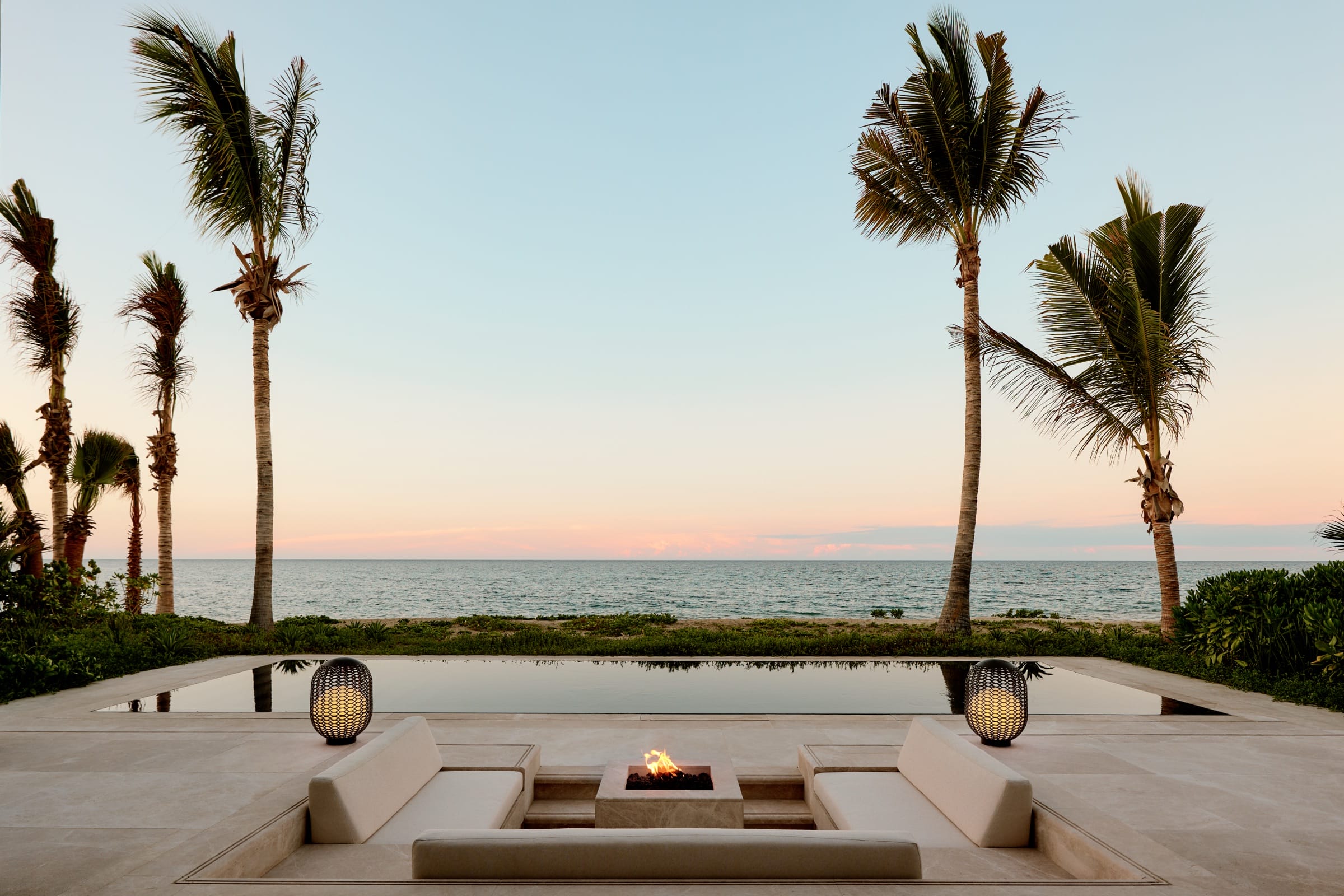
“Our outdoor fires provide the ultimate drawcard with a myriad of benefits – sensory appeal, captivating illumination and trans-seasonal style,” says Stephane Thomas, creator of EcoSmart Fire. “They add a simple yet architecturally refined design element to an outdoor room or garden – or indoor setting – creating a striking focal point that provides instant warmth and ambience.”
“Akin to the kitchen being the heart of the home, these outdoor fires quickly become the centrepiece of gathering spaces – be it domestic or commercial – that draw people in with their striking silhouettes and smoke-free flame,” continues Stephane.
Perfect for the outdoors, EcoSmart Fire units are crafted with waterproof materials including rust-resistant stainless steel, heavy gauge glass, and lightweight concrete composites, ensuring each fireplace can withstand the elements and remain in pristine condition over the years. Ideal for being the centrepiece of entertaining spaces, the extensive range allows for creative and seamless integration into and around any home.
INDESIGN is on instagram
Follow @indesignlive
A searchable and comprehensive guide for specifying leading products and their suppliers
Keep up to date with the latest and greatest from our industry BFF's!
The internet never sleeps! Here's the stuff you might have missed