When objects are designed well, they bring great pleasure through their form and provide optimum use in our lives. Chairs, sofas, lights and accessories come in every imaginable shape, size, colour and style – but the best designs stand out to become icons and objects of desire.
While unique and individual design of furniture is a given these days, this generally applies to the ubiquitous, a table or a chair. But what about other products such as those for the healthcare sector that could be a walker, a cane, a trolley, a pill case or even a coffin? When it comes to designing products for healthcare, the choice is somewhat limited. Enter Anker Bak and his passion for designing for a very particular segment of the furniture market.
Anker Bak was born in a small village in Jutland, Denmark and lives in Copenhagen. He works with timber and his style is inspired by the Scandinavian aesthetic beloved the world over.

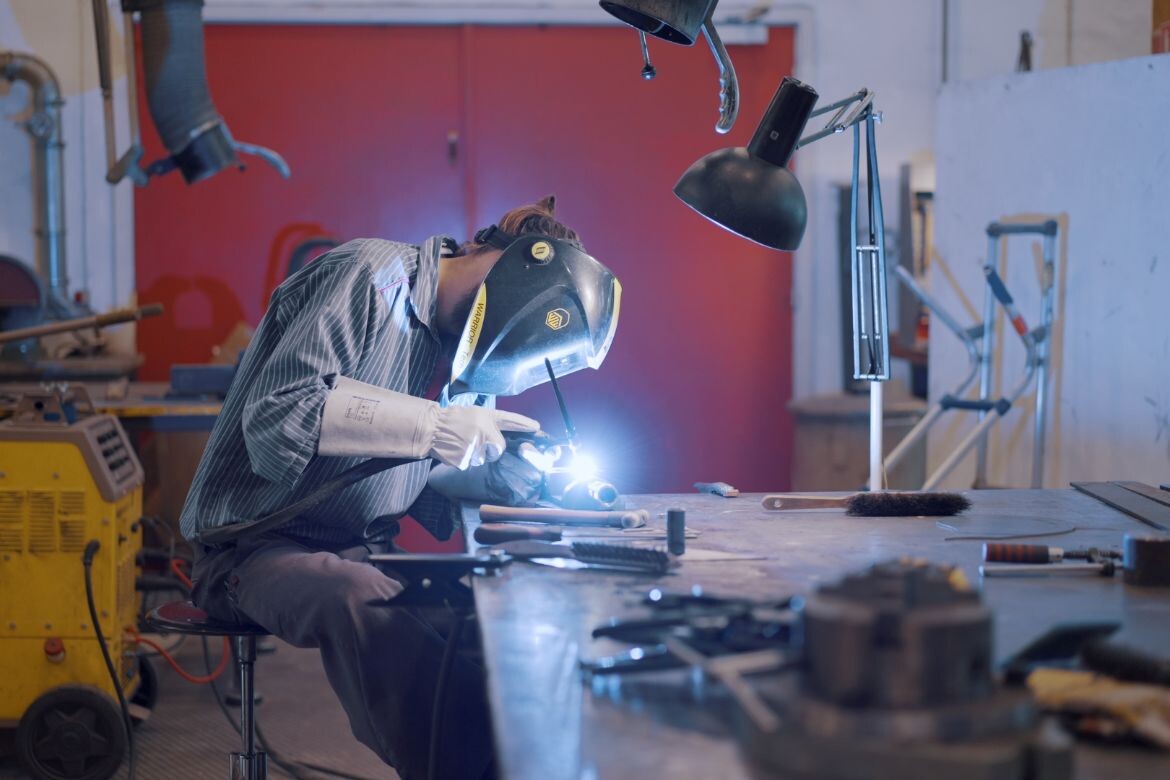
As a young man with dyslexia, Bak thought that using his hands and creating through woodwork would provide a better career for the future and so he studied cabinet making for four years in Jutland. He then decided to focus on furniture making, returning to school for another two years of production technology followed by two more years to learn the craft of furniture design.
He began by working for a boat building company making furniture for luxury yachts and created his own furniture at the end of each working day, However, he was not so interested to design the usual pieces and was seeking a direction for his career and an idea came to him through his grandmother.
In 2014, after hip surgery, his grandmother required support to move but felt embarrassed using the industrial walker the health authorities had supplied to her. Together Bak and his grandmother decided to design a product that could help her achieve greater mobility.
This came in the form of a crutch they named Værdig (from Verdi, meaning proud or worthy; someone who acts politely and minds their manners). The design is smooth and elegant, made from molded plywood with a rolling foot and a crafted line. It serves a purpose between a crutch and a walker and takes the design of such an object to another level.
Værdig was a success and Bak had found his career direction, designing for healthcare or as he refers to his work as Design with Dignity’ or Dignity Design. Today Værdig is a part of Denmark’s Design Museum National Collection.
Suggested: Stories Indesign with Georgina Wilson
After contacting many manufacturers about his new design, he was surprised to find that no-one was interested to partner with him to produce it. Værdig was more expensive to make than usual products and manufacturers seemed to be happy with the status quo.
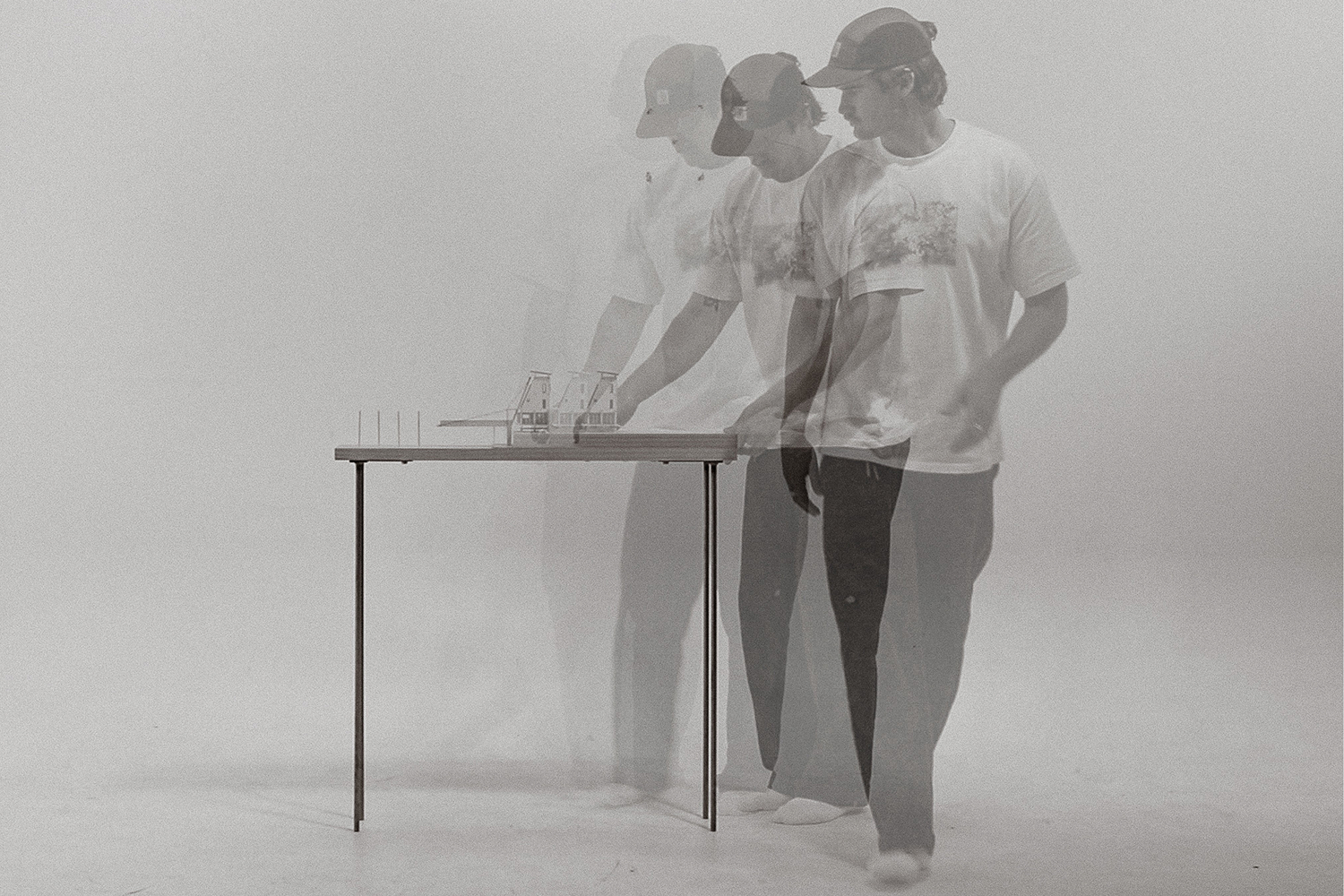
Bak continued to produce his designs, prototyping his ideas at home but after some years decided to become more mainstream and began collaborating with such brands as Carl Hansen & Son, Karimoku, Miyazaki Chair Factory and Takumi Kohgei, Tommerup Heilskov Kister and Fredahl Rydéns.
Still the idea of Dignity Design remained.
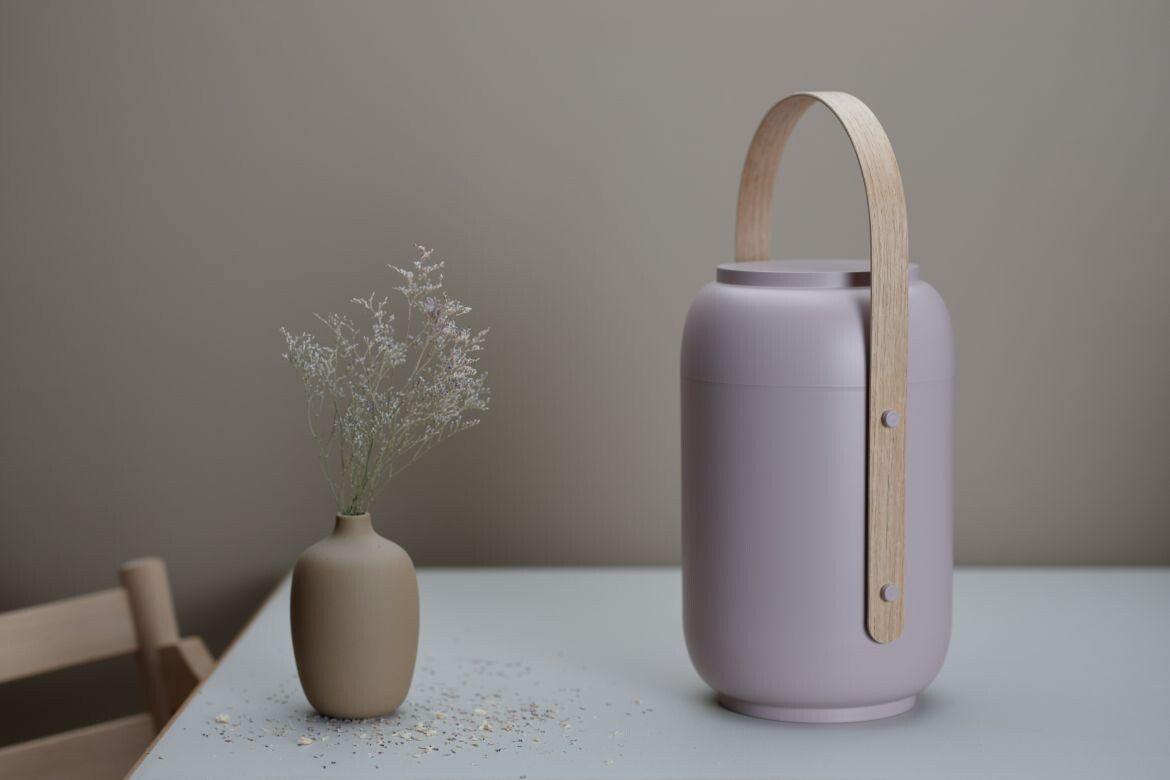
He added to his collection conceiving and creating Makker, a circular cane, Snild, a seat cane, Cyclus, a pill box, Sindig, a walker and Ærlig, a trolly. Perhaps the most surprising addition to the collection is Ro, a coffin that was conceived to honour his grandmother when she passed and is the epitome of elegance and design restraint.

After 10 years developing Dignity Design and a growing public focus on the elderly sector, more and more furniture producers are beginning to have a positive view of Bak’s Design with Dignity and new collaborations are starting.
From 2014 onwards, Bak’s has won a multiplicity of awards, received accolades, grants, residencies and given countless lectures about his work. Now he is recognised as a designer of note.
In 2023 and 2024 the awards kept coming with Bak named Designer of the Year by Scandinavian Living, winner of the FINN JUHL Prize, the Kold Christensens Fond, the WEGNER Prize and the Cabinetmakers Prize, Denmark.
Bak also completed his third exhibition in 2024, a solo display at 3 Days of Design titled, The Furniture We Need to great acclaim. Selected works were also exhibited at the Triennale at Salone del Mobile, Milan that same year, in Walking sticks & canes.
With Bak’s idea of Dignity Design there comes a new way of thinking about designing for the healthcare sector. We may like to sit in a CH24 Wishbone Chair but what about using the Sindig Walker when we need it?
Today Bak divides his time between designing conventional furniture and conceiving new ideas for Dignity Design and creating commissions from the collection. His clients all understand design that is beautiful in its aesthetic with maximum functionality.


Anker Bak sees his role as a designer to provide a voice to those who work hard every day to maintain their mobility, dignity and freedom. He says, “It is a mission that continues until your father, sister or grandparent feels seen and proudly walks to the grocery store with their new cane, crutch or walker.”
While iconic design can be handed down from one generation to the next, Bak sees his work as a legacy that can also be used and re-used.
“We don’t need much more today but we still look forward to a new era of democratic furniture that can be used, reused and make a difference. Let’s make the furniture we need.” comments Bak.
With an incredible collection of products that takes healthcare furniture to another level of design, Anker Bak is making a difference to how we live as we age. His design is thoughtful, and though-provoking and his idea of Dignity Design resonates. Great furniture should be available whatever the time of life and Anker Bak is making sure that we can all have dignity through design, even at the very end.
Anker Bak
ankerbak.com
Photography
Andreas Thaulow, Jacob Fox Maule, Carsten Igemann




photography by Jacob Fox Maule.
Next up: A renewed home for Grimshaw