The home of architecture and design in the Asia-Pacific
Get the latest design news direct to your inbox!

Get the latest design news direct to your inbox!
Life beyond the Tractor Stool. We check in with Craig Bassam and Scott Fellows.
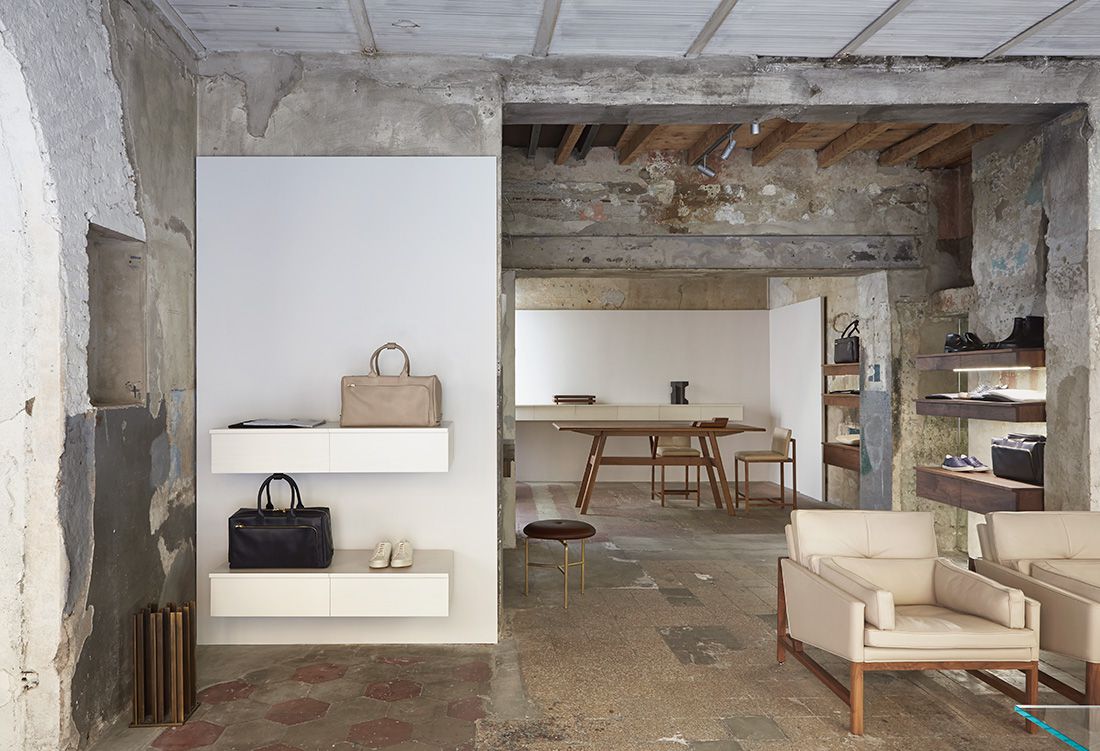
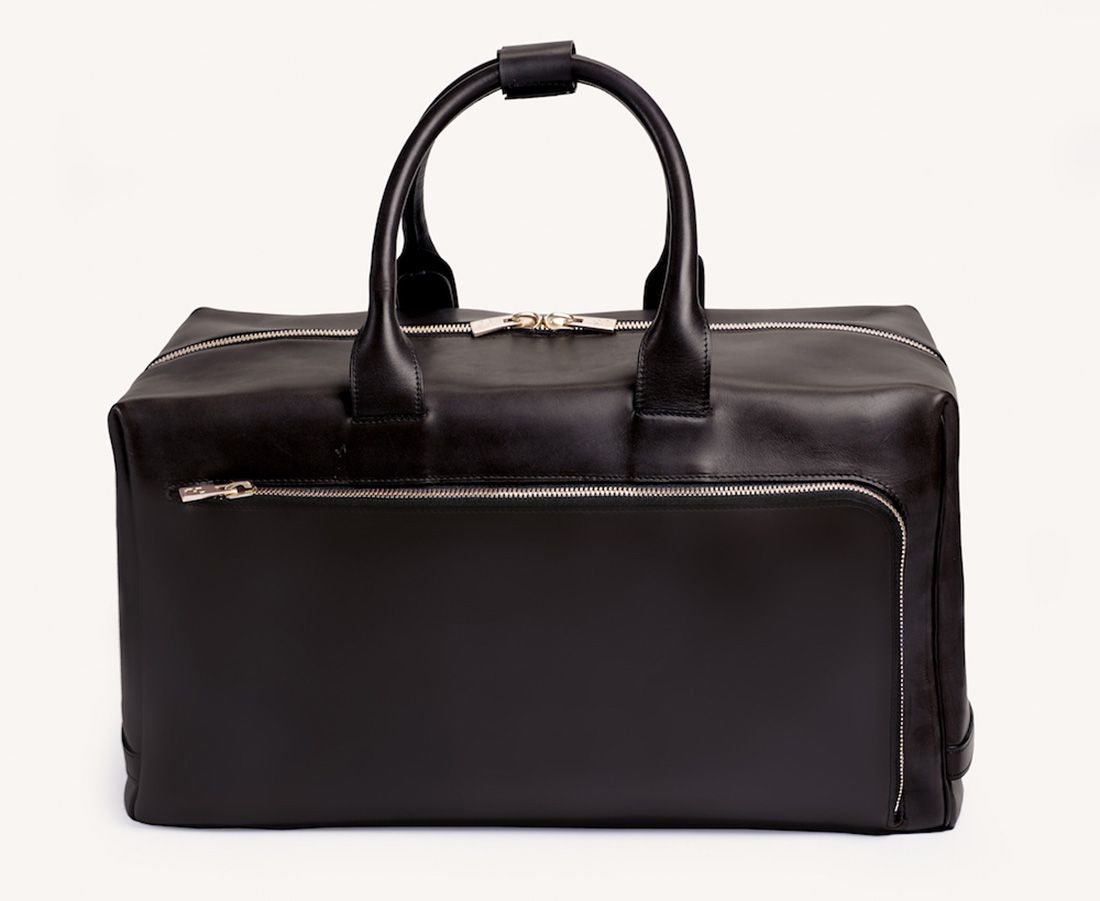

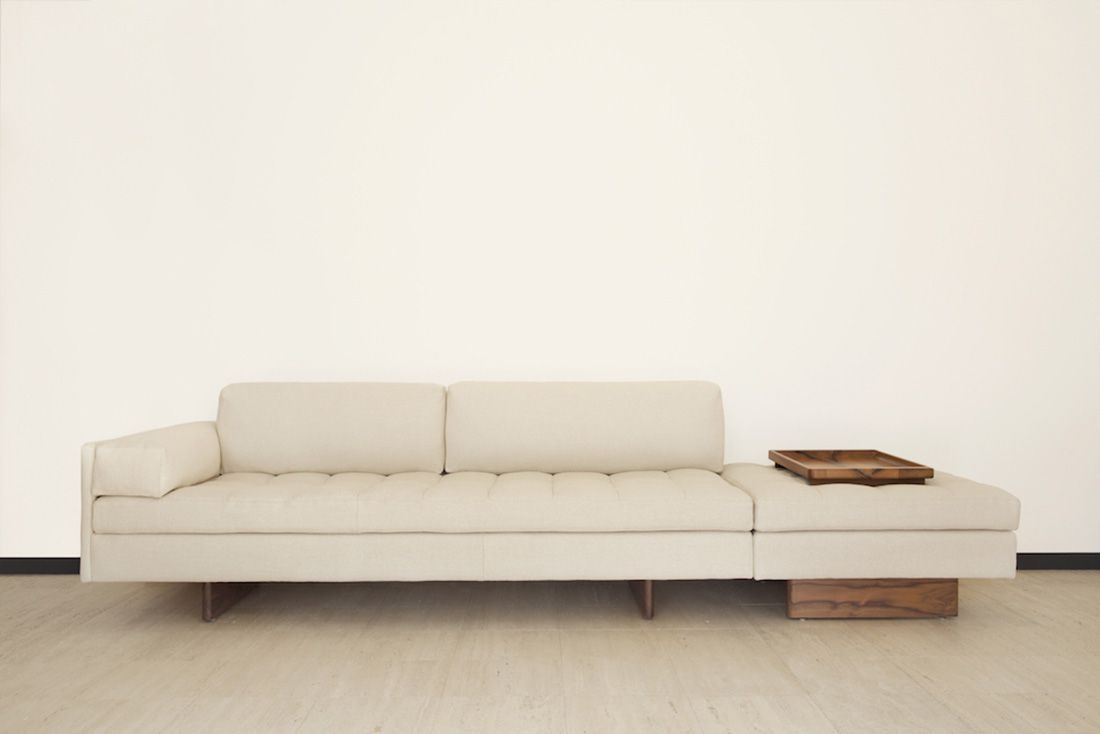
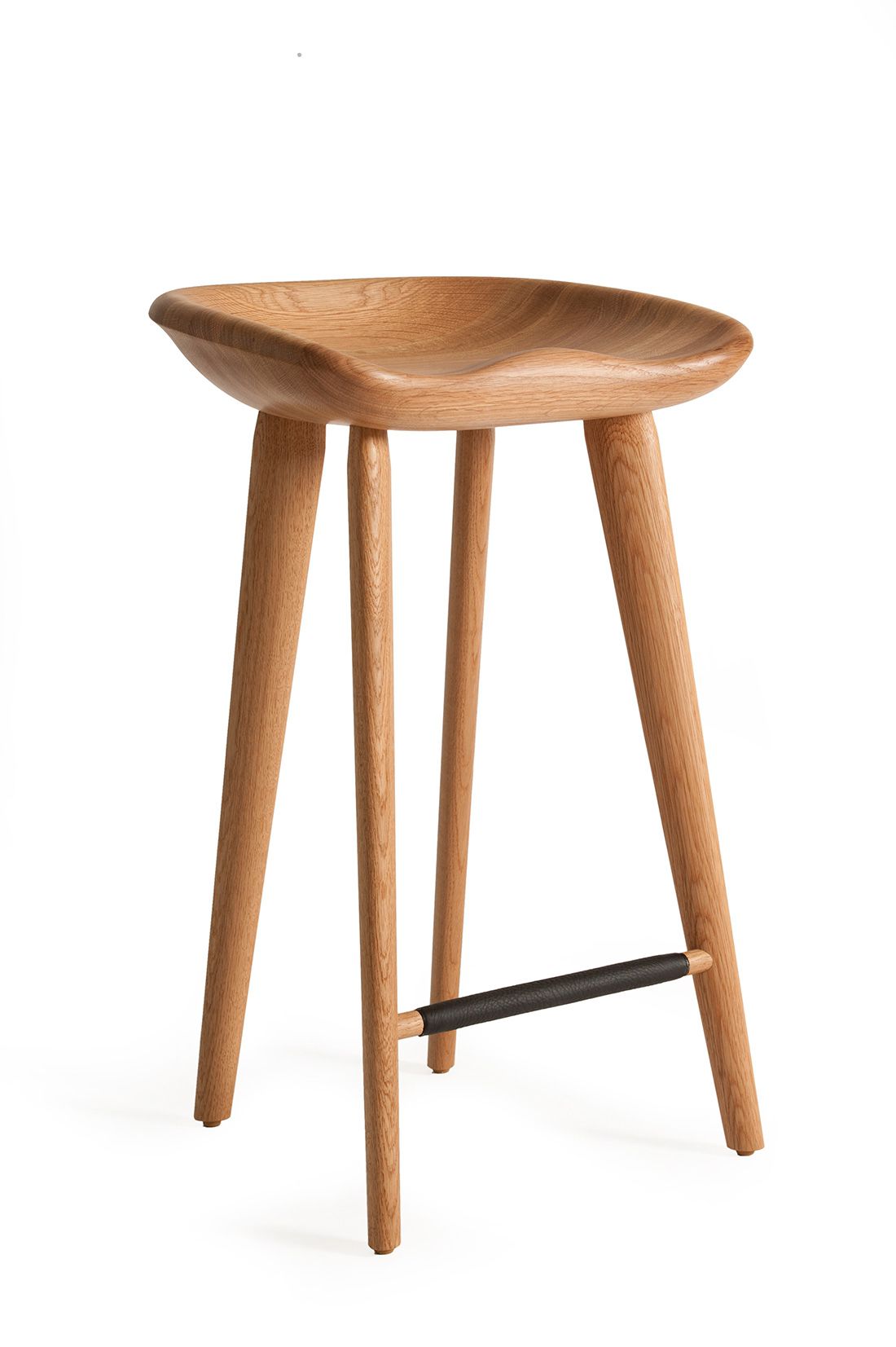
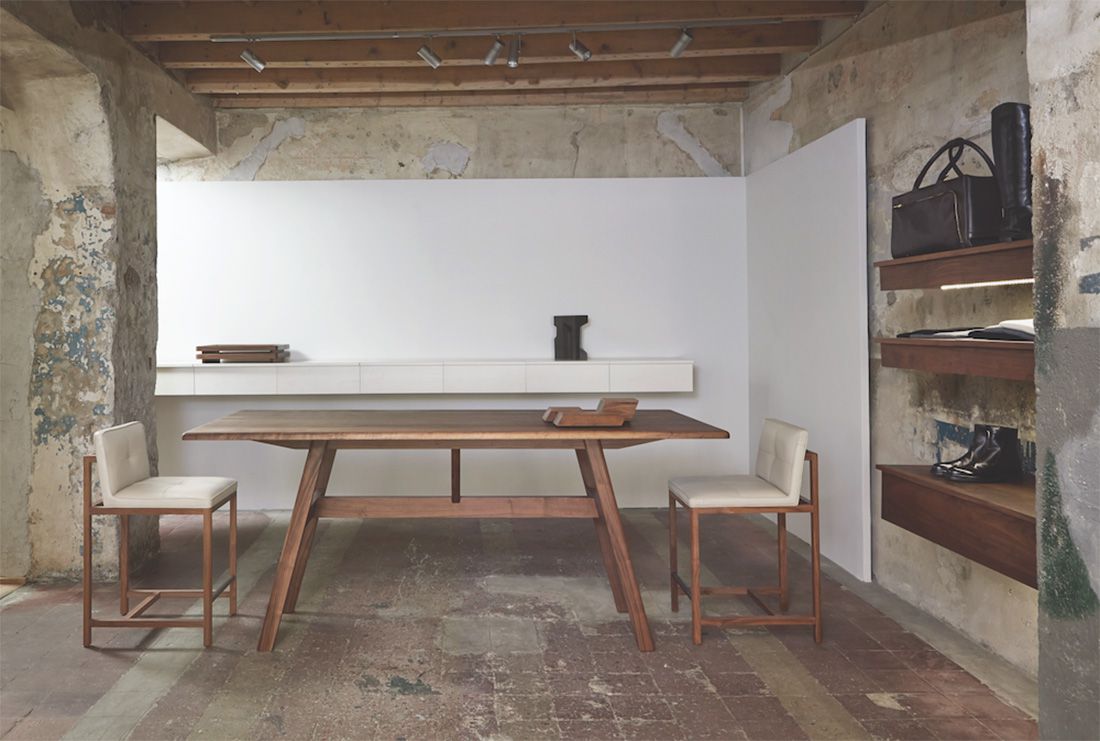
From their Tractor Stool and Lifestyle Gallery to their Creative Direction for Herman Miller, and restoration of a Philip Johnson house, BassamFellows brings a focus on craftsmanship, detail and quality to design for contemporary living
Since 2003, when BassamFellows debuted its beautifully crafted and versatile Tractor Stool, Craig Bassam and Scott Fellows have applied their refined and artisanal aesthetic to furniture, architecture, interior design, creative direction and lifestyle objects. With a focus on exceptional craftsmanship, detail and quality, BassamFellows’ work is underpinned by a search for timelessness, perfection and functionality.
Craig, an Australian, and Scott, American, spent their early careers in Europe where they were drawn to “quality and craftsmanship and attention to detail.” Now based in New Canaan, Connecticut – in a house designed by architect Philip Johnson directly across the street from his famous Glass House – the designers are by the “optimism, honesty and sense of possibility” they find in their native lands. “These sets of values drive everything we do in life and every product we make,” Scott explains.
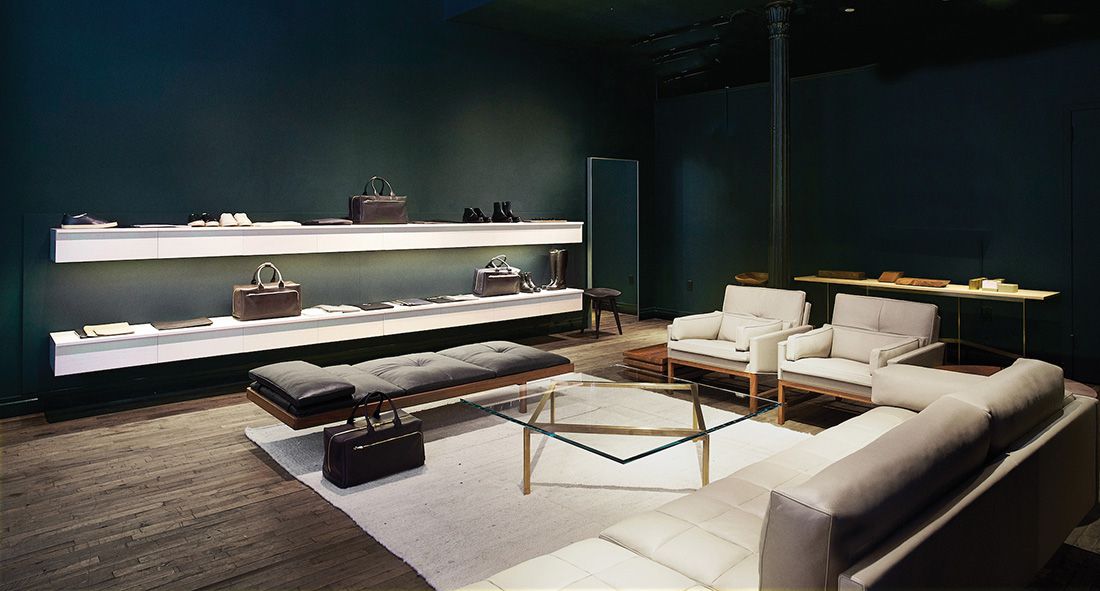
In 2014, BassamFellows opened its first Lifestyle Gallery in Milan showcasing furniture and lifestyle products together in one space. Based on the success of the Milan venture, last year BassamFellows launched an extended collection of lifestyle objects in a temporary exhibition at New York’s Atelier Courbet gallery. The elegant environment, titled ‘Object Lesson,’ featured BassamFellows-designed shoes, sunglasses, bags and leather accessories alongside seating and tables in an intimate lounge-like space. “This was the culmination of years worth of work finding the right suppliers and developing these products using the same philosophy of our furniture collection,” says Scott. That philosophy is what Scott and Craig call Craftsman Modern: “It merges the core principles of Modernism with the warmth and comfort of natural materials and exceptional craftsmanship.”
Whether they’re designing lifestyle products, buildings or furniture, Craig and Scott privilege long-term design over the faddishness of fashion. “We don’t want 10 pairs of sneakers. We want just one that we really love and that just works.” The same can also be said for their clients, who, like themselves, they describe as collectors. “We all care deeply about the things we buy and the objects we choose to live with. We like fewer things, but the right things.”
Problem solving drives Craig and Scott’s creative process, and the desire to resolve needs with designs that don’t exist on the market. The BassamFellows Asymmetric Sofa Series includes three sofa units, a corner unit, chaise and ottoman and evolved from Craig’s need for a stylish and scalable sofa for his personal study. “Solving for the constraints of the room resulted in a unique planning module with armed, armless and backless elements that can be combined to vary the horizon line of the sofa, and wooden ‘blade’ legs that allow the sofa to float,” Craig explains.
Craig and Scott not only design furniture for their own brand, but have also worked with a number of large companies – “to refresh a brand or give it renewed focus,” Scott says – and in 2010 took up the role of Creative Direction for Herman Miller’s Consumer and Specialty Division. Their role has since shifted to focus solely on design projects and in May they launched the Wood Base Sofa Series and a textile collection for Herman Miller at NeoCon in Chicago.
Craig and Scott are currently working on two high-profile hospitality projects as well as a BassamFellows panelized house designed to improve efficiency and quality and reduce the cost of building. Certainly, Craig and Scott’s values – craftsmanship, quality and detail; and optimism, honesty and a sense of possibility – continue to be the cornerstone of BassamFellows work as they look to the spirit of mid-century American design; a spirit they liken to that of Australian design today. “The incredible optimism that was so prevalent in the Eames/George Nelson era in the mid-century in the US – that ‘new worldness’ – still feels alive and well in Australia. It has evolved over time, but the roots are still there.”
INDESIGN is on instagram
Follow @indesignlive
A searchable and comprehensive guide for specifying leading products and their suppliers
Keep up to date with the latest and greatest from our industry BFF's!
The internet never sleeps! Here's the stuff you might have missed