Life and lemons; Forrest Gump’s box of chocolates; the rhythmic highs and lows of Dr. Seuss’ Oh the Places You’ll Go; life’s natural cadence of adversity, resilience and growth has many metaphors in pop culture. But, in the business of architecture and design, Russell and Yelland is a real-life case in point.
Based in Adelaide, Russell and Yelland has been one of the most stalwart architecture practices of South Australia for the better part of the last century. This week marks its 81st year in business, to be precise – an inimitable tenure dedicated to designing for South Australian communities. With the practice busy and a pandemic at large, celebrations of this milestone may be somewhat subdued, though certainly not unnoticed. As it enters its ninth decade, Russell and Yelland takes a moment to reflect, rebrand and relaunch its website with a fresh new look.
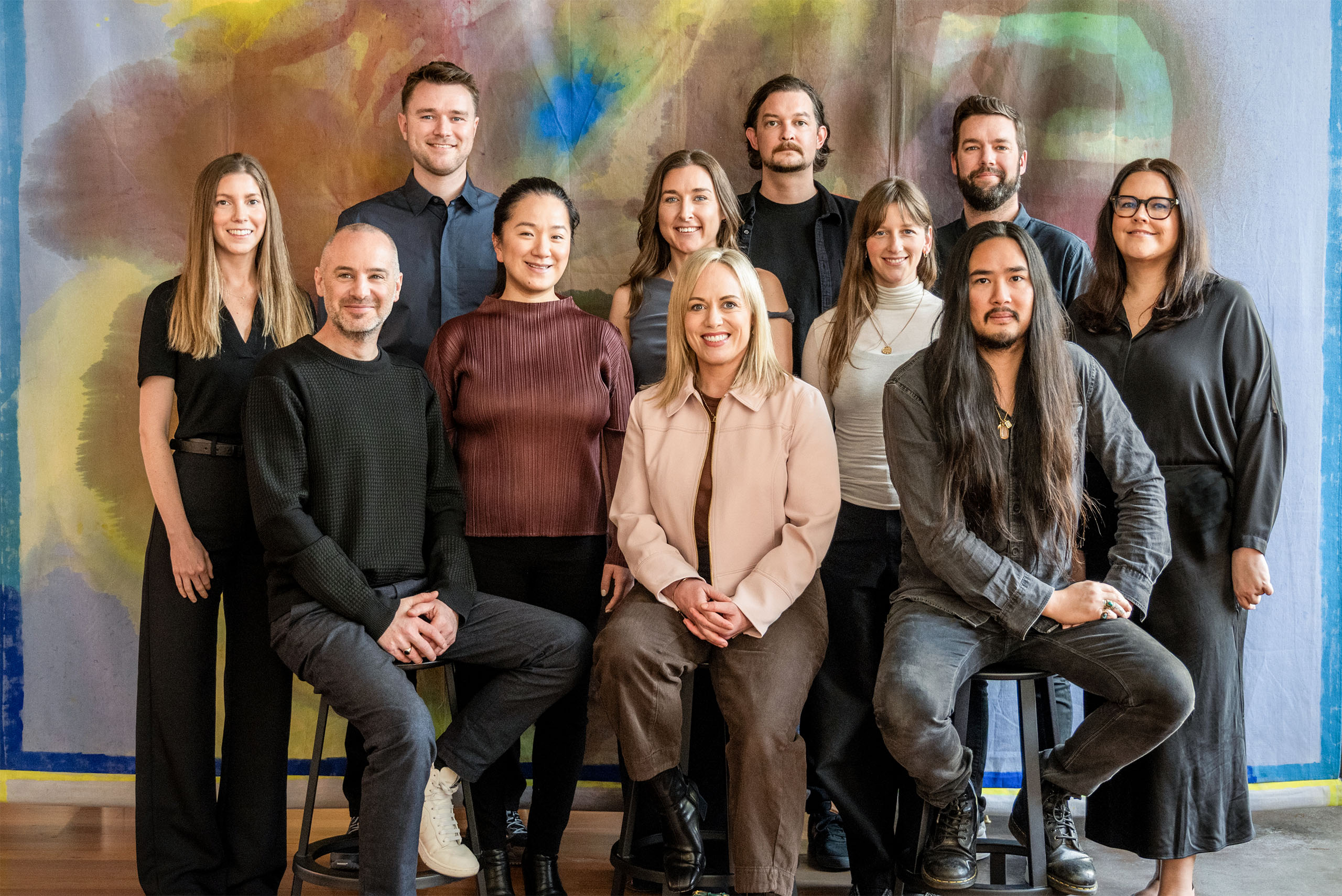
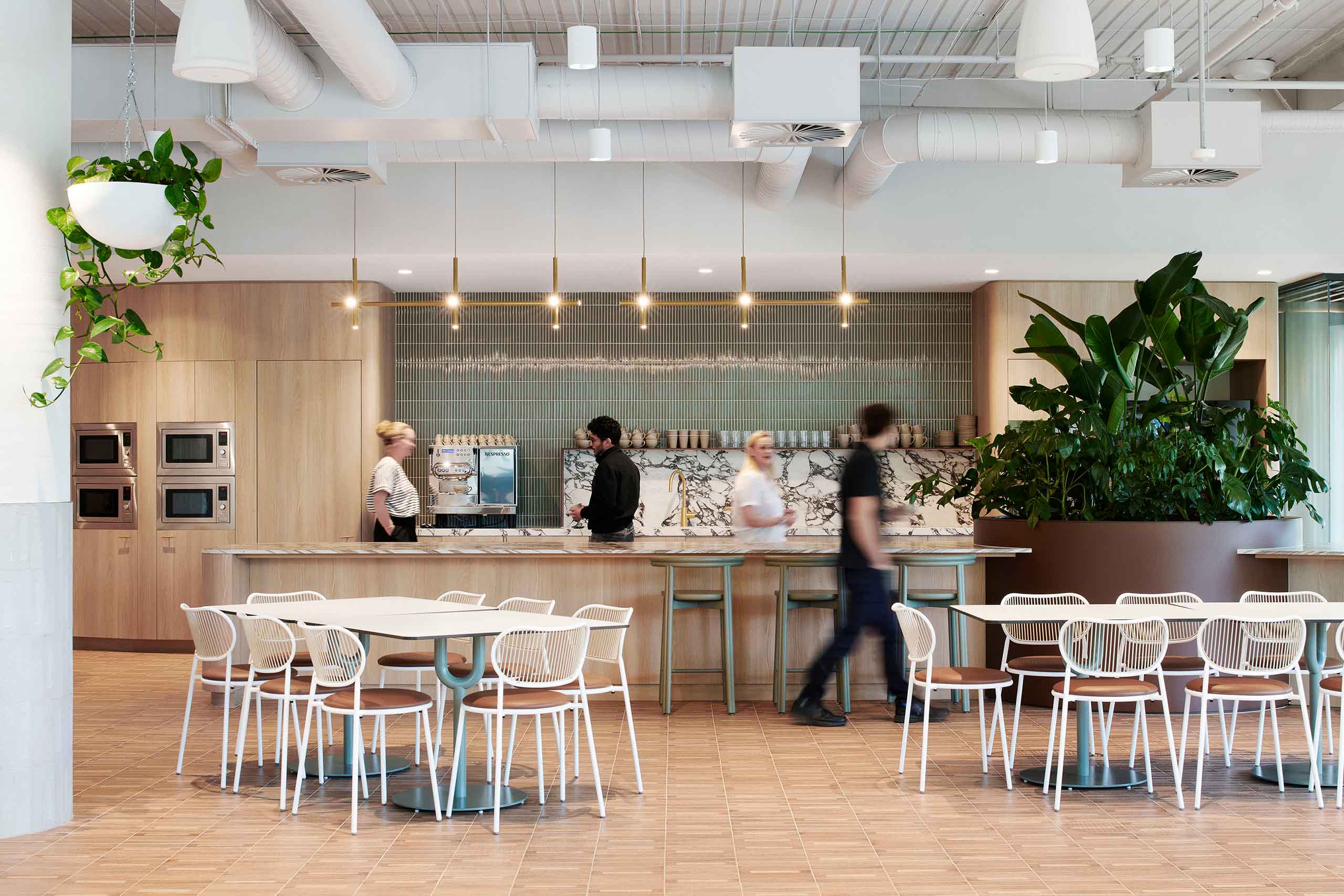
Today, with directors, John Held, Alistair McHenry and Stewart Caldwell at the helm, Russell and Yelland is well-reputed throughout the local industry for its commitment to education, health, aged care and social housing design. Recent projects in the practice’s award-winning body of work include the Therese Sweeny Music Centre at Cabra Dominican College; Caritas Centre at Nazareth Catholic College, Flinders Park; and Brompton Primary School STEM.
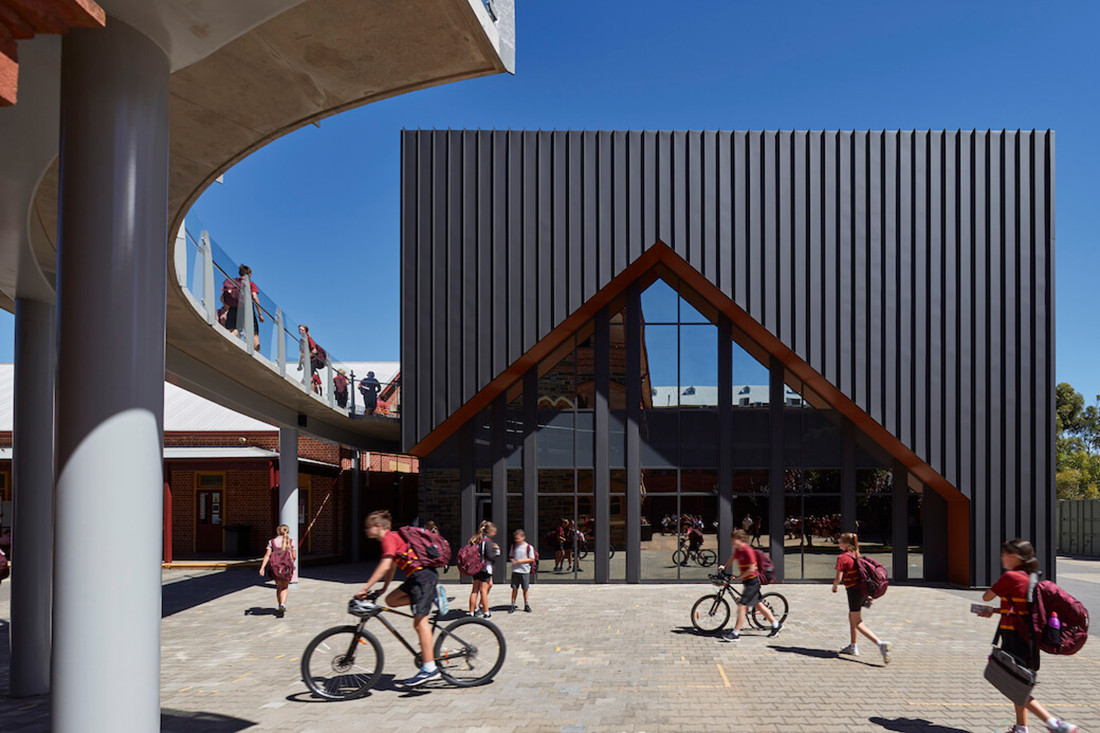
Therese Sweeny Music Centre at Cabra Dominican College
All the acclaim and esteem is testament to agility and resilience that has been core to Russell and Yelland’s business since long before it was so in vogue. “It’s thrilling to consider the many pivot points for our practice over the course of 80 years,” says John Held.
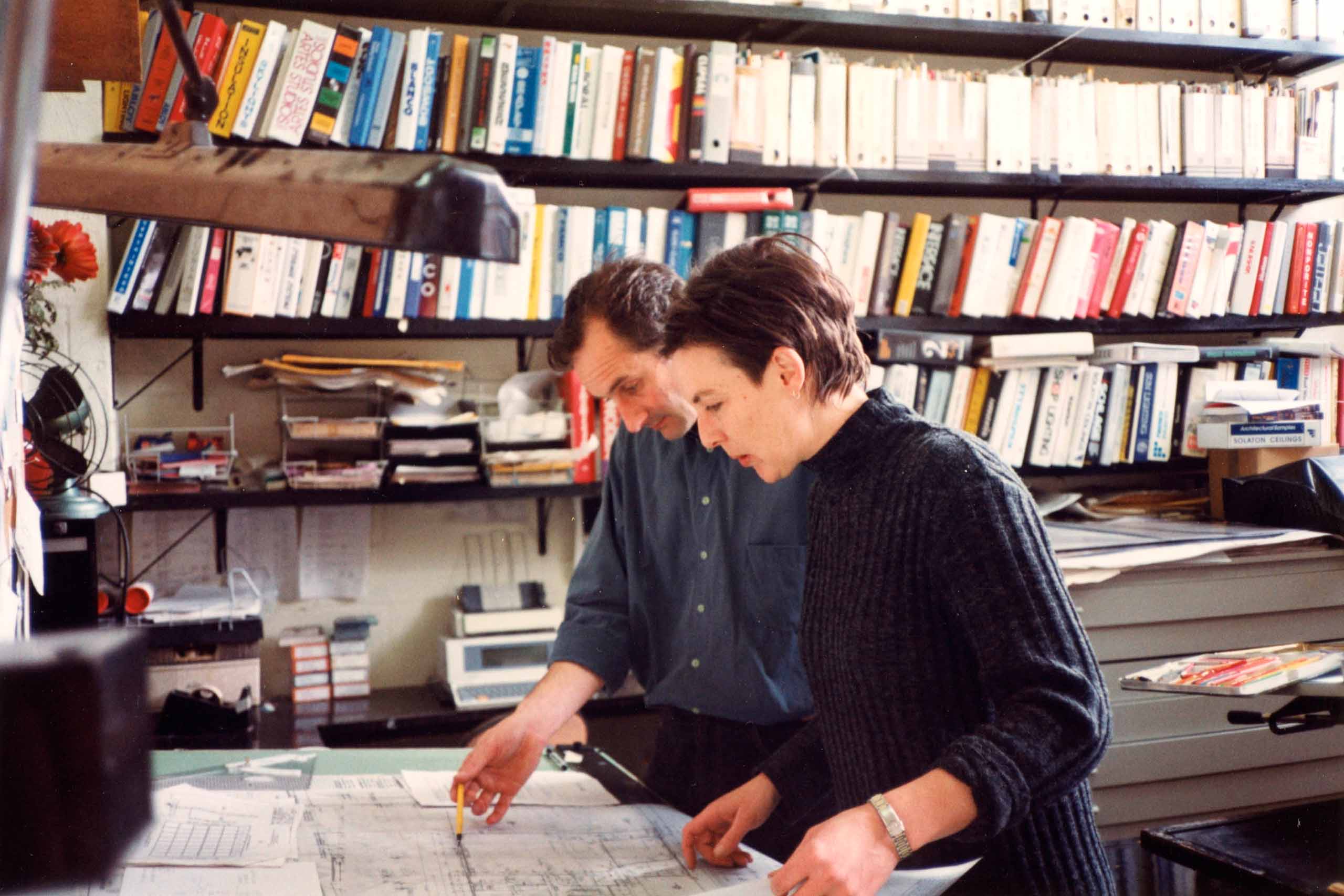
“Founding an architecture studio in 1939 as war loomed was a leap of faith for Alec Russell and Keith Yelland. Architecture practices must continue to take these leaps. Strong architectural skill, advancements in technology and robust working relationships are key to designing resilient communities.”
It’s a message of inspiration that could not come at a more pertinent time for anyone in the industry; good things come to those who stay fearless, faithful and fresh.