As PTID marks 30 years of practice, founder Cameron Harvey reflects on the people-first principles and adaptive thinking that continue to shape the studio’s work.
Last year marked milestones for many practices, but for PTID, 2025 was particularly significant, signalling 30 years of continued design excellence. While three decades is a notable achievement for any business, this anniversary offers genuine cause for reflection and celebration.
Story continues below advertisement
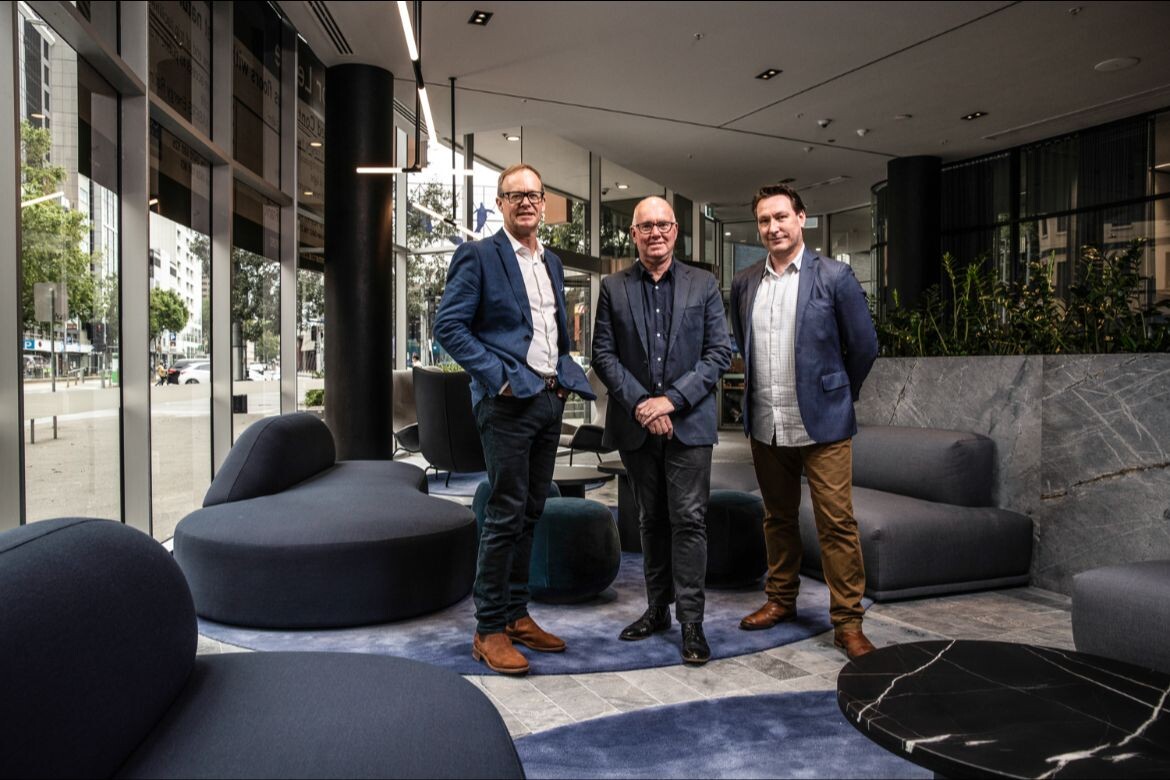
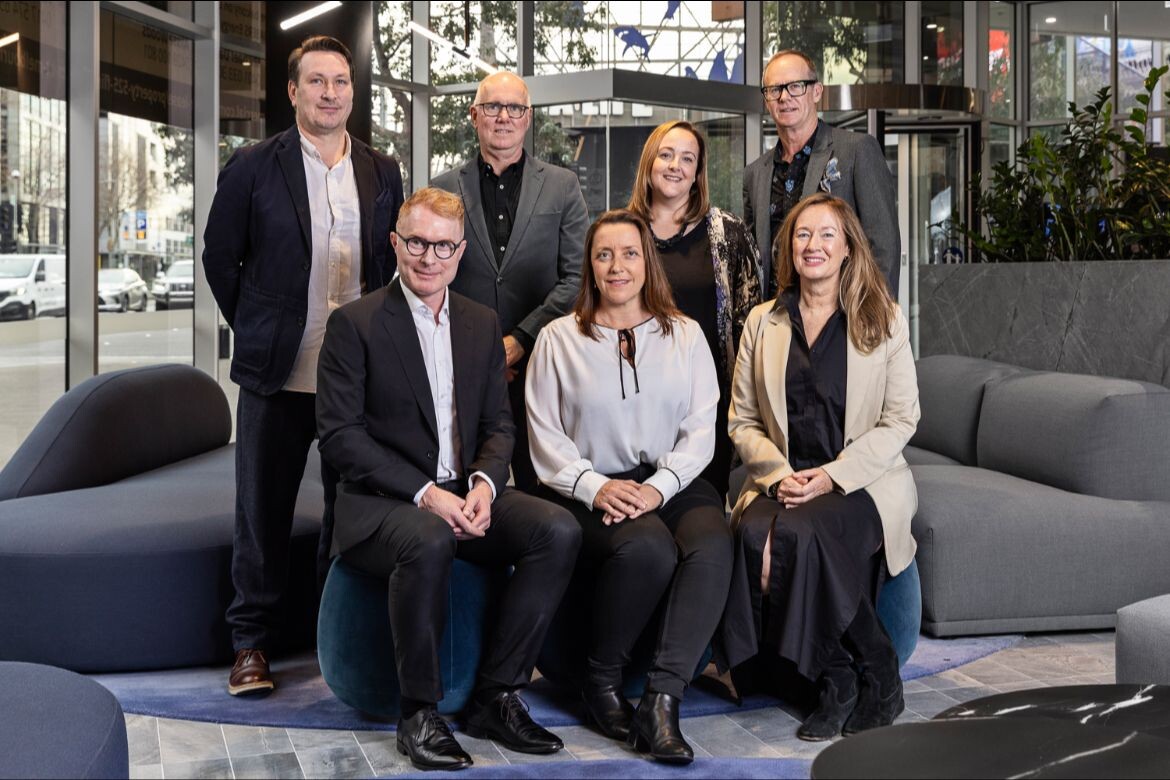
The practice was co-founded by Cameron Harvey in 1995 and has since helped shape the spaces and places in which we work, live and play. Today, PTID is stronger than ever, with a team of around 30 staff and a substantial body of built work, alongside a robust pipeline of projects underway.
PTID operates across three Australian studios in Melbourne, Sydney and Brisbane, supporting projects throughout Australia, New Zealand, Asia, South Africa and Canada. With approximately 75 projects active at any given time, the practice remains firmly in demand.
Over the years, PTID has delivered a diverse portfolio spanning retail, workplace, industrial, education, wellness and experiential sectors. Each has contributed to the evolving built landscape, reflecting changing ways of working, learning and living.
Story continues below advertisement
So what enables a practice to evolve and remain relevant over such a sustained period? In PTID’s case, it may lie in a combination of purpose-driven design, a strong focus on client experience, ongoing investment in team capability, a nimble mindset and careful financial stewardship.
“As opportunities arise, we take considered risks to expand our geographic footprint and service offering,” says Harvey. “We test new approaches across the practice all the time, continually refining and seeking the right balance.”
Story continues below advertisement
Related: Wellness, reimagined at One Playground Victoria Cross
Collaboration has been central to the practice’s evolution. In 2002, PTID partnered with Hewlett-Packard to deliver one of the world’s first Activity-Based Working environments. Work with MMC followed, resulting in the creation of a ‘smart office’ that pioneered a new workplace model for the global company, later rolled out across the APAC region.
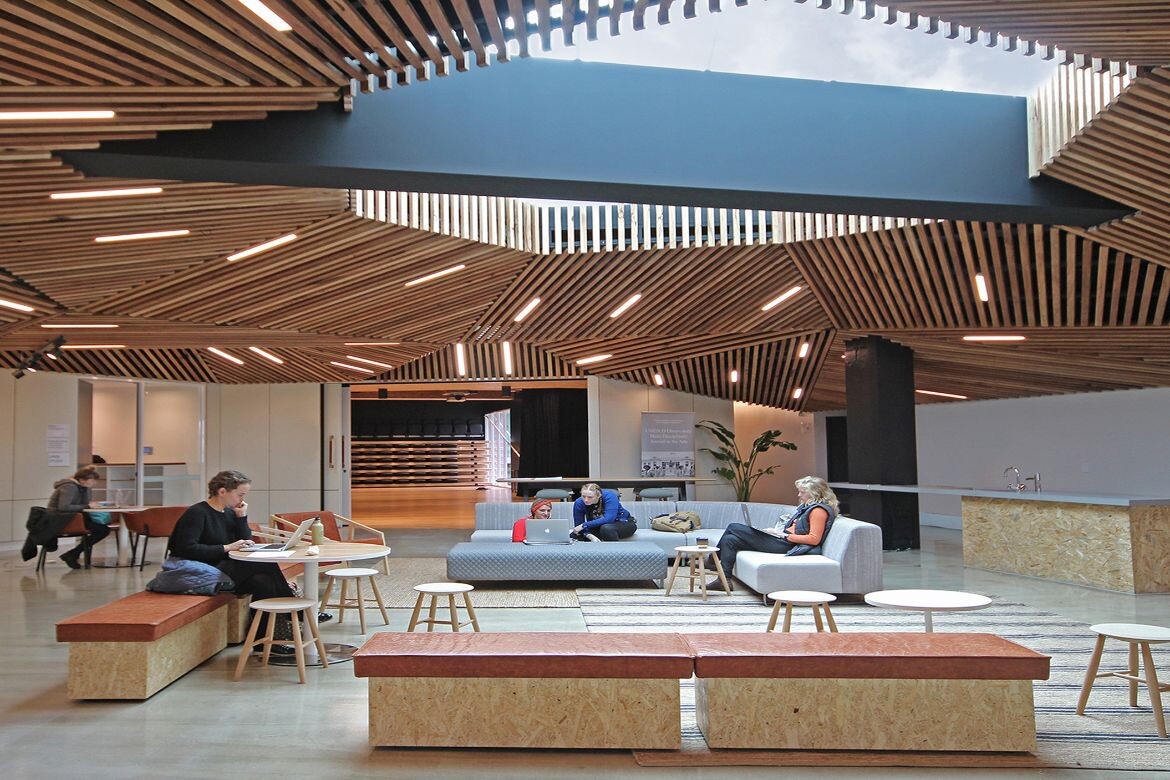
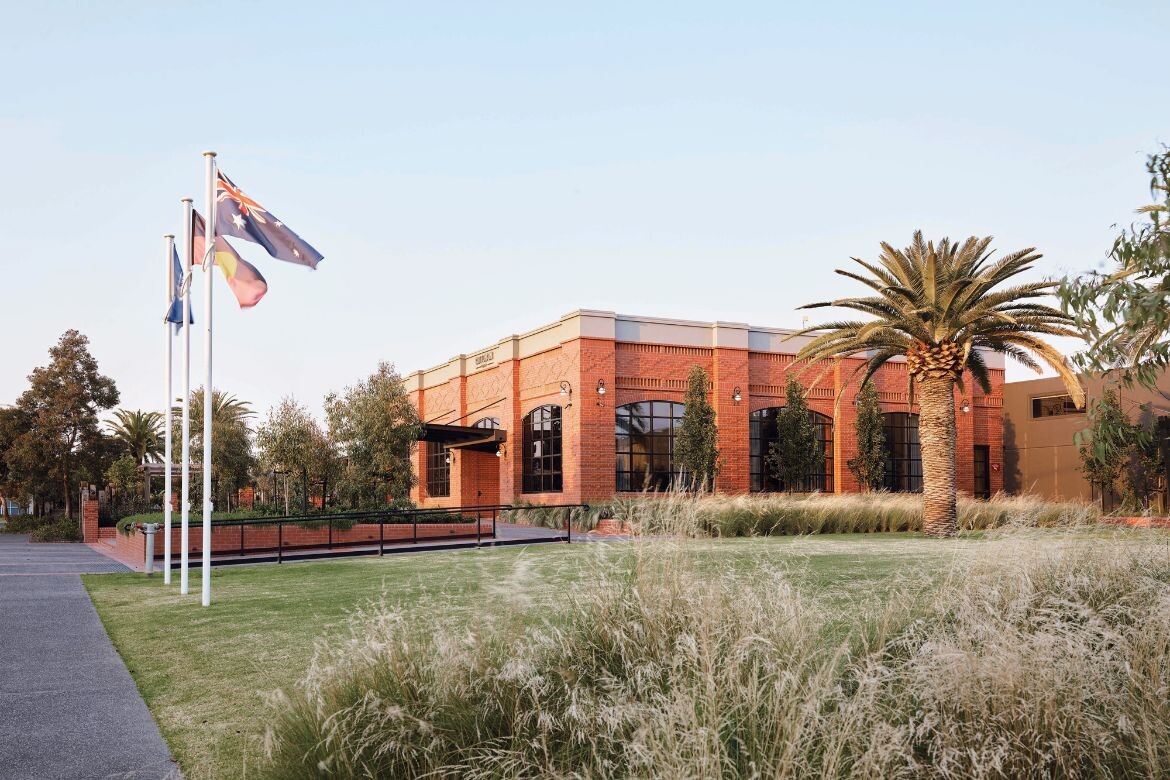
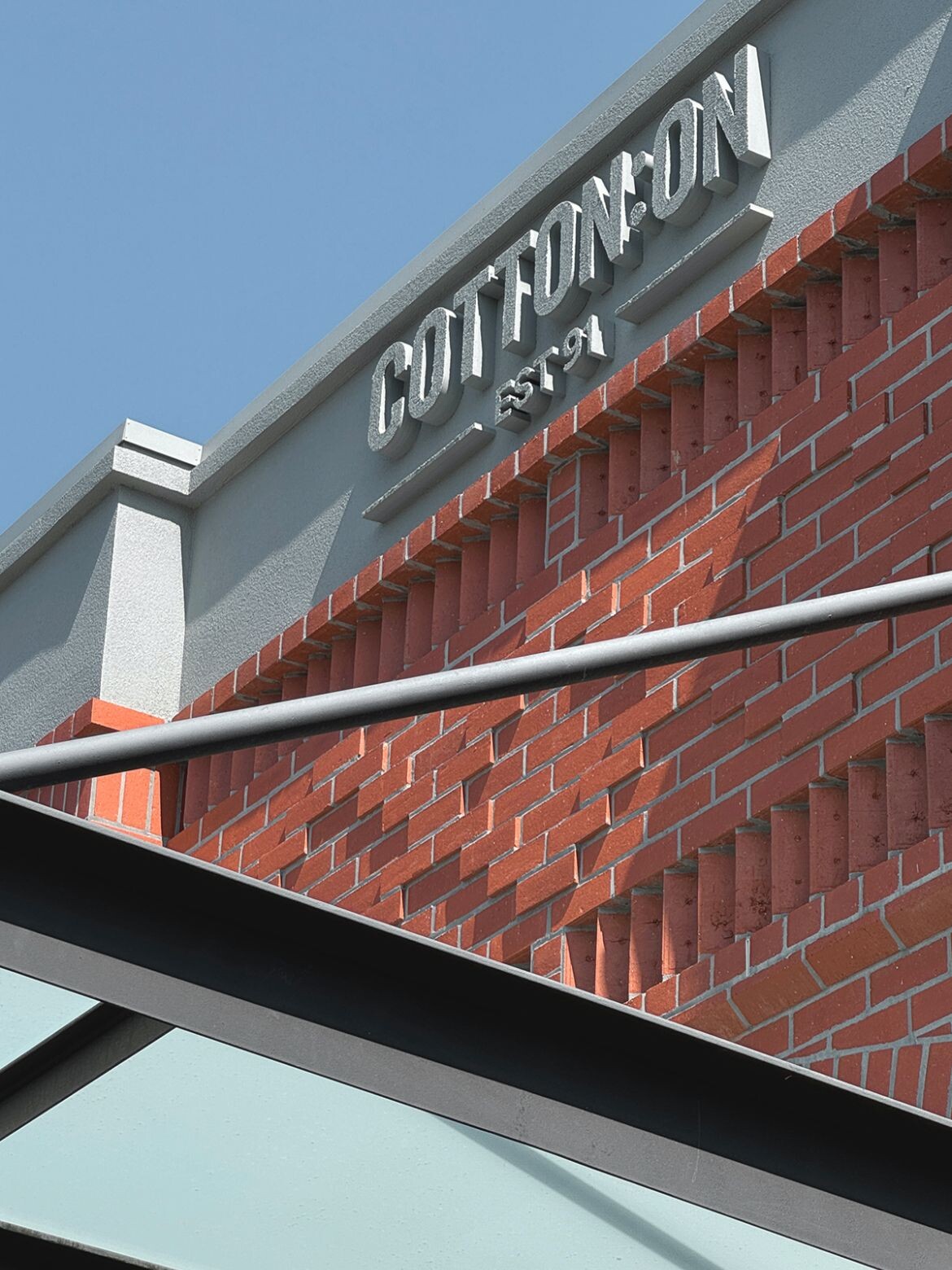
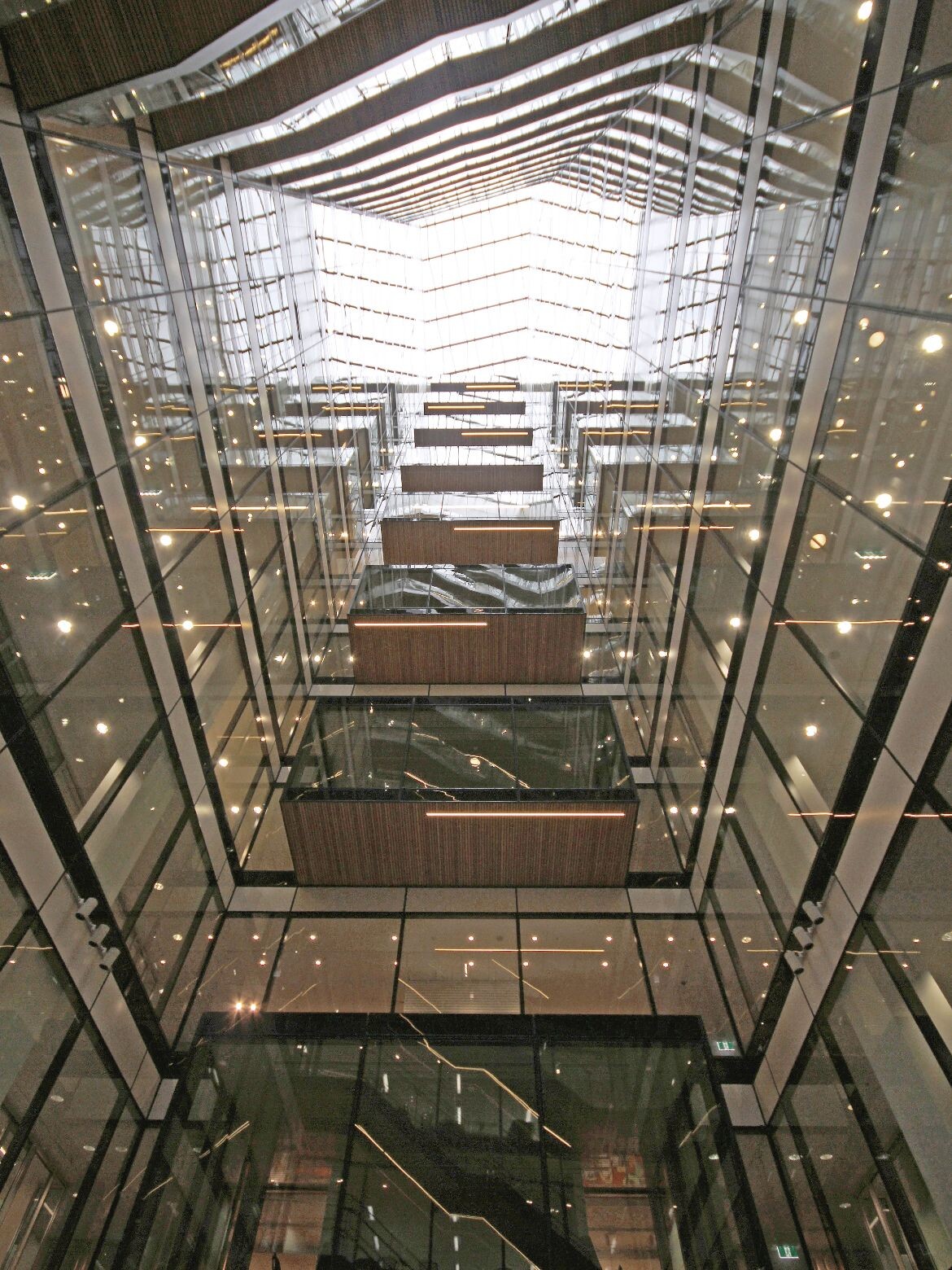
Other landmark projects include the Melbourne Graduate School of Education at the University of Melbourne, which helped pioneer innovative learning environments in Australia, Cotton On Group’s regional headquarters in Geelong, and Gucci’s Black Swan façade in Perth.
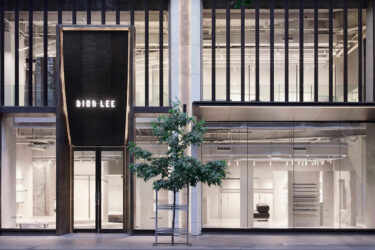
Recognition has followed. In 2024, PTID was named winner of The Retail Space category at the INDE.Awards for the Dion Lee Flagship, designed in collaboration with Stockholm-based design firm Stamuli.
“Our design response is never static,” Harvey reflects. “It’s a living reflection of culture, technology and human aspiration. Our journey mirrors the shift from rigid, transactional spaces to dynamic environments that support wellbeing and empowerment.”
Sustaining a practice over three decades requires resilience and adaptability. PTID has navigated economic cycles, industry shifts and periods of uncertainty, including the pandemic, while continuing to refine its design approach, strengthen client relationships and invest in its people.
Looking ahead, Harvey notes that client needs are becoming increasingly holistic. “The natural evolution of the practice is to build on our interior fit-out and refurbishment expertise while expanding into other building typologies, from greenfield projects to adaptive regeneration.”
At its core, PTID remains people-focused, guided by the principle to listen before speaking, observe before acting, and understand before delivering. With this ethos, the practice is well positioned for the years ahead.
As Harvey concludes, “We’ve built a platform that allows PTID, through our talented and committed team, to continue evolving and succeeding.”
PTID
ptid.com.au