As Plus Studio's newly appointed Principal, Kate Ockwell discusses how the 2032 Olympics, climate-responsive design and a maturing design culture are reshaping Queensland's interior landscape.
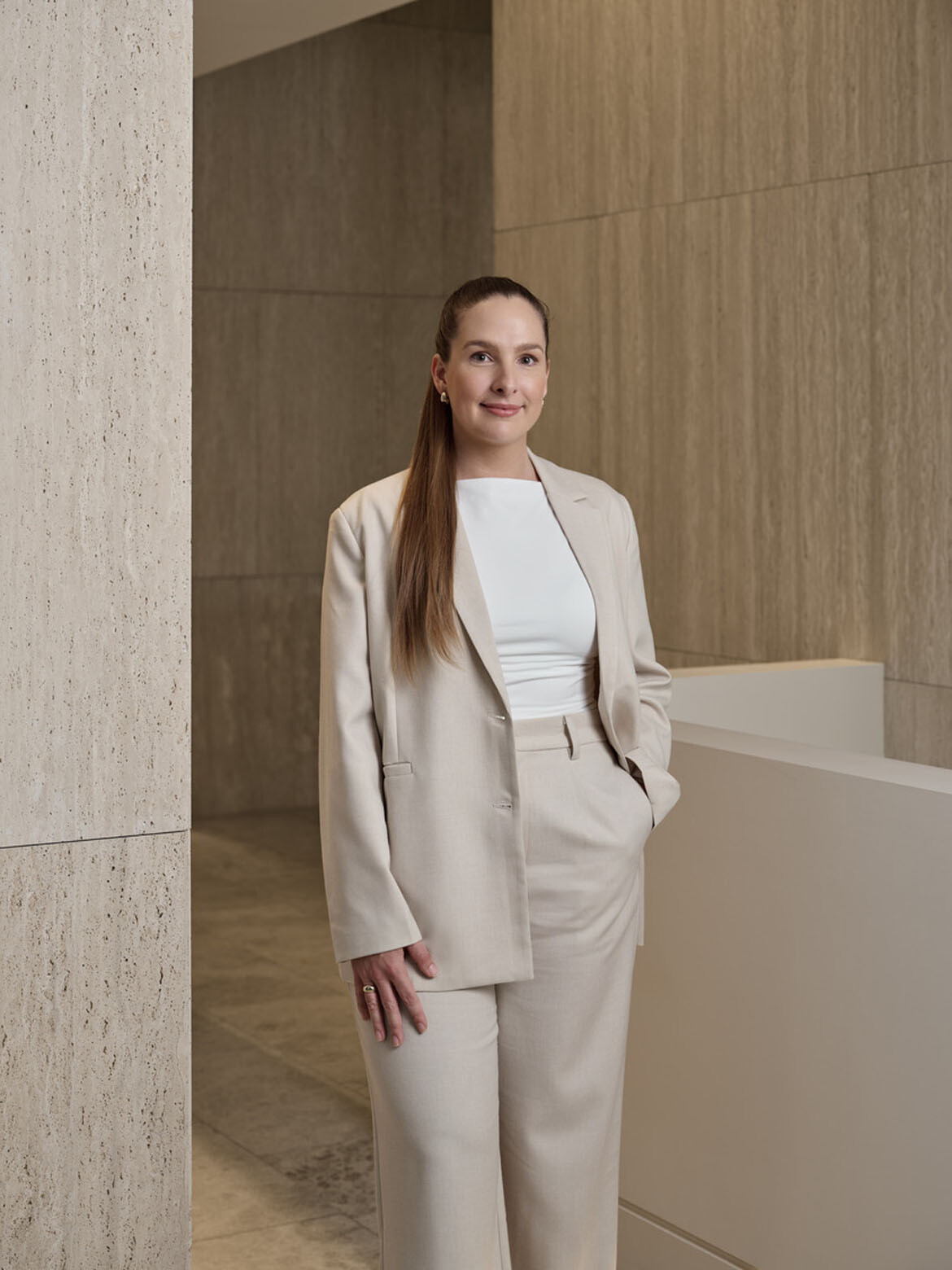
Queensland’s interior design landscape is evolving, shaped by a growing appetite for sophisticated urban living and the long view toward the 2032 Olympics. Kate Ockwell, recently appointed Principal at Plus Studio, has been closely involved in this change, leading interior design across the practice’s Brisbane and Gold Coast studios for more than seven years.
Story continues below advertisement
We spoke with Ockwell about how Queensland’s design identity differs from southern capitals, the challenges of delivering luxury at speed and why the Olympics represents both an opportunity and a responsibility for the local design industry.
What interior design shifts are defining Queensland at this moment?
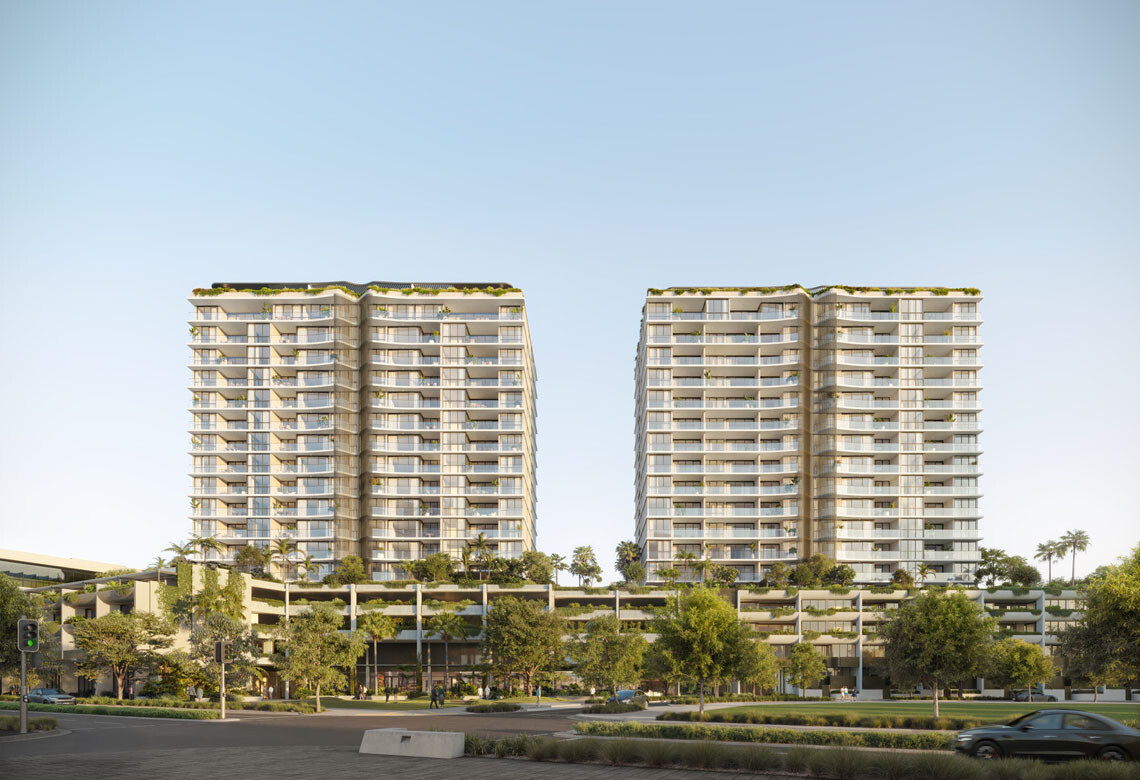
“Queensland is at a pivotal time because we’ve got the 2032 Olympics coming up and we’re competing for tourism and global attention,” Ockwell explains. “That means our interiors need to compete on an international stage. We’ve been looking at groundbreaking multiresidential developments globally and asking how we can elevate our offering here.”
Story continues below advertisement
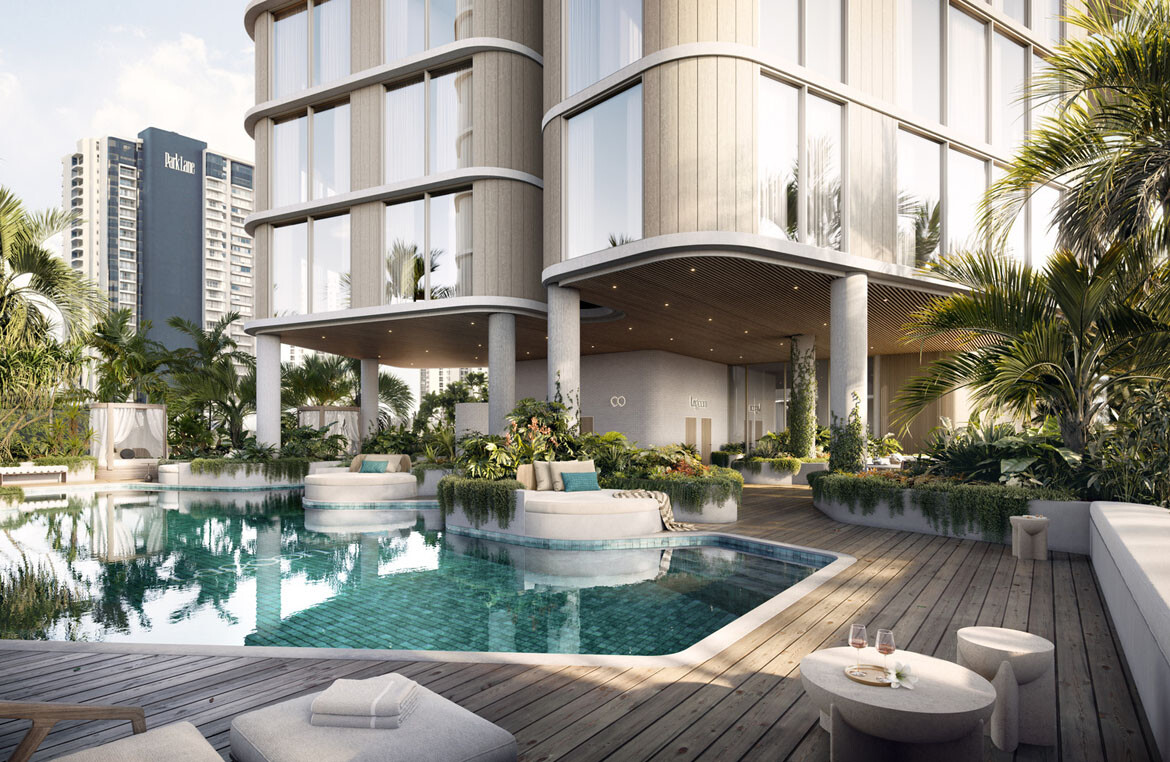
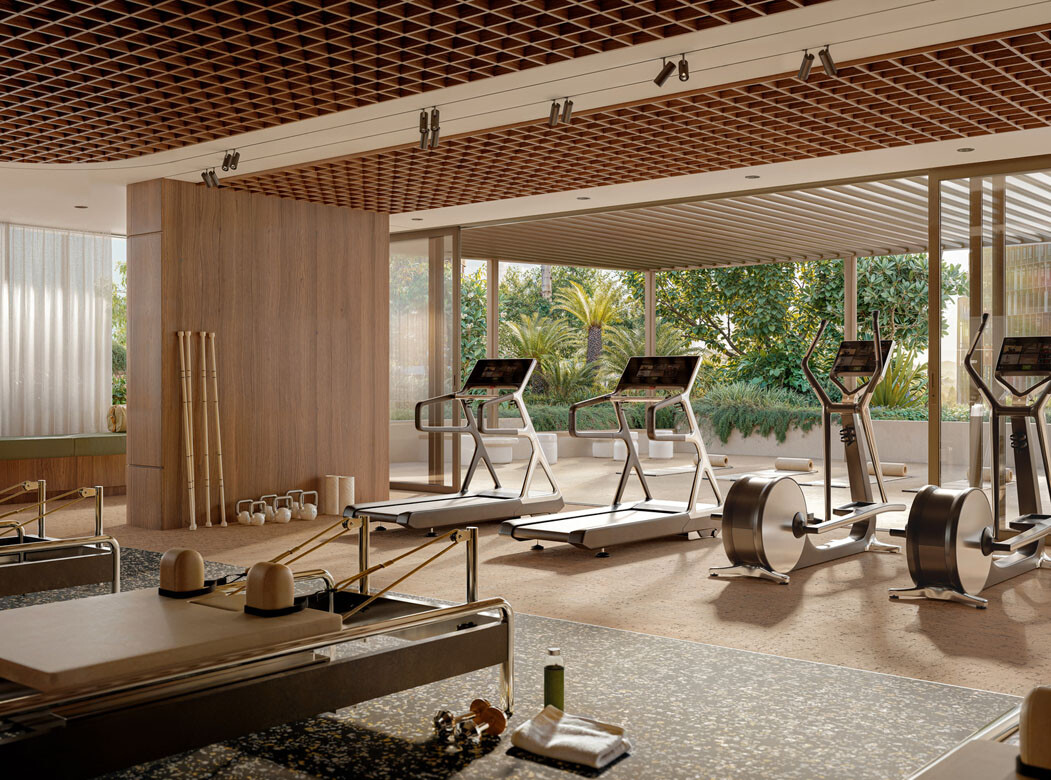
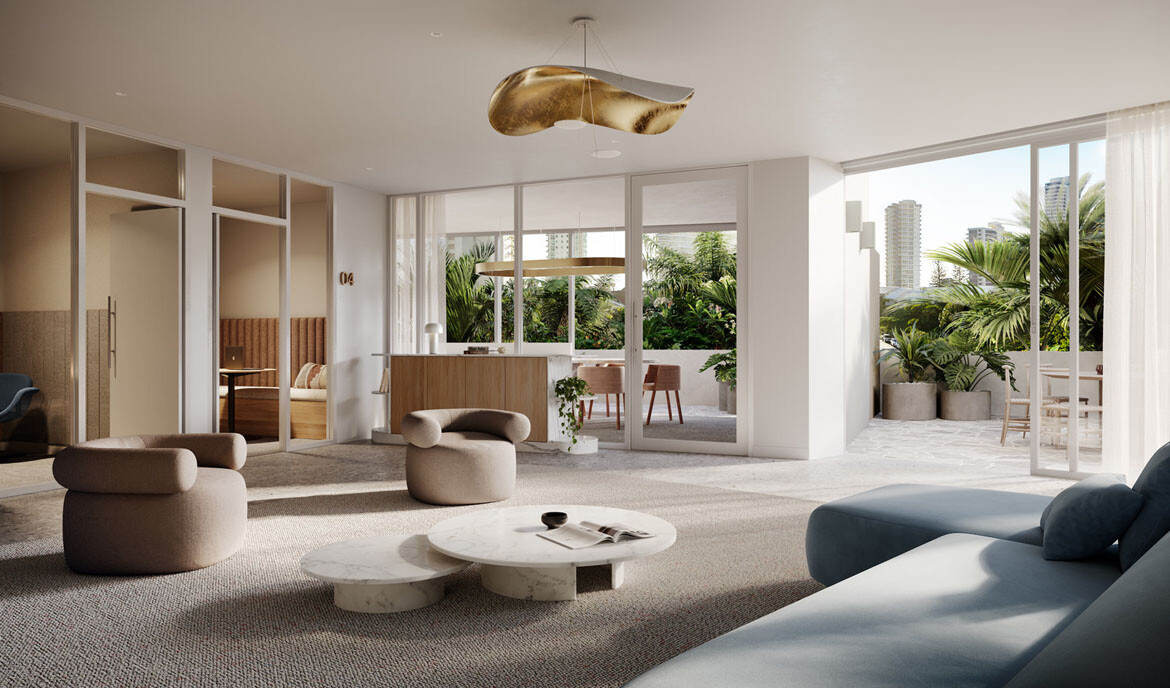
Ockwell notes that while many multiresidential developments are designed for long-term living, there’s an increasing need to accommodate holiday letting and short-term stays—a duality that requires thoughtful spatial planning from the outset. Community has also moved from afterthought to primary driver. “People want to see wellness spaces within the development. They want connection to community, accessibility, convenience. We’re creating beautiful moments within the interior design where we let space breathe rather than over-designing.”
Related: Architecture, democracy and feeling at home in our cities
Story continues below advertisement
How do luxury residential interiors in Queensland differ from Sydney or Melbourne?
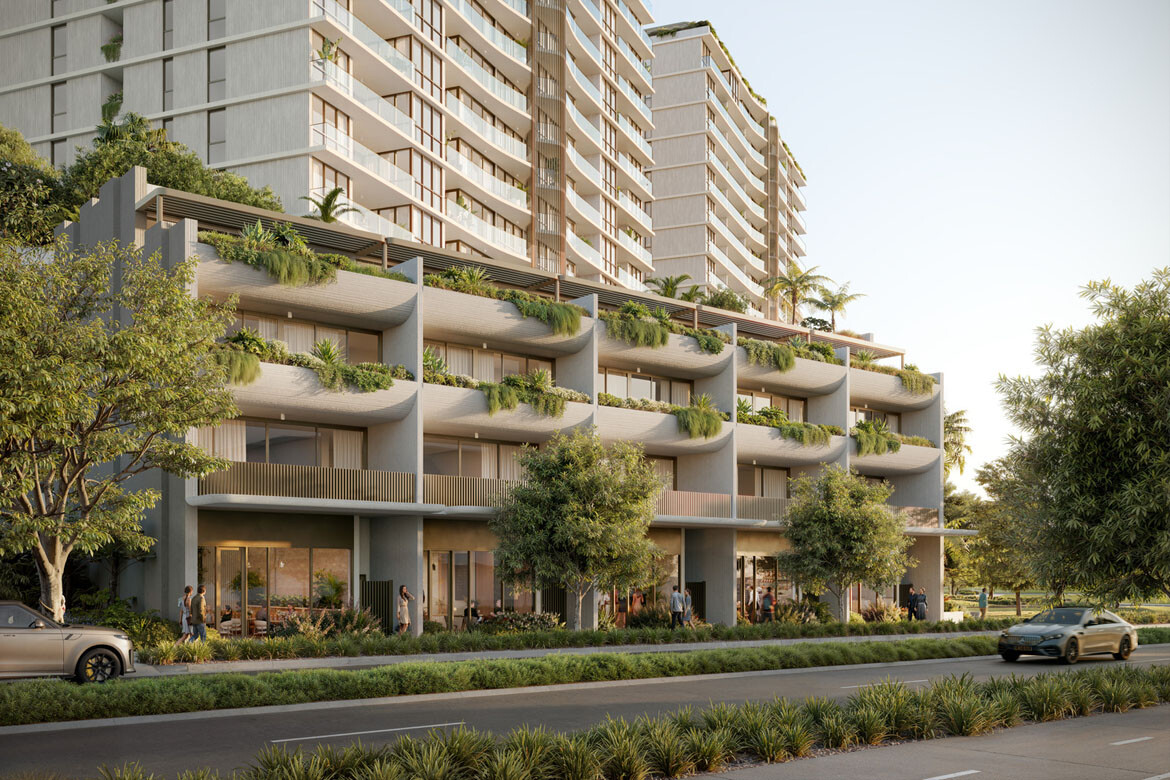
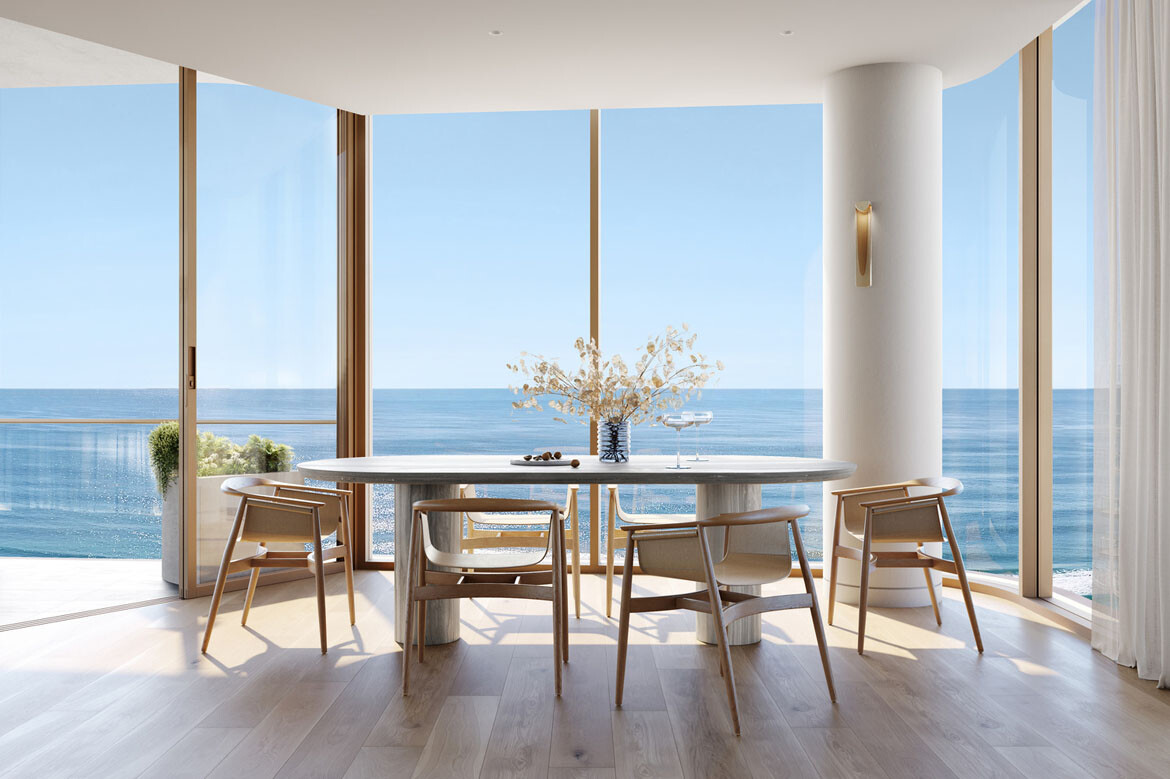
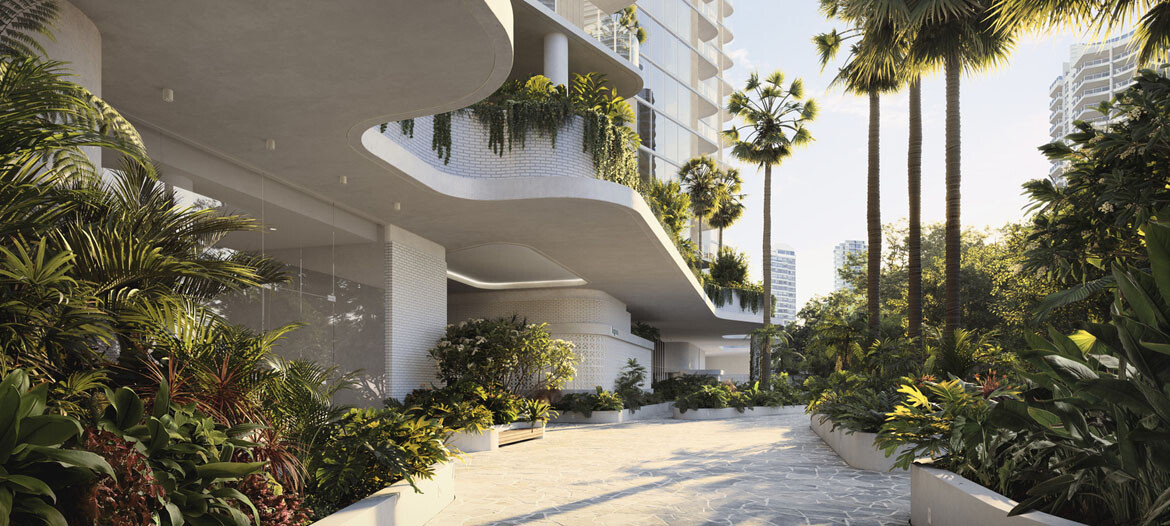
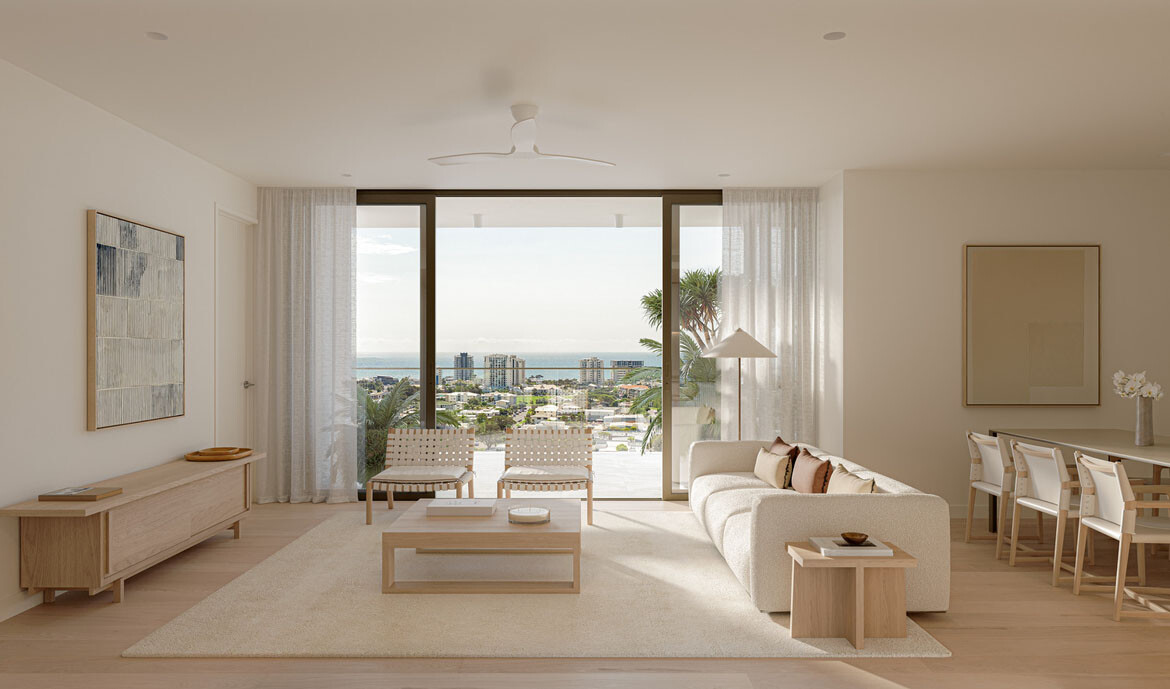
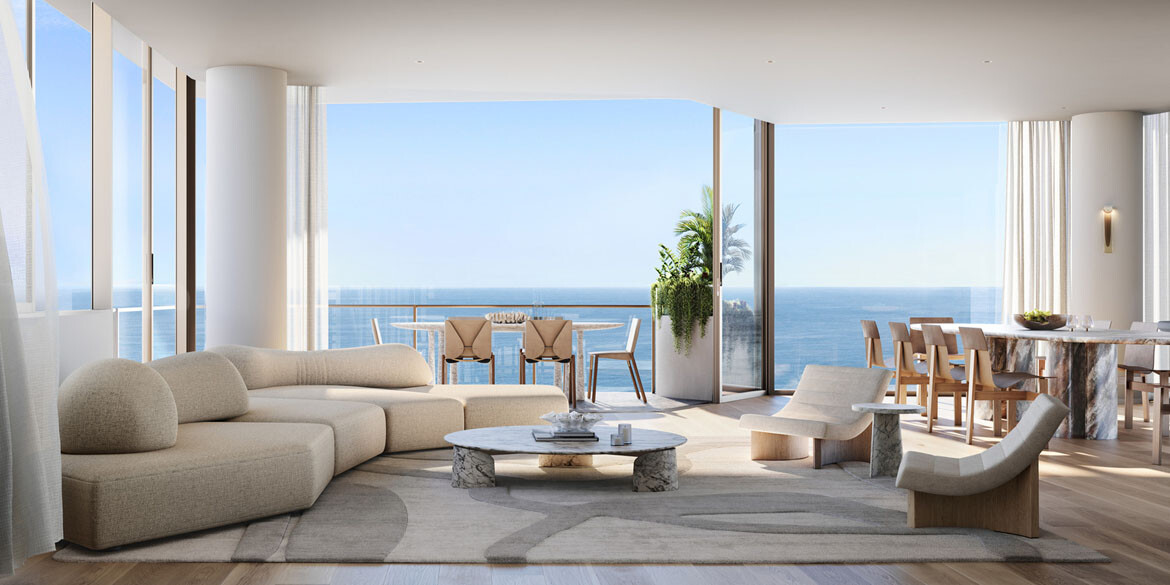
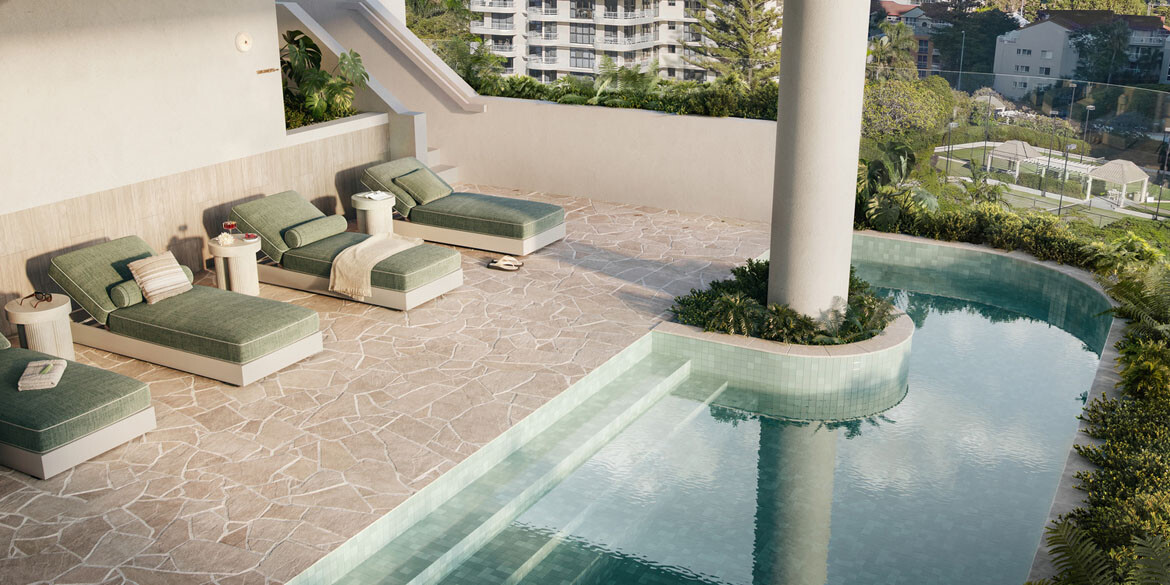
“We’ve always been said to be behind Sydney and Melbourne when it comes to interior design, but I feel like that has shifted,” Ockwell says. “We’re really able to pave our own way now.” The distinction lies in Queensland’s fundamental relationship with climate and landscape. “Our interiors are deeply connected to the environment. Queenslanders love living in their yards. We want to feel the breeze and the warmth of the sun—that seamless connection between indoor and outdoor.”
This manifests in what Ockwell calls the “outdoor room” concept, where balconies and communal areas are designed to open fully, fusing with landscape rather than merely overlooking it. “We look at ways to naturally ventilate spaces, allowing cross breezes to come through. In Sydney and Melbourne, different climates mean you’re often closing things in, creating a different environment internally. Here, we like the fusion of the two.”
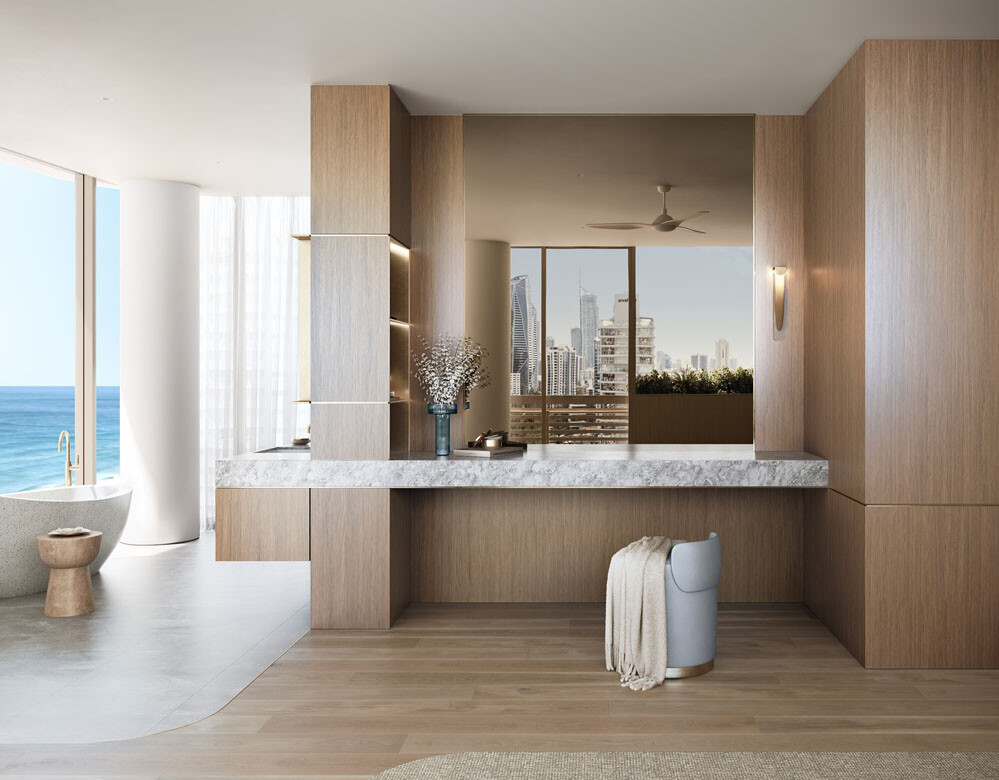
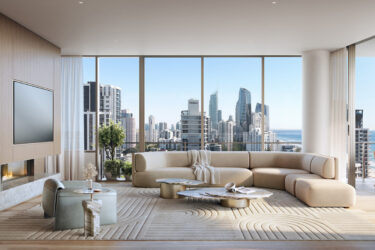
Material selection becomes critical in this context: “We need to make sure materials are durable enough to withstand the climate without compromising on luxury,” Ockwell explains. The subtropical setting also influences palette—Queensland interiors tend toward lighter tones, drawing inspiration from coastlines and hinterland environments, though colour is deployed strategically to create depth and character.
How does Plus Studio integrate interiors and architecture from the outset on large-scale projects?
“We work really closely with our architectural team to ensure the interior responds to the facade and the site context—it’s about cohesion and clarity between the two,” Ockwell says. The process begins with what the studio calls “design drivers”—project principles agreed upon early by both architecture and interiors teams that function as a rule book, guiding every subsequent decision.
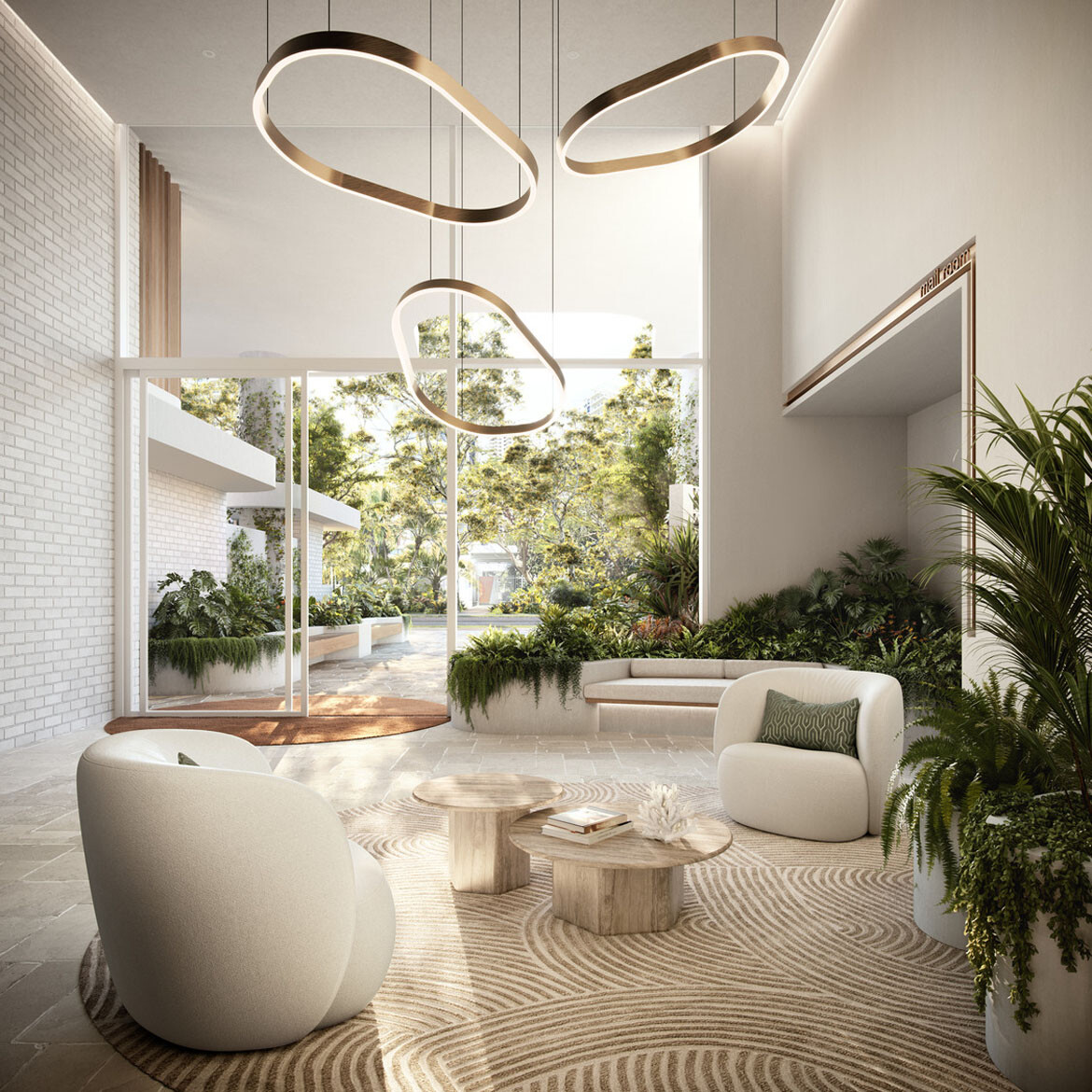
Interior designers play a strong role in shaping common areas on multiresidential projects, bringing an experiential perspective to planning. “We create that seamless fusion between architecture and interior environment from the moment you arrive on the property,” Ockwell notes. Collaboration extends beyond the design team—developers and marketing agents influence outcomes, ensuring commercial viability aligns with design ambition. “We always want to deliver a strong commercial outcome for them.”
How do you maintain design quality while delivering projects at speed?
“That does come down to passion and accountability,” Ockwell admits. “Our team genuinely wants to deliver a beautiful outcome and sometimes that requires extra effort and time.” The interior design team actively engages with the broader design culture—visiting new projects, attending supplier events, staying connected to industry developments. “We live and breathe design.”
Internally, Plus Studio runs design charrettes—collaborative design reviews where anyone can contribute ideas and challenge directions. “Things aren’t designed until they’re built—that mindset ensures we’re always evolving and refining, even throughout design development, construction documentation and on site.”
What excites you most about the future of interior design in Queensland?
“Definitely the potential we have,” Ockwell says. “Plus Studio in Queensland really has the opportunity to take design to the next level.” She’s particularly interested in how technology and AI tools can support deeper design thinking by freeing up time for innovation and enhancing client experience from start to finish.
The Olympics loom large as both opportunity and challenge. “I think there’s a real opportunity for culturally rich, story-driven interior design—looking at Indigenous collaboration with companies like Balarinji, curated art, spaces designed with a global audience in mind.” But Ockwell is conscious of the risks inherent in event-driven development. “We need to future-proof that design. We want to ensure we aren’t just designing for one use—it needs to have various uses over time. Having adaptable spaces is really going to manage that.”
It’s a pragmatic vision for Queensland’s design future: ambitious enough to compete internationally, grounded enough to endure beyond the spotlight but responsive enough to honour the climate and culture that make the state distinct. With Ockwell’s insights, Plus Studio’s Queensland interiors are positioning the state not as Sydney or Melbourne’s younger sibling, but as a design capital with its own identity and trajectory.
Plus Studio
plusstudio.co
Photography
Courtesy of Plus Studio