“Designers are motivated by a desire to make the world a better place,” says Professor Naomi Stead of Monash University, “and so they keep designing until they get to the best possible outcome – beyond the point where they’re really pushing their own personal well-being.”
Awareness of mental health and appreciation of the intrinsic, reciprocal relationship between environment and wellbeing has never been so widespread as it is today, as the cumulative effects of living and working through a second year of the global COVID-19 pandemic start to become known.
But how might organisations, the industry, and individuals, make the most of this moment to establish change and in doing so, protect the longevity and diversity of the design industry into the future?
Aligning with the timely happenings of RUOK Day, 8 September 2021, and the upcoming World Mental Health Day, Hassell has dedicated an episode of its Hassell Talks podcast series to addressing the pertinent issues of occupational wellbeing and burnout in design industry today.
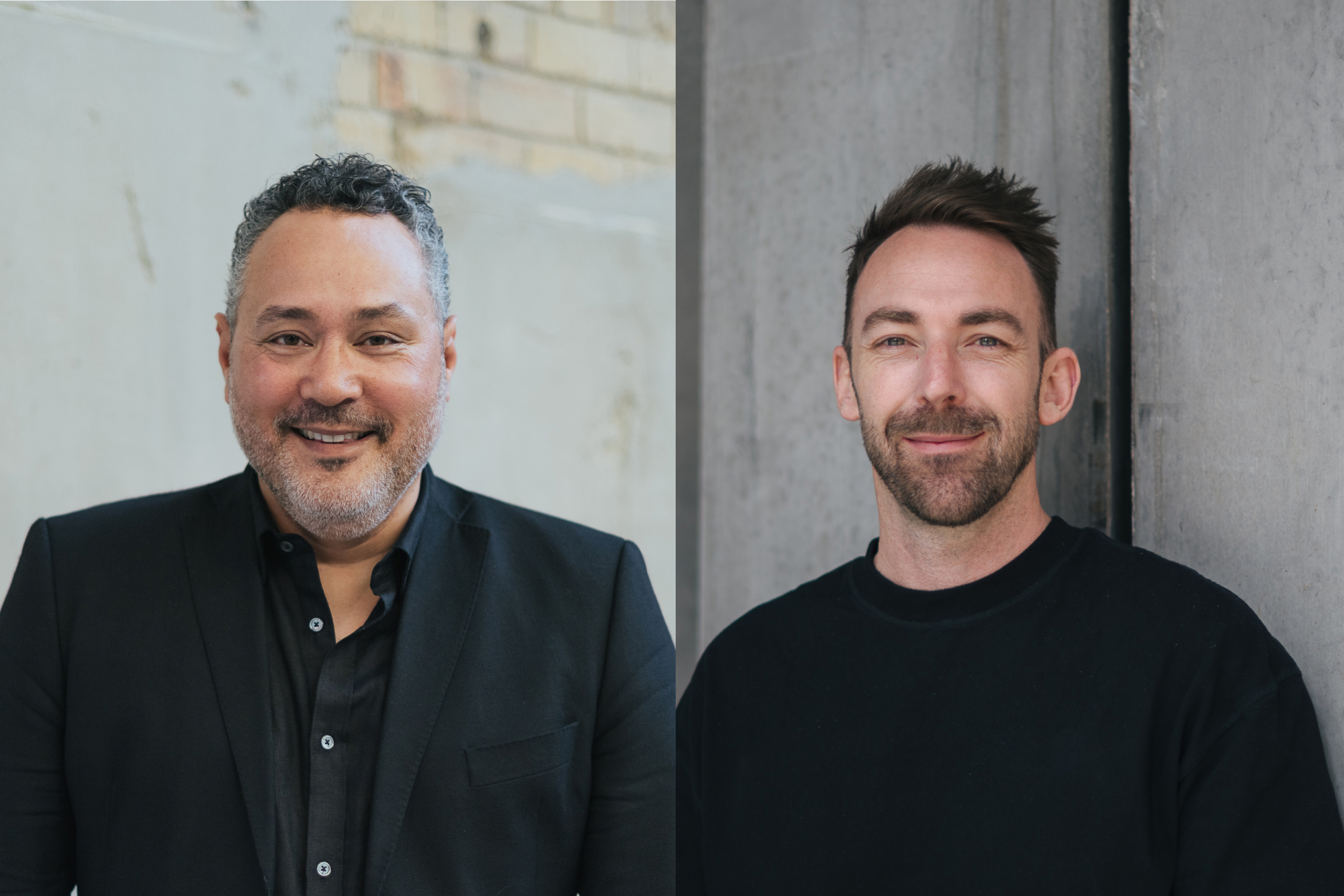
Contributing insights and experiences from each of their own personal and professional journeys in mental health are guests speakers, Parlour co-founder, researcher and professor of architecture at Monash University, Naomi Stead, who reveals early observations from her recent survey on wellbeing in architecture; and Bonnie Shaw, co-founder of Place Intelligence and Human Potential Coach, who shares her innovative framework that marries data, endocrinology, neuroscience and behavioural psychology to support change, and community resilience.
“When you’re working in really big, challenging, adaptive problems, it puts so much pressure on people. And being able to do that work in a context where it’s okay to talk about how you might be struggling or when you might be having problems, I think, is the only way we get through it.”
With Hassell’s managing director Steve Coster as host, the three explore opportunities to promote an open help-seeking culture, foster wellbeing and create real, positive change around mental health for the benefit of individuals, organisations, clients – and ultimately the communities and end users of design.