The home of architecture and design in the Asia-Pacific
Get the latest design news direct to your inbox!

Get the latest design news direct to your inbox!
In town to speak at the HKIA Cross-Strait Architectural Design Symposium, Liu Jiakun talks about being a late bloomer and taking a ‘low-tech strategy’ to architecture. Christie Lee has the story.

April 1st, 2015
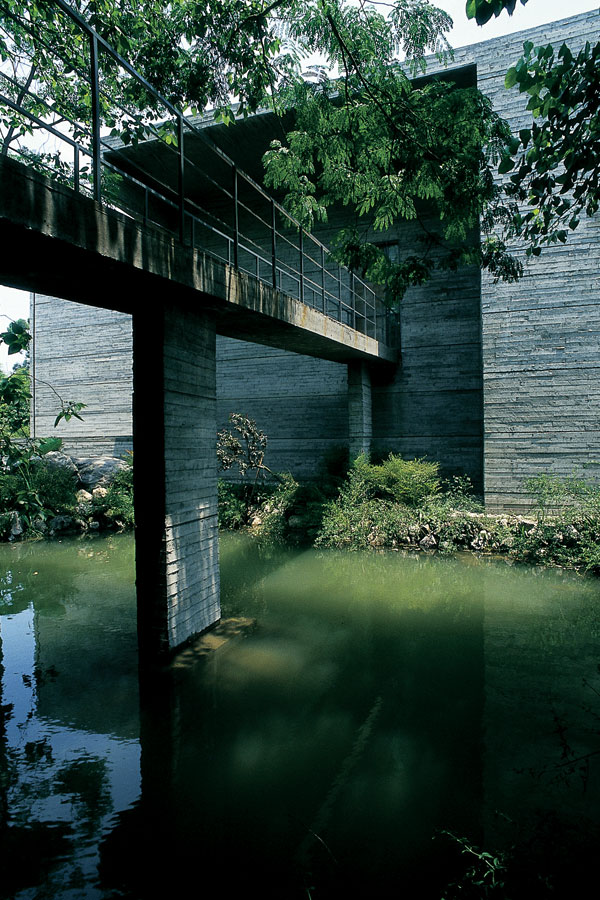
Luye Yuan
To Hong Kongers, Liu Jiakun might be better known as one of the architects who participated in the controversial Mobile M+: Inflation! exhibition back in 2013. While the Chinese architect’s “With the Wind” installation didn’t cause as much a ruckus as some of the other works (an inflatable lump of dung?) on display, it was nevertheless equally evocative.
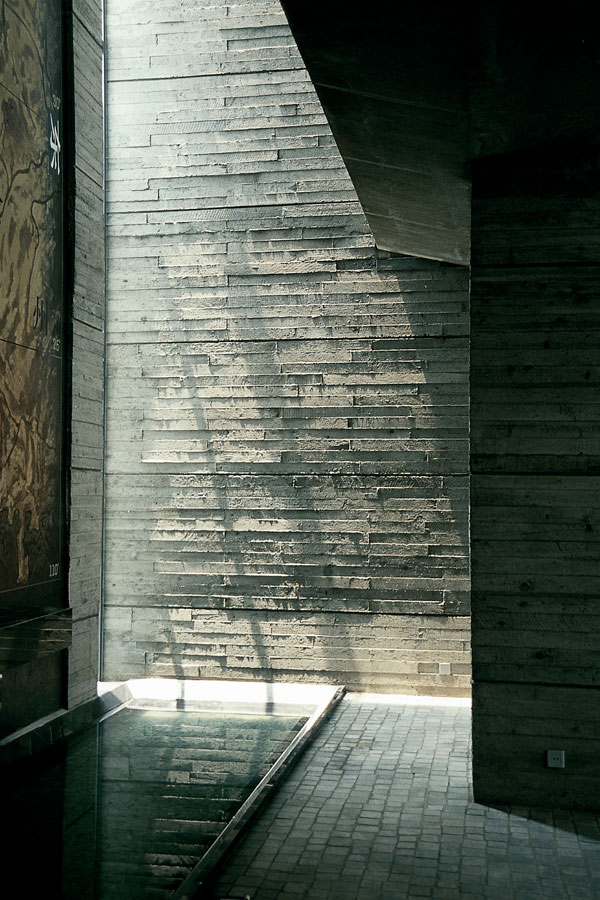
Luye Yuan
Another interesting fact: despite being one of China’s most revered architects, Liu was first a novelist, then an architect. “I hadn’t an inkling of what being an architect entailed. I only entered the programme because I thought being an architect was all about sketching. Boy did I feel cheated!” laughs the Chengdu-born and –raised architect, who was in town to speak at the HKIA Cross-Strait Architectural Design Symposium on 28 March. Upon graduation, he dedicated a decade of his life to literature, until he “got sick of having to report every single thought of his to the government.” By that point, architecture no longer looked as “dreadful”. He re-entered the field and five years later, in 1999, found his eponymous firm Jiakun Architects.
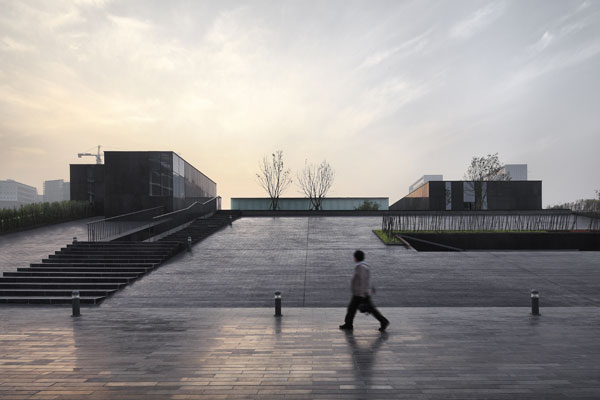
MoCA Chengdu
Liu is recognised for his ability to transform hard steel and reinforced concrete into works of art that pay tribute to both nature and man.
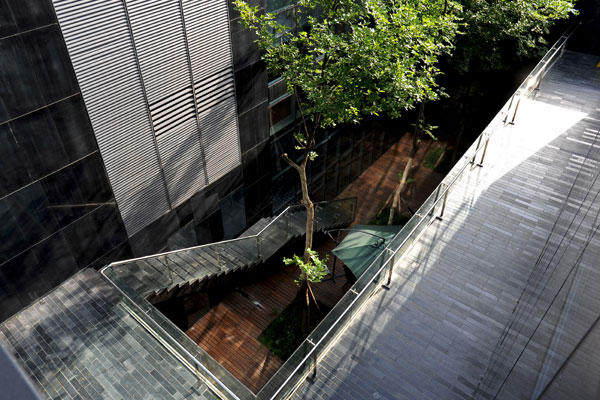
MoCA Chengdu
With the Clock Museum of Cultural Revolution in Chengdu, Liu not only manages to conjure an air of reverence with sweeping curves, a muted palette and the erection of plenty of secluded spaces for contemplation, he’s also turned it into a commercially viable entity by leaving enough open-air space around the museum, attracting food vendors to set up shop and thus ensuring a stream of visitors.
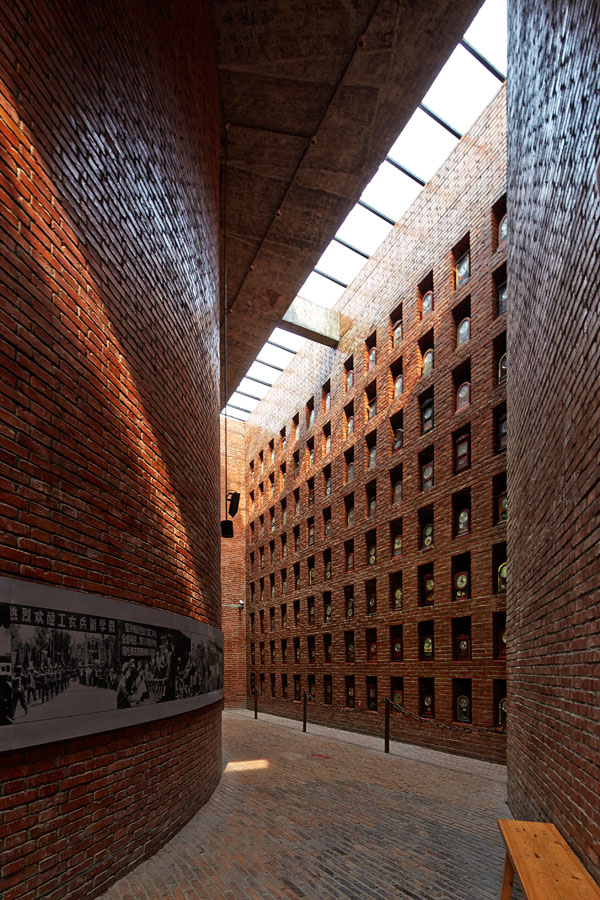
Clock Museum of Cultural Revolution
“Many see culture and commercial success at opposing ends of the spectrum, but I believe that they can co-exist. Only then could cultural and historical institutions have the hope of surviving,” he says. “It’s a philosophy which harks back to ancient China, when stalls selling incense sticks and snacks were scattered on the outskirts of Chinese temples.” A couple of years ago, Liu put forward the idea of ‘low-tech strategy’ – “as one of four ancient civilisations, what China has is a rich history and culture. That is what we should be leveraging, and obviously our brains, if we want to compete with the West. When it comes to technology, the West will always be far ahead of us.” When asked who his influences were, Liu says – “well too many to name here! Right now I’m quite obsessed with the works of certain Portuguese and Swedish architects,” he pauses. “I’d say Álvaro Siza Vieira is one.
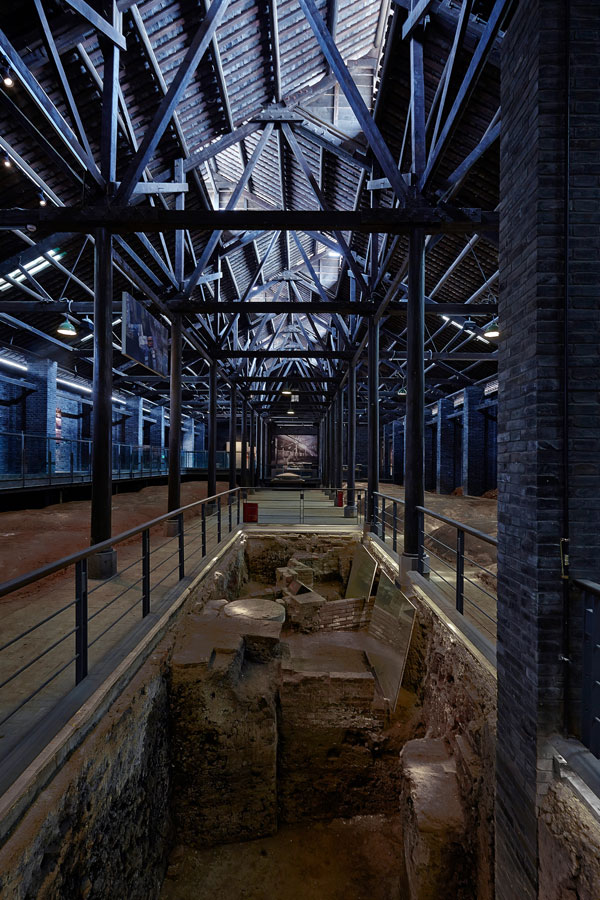
Shuijing Fang
Jiakun Architects
jiakun-architects.com
INDESIGN is on instagram
Follow @indesignlive
A searchable and comprehensive guide for specifying leading products and their suppliers
Keep up to date with the latest and greatest from our industry BFF's!
The internet never sleeps! Here's the stuff you might have missed