The home of architecture and design in the Asia-Pacific
Get the latest design news direct to your inbox!

Get the latest design news direct to your inbox!
Hot on the heels of receiving the Lifetime Achievement Award at the Asia Pacific Interior Designs Awards 2013 in Hong Kong, architect and interior designer Kenneth Ko talks to Christie Lee about his work and life philosophy.

January 13th, 2014
Since setting up his eponymous firm in 1976, Shanghai-born, Hong Kong-raised architect and interior designer Kenneth Ko has racked up over 2,000 projects under his belt, with clients ranging from the commercial – Chinese Arts & Craft and Shanghai Tang – to the residential – the show flats at Durham Road No. 9 and South Bay Palace in Repulse Bay.
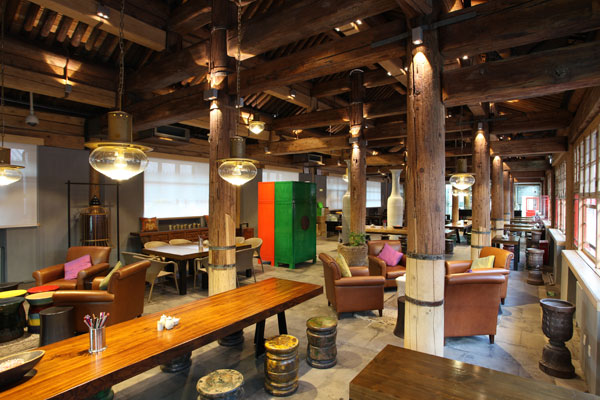
Ko’s noodle shop inside The Palace Museum in Beijing, China
With a slew of accolades to his name, including the Lifetime Achievement Award at the Asia Pacific Interior Design Awards 2013, Ko – described by the press as “Hong Kong’s father of interior design” – has enjoyed tremendous success in mainland China in the last decade. “A huge part of it has to do with perseverance. I knocked on the door of The Palace Museum for three years before they allowed me in!” the 71-year-old chuckles.
Now based in Shenzhen, Ko is also noted for his evasion of a specific style. “At the end of the day, the customer is always right,” he says. “As an architect you need a certain degree of flexibility to cater to the needs of different clients.”
Christie Lee finds out more.
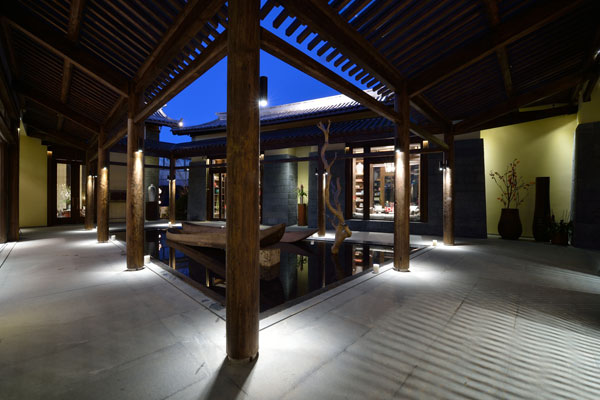
Starwood vacation home in Lijiang, Yunnan, China
Tell us about the Starwood vacation home project in Lijiang.
There are 105 holiday villas, with each chockfull of design elements inspired by the local Naxi culture. We also expect people to spend quite a bit of time outdoors, so we tried to break down the barriers between indoors and outdoors by way of floor to ceiling windows. It also gives the illusion of more space. Each villa enjoys panoramic views of the Jade Dragon Snow Mountain. With a UNESCO site like Lijiang, it demands much more thought than simply building some nice houses and putting some expensive furniture inside. The last thing I want is to turn the place into another Sanya or Haikou.
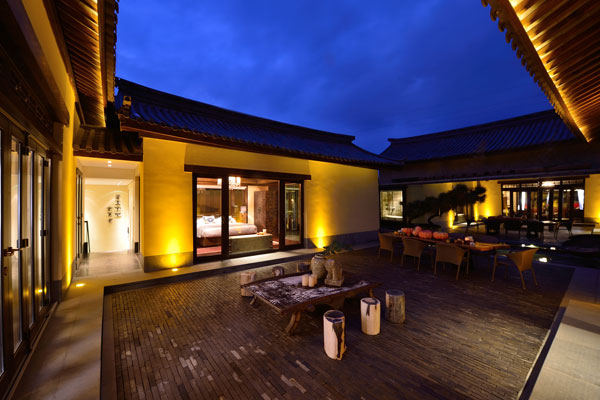
Starwood, Lijiang
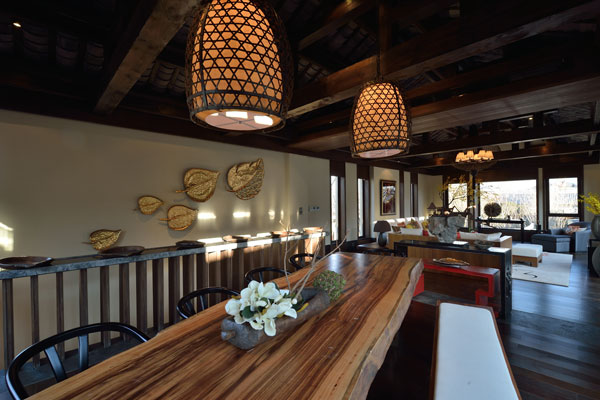
Starwood, Lijiang
Can you elaborate on the elements of Naxi culture that have been incorporated into the design?
Dongba text is sewn into cushions, or seen on the walls and closet doors. In terms of the colour scheme, we took a lot of inspiration from traditional Naxi costumes. Nothing is literal though – it’s not like we’re building village houses!
You’ve cemented the “My” brand at the Shenzhen OCT Loft, beginning with My Coffee and My Noodle and later, My Salon. Where did the inspiration come from?
A lot of Chinese people have a skewed perception of what luxury is. Seldom will you find people decked head-to-toe in Armani or Versace in western cites, yet they still uphold high standards of living. The “My” brand is a way of telling people: hey, there is more than one way to living a luxurious life.
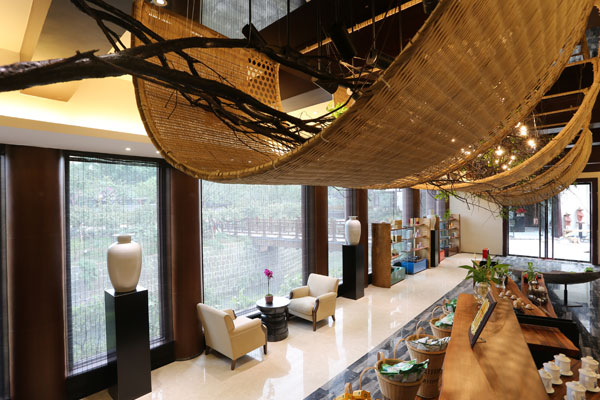
Emei Xueya in Sichuan, China
Sustainable design appears to be a prevailing trend. Is it here to stay?
Well I hope so. Rooftop gardens and wall gardens are definitely a positive trend, especially in a place like Hong Kong, where there is so little greenery in the city centre.
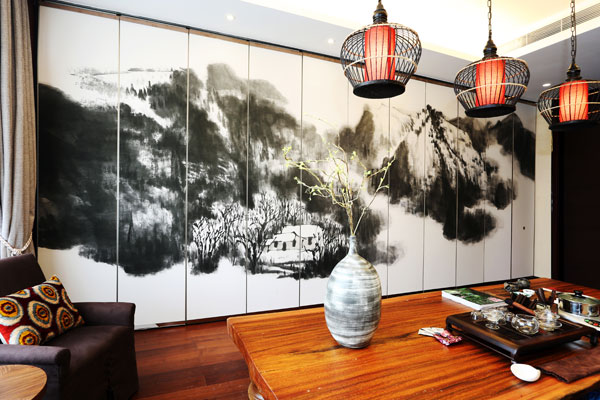
Emei Xueya in Sichuan, China
How should an architect strike the balance between passing trends and timeless designs?
It’s dependent on a lot of factors, including an architect’s skills and the demands of the developer. Jorn Utzon’s Sydney Opera House managed to strike the balance – it was avant-garde for its time, yet has remained timeless throughout the decades.
There is a lot of outlandish and ‘trendy’ architecture out there these days, and it’s understandable, because some people regard architecture as art. It’s fine, as long as it’s a public facility, like what Zaha [Hadid] has done at the Hong Kong Polytechnic University. I don’t think it makes much sense for a residential project though.
What is your life philosophy?
To be ahead of the curve and to learn to take calculated risks. However old-fashioned this sounds, I believe that hard work does pay off.
Kenneth Ko Designs Limited
kennethko.com
INDESIGN is on instagram
Follow @indesignlive
A searchable and comprehensive guide for specifying leading products and their suppliers
Keep up to date with the latest and greatest from our industry BFF's!
The internet never sleeps! Here's the stuff you might have missed