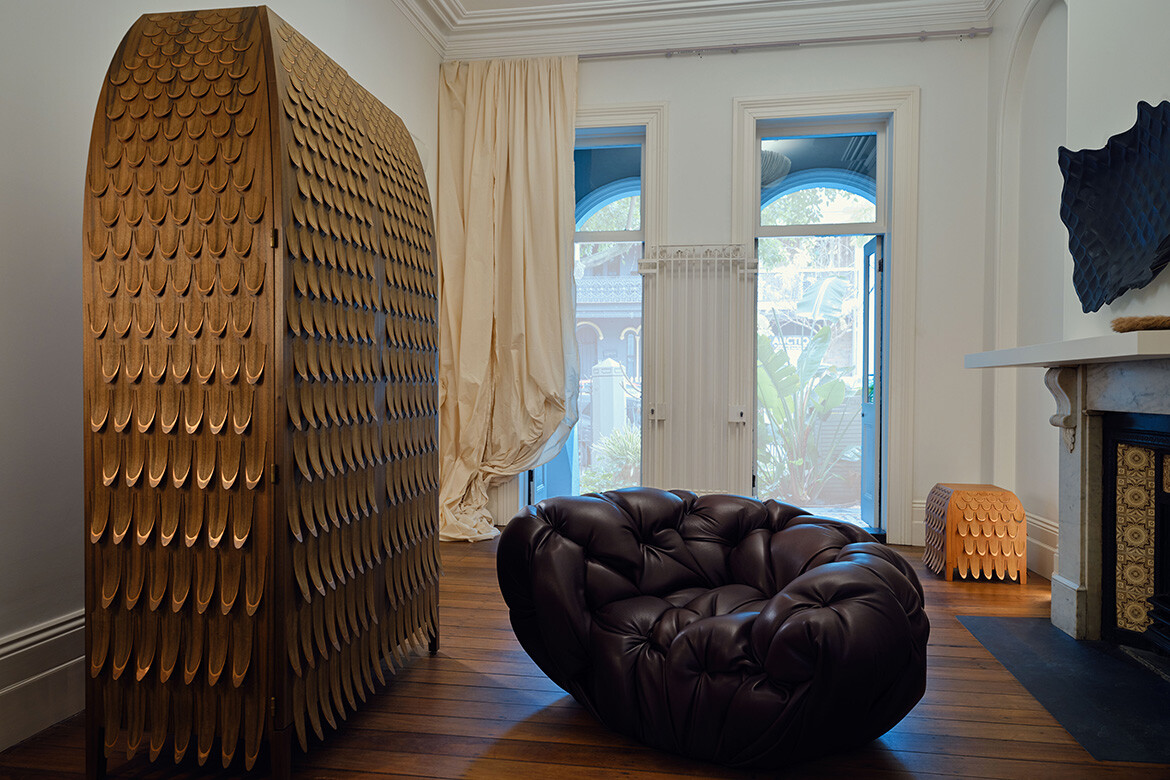
At Melbourne Design Week, 2025, design anthropologist Trent Jansen had a retrospective exhibition at Useful Objects gallery. The exhibition celebrated 20 years of Jansen’s influential design practice, which uses beautifully-crafted objects and pieces of furniture to tell stories, build relationships and ask questions – such as: How can the urgent story of drying Country due to climate change be conveyed through timber furniture? What happens when two people with different backgrounds and making skills work together over many years? How can objects communicate values, meaning and myths?
“My works ask questions in an open-ended way,” says Jansen. What surprised him at MDW, however, was that the works began triggering questions in return. The main one being: When will you be showing this work in Sydney? Jansen explains that he hasn’t exhibited a collection of his work there for many years because “Sydney is so hard. There’s just not many galleries and it’s so expensive to do anything.”
Then, a friend and fellow designer, Marjolaine Leray, reached out with an opportunity to host an exhibition in her gallery, Studio ALM (which shares its name with her interior and architecture practice). From there, Jansen says, it was a straightforward process. He picked up the objects from Melbourne and drove them to Sydney, where they’re now on display until October 19 in an exhibition titled Poesis Symvoli – Poetic Object Crafted Through Collaboration. The final week coincides with Sydney Craft Week.
While the selection of objects mirrors the Melbourne exhibition, this exhibition takes a different focus, signalled by its new title and the more domestic setting of an old terraced house and Leray’s softer form of curation. Jansen explains that ‘poesis’ is an Ancient Greek word for poetry, although it does not refer to literal verse but, instead, ”how objects are crafted to have poetic potential.” He cites Aristotle’s definition of “objects that serve a function beyond themselves,” to explain this further. Take, for instance, a Greek urn which is practical for storage and serving, yet also rich with meaning through form and pictorial narratives.
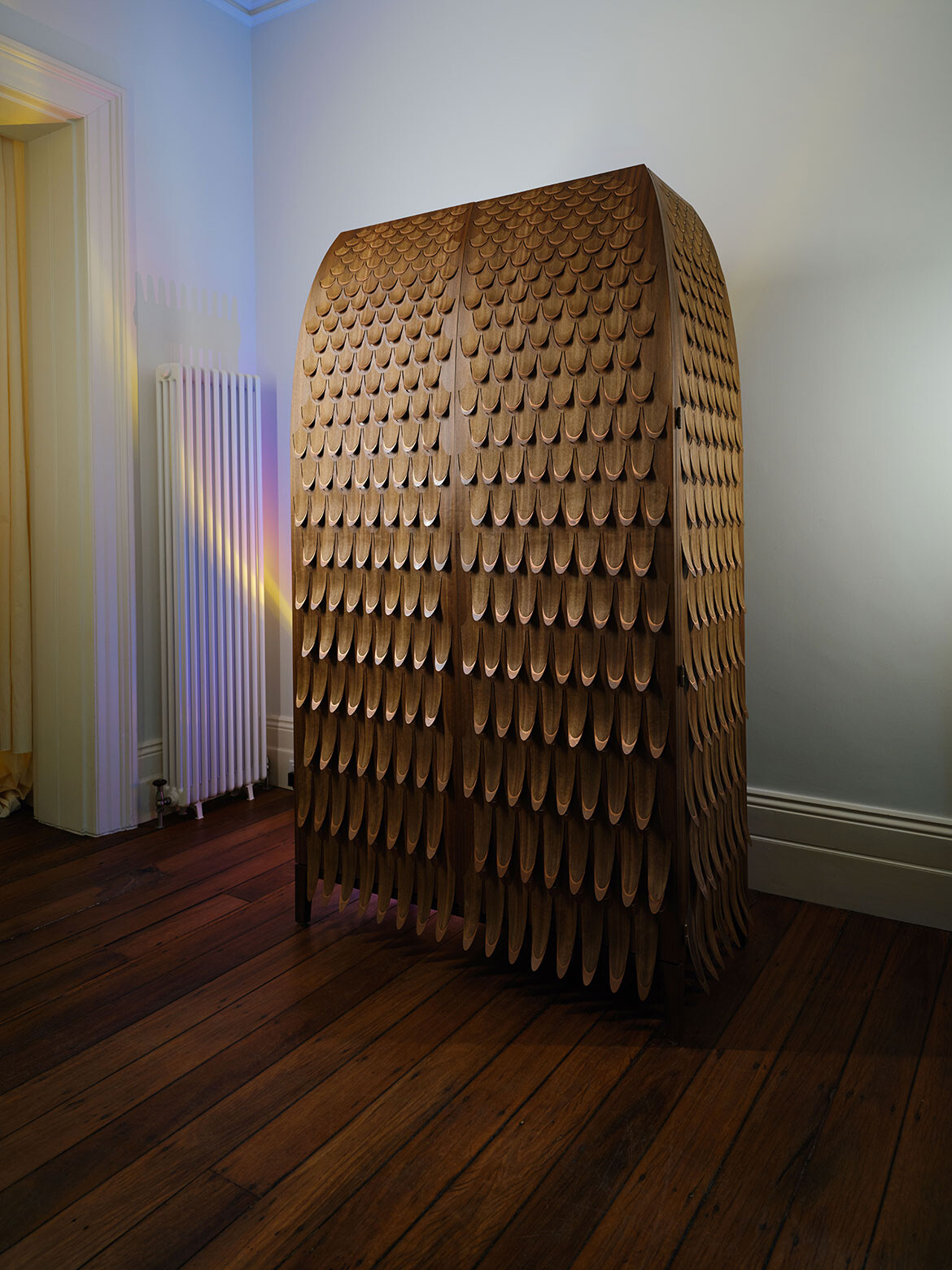
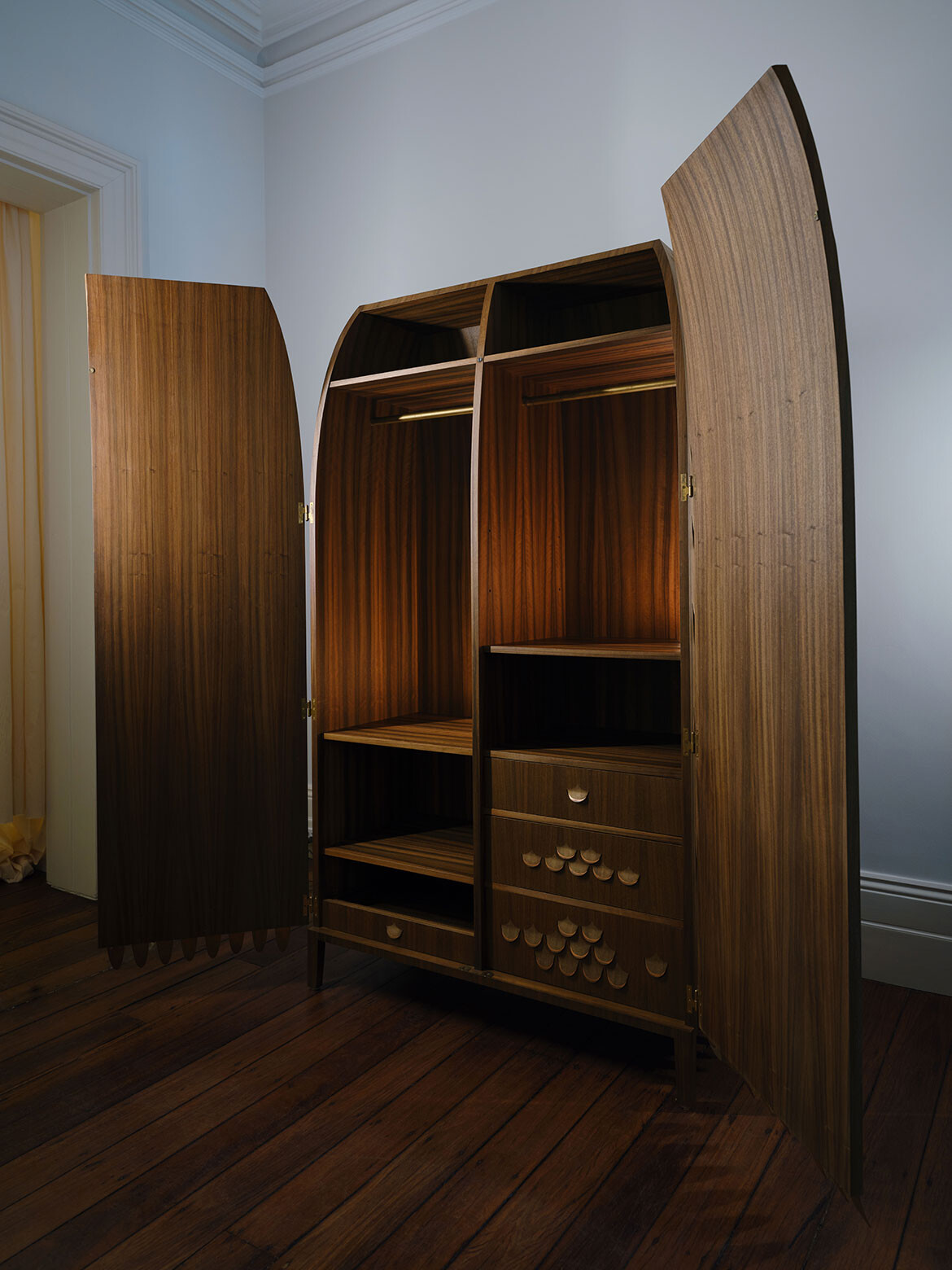
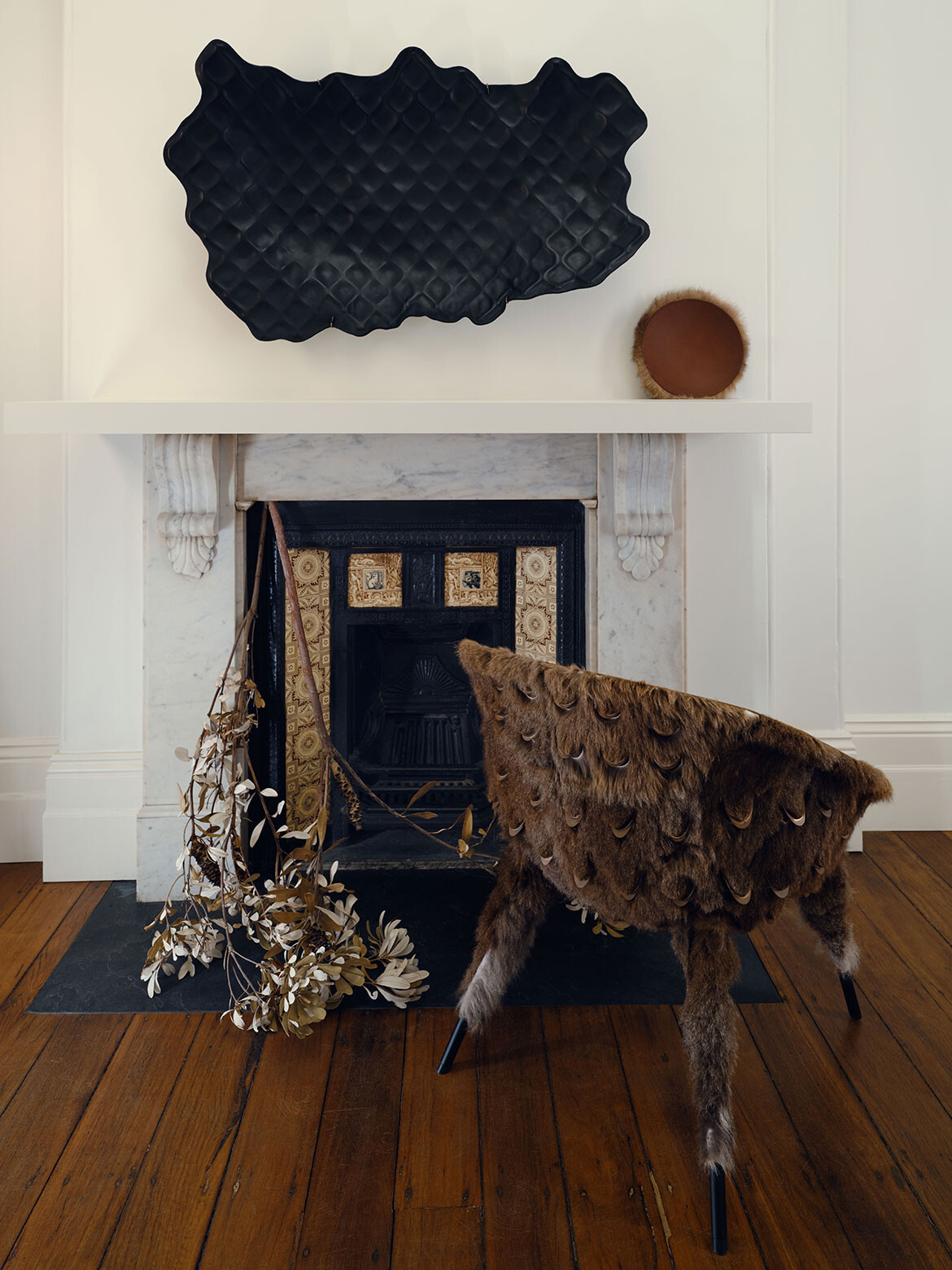
In Jansen’s exhibition, one might look to his Pankalangu Cabinet for an example of poesis in action. The piece’s scaly surface, crafted from Queensland walnut and copper, conveys the Western Arrernte story of a mythical creature who lives in the bush, camouflaged by the desert and scrub. “I’m interested in the symbolic potential for objects and materials to tell stories, to hold myths, to communicate value systems,” Jansen says.
The second word of the title, ‘Symvoli’, similarly traces its roots to Ancient Greece. It speaks of confluence and sharing – the way that something new is brought into being through the act of co-creation. “It was really important to me that the title spoke of the crucial role of collaboration in my practice,” Jansen explains. As his career has developed, Jansen has increasingly sought out long-term collaborations with other makers, allowing genuine co-creation to emerge from sustained relationships.
Related: More on Trent Jansen and INDE.Awards success
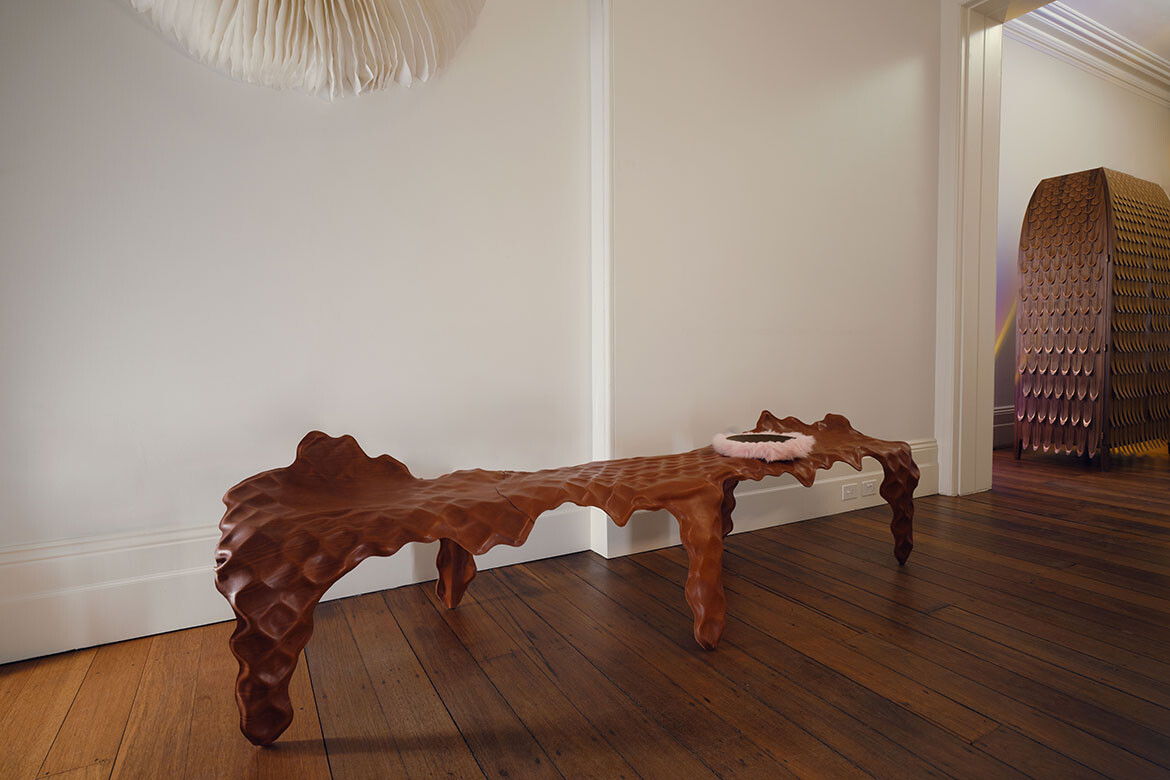
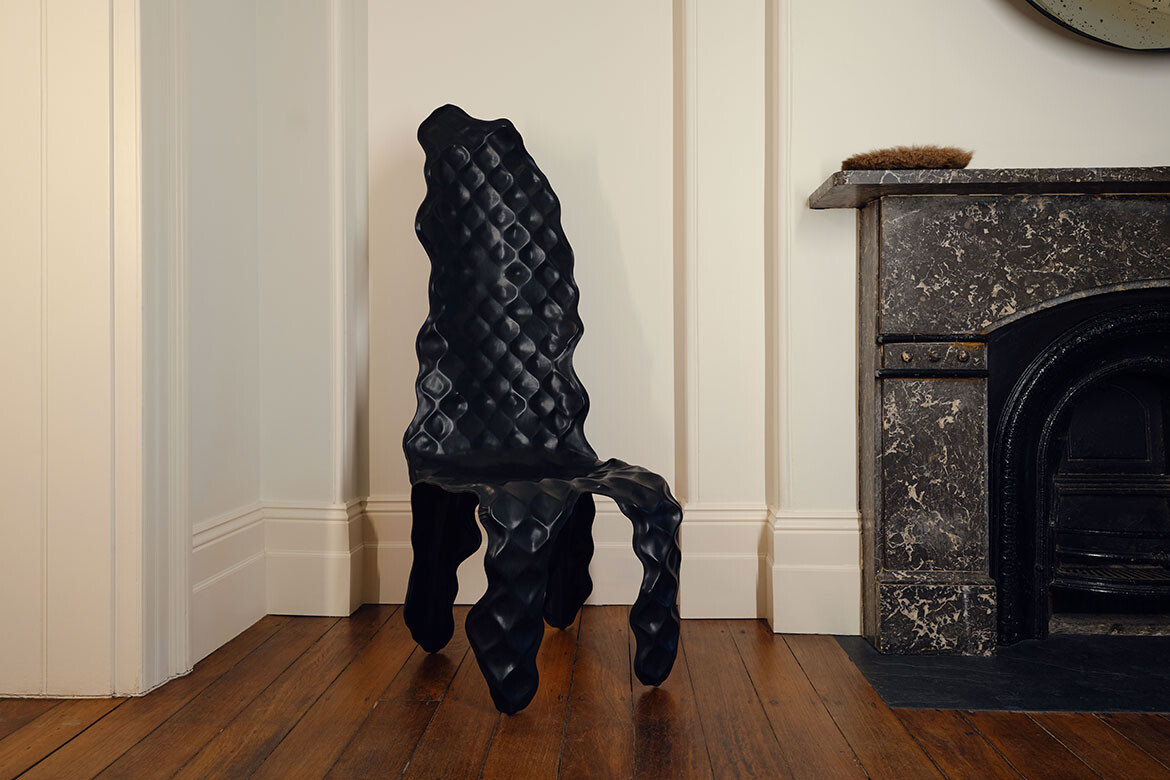
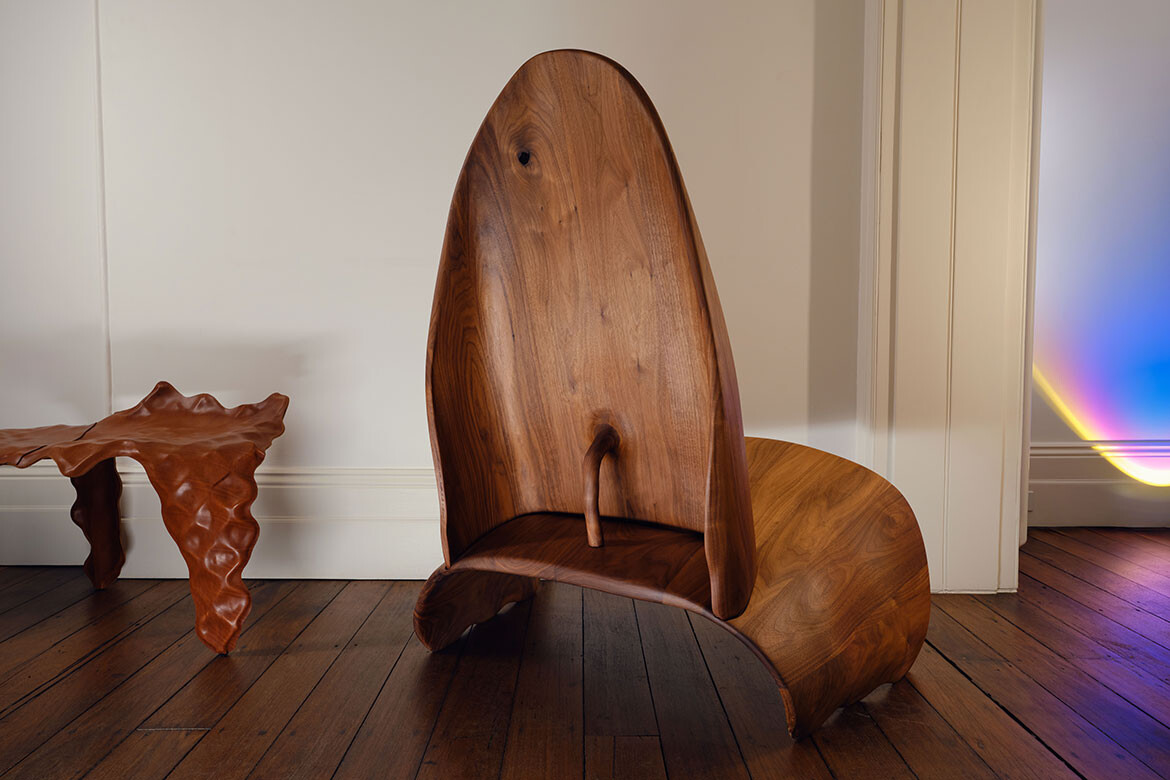
The results of these collaborations are objects that are deeply thoughtful and unique in their form and stories. Take, for instance, the striking shield-like armchair made in collaboration with Errol Evans, a Djabugay and Western Yalanji man, which is displayed at Studio ALM. The piece takes its shape from the kutijli (shields) that Evans’ grandfather taught him to carve from timber. The design emerged from a series of sketch exchanges after three years of Jansen and Evans visiting each other’s homes and families and learning about each other’s cultures.
Trent says he loves projects where “a relationship is at its foundation.” He describes “the alchemy that comes from two different ways of working and meeting in the middle” as having “a magic to it that you can’t prescribe, control or manifest even if you tried.” Jansen reflects that this way of working has encouraged him to loosen up the way he works, concluding: “I just love it, I really appreciate that I’ve been able to experience that way of working. I feel very lucky.”
Trent Jansen Studio
trentjansen.com
Photography
Michael Corridore