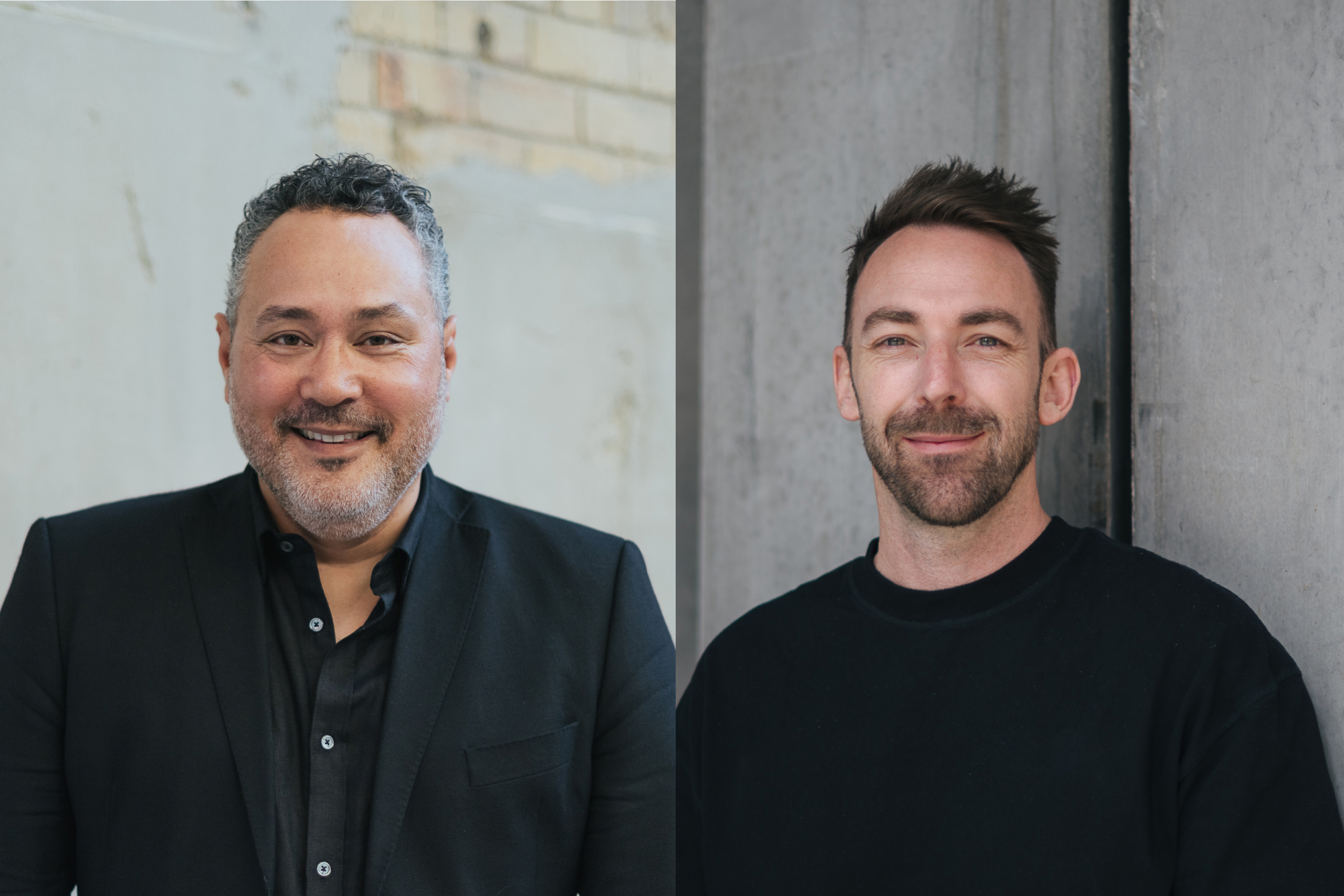
Can you tell us about your design practice?
We have a business where we do a variety of projects. We are rooted in strategic product design. We look to bring design solutions that target our client’s business goals and market in what we call a ‘meaningful way’. Attached to this work is deep-dive strategic planning that helps optimise and drive growth for our clients. Design is so much more than the object’s beauty – we work to align the business goals, the user experience, the look, feel, emotion amd manufacturing. Essentially everything that surrounds the product must go into consideration, and it is our role to ensure all is aligned and seamless for the target audience and our client.
What was involved in designing and building the Trea Chair? Can you talk to us about the design process?
We start by analysing the user experience and context. When one considers the new workspace, which is based on the macro trend of simplicity and seamless integration, we understand that today’s new office worker does not want the ‘traditional office space’. It does not represent their way of working, and in many cases their brand values. Therefore we wanted to design a solution that resonated with this new audience; a chair that was multipurpose as the new workers are. One that is flexible for a variety of applications, one that has intuitive controls so there is no need to manually adjust the chair to suit your anatomy, and lastly, one that looks as considered and refined as the technology that surrounds us in the workplace.

What materials did you use and why?
The materials we used were a result of looking for simplicity and durability. We reduced the amount of parts in the body with an intelligent use of material. The recline mechanism itself was also a unique material choice. This solution we call a ‘solid state mechanism’, which is to imply that it is a material that allows the recline with no need for adjustments. It’s inherent in the material. It simply has a characteristic that adjusts to the forces applied to it, therefore adapting the chair to any sized sitter. It’s a beautiful example of employing a material simply to solve a very complex need.
What were the most important aspects to get right?
All aspects. There are so many aspects that are not obvious to the user. The idea is they do not need to be. I feel that real world use is what we design for. We do not consider our work exists only in the computer, it must perform in the context of the everyday workplace. This is what we consider and use to evaluate our products and if they are performing successfully.

Can you explain your inspiration behind the design?
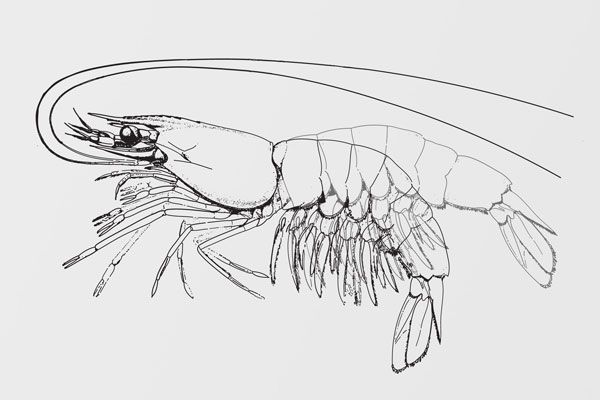
The inspiration came from the idea of an exoskeleton, specifically the lobster shell. In order to enable freedom of movement in the workspace when seated, we needed a recline to the chair. The fact is the ‘reclines’ are typically awkward and have two faults. 1) The recline ‘chafes’ the body and does not move in perfect harmony. We call those the ‘shirt untuckers’. When you consider the lobster shell or an exoskeleton, the shell moves in perfect harmony with the body inside. This was our intent. 2) There is the need to adjust the recline for a variety of body types. Our solution requires zero adjustment. It simply adapts naturally.
What do you want customers to feel when they sit on the Trea Chair?
I think initially a reaction of, “finally, a beautiful chair that is comfortable”. One that speaks to their opinions to what is relevant for today and their business. Then immediately after this reaction, to completely forget the chair exists and appreciate that it is working perfectly for them in a seamless, intuitive way – as it should be.
Can you talk us about the importance of lounging/seating in general?
Lounge seating is another space all-together. The lounge is an important compliment to the dedicated workspace. The lounge fosters another layer of work experience. We believe that collaboration can be more efficient outside of the primary workstation and instead based in a location where eye contact is fostered. Lounge spaces facilitate this and remove certain stigmas that may inhibit idea sharing, such as a ‘formal workspace’.
Trea won the Best of the Best award by Red Dot Award this year. What does this award mean to you?
I am honoured that the industry recognised such a chair that is designed to be discreet and not obviously innovative, however it truly is. I appreciate it for our sake and the sake of the team that has been hard at work bringing Trea to life.
The Trea Chair and Humanscale products are available exclusively through Schiavello in Australia.
Todd Bracher
toddbracher.net