In Tokyo, the traditional shotengai is more than a shopping street. These neighbourhood laneways, lined with independent retailers, family-run businesses and local makers, have long played an important role in the city’s social and commercial life. But changing shopping habits and large-scale redevelopment are putting their future under pressure.
It was this challenge that brought Snøhetta to Japan in July 2026, where the international practice led an intensive two-week design studio as part of Venice Studio Tokyo.
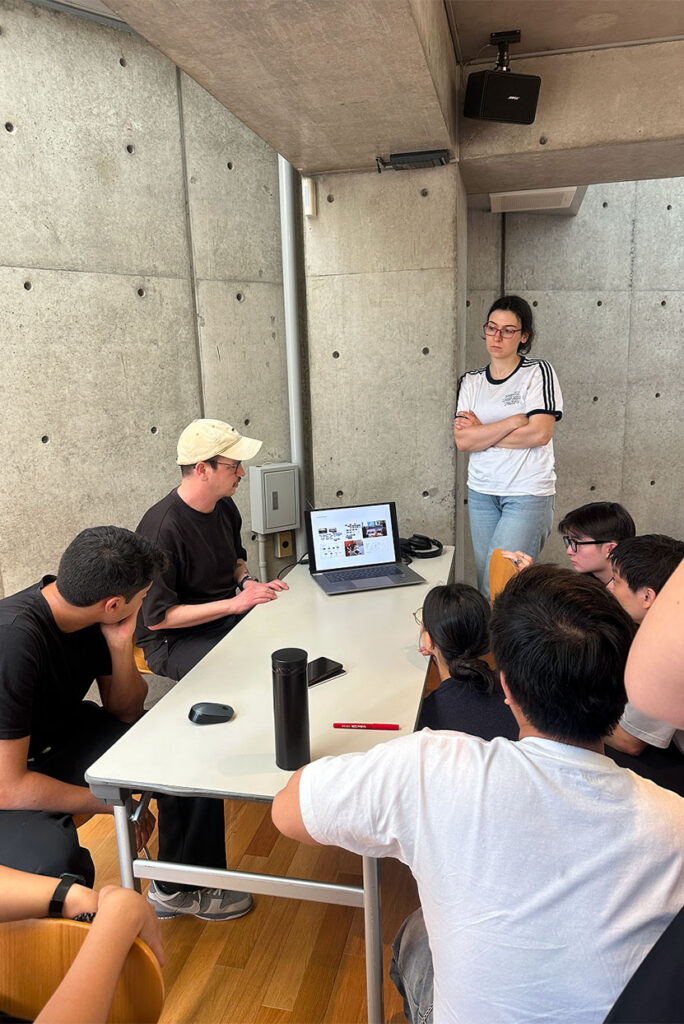
Led by Matt Irvine and Sam Cannon from Snøhetta’s Melbourne studio and Allan Chong from Hong Kong, the program brought together students, graduates and emerging practitioners to consider how architecture and urban design might help these longstanding community spaces evolve.
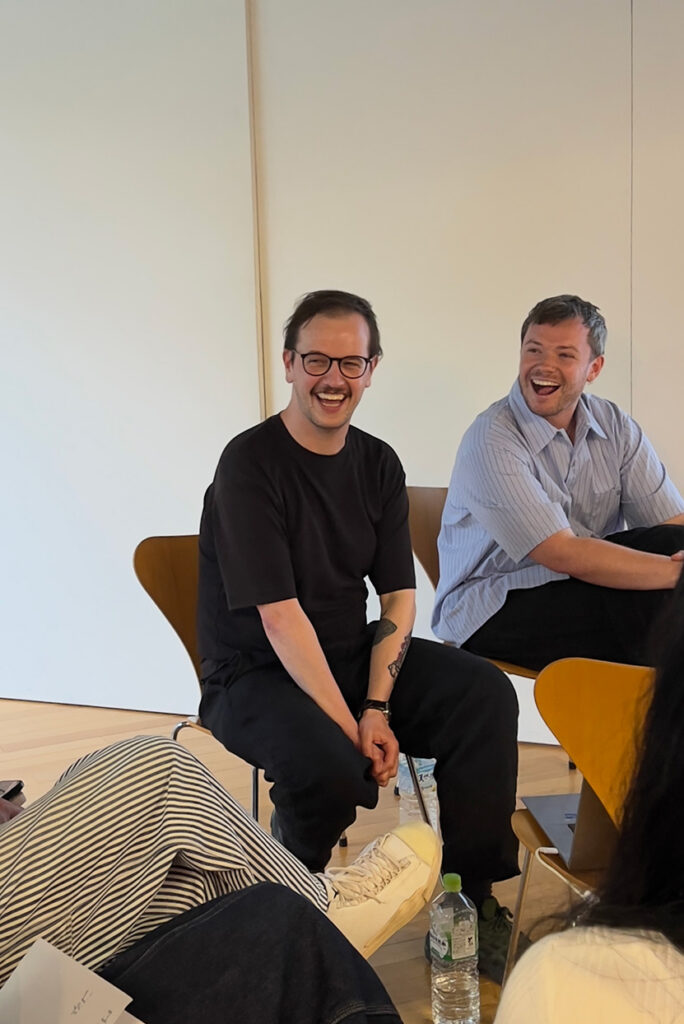
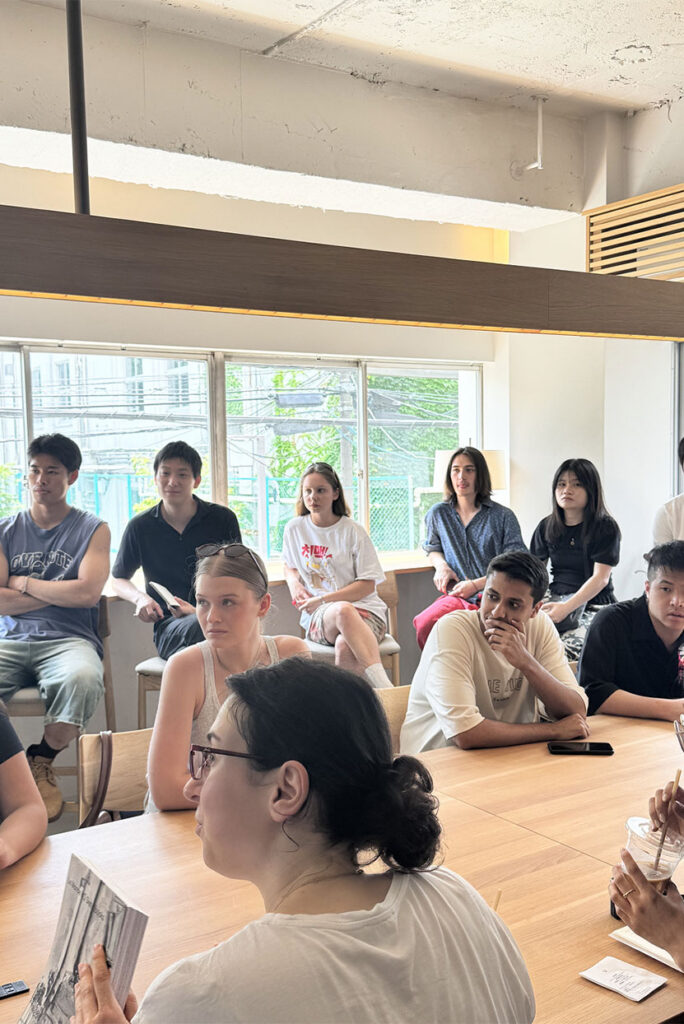
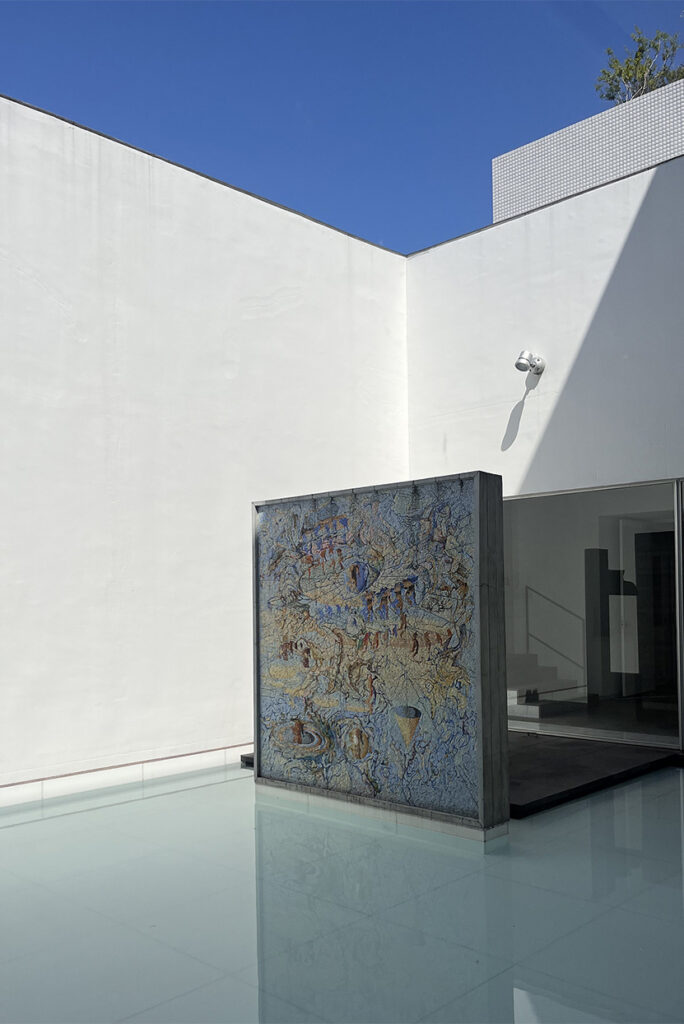
Established in Venice in 2022, Venice Studio offers emerging designers the opportunity to work alongside leading international practices. Its Tokyo program, launched in 2025, is based at Hillside Terrace in Daikanyama, the mixed-use complex designed by Japanese architect Fumihiko Maki. This year’s participating practices included Snøhetta, Kengo Kuma and Associates and Neri and Hu Design and Research Office.
For Snøhetta, the experience began outside the studio. Participants visited shotengai across Tokyo, speaking with shopkeepers and observing the everyday interactions, routines and spatial qualities that give these streets their character.
“We wanted the group to understand what might be lost when a shotengai is erased,” explains Cannon. “That meant looking beyond its physical form to the relationships, routines and local identities it supports.”
Related: Talking Architecture at the State Library of NSW
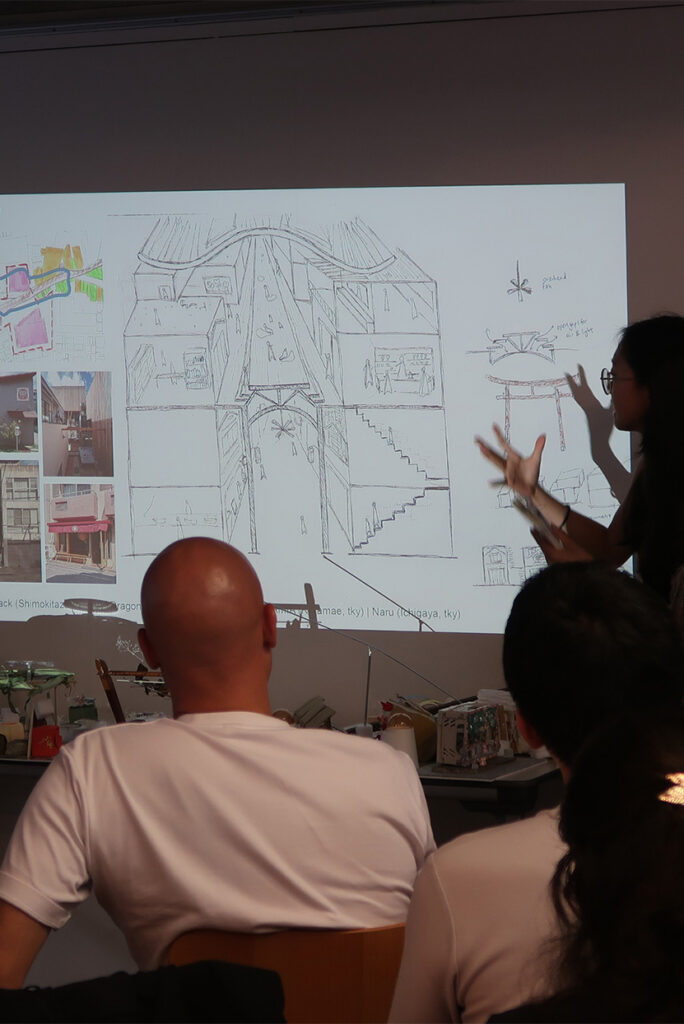
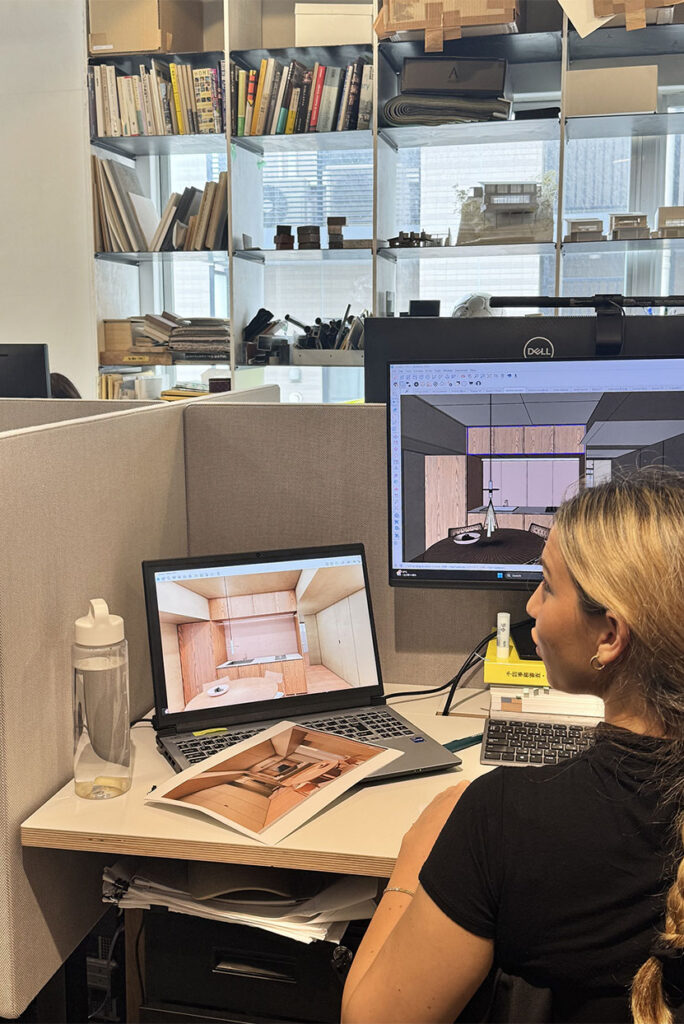
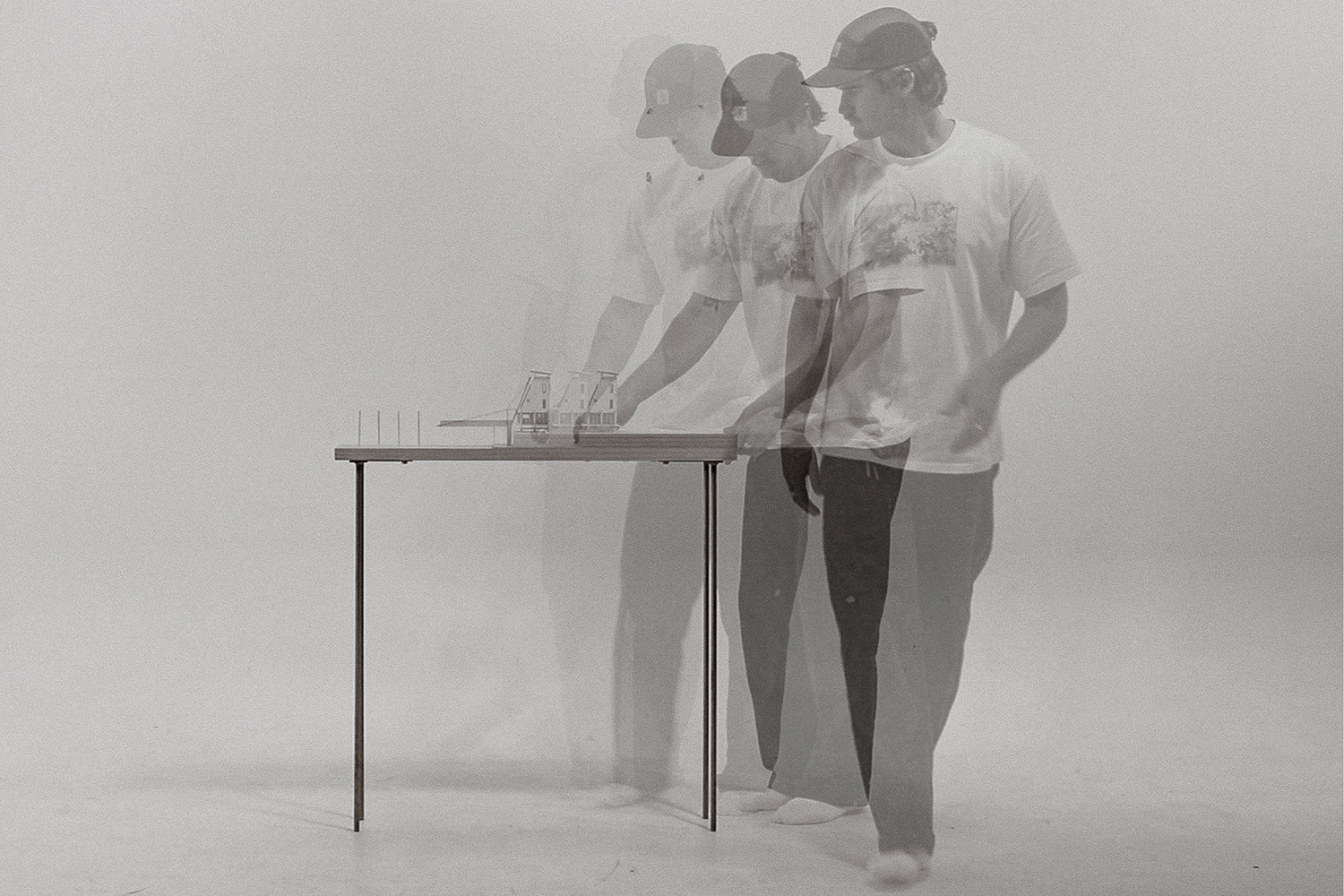
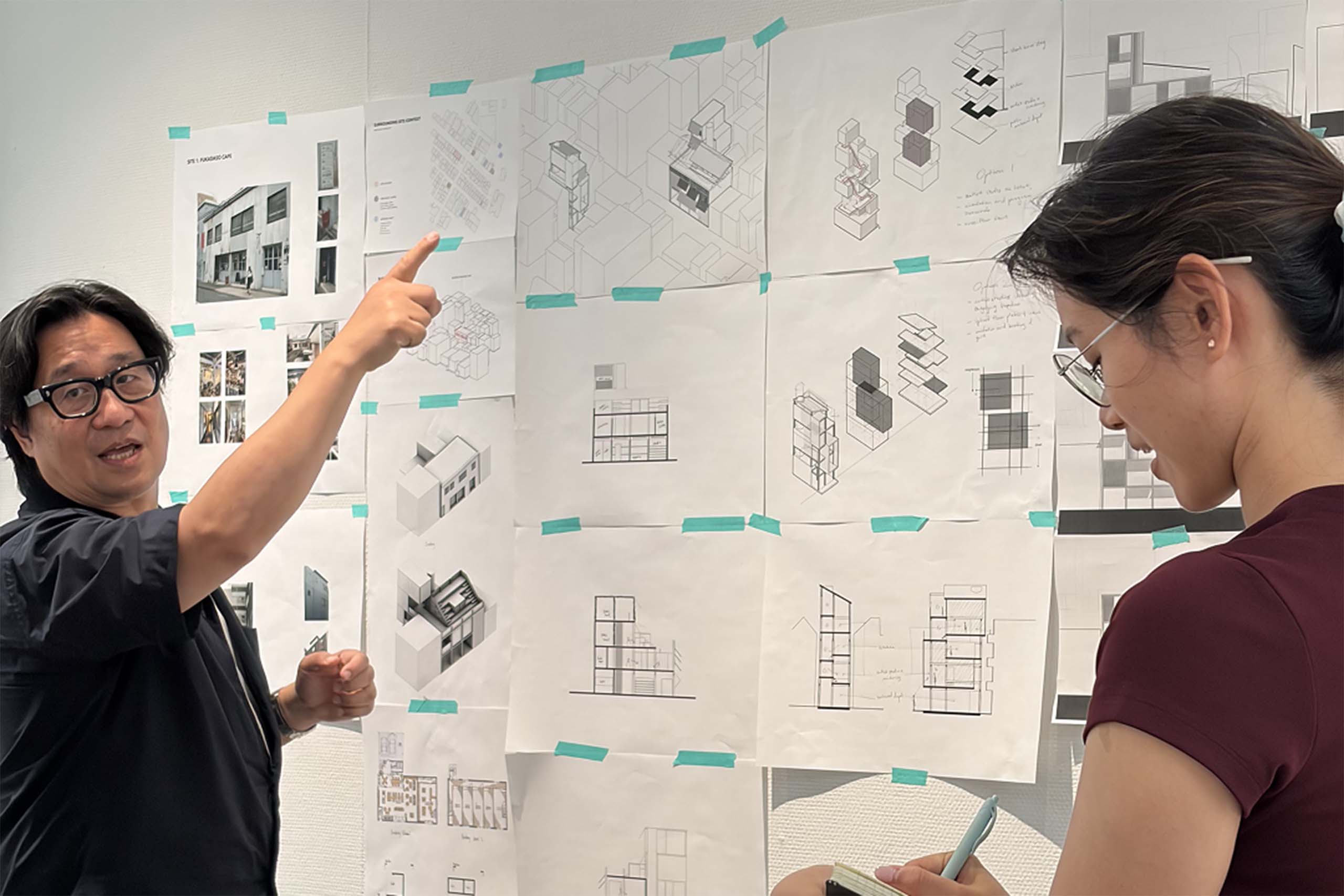
The group then applied elements of Snøhetta’s collaborative design methodology, beginning with an Emotional Brief that articulated the atmosphere and human connections their proposals should create. Pictograms, conceptual exercises and found-object models followed, before ideas developed into architectural and public-realm interventions.
“The process asks us to establish an emotional and experiential connection to place, community and people before we begin thinking about a design solution,” says Irvine.
Operating as a temporary Snøhetta studio, the program also offered participants insight into how an international practice works. Collaboration extended beyond the cohort, with project reviews and exchanges involving the other participating practices and local designers.
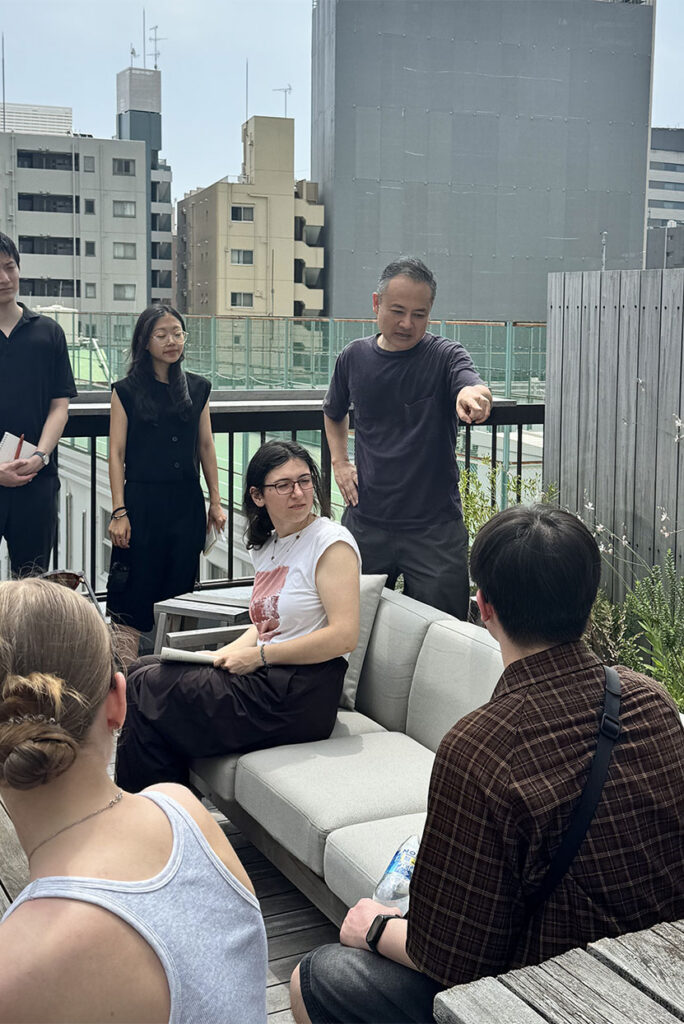
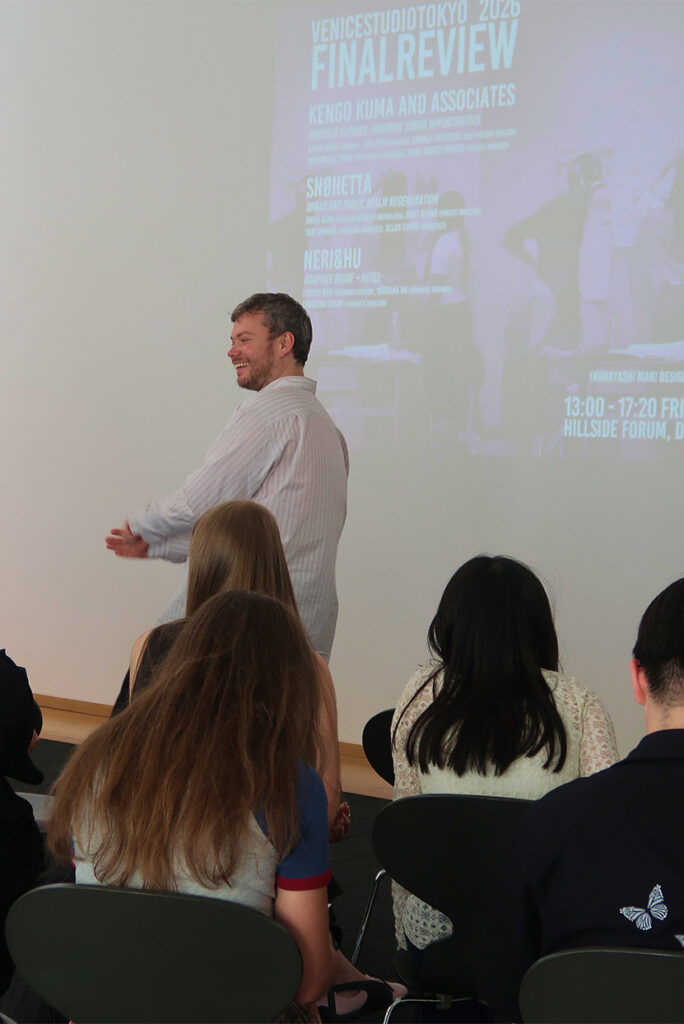
For Chong, the opportunity to question familiar assumptions was particularly valuable.
“One of our goals was to create an environment where participants felt comfortable challenging assumptions, learning from diverse perspectives and building ideas collectively across cultures, disciplines, and experience levels,” he says.
The resulting proposals varied in scale and approach, reflecting the complexity of preserving the social value of the shotengai while allowing these spaces to adapt.
While the program produced speculative design outcomes rather than built projects, it offered something equally relevant to contemporary practice: an opportunity to test ideas through observation, conversation and collaboration, with the people and places affected by design firmly at the centre.
Snøhetta
snohetta.com