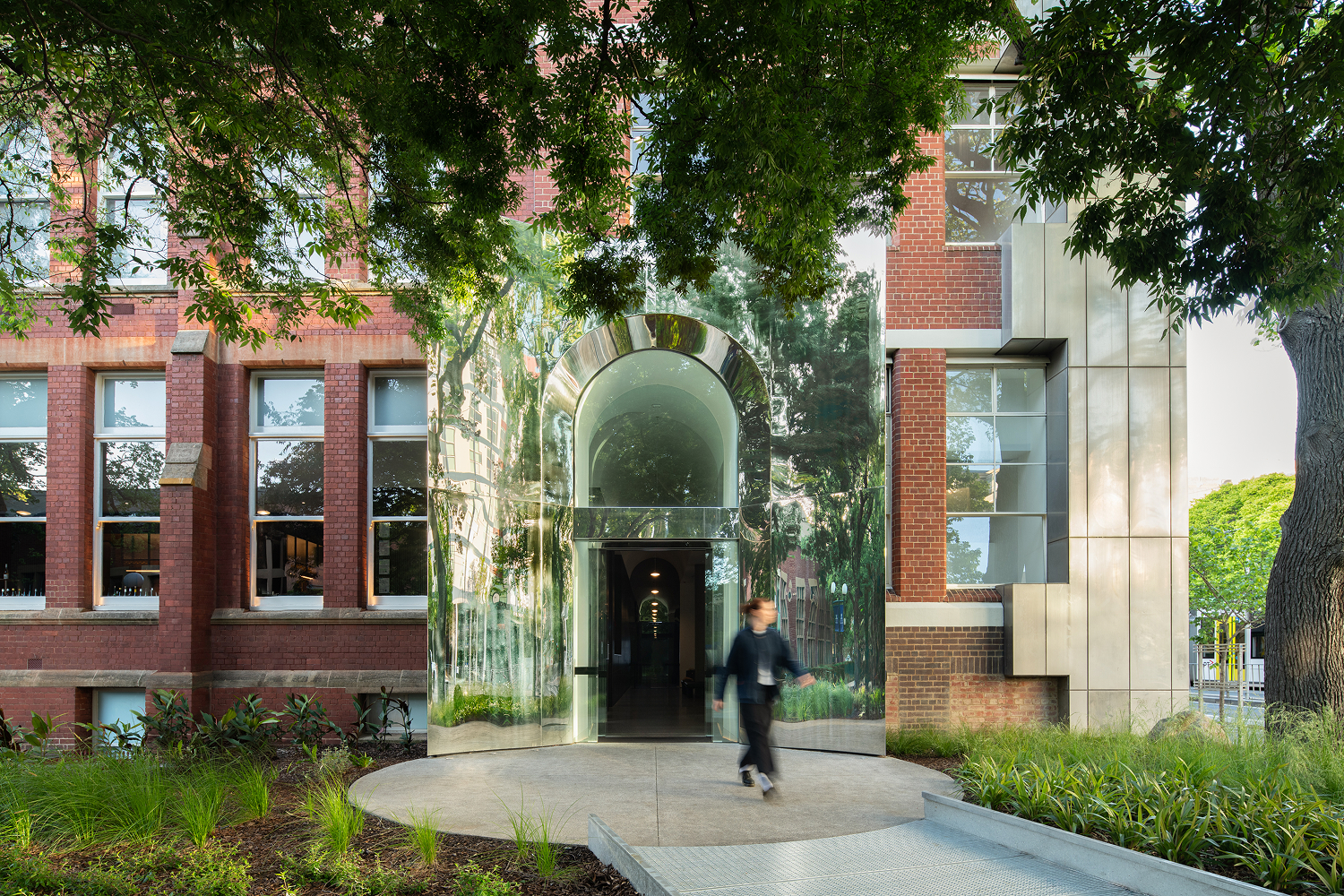
The relationship between heritage and contemporary architecture is often defined by contrast, but at the Potter Museum of Art, Wood Marsh demonstrates how the two can exist in considered dialogue. Located within the University of Melbourne’s Parkville campus, the expanded museum reimagines the possibilities of an established cultural institution, bringing new life to historic buildings while creating spaces that support the evolving relationship between art, education and the wider community.
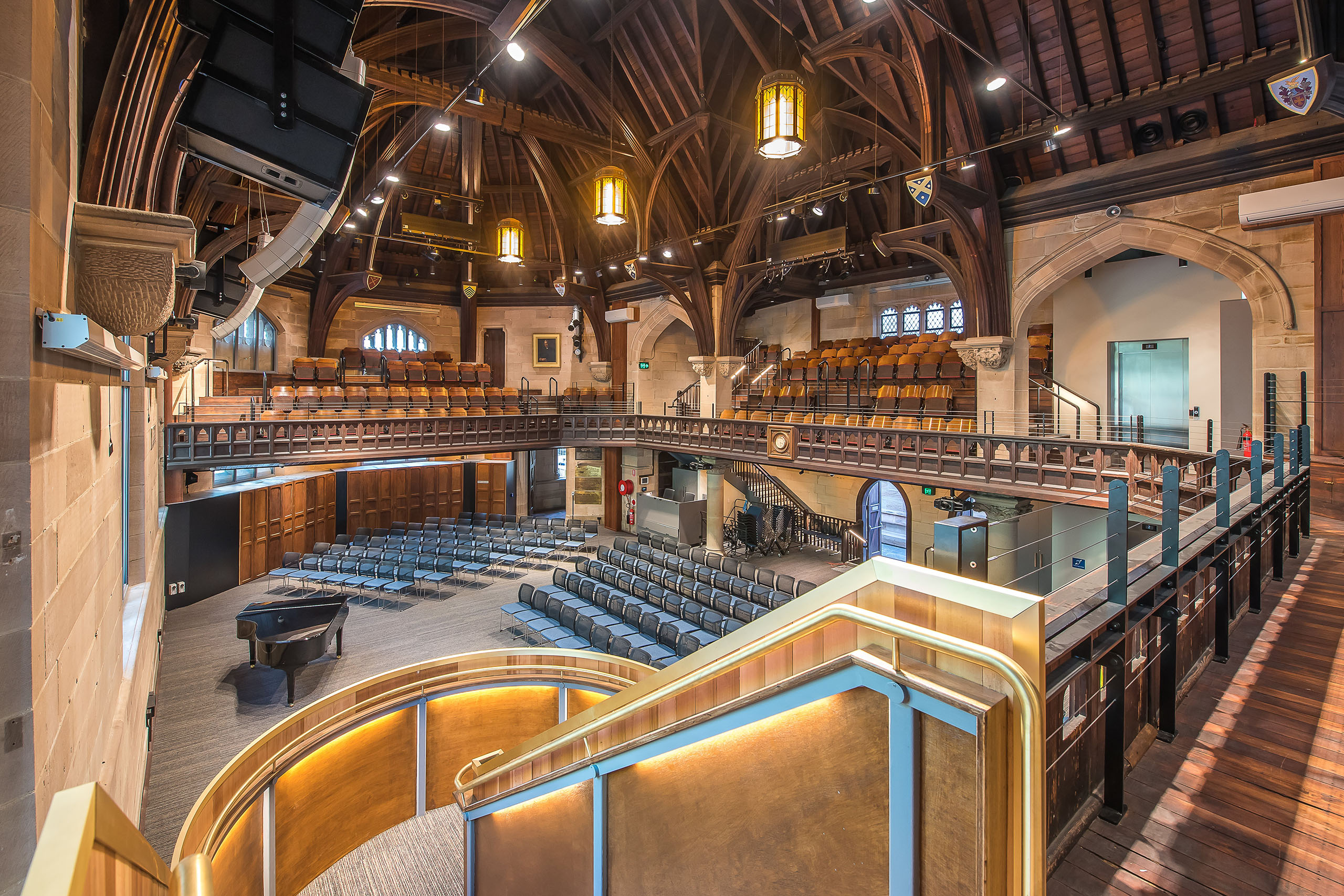
The Potter Museum of Art, Education and Programs Centre represents a significant expansion of the University’s existing museum, extending into the heritage-listed 1930s Physics Annex. Spanning four levels, the project integrates the existing award-winning gallery with new exhibition, teaching and hospitality spaces, establishing a more connected and versatile environment for cultural engagement. Rather than treating the historic fabric as a constraint, Wood Marsh has approached it as an integral part of the architectural experience, allowing the building’s layered history to inform its contemporary identity.
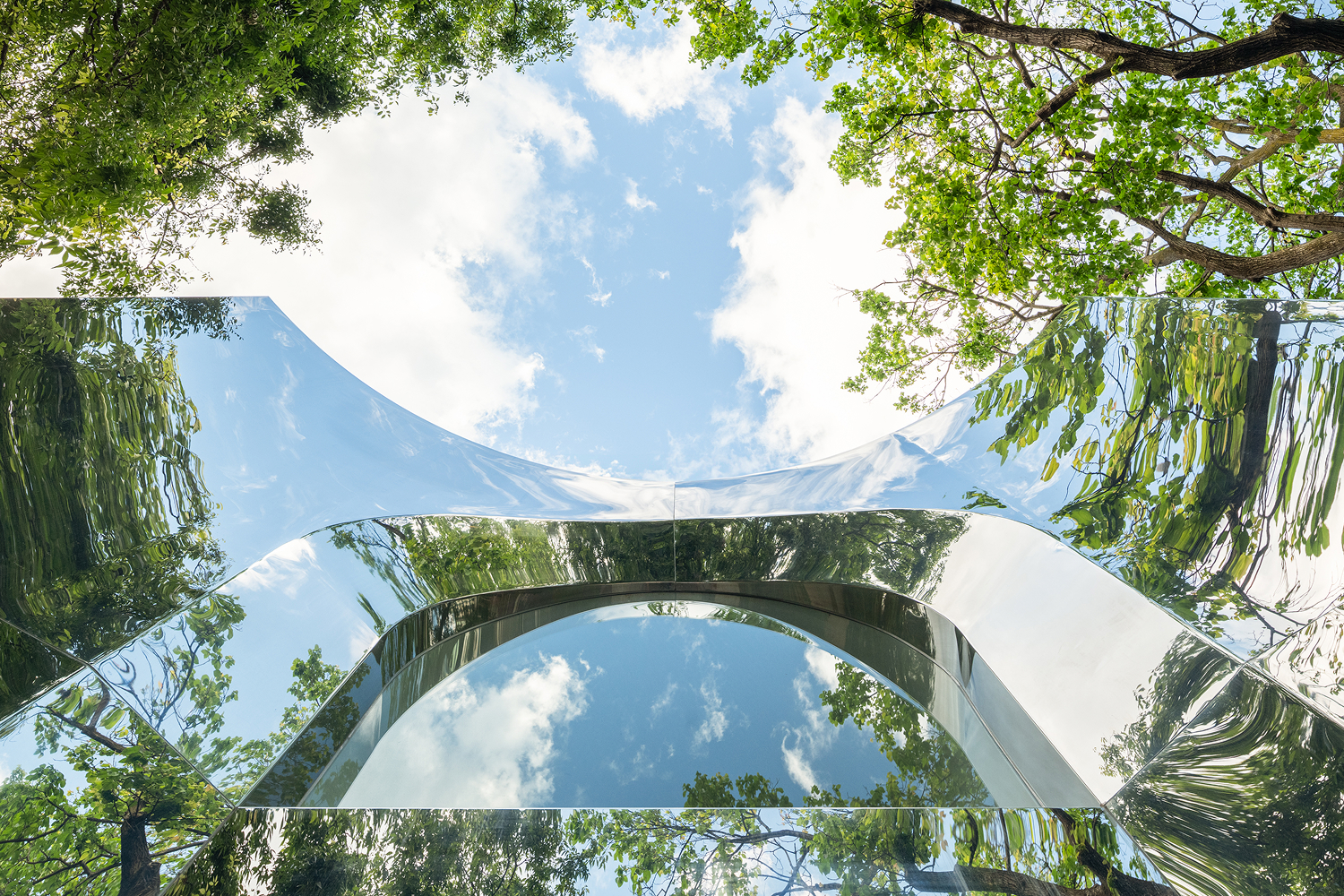
Central to this transformation is a reorientation of the museum’s entrance towards Masson Road, strengthening its presence within the university precinct. A striking mirrored portal introduces a contemporary architectural gesture against the heritage setting, leading visitors into a vaulted, double-height foyer. This carefully orchestrated arrival sequence establishes a dialogue between old and new, creating a renewed sense of openness and civic connection. The intervention is both expressive and purposeful, signalling the museum’s role as an accessible destination for students, visitors and the broader Melbourne community.
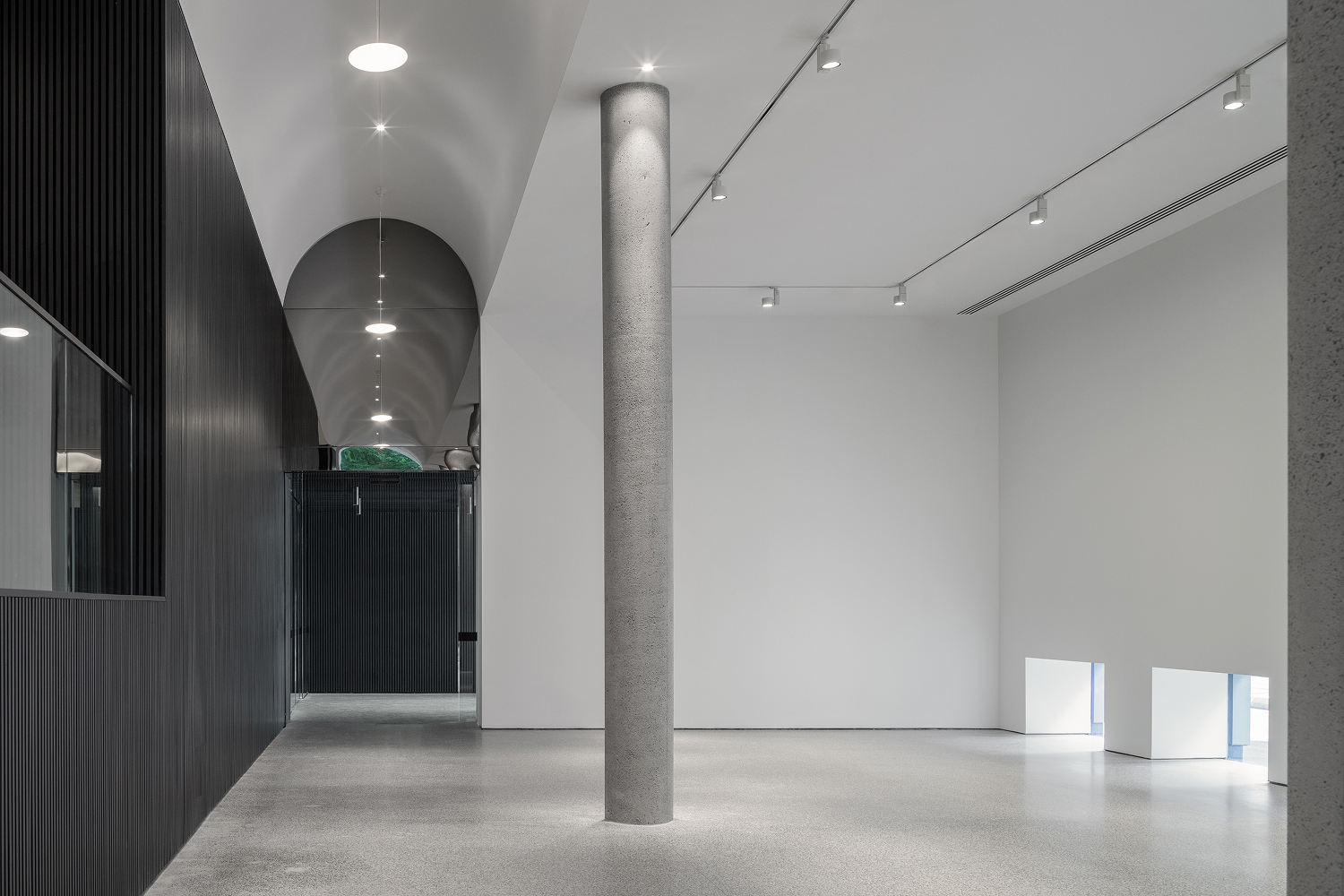
Behind this architectural clarity lies considerable technical complexity. Developed in close collaboration with the University and Museum, the project required the sensitive integration of three historic buildings with differing floor levels and structural conditions. Heritage specialists Lovell Chen led the restoration of original fabric, while carefully resolved, DDA-compliant connections support equitable access throughout the expanded institution. High-performance environmental systems further reconcile the demands of contemporary museum operation with the conservation requirements of valuable artworks. Together, these interventions demonstrate how heritage adaptation can accommodate sophisticated contemporary functions without diminishing the character of existing architecture.
As a joint The Learning Space Winner at the INDE.Awards 2026, Wood Marsh’s Potter Museum of Art was recognised in a category supported by Autex Acoustics. Celebrating outstanding architecture and design across the Indo-Pacific, the INDE.Awards highlighted the project’s contribution to a broader understanding of learning environments, where education extends beyond conventional classrooms into spaces for discovery, cultural exchange and shared experience.
Photography
Fergus Floyd