A standard idea of sustainability has long since reached the mainstream but, given the enormity of the climate crisis, it is imperative that the boundaries are continually pushed. Radical conceptions of circular economy, re-use and biodesign are the framework for experimental design work that can hopefully reach the mainstream before too long.
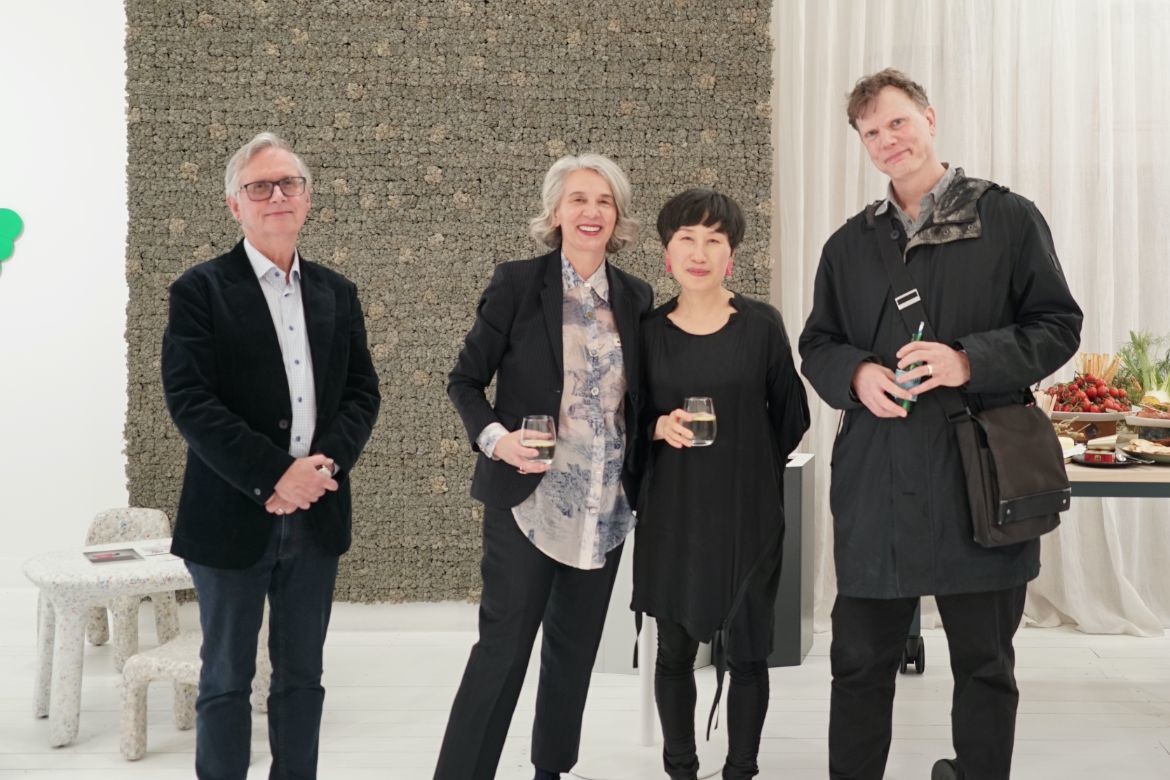
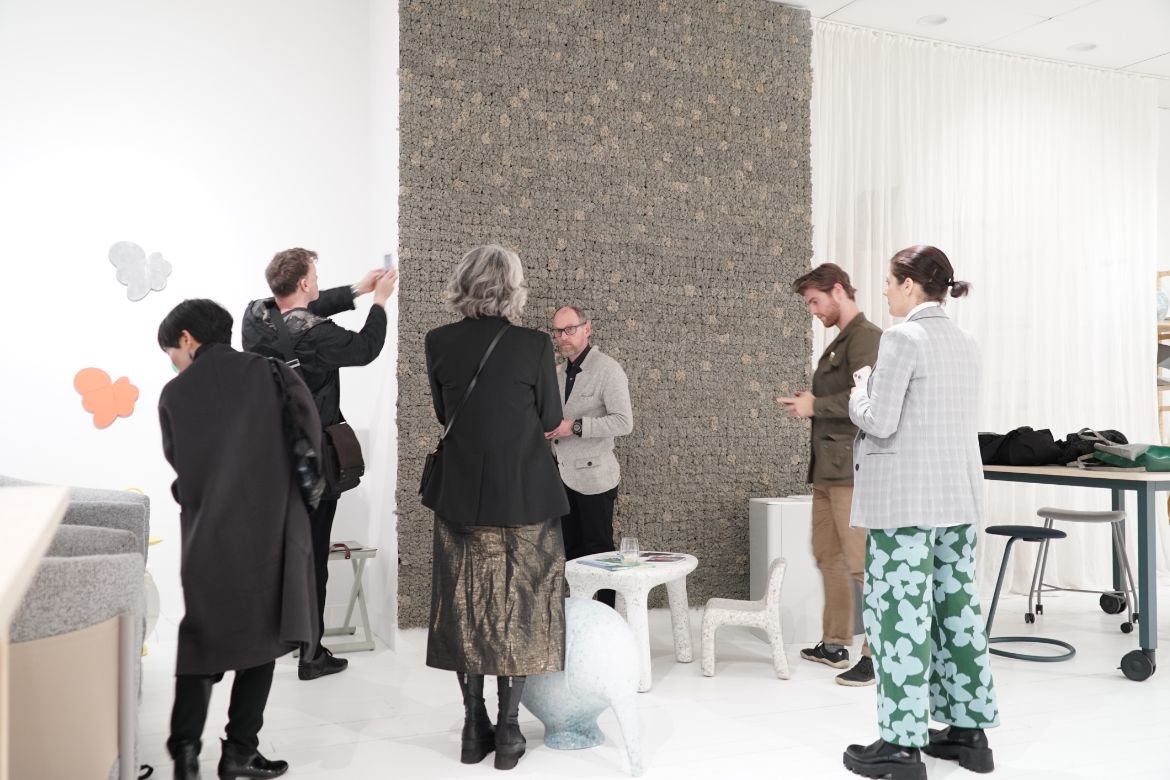
K5 Furniture teamed up with Dr Gyungju Chyon and Monash University to hold ‘Metanoia’, a design competition that foregrounded a wide spectrum of concerns: from the urgent need for sustainable material experimentation to consciousness of its commercial viability as products on the market.
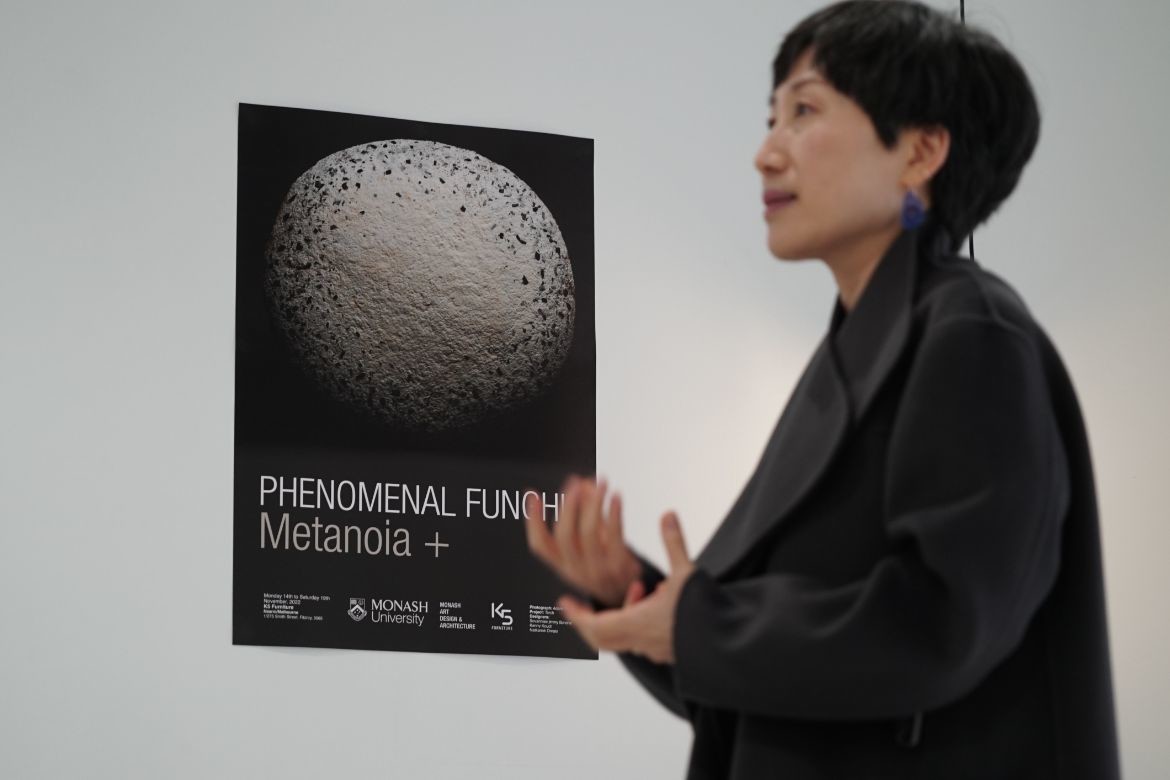
Biophilia is one thing, biomimicry another – but the real frontier is biodesign, working with living materials. Mycelium is a subterranean part of fungi and 100 per cent biodegradable. It is precisely the type of material that we need to be open to for a future that genuinely works to minimise waste.
As a living material, mycelium demands a different mindset and approach from designers. The equation is not one of fully controlling material as an inanimate, lifeless object but rather to understand its changeability. In a word, it is to work with the material rather than against it.
Related: Studio Chris Fox at Albury Summer Place

The first step here is to accept a different relationship of agency between material and designer. Mycelium grows and changes much faster than wood, for example. For the participants of ‘Metanoia’, this was expressed most strikingly through colour. This and other qualities of the ‘finished’ product simply cannot be fully predicted or controlled. With a change of mindset and relative to our world of mass produced objects, however, this variability can be embraced as a beautiful thing.
Mycelium develops a leathery surface that allows for excellent functional versatility. In a recent project that incorporates the material into a fully built structure, Studio Chris Fox has used it as a partial facade for the winning pavilion design for Albury Summer Place 2022. Students in ‘Metanoia’ explored various qualities and functions, leading to products including acoustic wall panels, lamps and partition screens.
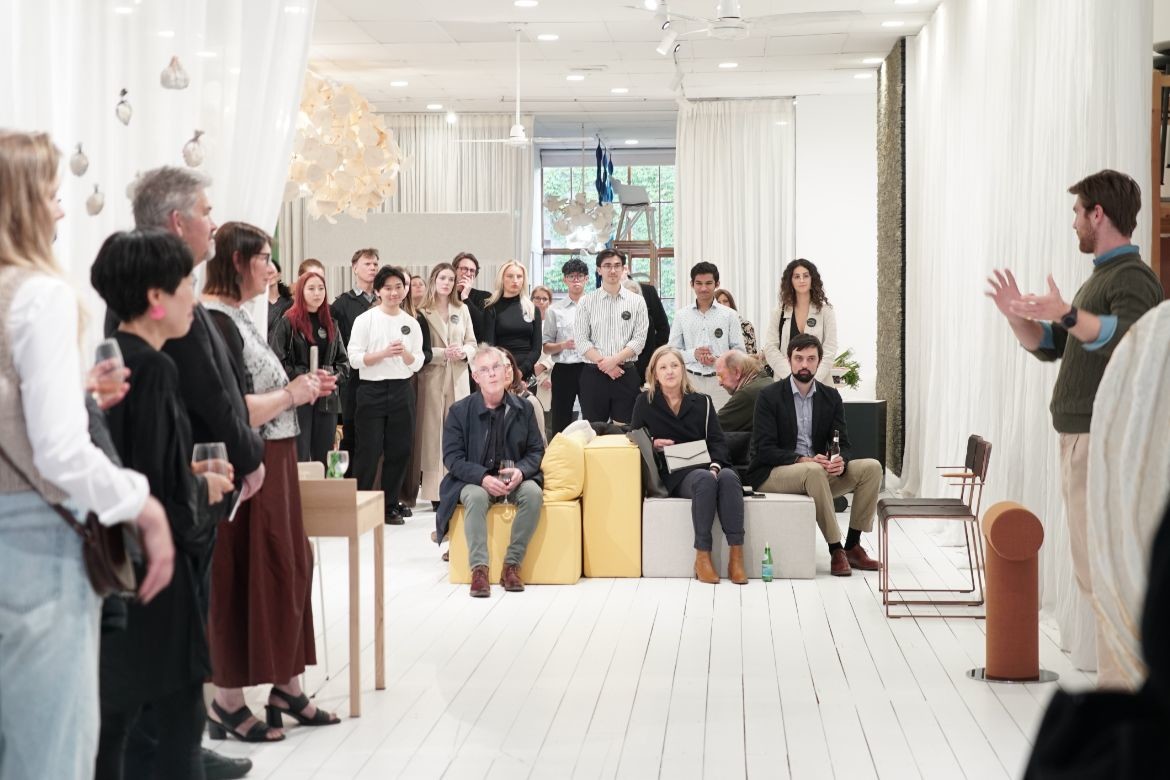
Whilst still in its early stages, this approach by ‘Metanoia’ signals a crucial understanding of what is required if such avant-garde practice is to make the jump into the mainstream. It suggests the tentative marriage between experimental, artistic design with functional, desirable qualities.
The various designs for acoustic panels are good examples. With different techniques for manipulating surface appearance and finish, they achieve a quality of beauty as well as functional use. Even the changeability of living materials can be played with and pushed with approaches such as applying food dye or charcoal creating alluring new tones.
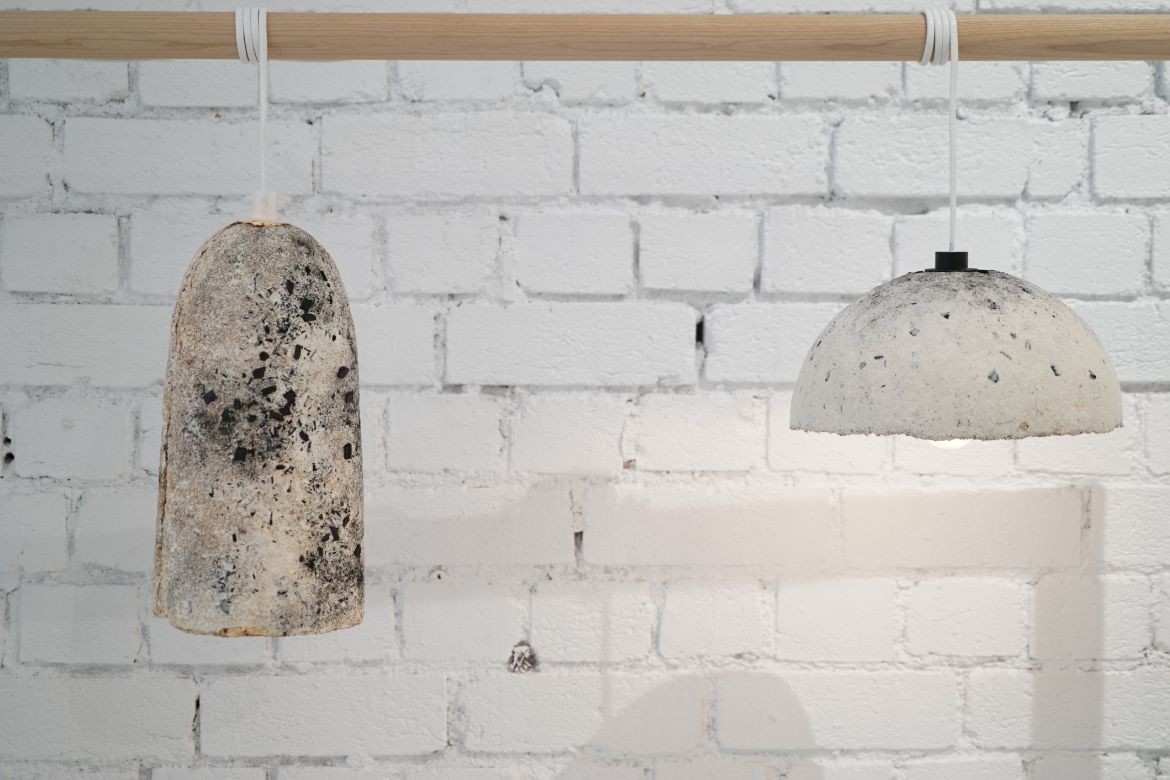
As with all steps towards sustainable and circular practice, it is important to guard against waste creeping unnecessarily back in. The mycelium products on show, for example, require secondary materials as frames or supports. The approach towards these substrates varies, from the consistently sustainable use of waste coffee grounds to the more questionable inclusion of synthetic materials.
These questions are, of course, part of the process of working through a new and experimental field. With innovative education, open-minded, daring designers and an increasing demand for non-standardised products, the future might just hold more fungal charm than you might imagine.
K5 Furniture
www.kfive.com.au
Photography
Adam Thomas and Matthew Walsh

We think you might also like this piece on circular economy with Cult Design.