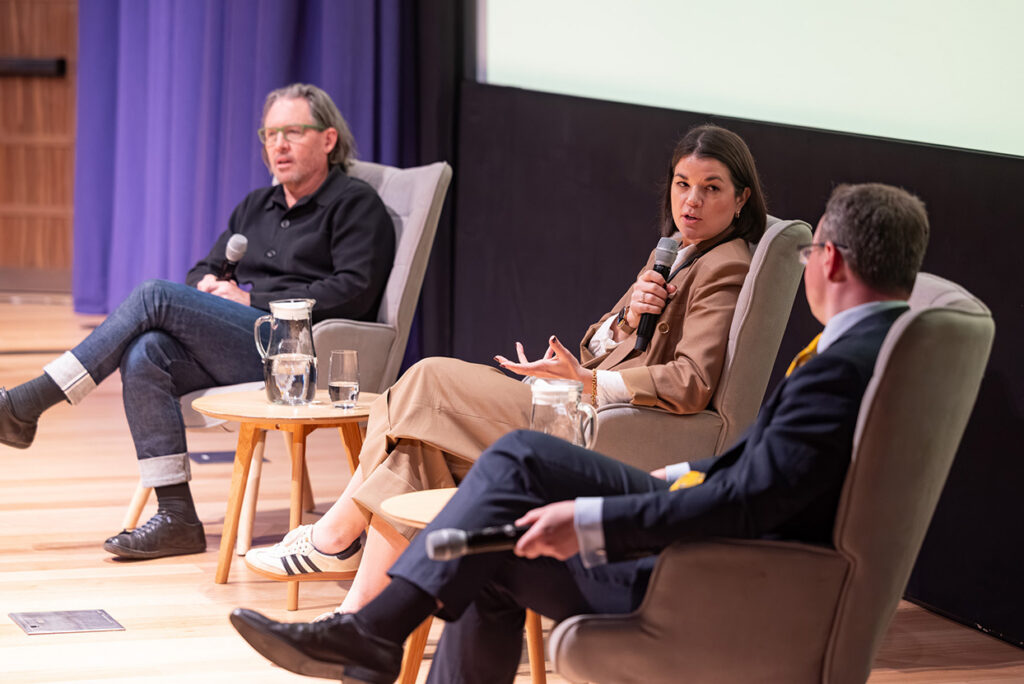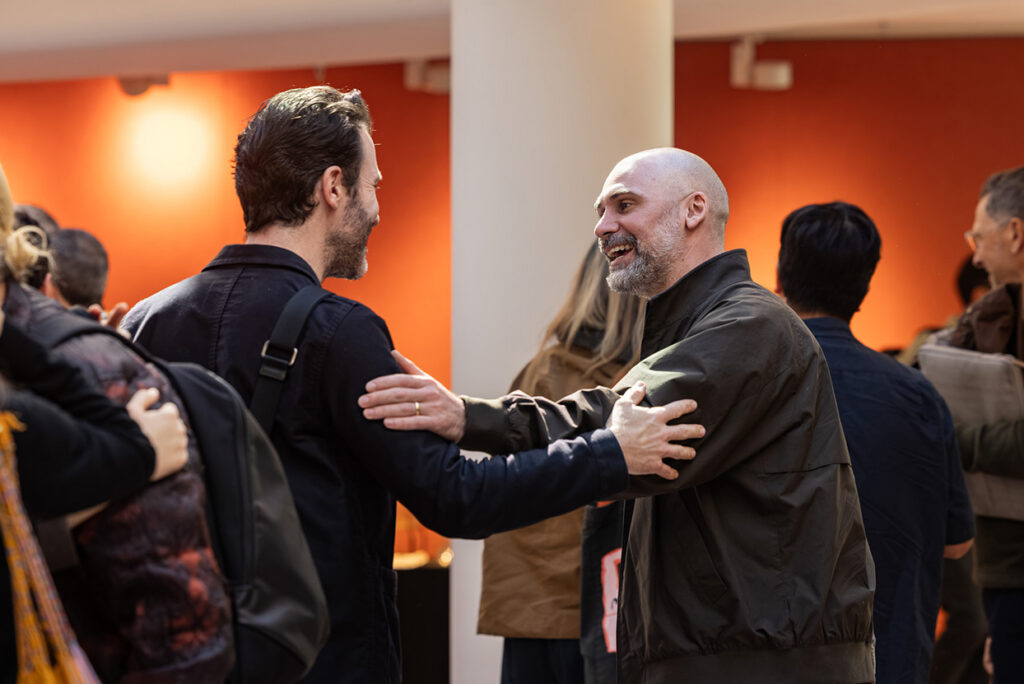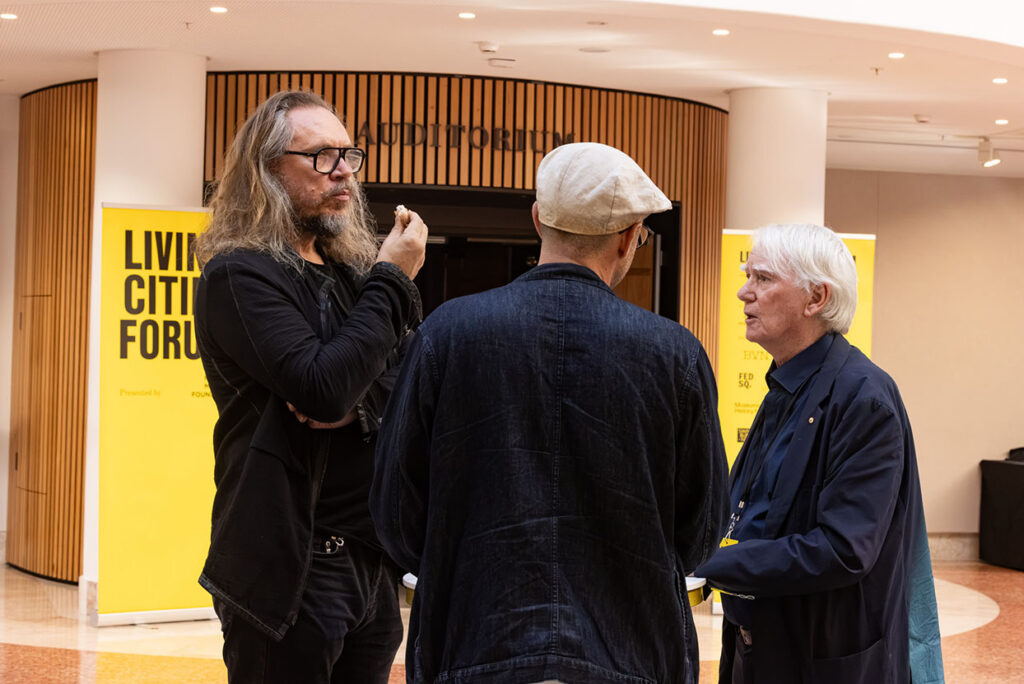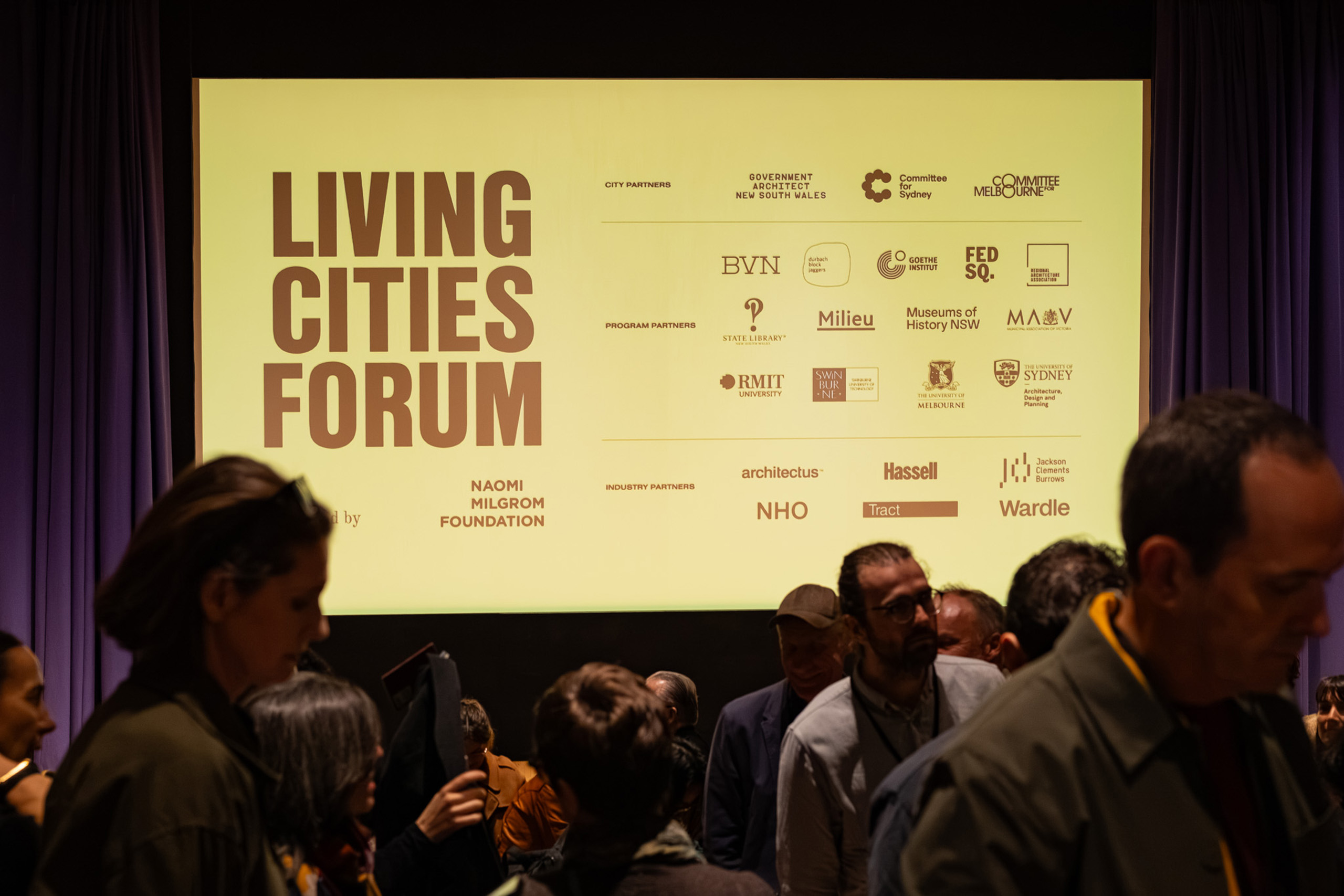
Living Cities Forum returned to Sydney’s State Library of NSW on 28 August with a deceptively difficult proposition: what would it mean to make cities with care?
Across three international keynotes, Finn Williams, Ludwig Engel and Anupama Kundoo approached the question from different scales. Williams looked at the structures of city-making, Engel at the value already held within existing buildings and Kundoo at materials, labour and the process of making. Together, their talks offered some useful challenges to the way we think about progress in the built environment.
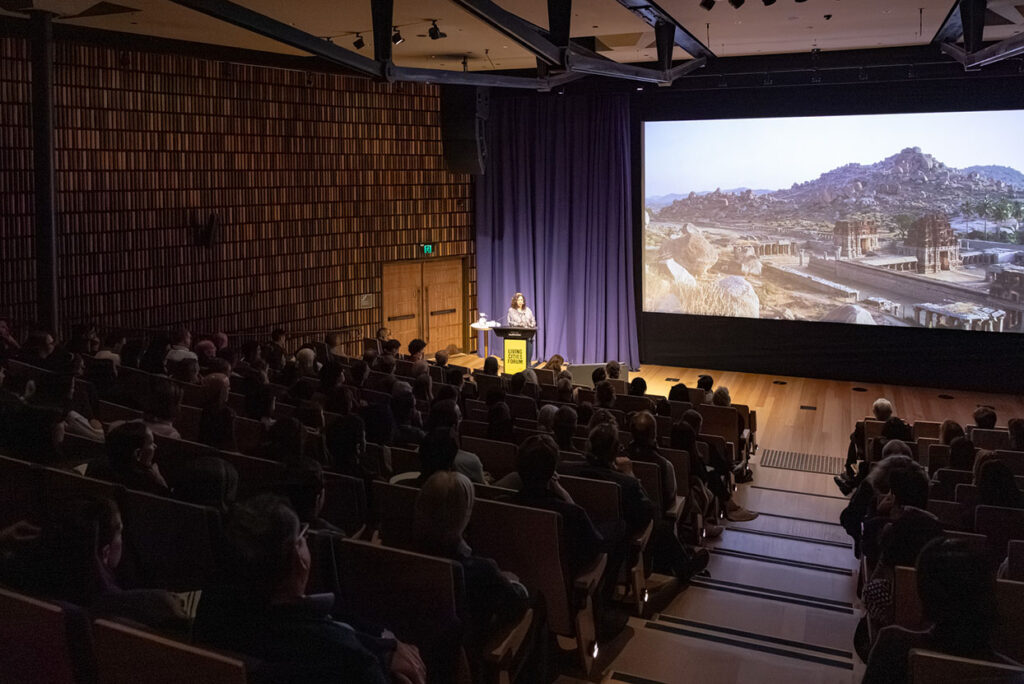
For Finn Williams, City Architect of Malmö, one of the strongest ideas was that design quality should not be reserved for special buildings or privileged parts of a city. His work in Malmö centres on what the city calls an “equality of quality”, alongside place-based architecture and building to last. It shifts attention away from individual architectural statements towards the cumulative quality of neighbourhoods, streets and everyday public life.
There was also a reminder that architecture begins well before a building is drawn. Williams’ career has moved through local government, the Greater London Authority and Public Practice, placing public-sector design expertise, planning and governance firmly within the design conversation. The city we end up with is shaped as much by those systems as by the architects ultimately commissioned to work within them.
Related: It’s time for debate and discussion at Saturday Indesign
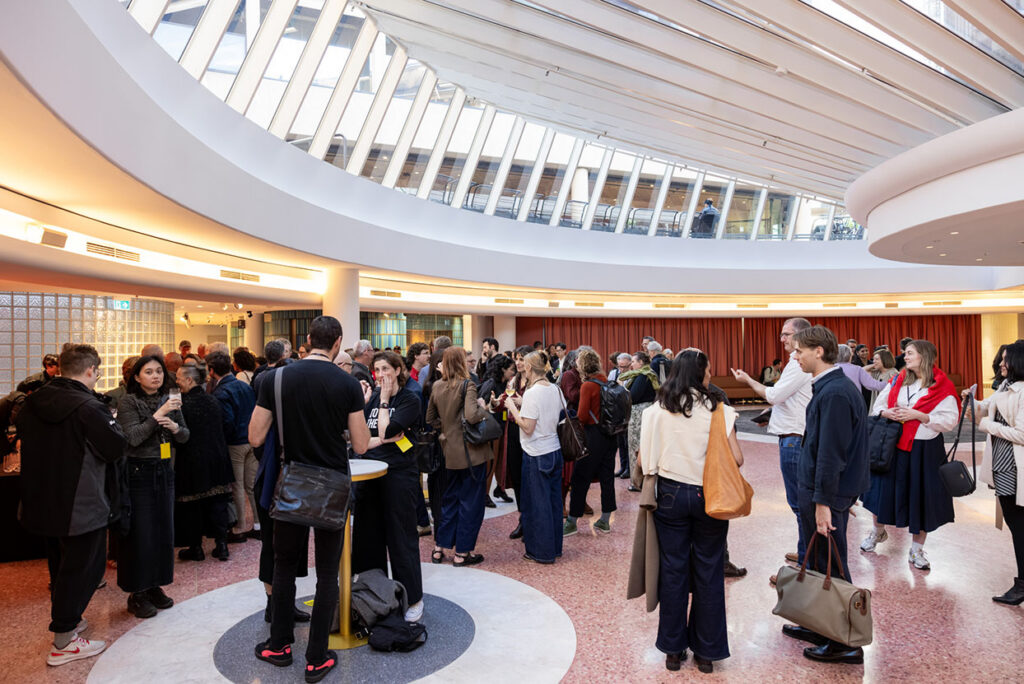
And then there is longevity. “Building to last” sounds obvious, but it asks cities to think beyond short development cycles and consider whether what is being made now will remain useful, adaptable and valued in decades to come.
Ludwig Engel approached longevity from the opposite direction: perhaps we should begin by questioning why we demolish so much of what is already here. Through HouseEurope!, Engel has campaigned for renovation and transformation to be prioritised over demolition, arguing for greater recognition of the social, ecological and material value held within existing buildings.
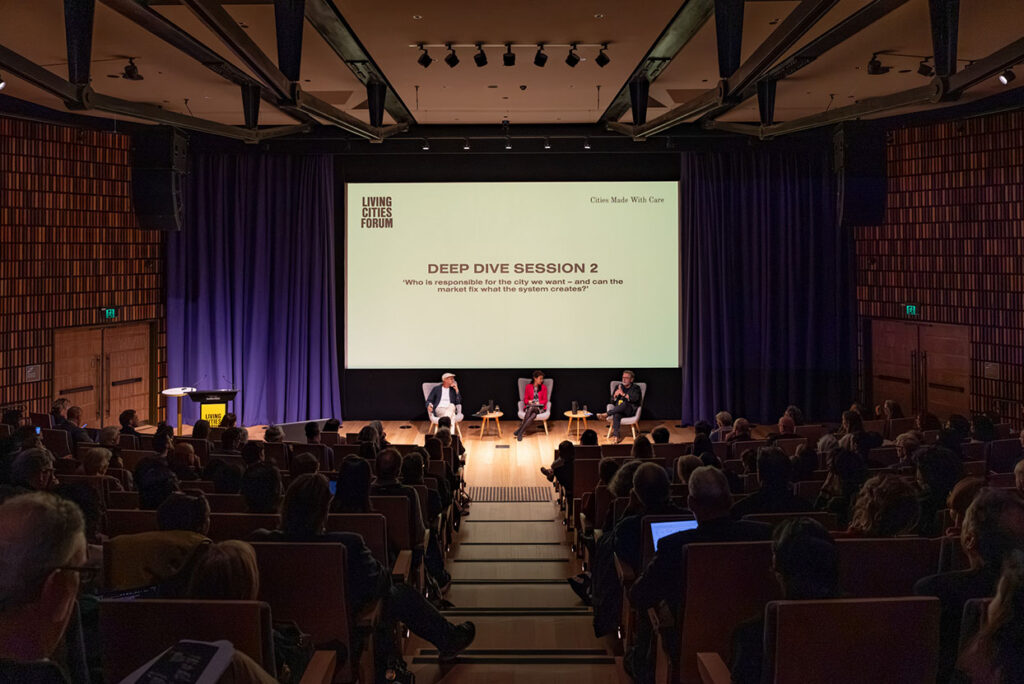
His keynote title, The Future is Already Built, neatly captures the provocation. Newness and progress are not necessarily the same thing. A future city can be produced through repair, reuse, extension and adaptation as much as through new construction.
Just as importantly, HouseEurope! makes clear that adaptive reuse cannot depend on architects simply wanting to do the right thing. Its Power to Renovation initiative advocated for policy changes including tax incentives for renovation and material reuse, better assessment of the potential of existing buildings and recognition of their embedded carbon. If the rules continue to favour demolition, reuse will remain harder than it needs to be.
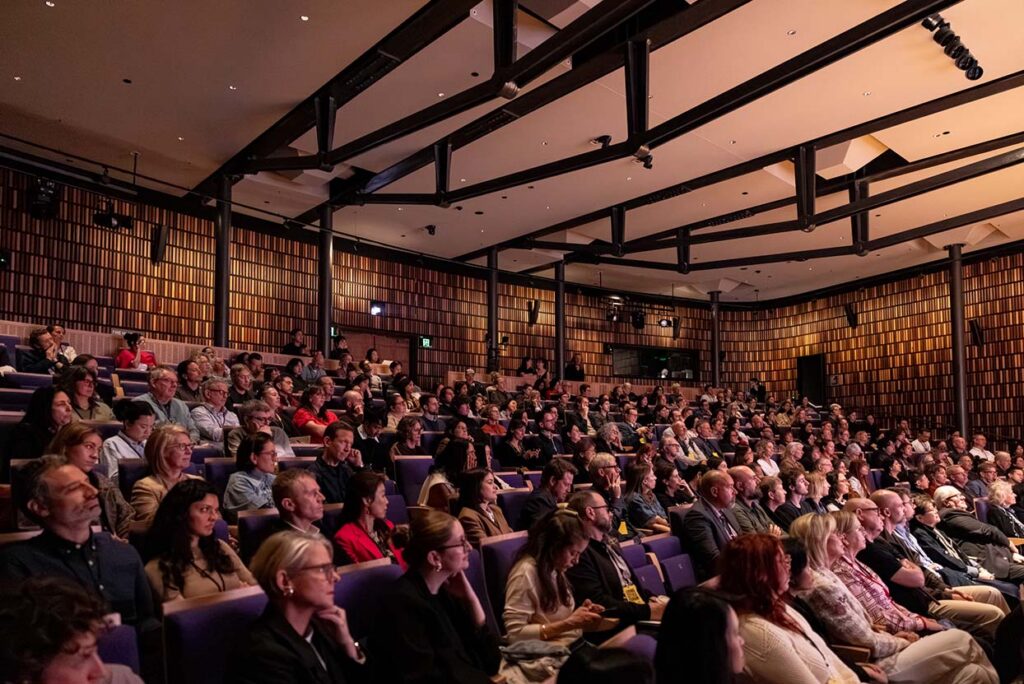
Anupama Kundoo brought the conversation back to the resources with which architecture is actually made. Her work questions an industrialised construction culture that treats human time primarily as an expense to minimise, despite the knowledge, ingenuity and skill that people contribute to making buildings.
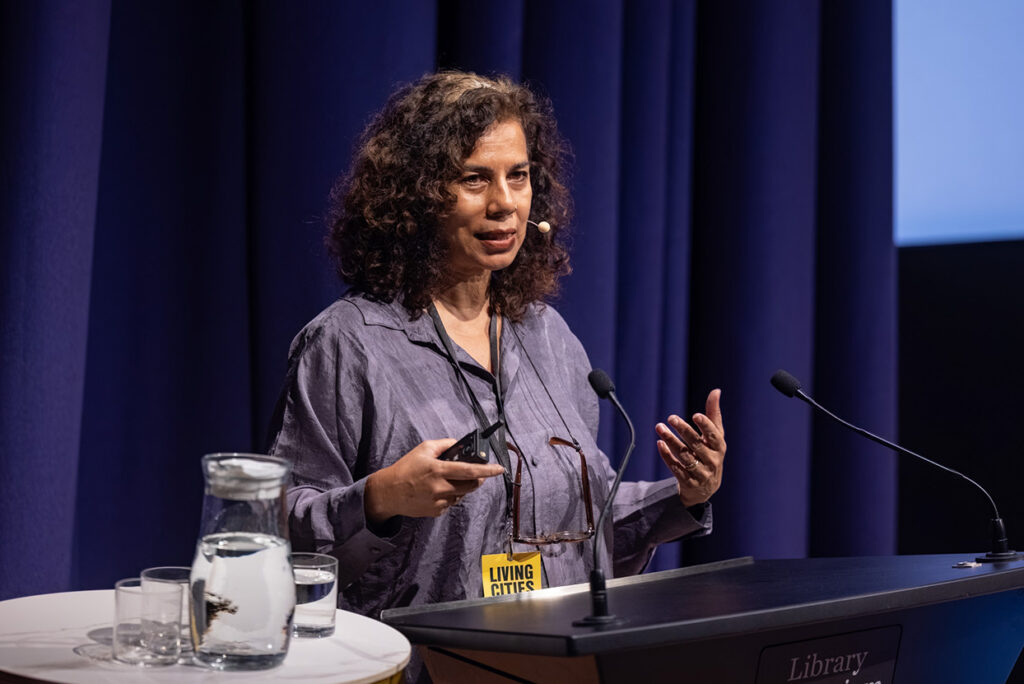
Rather than beginning with a predetermined product or material supply chain, Kundoo argues for looking carefully at what a place already has: local resources, skills and knowledge. Human resourcefulness becomes part of the material equation.
Her thinking also complicates the idea that sustainability can be solved by specifying the “right” material. The environmental consequences of architecture sit within a much wider system of labour, supply, construction, maintenance and repair. Making, in this sense, is not simply the final execution of a design; it is part of how architectural knowledge is created and retained.
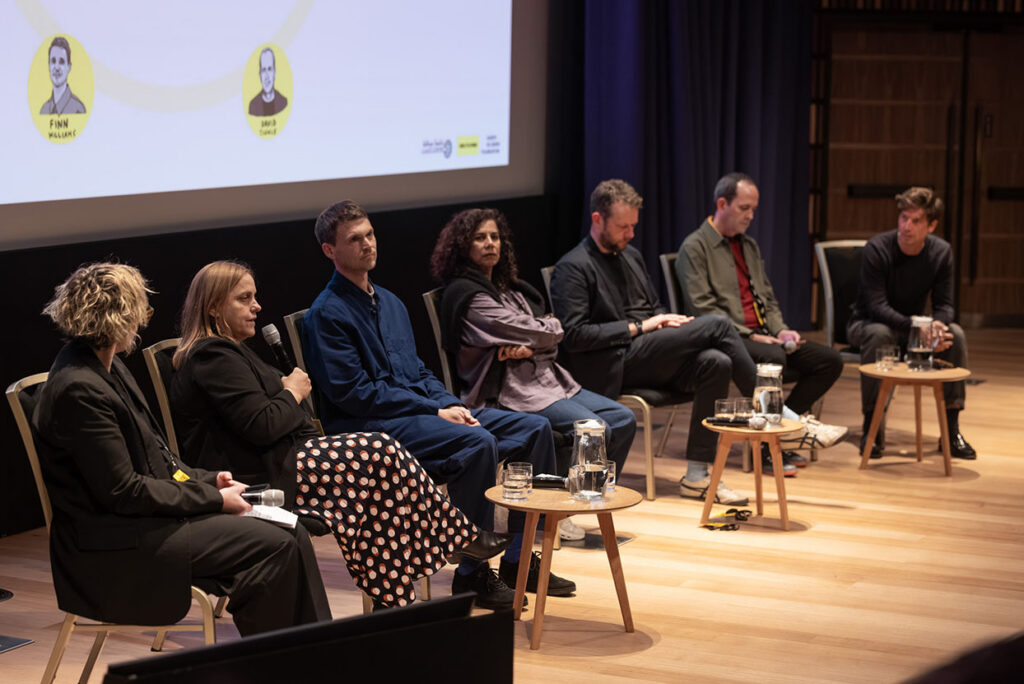
What connected all three keynotes was a questioning of assumptions that have become remarkably ordinary: that growth requires new construction, that efficiency should always mean faster and cheaper, or that good design can be separated from the systems and people responsible for delivering it.
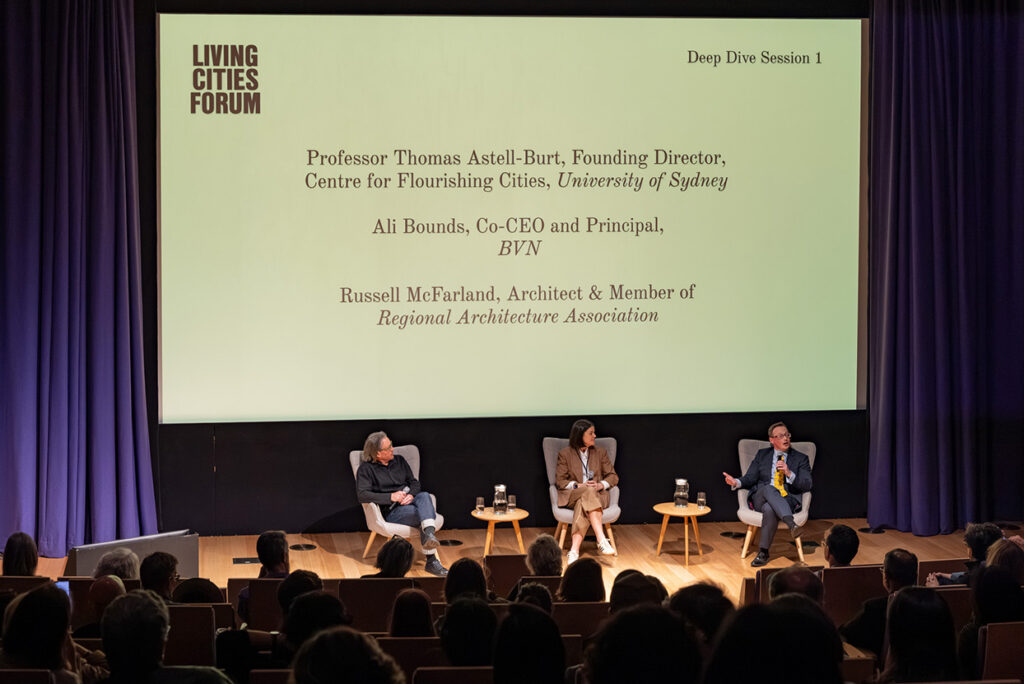
At Living Cities Forum, care was less a stylistic idea than a way of paying attention – to what already exists, who makes our buildings, how long they will last and who gets to experience quality in the city.
Living Cities Forum
livingcitiesforum.org
Photography
Jacquie Manning