In the language of contemporary architecture and interior design, few materials speak as eloquently as timber. Its nuanced grain tells stories of time and place, its warmth transforms spaces into living environments, and its versatility bridges the gap between natural beauty and modern functionality. Yet traditional timber installation has long presented challenges.
Enter Laminex‘s revolutionary Architectural Panels for Walls and Ceilings, a system that reimagines how we incorporate timber’s organic beauty into our built environments. This is not merely an evolution of existing products; it represents a fundamental shift in how designers and architects can harness timber’s emotional resonance while embracing efficiency.
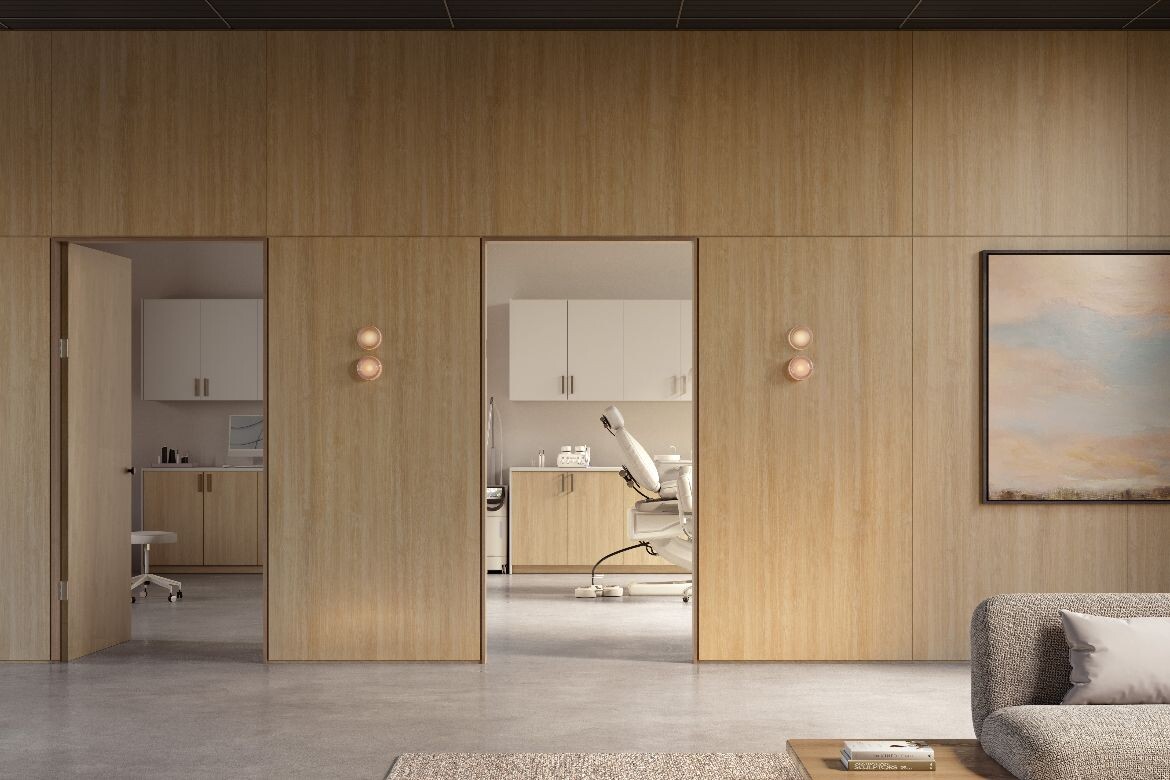
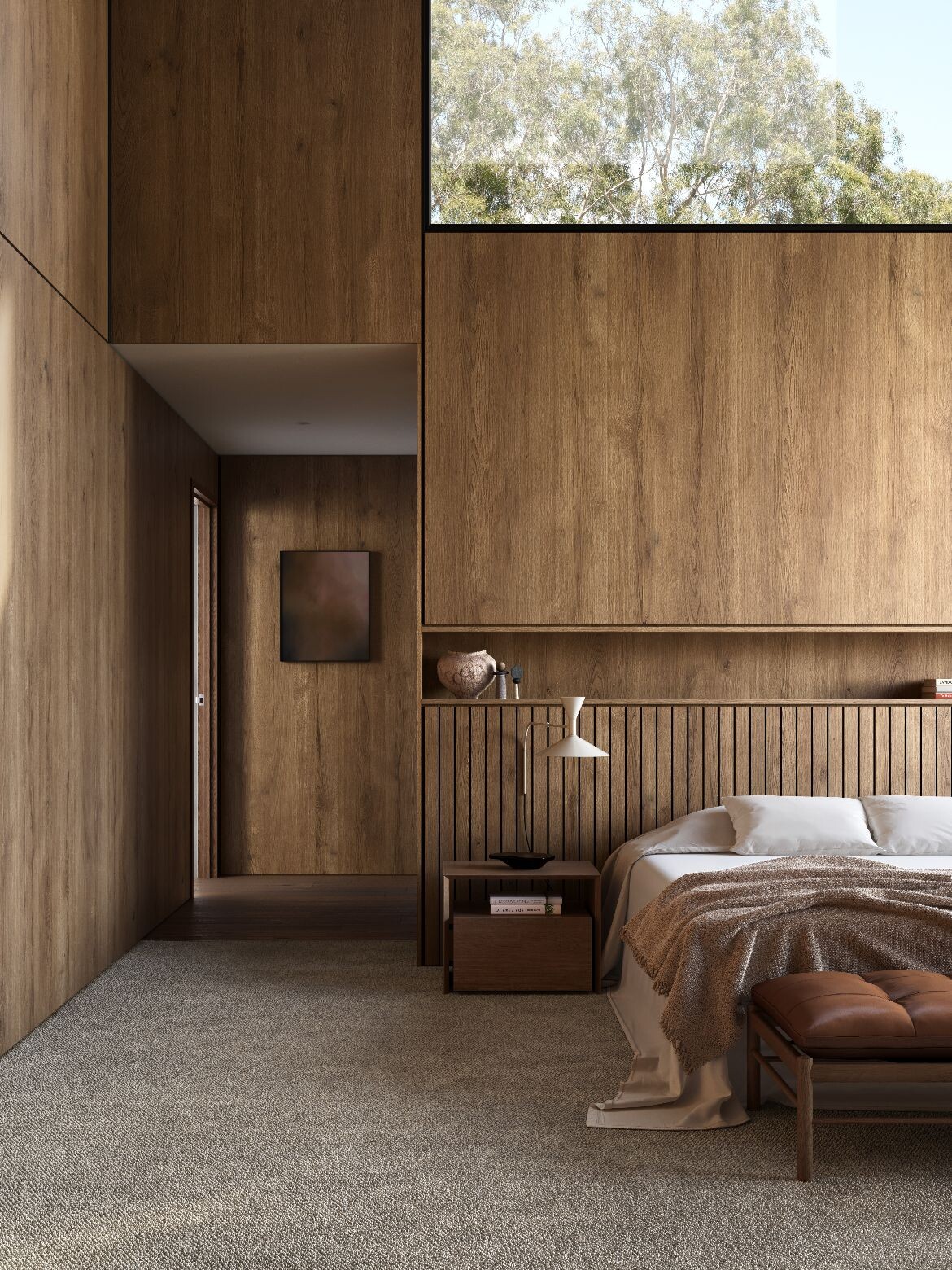
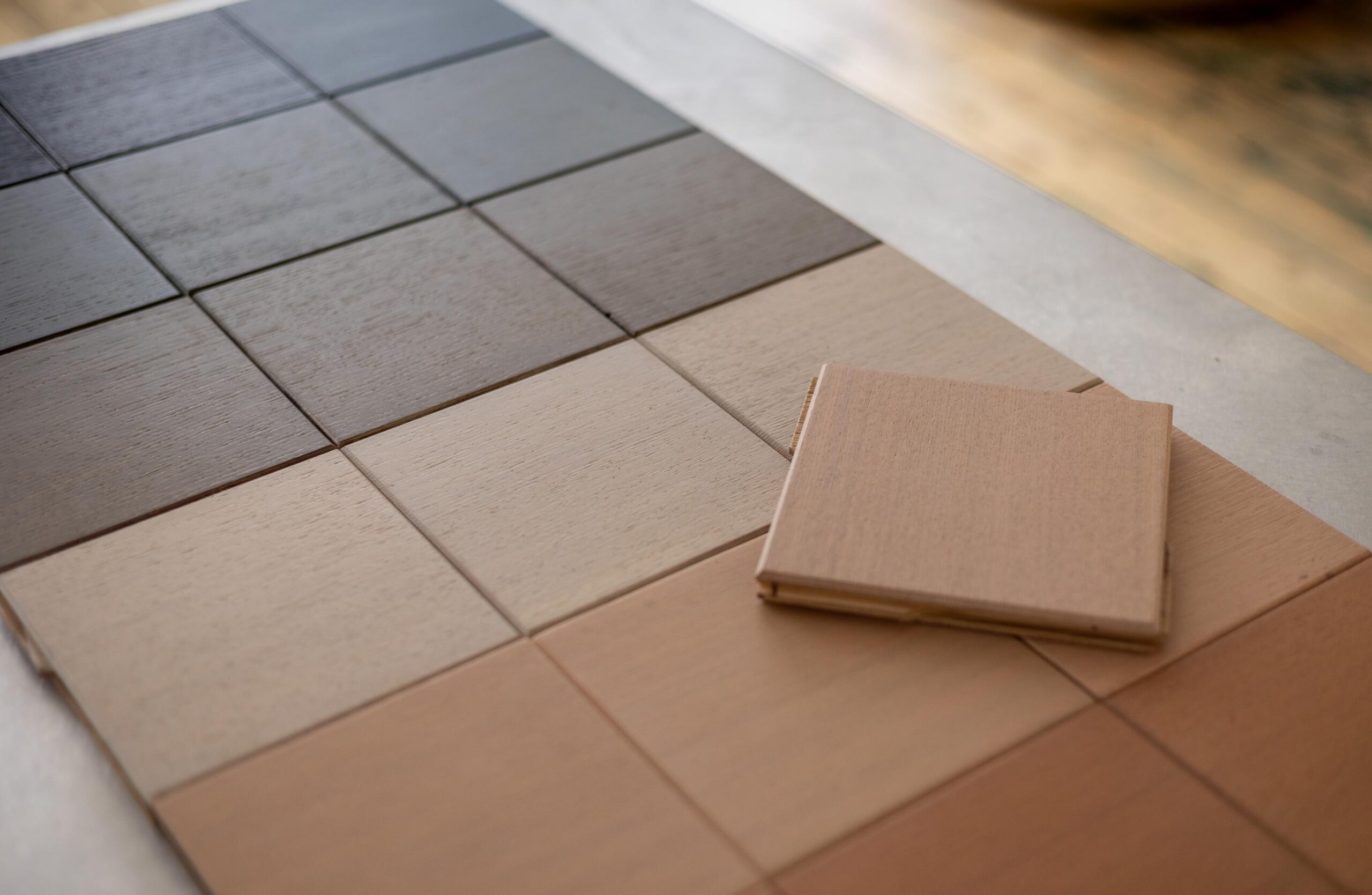
The collection’s four distinct profiles offer a nuanced palette of linear expressions, with the newest addition being the innovative Classic Flat panel that represents a significant extension to the range. Alongside the established VGroove 100, Batten 40, and Batten 60 profiles, the Classic Flat introduces groundbreaking versatility. Each profile captures different aspects of timber’s architectural potential, from the clean minimalism of the Classic Flat, featuring a textured AbsoluteGrain finish with double-sided functionality, to the rhythmic play of light and shadow created by the batten variations. The Classic Flat profile delivers a clean, modern, reversible panel for unprecedented design flexibility, allowing a Pencil Line joint (VGroove 1mm gap) or Express joint (trapezoid 7mm gap), enabling two distinct looks to be created with a single panel. The realistic woodgrain finishes, sourced from Laminex’s extensive colour collection, bring authenticity without compromise, featuring everything from the raw honesty of Birchply to the sophisticated depth of Danish Walnut. Complementing these timber aesthetics, Black Shadow line and Natural Shadow line options are available to further enhance and define spaces.
What elevates these panels beyond conventional timber solutions is the next-generation, patented InvisiLock™ wall panel joining system which features an invisible fixing method that ensures a seamless and continuous wall appearance, even preventing bows and gaps over the period of its lifetime. This patented system allows for easy installation with standard tools and fixings, making it an efficient and practical choice for a variety of residential and commercial projects.
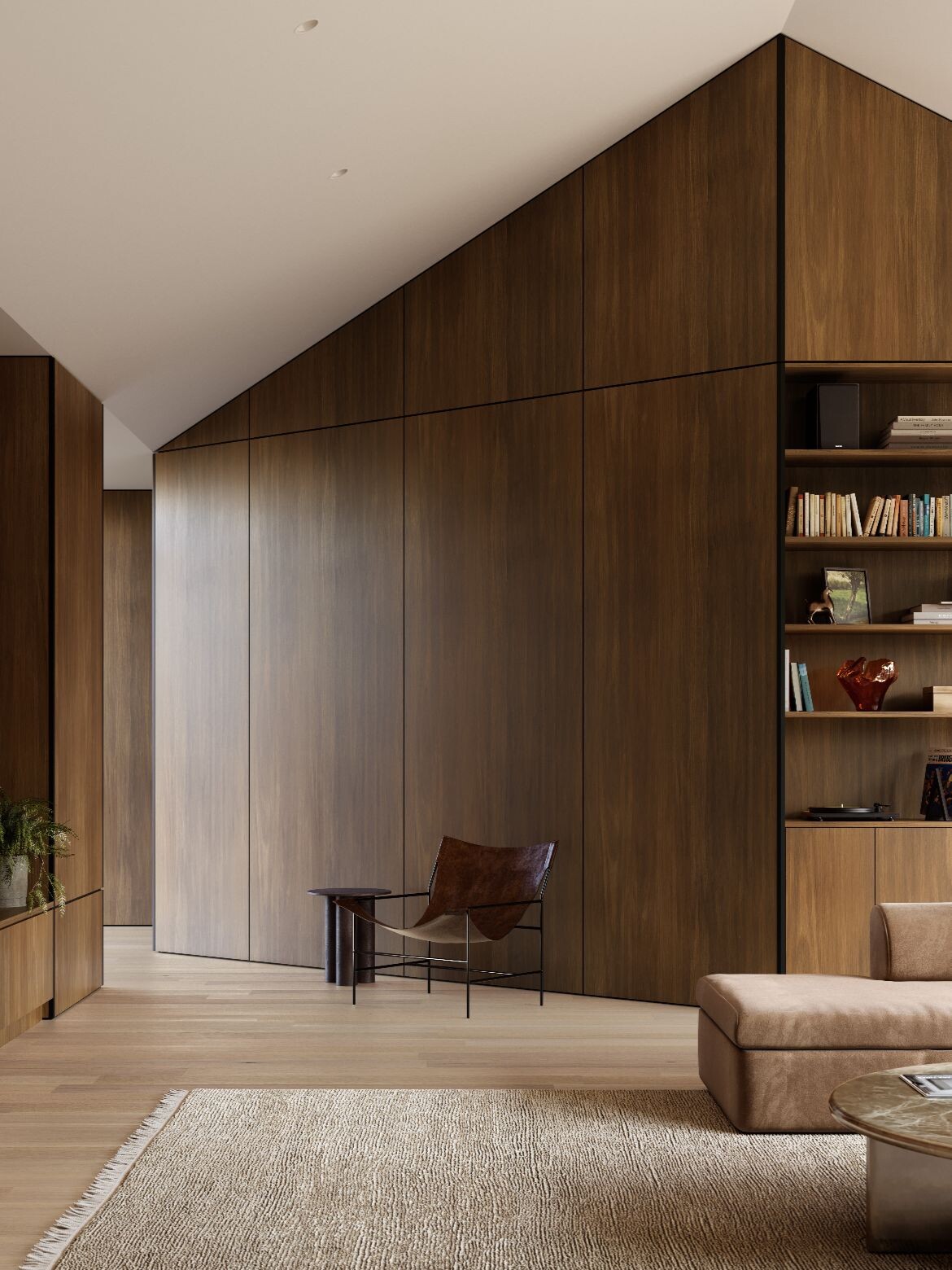
The Australian landscape has always influenced our architectural identity. Laminex’s Architectural Panels capture this essence, bringing the Australian landscape’s textural richness indoors. The result is spaces that feel authentically connected to place while meeting the demands of contemporary life.
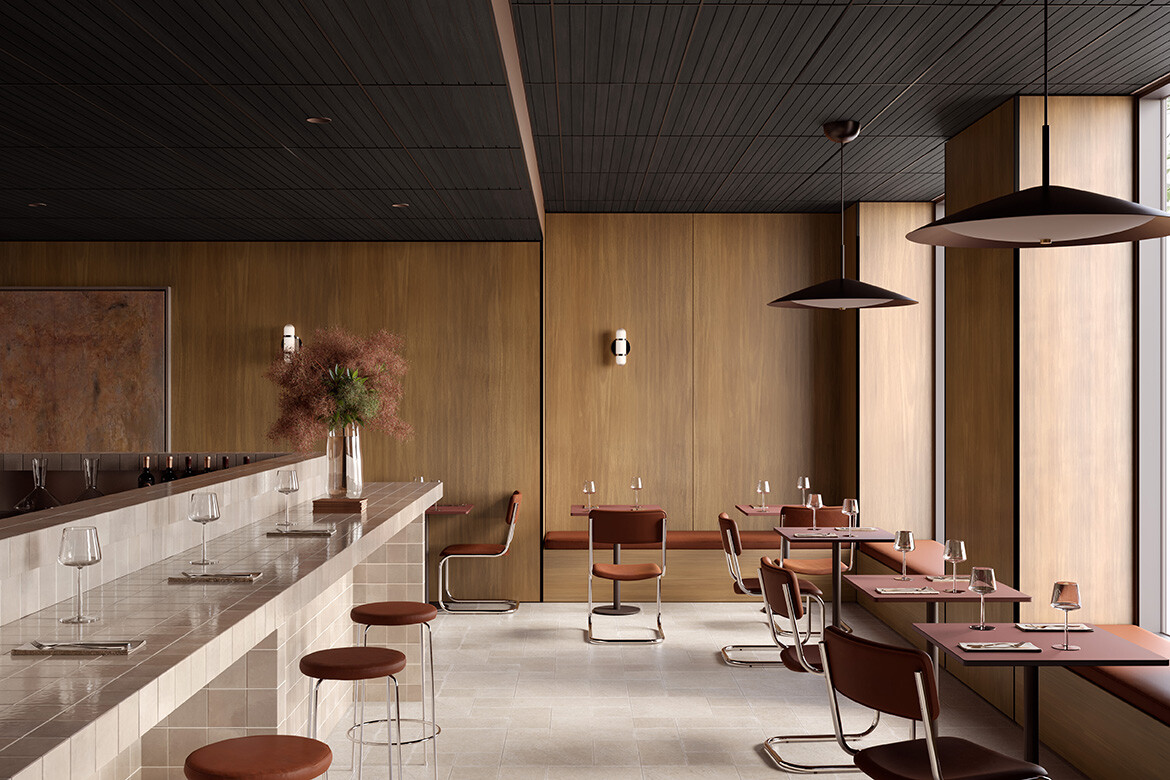
For commercial environments – hotels seeking to create memorable guest experiences, restaurants crafting atmospheric dining spaces, offices fostering human connection – the panels offer durability without sacrificing elegance. For residential environments – open-plan kitchens, working from home offices, refined living spaces, the panels create stunning, design-forward moments. Moreover, the decorated MDF construction resists scratches, stains, and impacts while maintaining the visual and tactile qualities that make timber such an enduring choice in interior design.
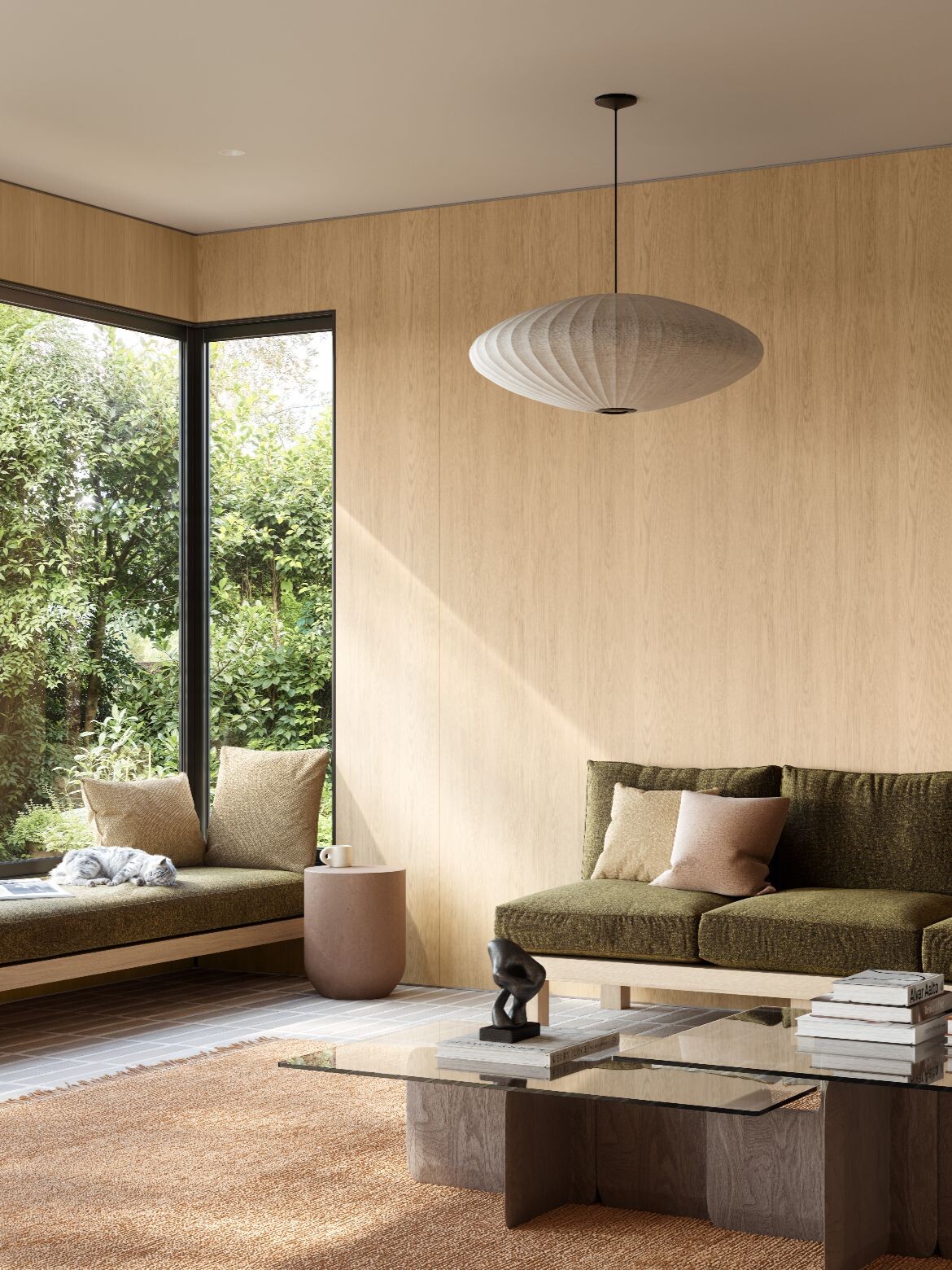
Perhaps most significantly, the system’s efficiency transforms the installation process. Batten and VGrove panels are up to three times faster than traditional individual batten to install making sophisticated timber aesthetics accessible to projects with demanding timelines and budgets. This egalitarian approach to design excellence means that the embrace of timber need no longer be reserved for niche projects alone.
Designed and made in Australia, Laminex Architectural Wall and Ceiling Panels seamlessly integrate walls, ceilings and joinery to create considered spaces full of architectural detail. With an array of décors and profiles, the design possibilities are virtually endless.