COVID-19 has brought about the end of the office as we knew it. The experience of global uncertainty has dramatically shifted the way we work, bringing trust, flexibility, and individuality into much sharper focus. And so as organisations reshape their business strategies in line with a more hybrid model – as highlighted in the first part of this two-part series on the future of work – we look at how businesses should adapt their offices to truly embrace this vital change.
In a hybrid model that prioritises inclusivity and equity of experience as it empowers employees to make individual decisions on where they want to work on a daily basis, the office is just one part of a wider network of decentralised workspaces. Working from home has proven to be extremely effective and completing certain tasks from a local cafe or co-working space has an undeniable appeal – but where does it leave the office? Through an extensive listening exercise during which Herman Miller identified a shift towards a hybrid strategy to be crucial in adapting to the post-pandemic reality, the brand identified two strategic shifts pertaining to the role of the office.
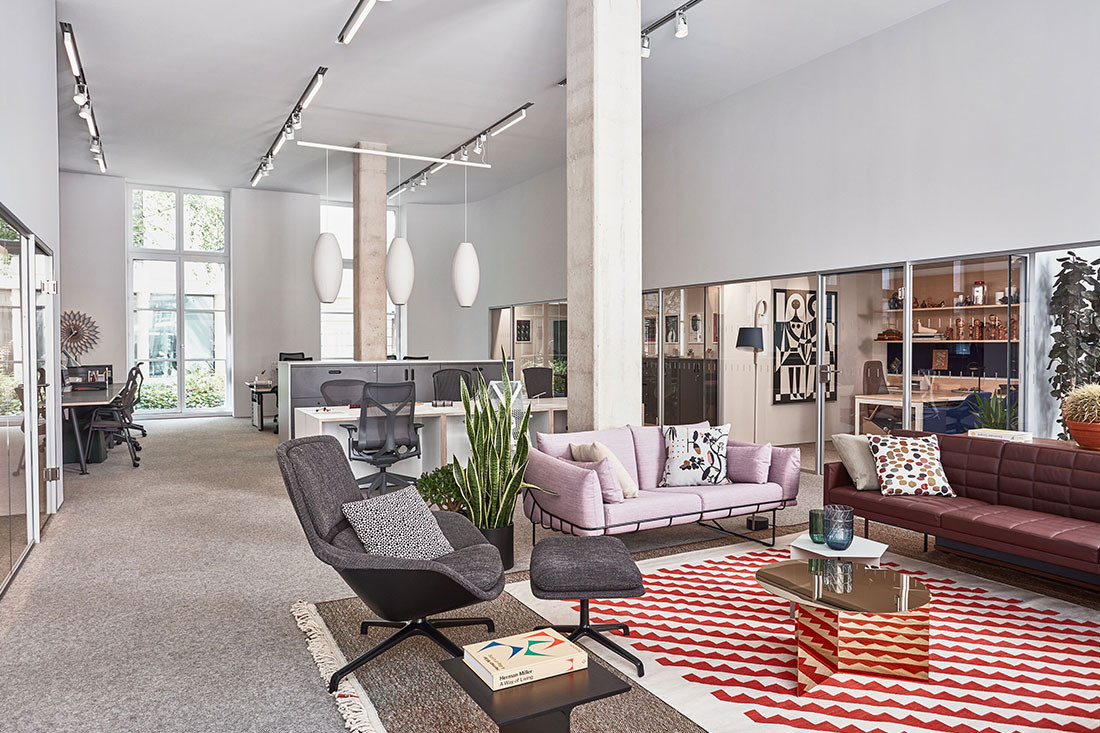
Shift from substantial investment to competitive edge
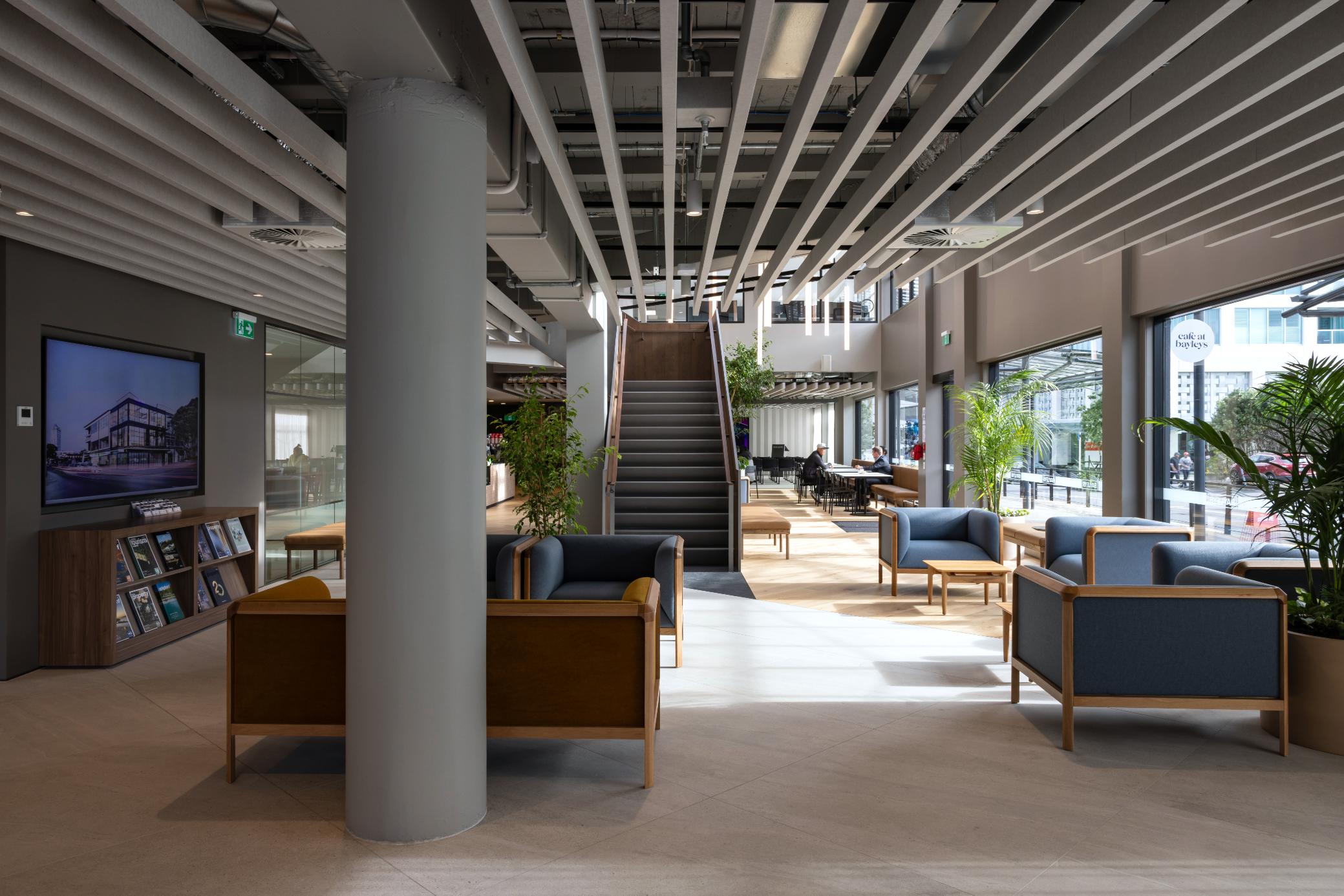
Herman Miller considers the move towards a more hybrid model an opportunity for office spaces to offer spatial solutions that support some of the activities other places can’t. In moving from a fixed spatial arrangement that anchors the workforce to a desirable, on-demand destination employees can use as and when needed, the office should become a place that fosters precisely the types of interactions and working styles the isolation of COVID-19 has taken away.
Herman Miller has identified three types of activities that the office of the future is perfectly positioned to enable: community socialization, team collaboration and individual focus.
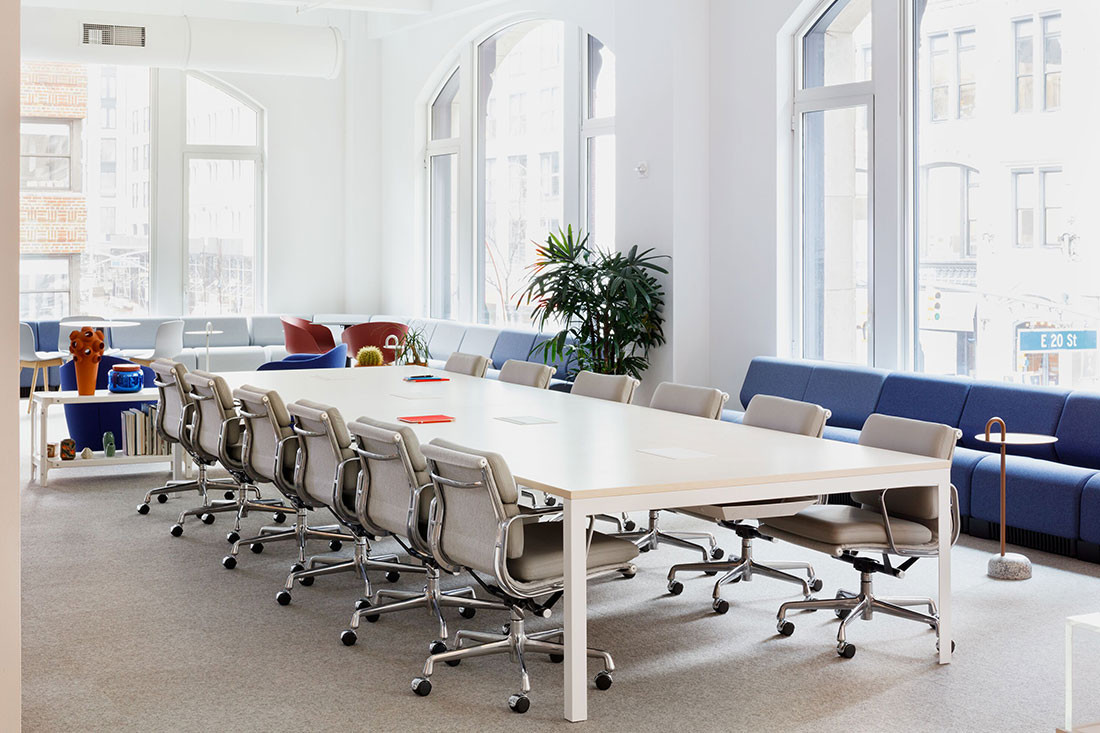
Community socialisation
The pandemic has made it difficult to maintain ongoing relationships with family, friends and acquaintances. And while many of us have managed to actively sustain the bond within our closest circles, the more subtle connections and ties got largely lost. Whether it’s a colleague from another department or the building concierge who knows everyone’s name, this outer circle of people we connect with in our day is incredibly important to our social health and sense of purpose. And it helps strengthen culture. The office can play a pivotal part in re-establishing these connections by creating spaces that encourage interactions with our extended networks.
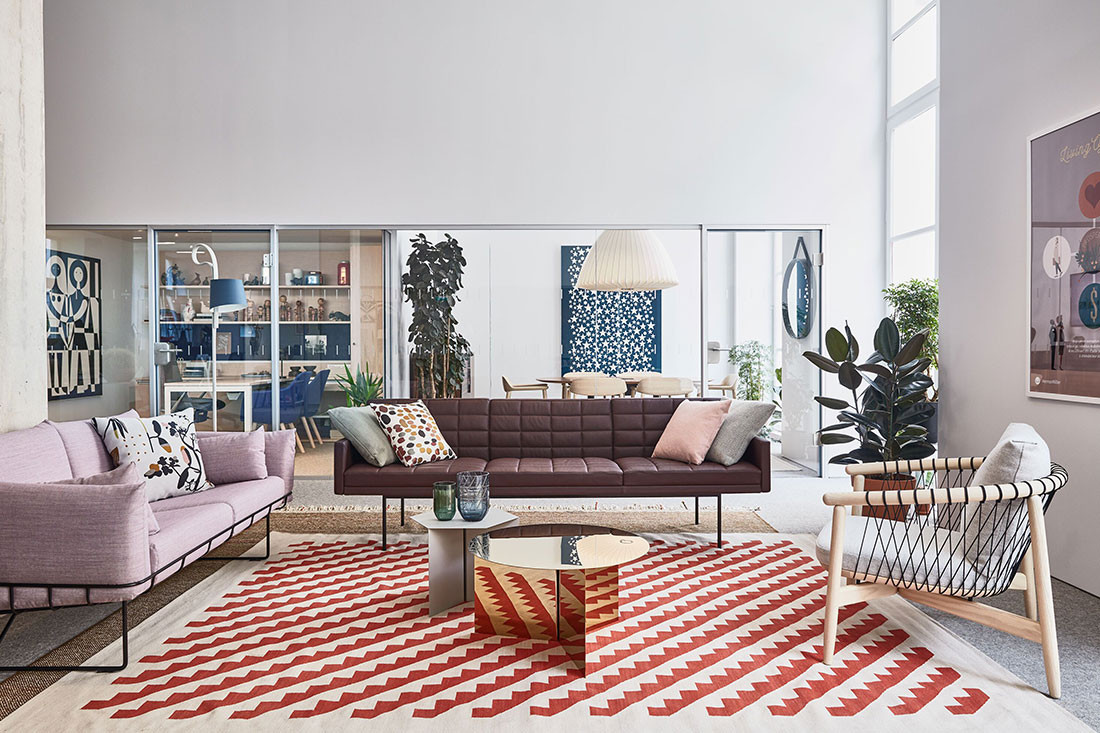
Team collaboration
Flipping the traditional arrangement in which individual spaces are fixed – or owned – and group spaces are shared on its head, Herman Miller suggests the idea of neighbourhoods. In this model it’s the team spaces that are assigned – with the individual workstations within them shared. This approach encourages long-term collaboration within teams and creates opportunities for spontaneity and impromptu moments of connection that don’t tend to happen in the online world.
Individual focus
While some of us have had the luxury of working in private and undisturbed home office space, the vast majority of employees working from home have struggled claiming personal space suitable for more involved individual work that may require focus. For this large group in particular, the office should provide a level of respite from the home environment, creating spaces that facilitate quiet, concentrated and undisturbed work.
Reorienting the office to provide spatial set-ups that enable employees to carry out those three types of activities will turn the office into an appealing, readily available space that answers the needs of the workers – as and when they need it. However, there’s another layer of the office space that has to be considered – flexibility. Or, even more essential as Herman Miller found through their research – adaptability.
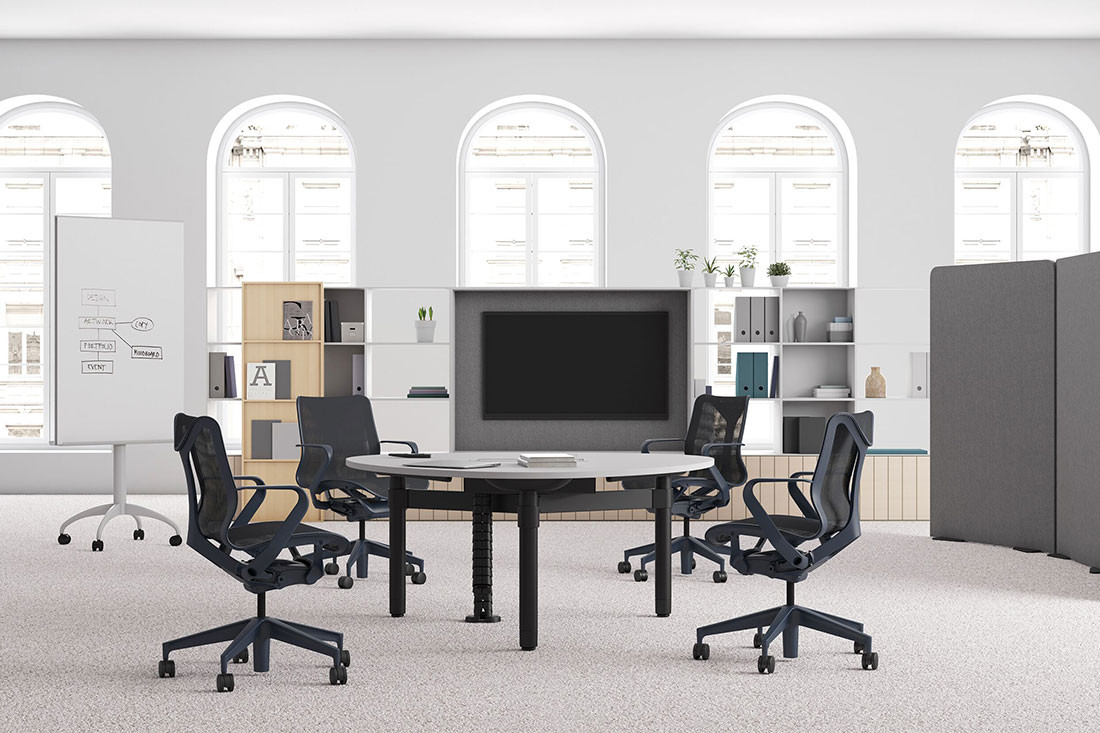
Shift from floorplate flexibility to user adaptability
During the start of the pandemic, considerations with regards to social distancing and hygiene played an important role in readjusting offices to create safe work environments. And while that still remains a vital consideration for all business leaders, office-based companies are starting to contemplate the wider aspect of employee well-being. And that comes with adaptability.
According to Herman Miller, wellbeing is firmly tied to the idea of adaptability – and the sense of individual control that comes with it. In line with that, organisations preparing for the post-pandemic reality should look at arranging office spaces in a way that empowers their employees to adapt the space around them – rather than rely on the facilities teams to do so.
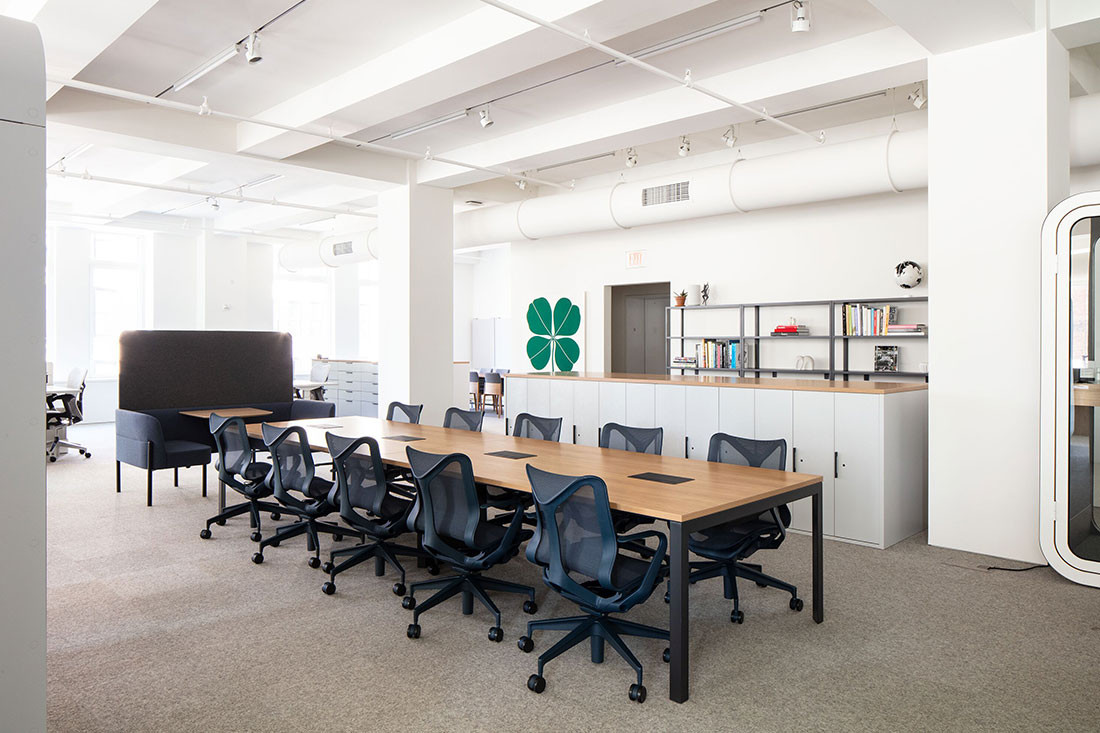
This can be achieved by fitting out the existing floor plan with furnishings and tools that can optimise the space, and allow the workforce to adjust the spatial solutions to their individual needs in any given moment – qualities that are incredibly important for the autonomous workforce that will be using the office within the hybrid model.
Navigating change – particularly now, when it feels like it’s happening faster than ever before – can be a daunting task. At the same time, change is a constant and it is likely to accelerate in the coming years – and because of that it’s crucial to embrace those shifts to best respond to the evolving nature of work. Herman Miller can certainly help maneuver through this challenging landscape by offering their global expertise, human-centric and problem-solving approach to design, and commitment to creating desirable and productive workplaces. Whether you’d like to find out more about the hybrid strategy or spatial solutions for a more adaptable office, head to the extensive research section of their website – or get in touch with one of their representatives.