Concrete Vision: Taking The Slab to Sleek
Published

When people first encounter one of Pop Concrete’s beautifully honed bench-tops or slender-legged tables, their usual reaction is to ask what they’re made from.
On finding it’s concrete, many can’t believe that a product so silky to the touch could be the same utilitarian material paving our footpaths and driveways. It’s the sort of response that brothers Jouni and Sami Jarvela enjoy, but even they weren’t always fond of the stuff. Having grown up as sons of a Brisbane concreter, they and another brother worked in the family business after leaving school.

“After a decade of that, I resented concrete,” says Sami. “You’re working out in the Queensland sun, and once a slab is poured, you can’t leave it. You have to keep working it, and it’s unforgiving. But what we’re doing now has redeemed concrete for me. We’ve refined it, and it’s become an art form. I love it now.”

Sami eventually left the family concreting business to train as a primary-school teacher, while his younger brother, Jouni, headed overseas and visited his parents’ homeland, Finland. There, Helsinki’s exciting design scene galvanised him to enrol in an industrial-design degree at Queensland University of Technology on his return, and when he graduated, the choice was obvious: to start his own concrete-design company, with the help of his brother Sami.
“It seemed natural to marry my expertise in concrete with design,” says Jouni. “And no one else in Brisbane was doing it.”

The brothers started with a couple of small projects, including the fit-out of a friend’s cafe in West End, for which they worked from a cramped space underneath Jouni’s rented high-set Queenslander. Having worked in the construction industry, they already knew several architects and designers. Word soon spread about their interesting work, and last year, they set up a showroom in Fortitude Valley and a workshop in Moorooka.

Today, all of Pop Concrete’s divisions are expanding. The company offers larger fixed items (which includes kitchen benchtops and terrazzo bathroom floors) as well as customisable furniture pieces that incorporate elements such as timber and steel (which includes sideboards and tables) alongside small decorative pieces, such as bowls and tea-light holders. Jouni and Sami have a hand in all aspects of the business, from preparing, mixing and pouring the concrete to popping the moulds and hand-finishing each item.

‘Bespoke concrete’ may sound like an oxymoron, but work is flooding in from architectural firms, as well as from cabinetmakers and private clients. Kitchen companies have also approached the pair, with a view to placing Pop Concrete product in their showrooms.

“With our working knowledge of the material and our design training, we can collaborate with designers,” says Jouni. “Architects love to come up with novel ideas, so when they come here, they’re often like little kids in a lolly shop. And we’re happy to find ways to make their designs work.”
Pop Concrete
Related Articles
Events
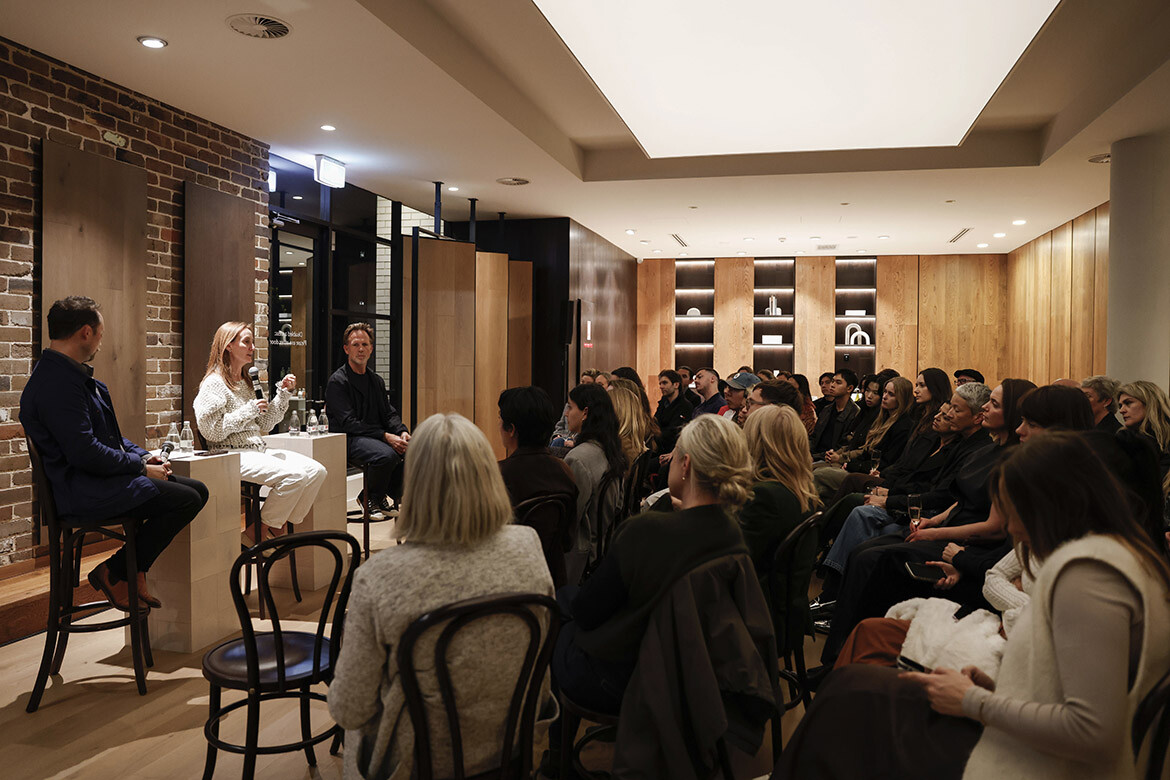
A rollicking good story with Richards Stanisich and Royal Oak Floors
Jonathan Richards and Kirsten Stanisich discussed practice, design process and the business of running a studio at a live audience event hosted by Royal Oak Floors in Sydney.
Events
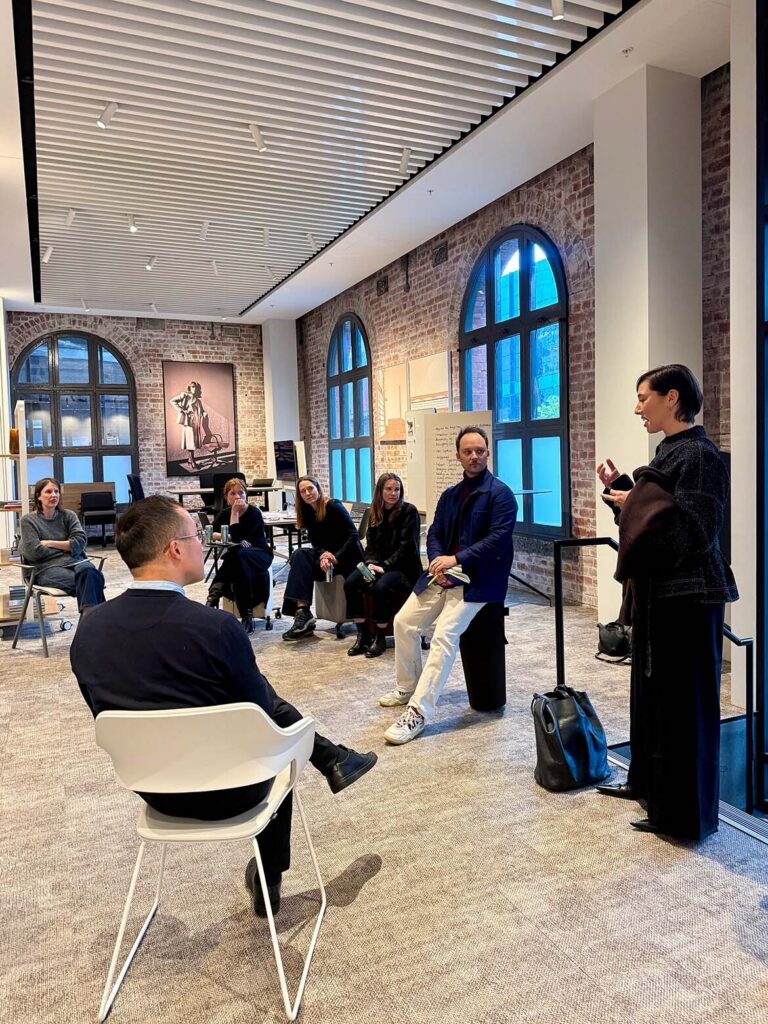
Indesign x Wilkhahn: Melbourne, where are you working?
Our latest collaboration saw a range of designers come together at Wilkhahn’s Melbourne showroom for a discussion on the workplace dynamics specific to the Victorian capital.
Events
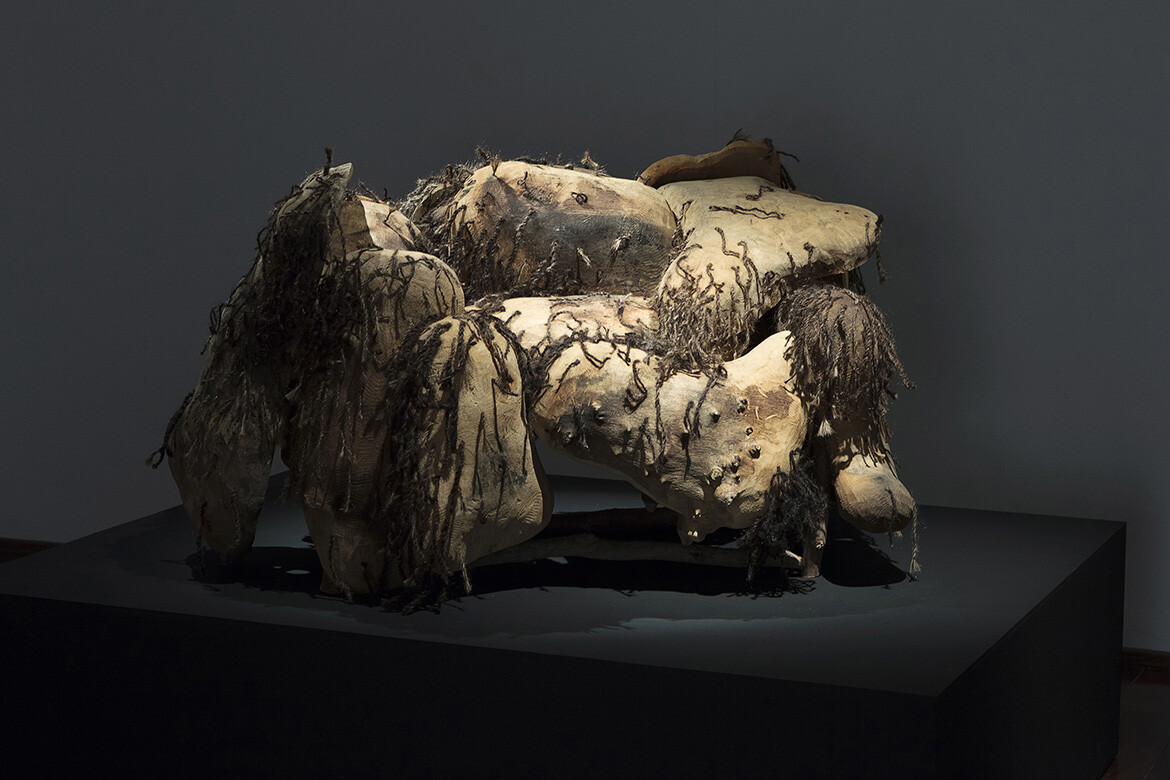
“A journey into a whole new material world”: Plant Life at the NGV
Curator Ewan McEoin tells us about the NGV’s new exhibition on plant-based materials as alternatives to plastics, synthetic materials and other non-renewable resources.
Events
The inaugural Coastal Design Assembly is about to make landfall in Sydney
Sophie Lanigan, organiser of a new event centring on Sydney’s relationship to water, tells us what the event’s all about, who it’s for and why it matters today.