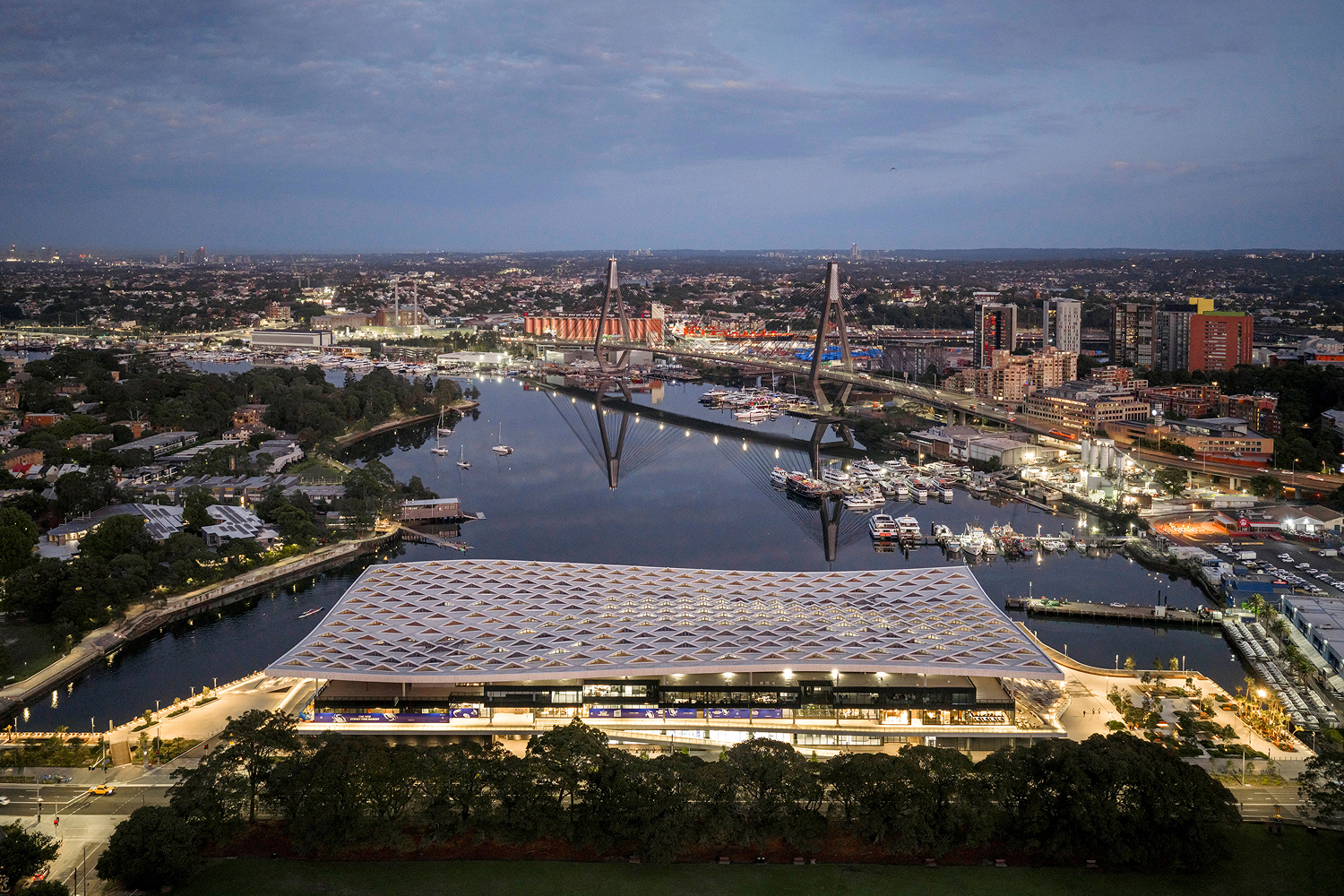
The winners of the 2024 Australian Institute of Landscape Architects (AILA) National Awards have been announced at a ceremony in Melbourne. Across 16 categories, 37 winners were selected by the National Awards Jury, consisting of prominent landscape architects and esteemed built environment academics.
AILA National Awards Jury Chair Andrew Thomas reflected on the work recognised in this year’s program, and emphasised the key role of landscape architects in Australia’s ability to withstand the impacts of the climate crisis.
“This year’s award-winning projects show exemplary thinking, leadership and results, and demonstrate continuing development in sustainability practices,” Thomas says. “Many projects benefit the environment by reducing urban heat, increasing biodiversity and habitat, while also improving social wellbeing and offering economic benefits for local communities.”

Photography by Duncan McKenzie.
“Unapologetically Wild” Streetscape Wins
A stand-out winner was St Peters Street, which earned an Award of Excellence for Infrastructure and a Climate Positive Design Award. Designed by Landskap & City of Norwood Payneham and St Peters the suburban Adelaide street has been transformed into a ‘best practice streets that underscores social and environmental sustainability.
The 900-metre stretch of road was previously defined by narrow footpaths, scattered trees, and wide roads. The jury described the upgrade as an “unapologetically wild space that nurtures both people and wildlife.”
The new streetscape includes passive stormwater infrastructure, biodiversity, and pedestrian amenity. This was achieved by retaining 97 large trees, planting more than 200 new trees, converting hardscapes to softscapes and improving the water cycle.
“The result is a symbiotic space for nature, pedestrians and cars,” said the jury, “a highly commendable representation of how landscape design can benefit – and entirely rejuvenate – an area.”

The Best of Landscape Planning
The City of Melbourne with ASPECT Studios x TCL gained an Award of Excellence for Landscape Planning for The Greenline Project Master Plan. Meanwhile, the Sunshine Coast Ecological Park Master Plan, by Hassell, was honored with a Landscape Architecture Award in the same category.
Masterstroke for Kangaroo Island
Kangaroo Island Council has received an Award of Excellence for Urban Design and a Regional Achievement Award for the Kangaroo Island Town Centres Project. The ambitious initiative, located off the coast of South Australia, revitalised the island’s four main townships through clever resourcing and a deep understanding of local context.
The project involved practical upgrades to the main streets and foreshore precincts. These not only enhance aesthetics, but also achieve significant value for money by reusing natural materials and capitalising on the existing landscape. The result is a boost to the livability of the island for residents that also supports its two primary industries: tourism and agriculture.
“The design itself, while simple, is extremely high quality and effective, capturing the essence of the area and local community,” said the jury.
The jury also acknowledged the recruitment and relocation of a landscape architect to the island, describing it as “a masterstroke.”
“The benefits of having a designer who lives in the community are palpable in the design outcome,” they stated.

Award-winning Projects Champion Culture and Tourism
Baruwei Lookout, designed by CLOUSTON Associates earned an Award of Excellence for Tourism and a Regional Achievement Award. Located in the Northern Territory’s Nitmiluk National Park, the design prioritises cultural and environmental experiences through thoughtful planning.
Another notable winner, set within the World Heritage-listed Kakadu National Park, was the Jabiru Lakeside Precinct Masterplan. Designed by Enlocus, Common & Stafford Strategy, the project received a Landscape Architecture Award for Tourism and an Award of Excellence for Cultural Heritage. The groundbreaking plan champions contemporary conservation techniques, traditional Aboriginal knowledge and Caring for Country principles.
In Western Australia, the City of Mandurah received a Landscape Architecture Award for Tourism for their project, the Kwillena Gabi Pool. The universally accessible inclusions are exemplary, drawing visitors that are unable to access traditional water-based activities.


Photography by Russell Cassar.


FREE-RANGE LANDSCAPE ARCHITECTS,
Photography by Hugh Swann.


Photography by Michael Black.

Photography by Diana Snape

Photography by Peter Bennetts

Photography by Moir Landscape Architecture

Photography by Joel Barbitta.

Photography by Brett Boardman.

Photography by Tyrrell Studio, Doug and Wolf
Photography by Shaana McNaught.

Next up: Winning design team for new National Sculpture Garden revealed