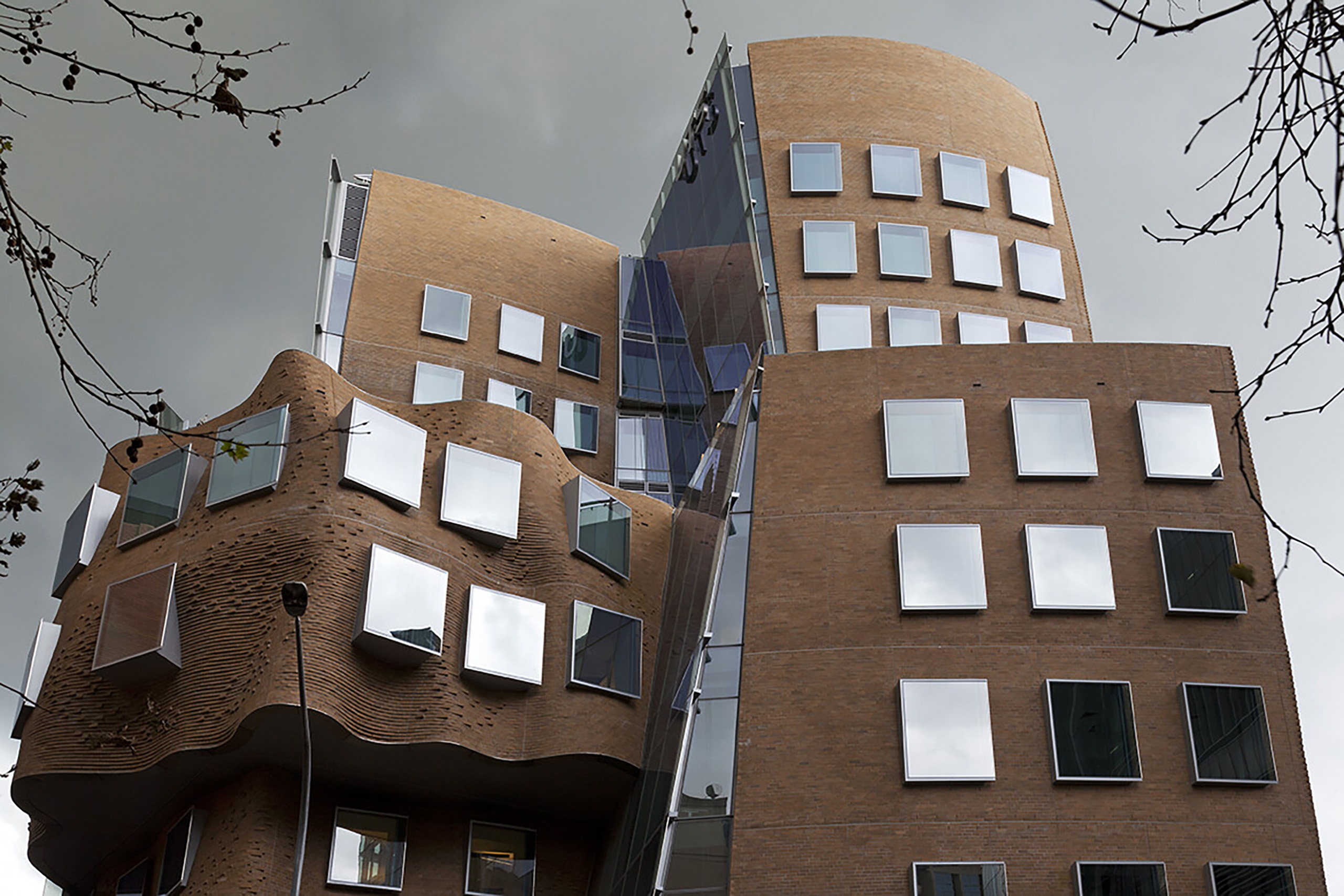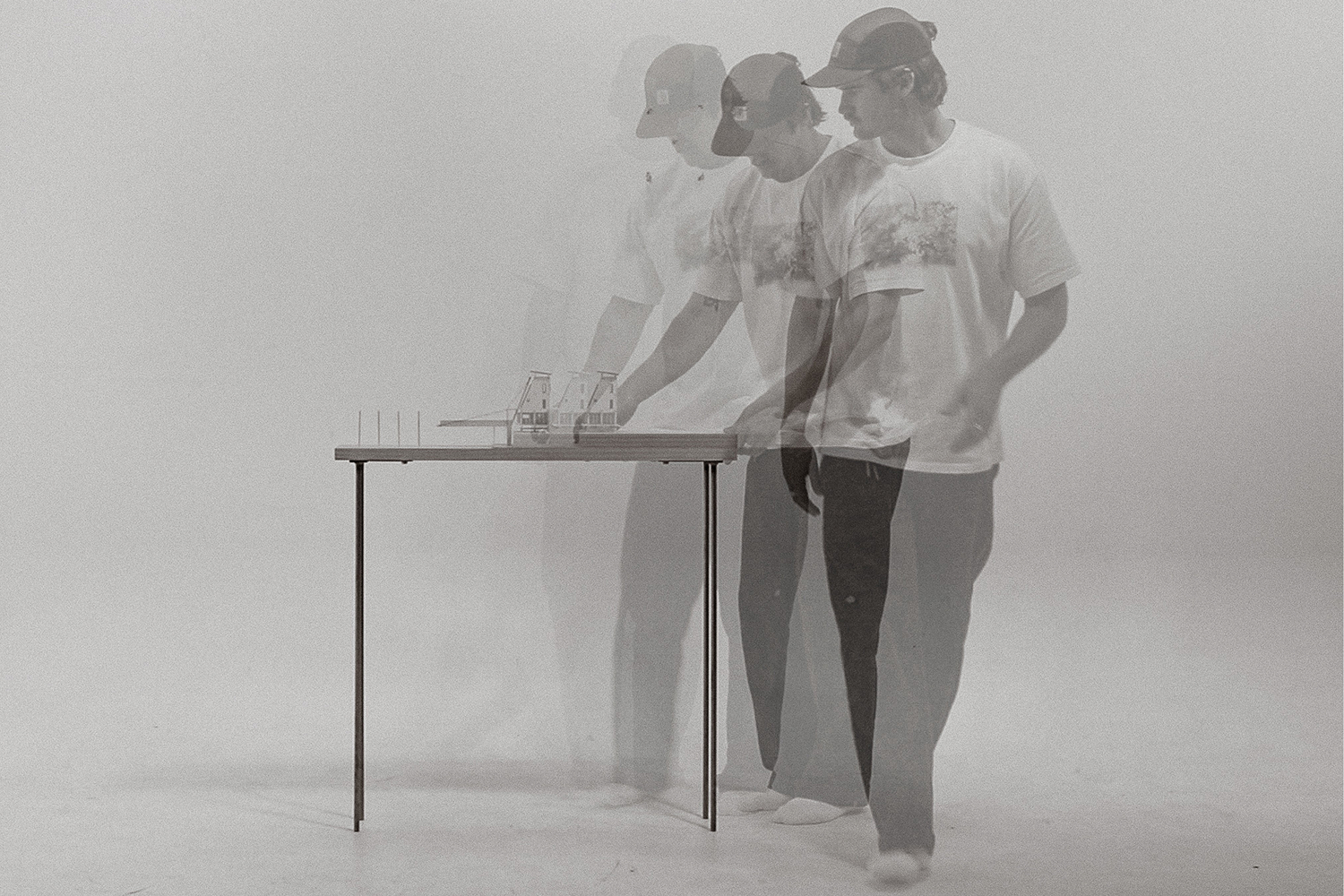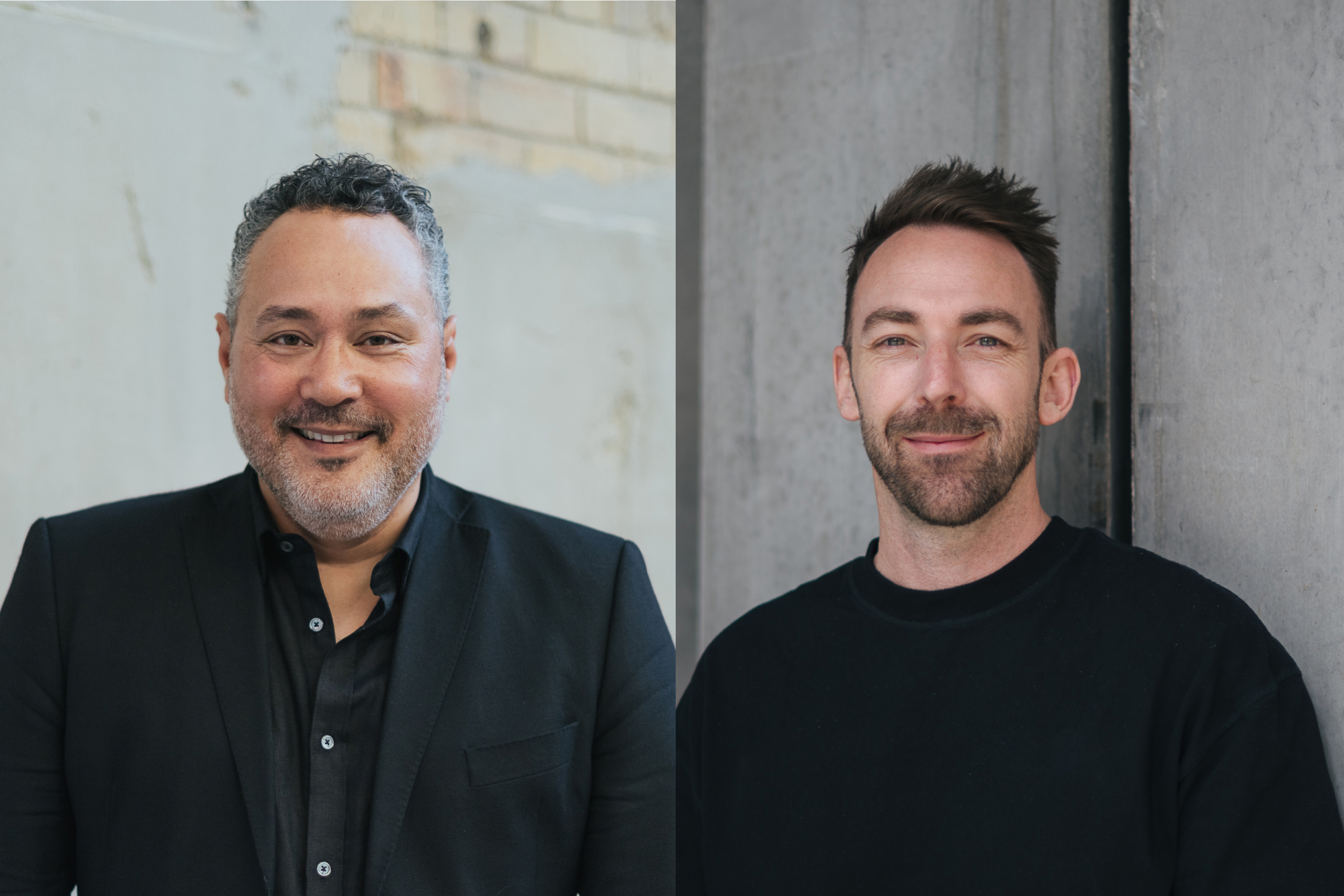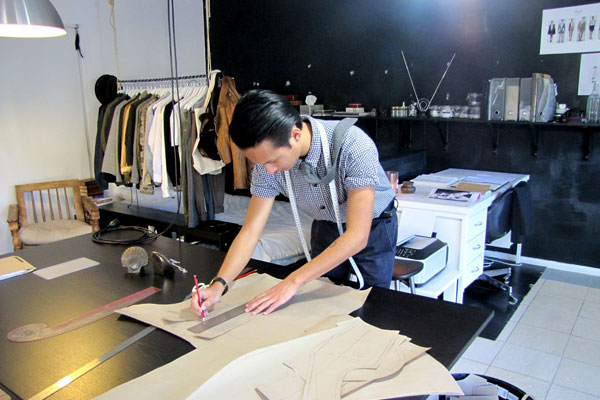
HAN, the fashion label of 21-year-old Brisbane designer, Khim Hang, represents a direct extension of minimalist architecture. Presented in a single tone (the Spring 14 collection is a study in white), it “Redirects the focus back to the use of fabrications and the contrasts between them; the finer details, silhouettes, proportions and cuts,” Hang describes. He continues, “Everything in design is somewhat inextricably linked in one way or another. Architecture, music, and fashion surround our lives and create the culture we live in”.
Launched in 2012, the range features clean lines, organic materials and a brand identity that goes beyond aesthetic qualities to evoke an appreciation of the finer things. Like a fine wine, Hang envisions that the pieces he creates will become better with age; he believes that “Beauty and serenity don’t die with age, but are reborn”.
This mature approach combines with the visual freshness of the pieces themselves – striking and immaculately detailed – resulting in a range that has received praise from style press and critics, and is now stocked at 31 retail stores locally and internationally, despite only having launched two years ago.
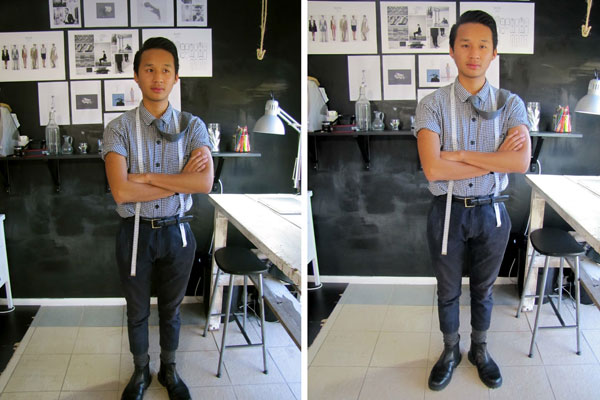
Hang’s Cambodian-Australian heritage could have something to do with his success. His parents escaped the Khmer Rouge during Pol Pot regime, his father landing in Melbourne with nothing but the clothes he was wearing and US$100. Hang has inherited his determination, focus and drive to succeed.
But these things, like a sense of style, don’t count for much without a head for business. “Fashion is a business,” Hang believes. “There are so many factors that come together to define: what fabrics are used, what silhouettes are appropriate, what cut works best. It’s balancing these business aspects with our brand design philosophy and the somewhat existent laws of fashion design. It’s a tricky ordeal.”
Not that Hang’s been one to follow the rules anyway. He went against his parents’ wishes to pursue fashion design (they wanted him to be an doctor) and quit his studies in Fine Arts majoring in fashion after two years to launch his brand. But so far, these deviations have proved to be good decisions. As is the brand’s connection to the field of architecture, which will ensure the range remains fresh and dynamic. Hang says, “It’s about pulling ideas in architecture, like space, contrast, light, and utilising that as the foundation of each collection’s concept, whatever it may be”.
HAN
hanstudios.com