The home of architecture and design in the Asia-Pacific
Get the latest design news direct to your inbox!

Get the latest design news direct to your inbox!
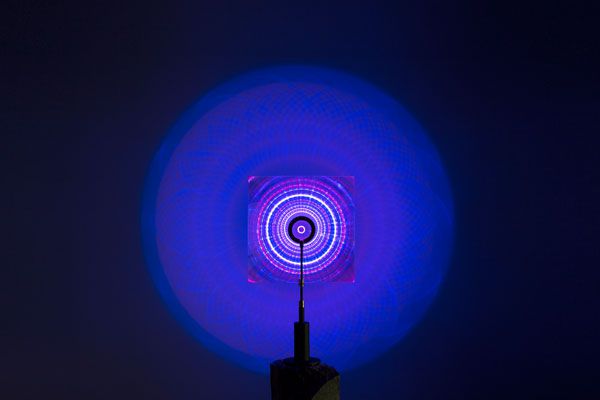
How can a Western designer approach Japanese concepts of aesthetics and fundamental philosophies about the material and immaterial world? This is a question that designer Tuomas Markunpoika explores in his body of work Distant Lights.
October 21st, 2015
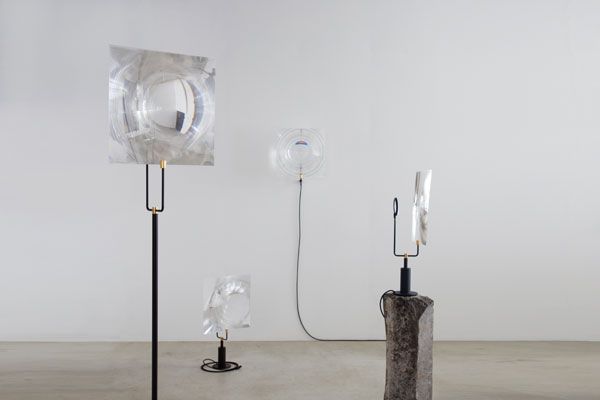
Distant Lights is a collection that explores transience and impermanence as a visual and spatial experience. Tuomas Markunpoika was influenced by the Japanese philosophy of wabi-sabi, and focussed in on the element of transience inherent to wabi-sabi, and interpreted them through contemporary media.
“For me, transience is not only a physical quality of the object itself, but also an inevitable quality of the relationship between the object and the viewer as a visual experience in space,” he explains. “In Japan, I saw this phenomenon in the kare-sansui or “dry landscapes”. The most famous example is the garden at the Zen temple of Ryōan-ji, a framed rectangular space in which five islands of dark rocks and moss are surrounded by a field of small white pebbles, raked into lines that mimic diffraction patterns of water,” he says.
“The viewer is intended to contemplate this arrangement from a wooden platform along one side, and each position generates a different visual comprehension of the space and the rocks within it; no single image of the space can accurately describe the design.”
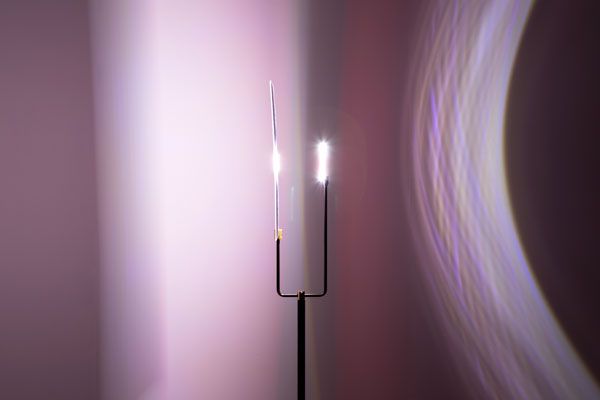
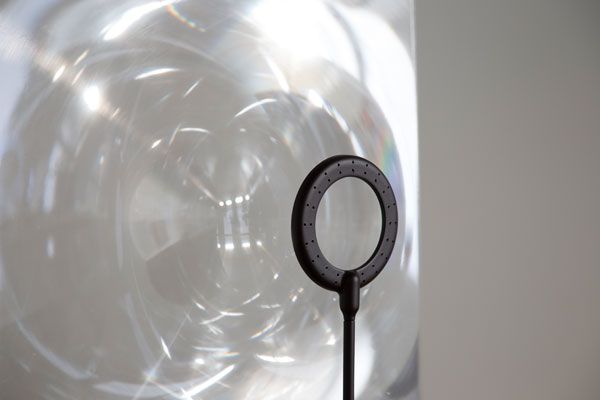
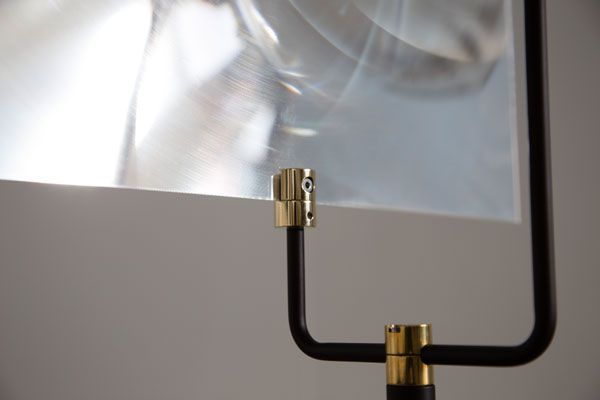
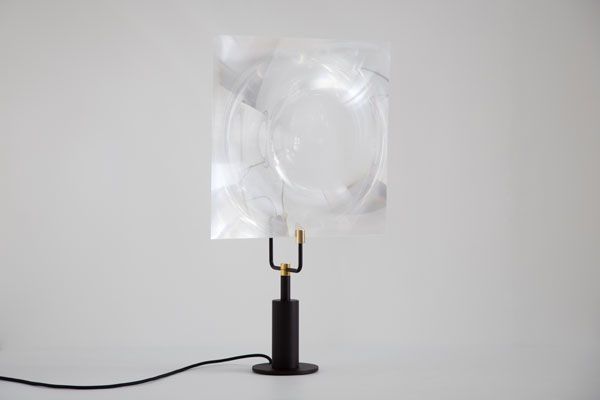
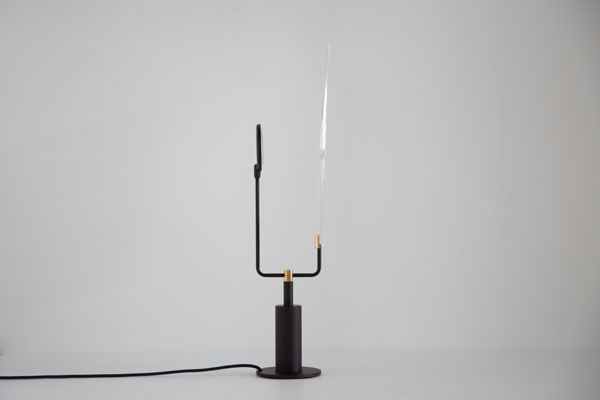
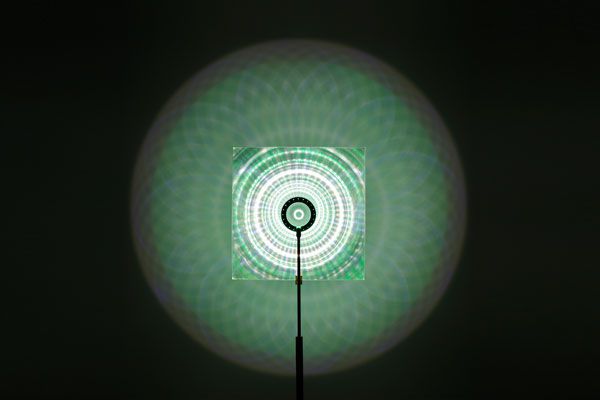
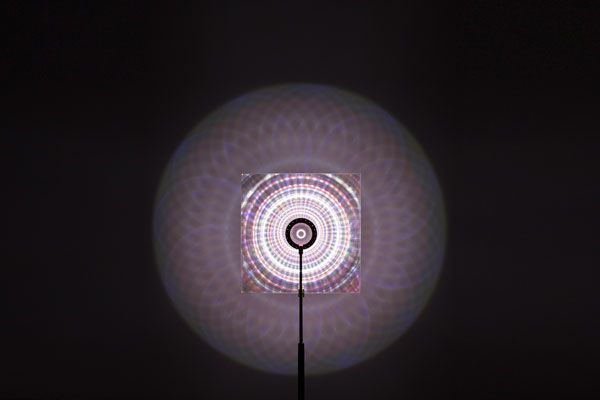
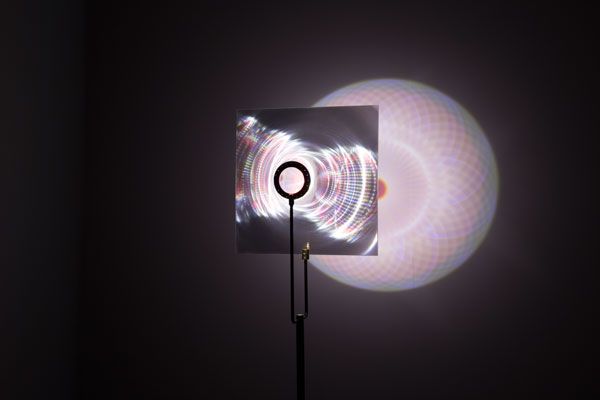
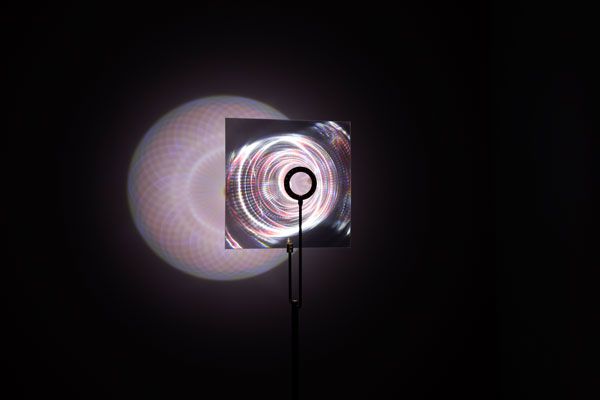
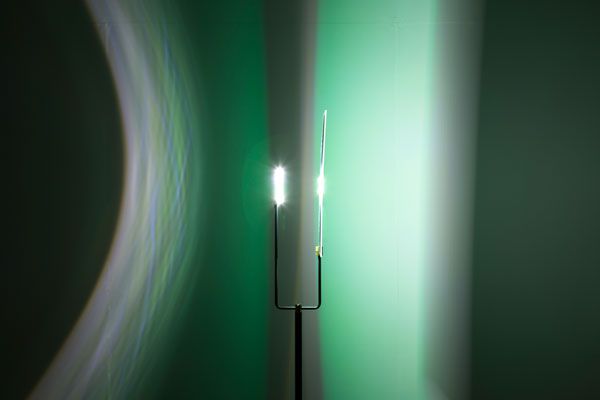
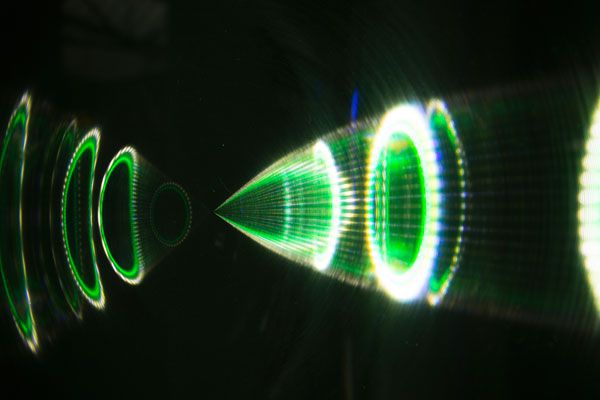
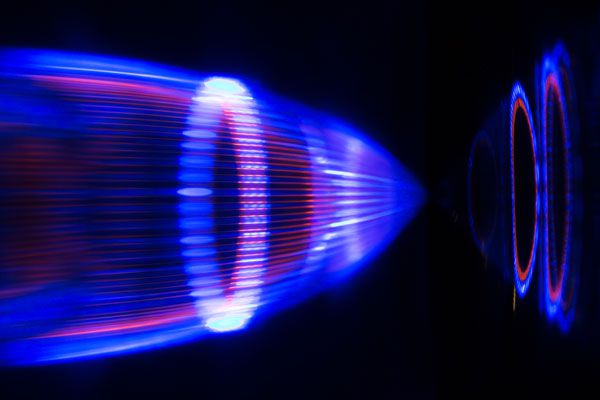
In his collection Distant Lights, Tuomas has co-opted a device known as the Fresnel lens, which was created to regulate light waves, and has adapted it to produce unexpected phenomena. The light is used to alter the path of radiating light waves into a directional beam of light. The viewer sees an acrylic Fresnel lens square in front of a ring of LEDs, which casts a geometric pattern of light on the wall behind it.
While the geometric pattern is a relatively stable consequence of the distances between the ring, lens, and wall surface, the image that the viewer sees in the lens itself is entirely based on his or her position. The viewer is thus confronted by the transience of their perception of the object—or of the object itself—in contrast to the static pattern of light cast on the wall.
The exhibition is currently being exhibited as part of In No Particular Order, during Dutch Design Week, October 17–25. Watch a preview here.
Tuomas Markunpoika
markunpoika.com
INDESIGN is on instagram
Follow @indesignlive
A searchable and comprehensive guide for specifying leading products and their suppliers
Keep up to date with the latest and greatest from our industry BFF's!
The internet never sleeps! Here's the stuff you might have missed