The home of architecture and design in the Asia-Pacific
Get the latest design news direct to your inbox!

Get the latest design news direct to your inbox!
It’s designed for how you live, not just for how it looks.
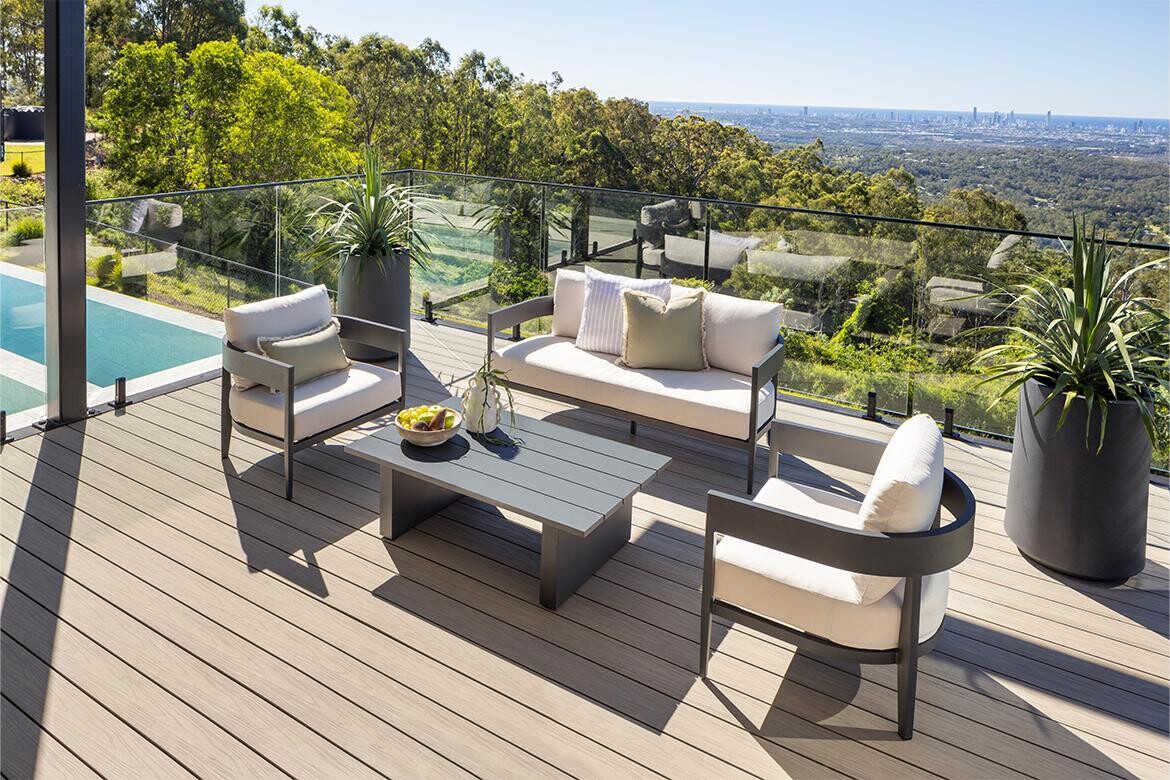
November 27th, 2025
Every home benefits from an outdoor space designed for comfort and use. In many cases, though, the design focuses on appearance rather than how the area is actually used.
This happens when layouts prioritise looks over how people naturally move through an area. To create a space that feels natural, design choices should follow comfort and function, not just style.
So, what makes an outdoor space feel thoughtfully designed?
A great outdoor area always starts with a clear idea of how it will be used. To plan it well, think about how the space fits into daily routines and the way it’s enjoyed most. This helps define whether it becomes a place for morning coffee, casual family meals, or relaxing evenings after a long day.
In smaller areas like balconies, stackable chairs and narrow tables make the most of limited floor space. For larger backyards, an outdoor dining area creates a dedicated spot for eating and entertaining. With thoughtful planning, the area feels lived in and natural instead of just arranged for looks.
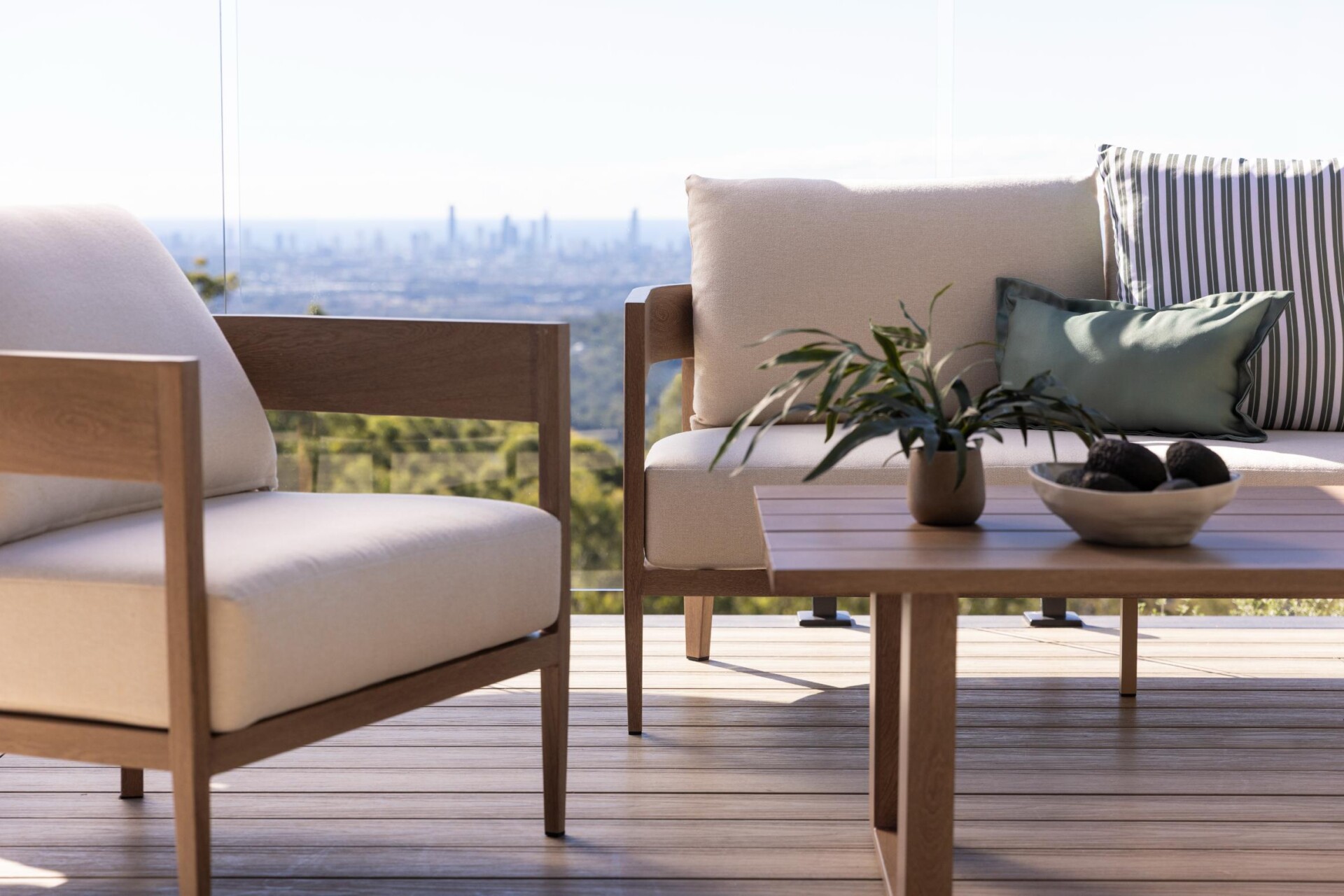
It’s easy to focus on how an outdoor area looks and forget how it feels. The main culprit? Outdoor furniture arranged without considering how people actually move, which can make even a stylish setup feel awkward.
This often shows up in the spacing. Chairs placed too close together are hard to navigate, while seating too far apart makes conversation difficult.
A simple solution is to arrange furniture around a central point, like a fire pit or coffee table, to anchor the space. This naturally encourages a comfortable flow for both movement and conversation, creating a layout that feels organised and comfortable, not cramped or scattered.
For an outdoor area to feel right, it needs to be both comfortable and tough. The comfort makes it enjoyable, while durable materials keep it looking great season after season.
When these two elements work together, they create a base for how the space comes together. Building on that foundation, an outdoor lounge works best when it feels naturally connected to the rest of the space. Place it where people already spend time, like near a doorway, under soft shade, or facing a view.
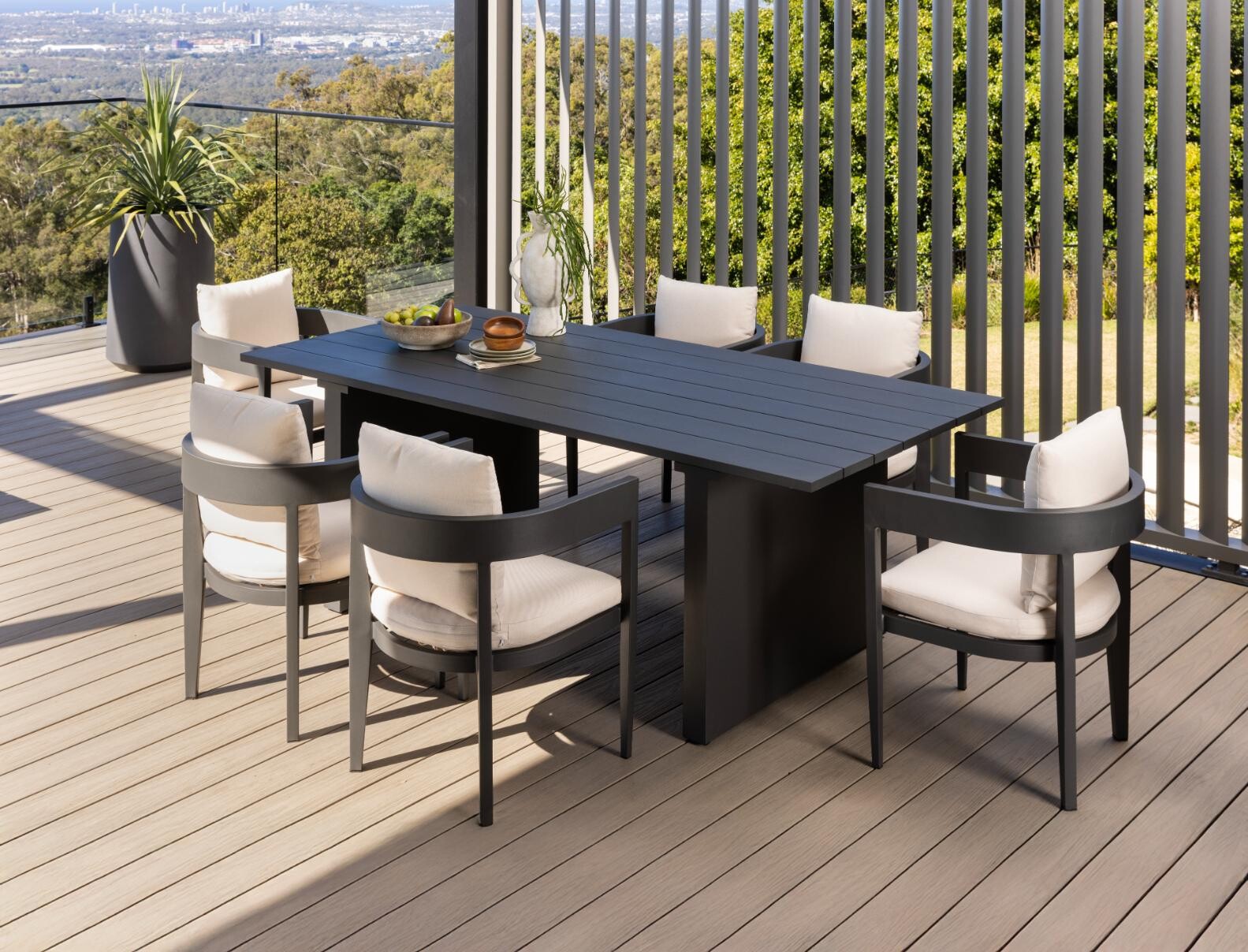
Without the right details, an outdoor space might be too hot during the day or unused once the sun goes down. Outdoor furniture accessories solve this by making the area practical and comfortable year-round.
Add an umbrella or gazebo for shade, a fire pit for warmth, and outdoor cushions to soften seating. Placing side tables near chairs makes the layout more functional, while covers protect furniture from the elements.
A great outdoor space supports the way people actually live. It blends practicality with comfort, so time outside is more enjoyable. To start, focus on lasting quality by choosing pieces built to last from a trusted outdoor furniture store like Amart Furniture. This approach saves time, avoids costly mismatches, and creates a foundation for a space that feels both beautiful and personal.
INDESIGN is on instagram
Follow @indesignlive
A searchable and comprehensive guide for specifying leading products and their suppliers
Keep up to date with the latest and greatest from our industry BFF's!
The internet never sleeps! Here's the stuff you might have missed