The home of architecture and design in the Asia-Pacific
Get the latest design news direct to your inbox!

Get the latest design news direct to your inbox!
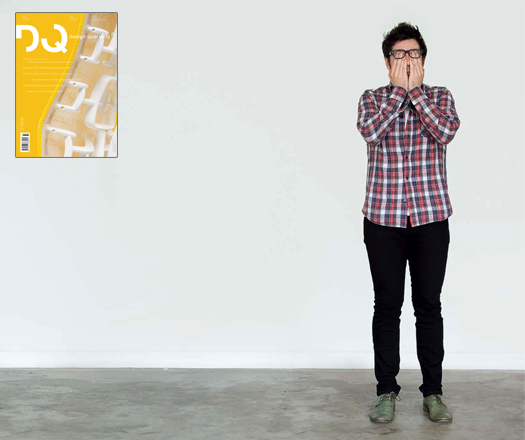
We asked Linda Bennett aka Archi-Ninja to respond to the following question: In what way do you think Architecture can respond to future lifestyles?
December 21st, 2009
 |
“… by supporting the profession as a broader and more experimental industry we can begin to define our concept of Architecture as the way we frame our lifestyle. If we can question our lifestyle; we can evolve.” Linda Bennett |
We asked Linda Bennett aka Archi-Ninja to respond to the following question: In what way do you think Architecture can respond to future lifestyles? Below is her response.
Architecture by existence is typically a static response to the condition of human needs. The design brief which our dead ancestors responded to is not dissimilar to what we recognise today. The built environment has always dealt with similar issues of shelter, politics, responsibility and privacy.
If we do not test our requirements then how can our lifestyles evolve? To answer the above question I’ll assume we use architecture to play an active role in provoking future lifestyle desires.
If we assume our lifestyles can evolve more rapidly over the next century then we need to investigate the way in which architecture can provoke change. If we view Architecture broadly and as the environment which surrounds the way we live then it should in turn be capable of evolving the way we inhabit our environment.
Architecture should in fact be more powerful and genuine than the debate of aesthetics which typically surround our industry.
Architecture is too often exclusive, which eliminates the possibility for public interpretation and mobility. The insignificant decisions that individuals make in life are by nature experimental, so why does architecture as a profession need to be predictable and calculated?
I’d like to see architecture evolve faster and more experimental, this inturn will provoke change. Architecture needs to be responsive but also questionable – personally I am interested in the potential for nomadic lifestyles based around theories of derive, this is of cause one of multiple avenues.
N55 is a young firm that creates ‘Architecture’ by providing instructions for living, their products are not always a building and they do necessarily need a client. The walking house is a project capable of moving location; it becomes a ‘do-it-yourself’ approach which in turn creates a dynamic possibility of freedom. It questions concepts of the profession, landownership and movement.
The project begins to investigate a nomadic lifestyle which breaks down the static nature of our surroundings; the environment which we form around ourselves is capable of continual change. Architecture has the potential to explore these concepts.
Another project by N55 is Called Public things, the project creates a system which is accessible to all and supports the basic needs of living. It explores making the private highly public and removes concepts of ownership; again such a project supports a nomadic lifestyle which questions traditional concepts of the design brief.
By questioning and experimenting with our environment and the traditional values of our current society we can become exposed to change. I believe the profession of architecture needs to begin to explore such values if we hope to provoke lifestyles that are different from today. Architecture responds to future need by provoking new ideas.
Archi-Ninja
archi-ninja.com
INDESIGN is on instagram
Follow @indesignlive
A searchable and comprehensive guide for specifying leading products and their suppliers
Keep up to date with the latest and greatest from our industry BFF's!
The internet never sleeps! Here's the stuff you might have missed