The home of architecture and design in the Asia-Pacific
Get the latest design news direct to your inbox!

Get the latest design news direct to your inbox!
Joanna Kawecki travels to the Benesse Art Site Naoshima and discovers some of the islands’ hidden treasures.
June 29th, 2012
Naoshima is well-renowned internationally as Japan’s Art Island, but neighbouring islands Teshima and Inujima have also encouraged an increase of intrigued visitors willing to travel to their secluded locations.
Described as Art Sites, the trio are situated in the Seto Inland Sea just a train ride from neighbouring Okayama in the south-west of Japan. While Naoshima’s Art Site was established in 2002,Teshima and Inujima saw their first site-specific works erected in 2005 and 2010 respectively.
Founder Soichiro Fukutake had a serious vision for the 3 islands, making them an uncompromised cultural destination for creatives and curious travellers alike, and there is growing attention for neighbouring islands Teshima and Inujima, both just a 20 minute speed boat away.
The islands house both art and architecture in their finest form, showcasing the result of when each environmental element has been taken into account, and where an equally conscious understanding of the islands’ character and its local residents have been carefully considered.
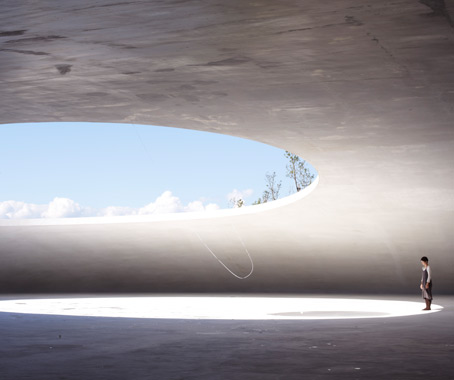
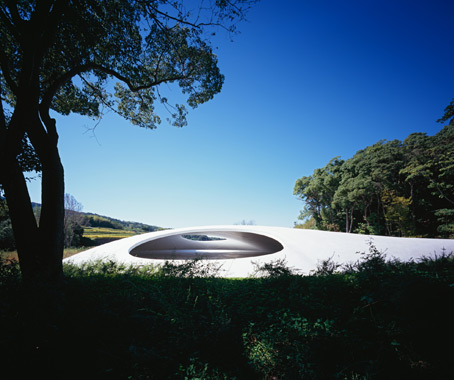
The Teshima Art Museum is a collaborative creation between architect Ryue Nishizawa (SANAA) and artist Rei Naito, an elegant concrete shell-like structure that resonates with the natural environment.
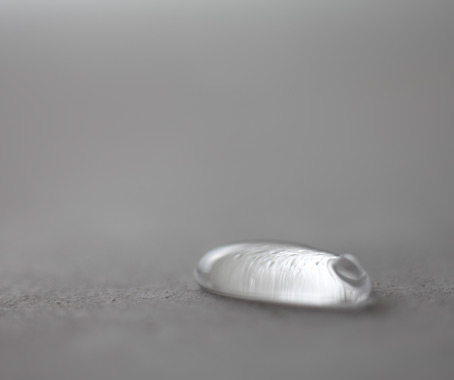
Designed to resemble a drop of water, inside the theme continues with timed water flows that trickle in a play of light, space and gravity.
Your attention is directed to the timed water trickles that accurately trickle in the combination of light, space and gravity, providing an ultimate sensorial experience.
Inujima previously housed a copper refinery; now only a population of 50 resides there. The Inujima Art Project was revitalised by architect Hiroshi Sambuichi and artist Yukinori Yanagi, aiming to realise a society with successful recycling management.

Continuing with the theme of artist and architecture collaboration, a museum housing the complete works of architect Tadao Ando is expected in 2013.
Benesse Art Site
benesse-artsite.jp
INDESIGN is on instagram
Follow @indesignlive
A searchable and comprehensive guide for specifying leading products and their suppliers
Keep up to date with the latest and greatest from our industry BFF's!
The festival features a large number of retailers, distributors and designers. The events offers exhibitions, seminars and culinary presentations.
The internet never sleeps! Here's the stuff you might have missed

Presented by Woven Image